close
Choose Your Site
Global
Social Media
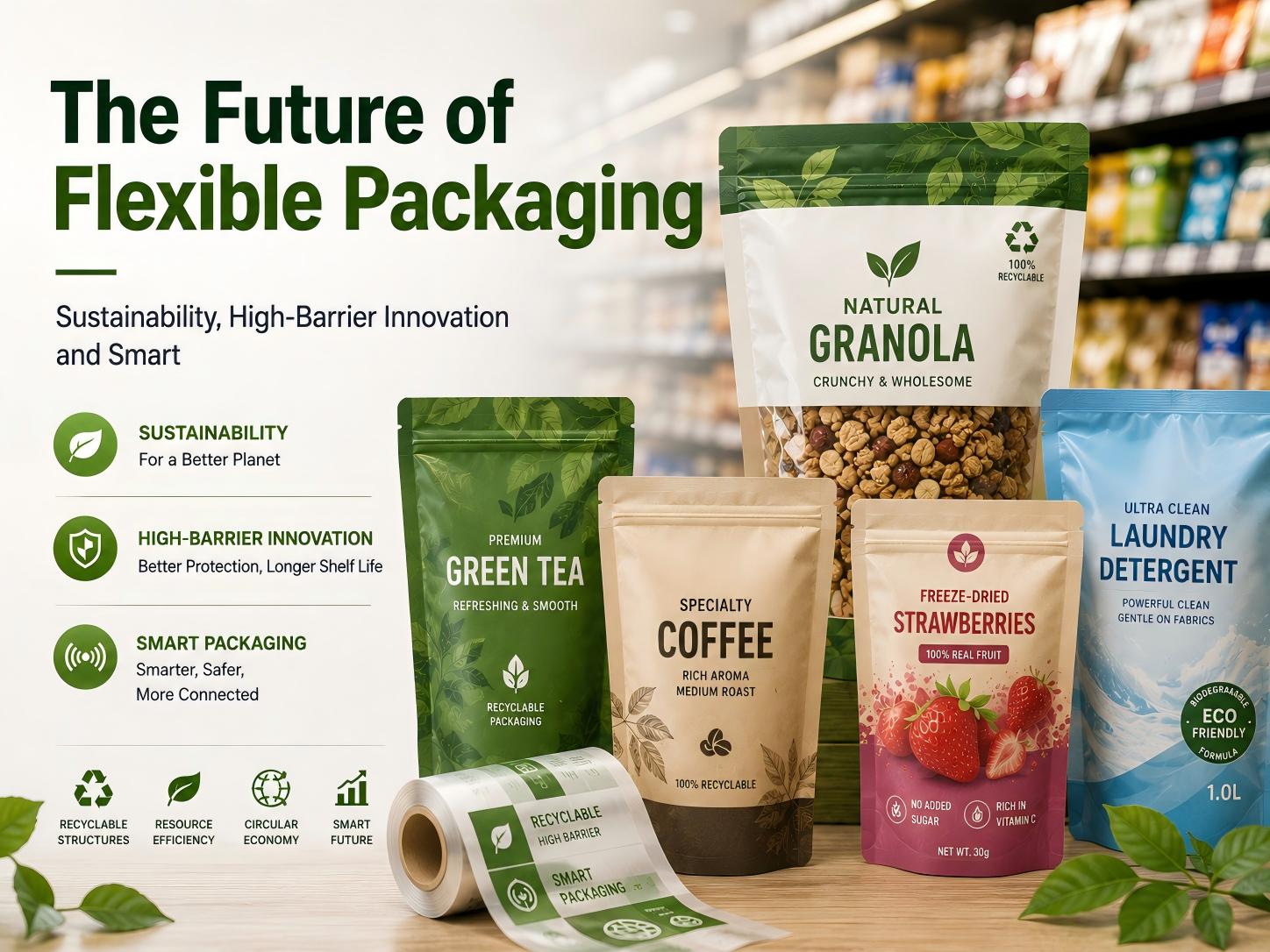
The future of flexible packaging is driven by sustainability, recyclability, high-barrier innovation, lightweight design, smart manufacturing, and circular economy principles. Engineers must balance product protection, food safety, cost, and efficiency while adopting mono-material structures, digital technologies, and recyclable solutions for better performance and lower environmental impact.
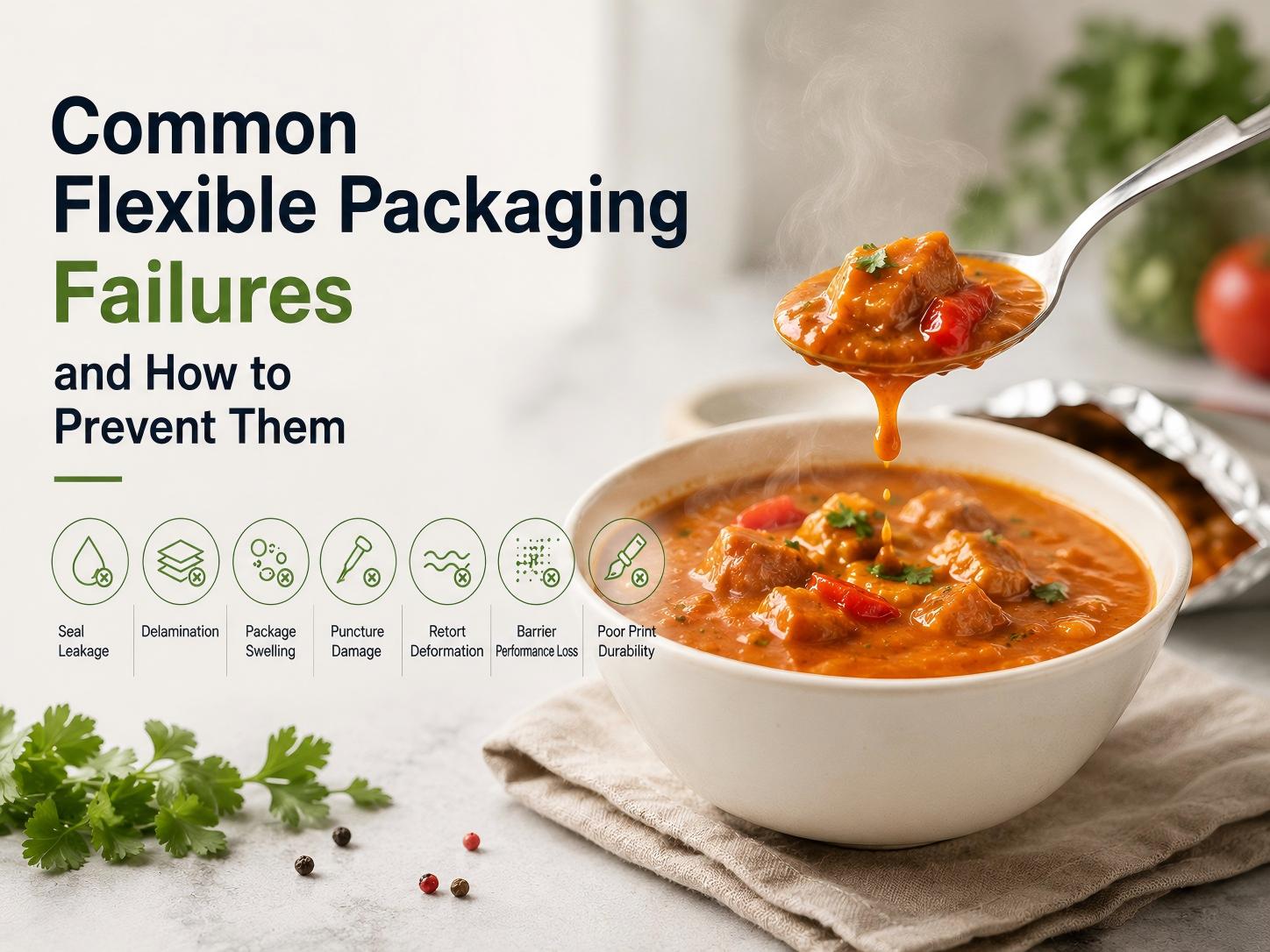
This chapter explains how packaging engineers improve retort pouch reliability by preventing seal leaks, delamination, punctures, barrier loss, deformation, print damage and swelling through material selection, process control, validation testing and shelf-life evaluation prior to commercialization.
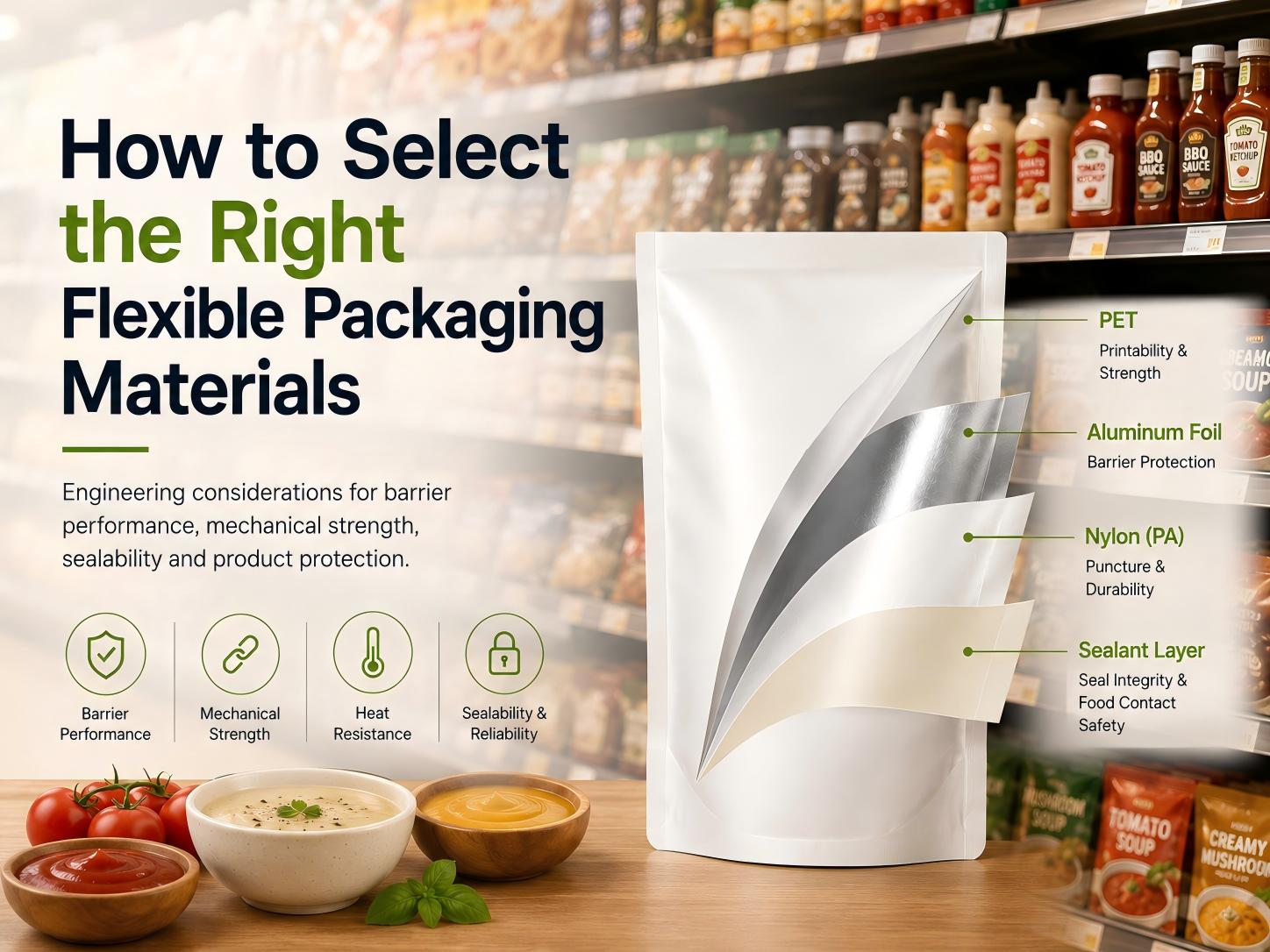
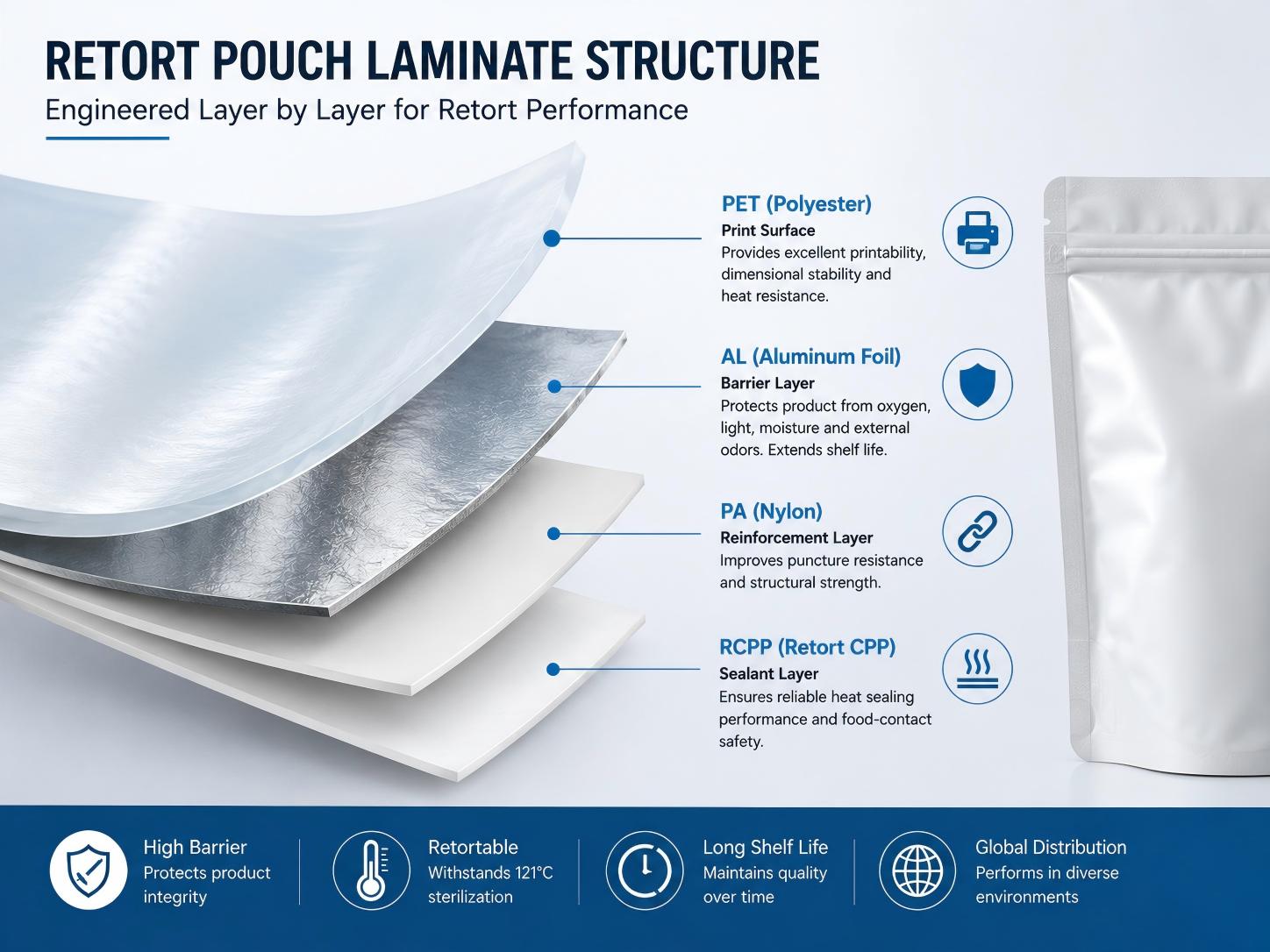
Flexible retort packaging uses a multilayer structure, with each material serving a specific role: PET for printability and stability, aluminum foil for strong barrier protection, nylon for puncture resistance, and sealant layers for reliable heat sealing. Material selection should depend on product needs, processing conditions, and shelf-life goals, and final designs must be validated through barrier, sealing, and durability tests.
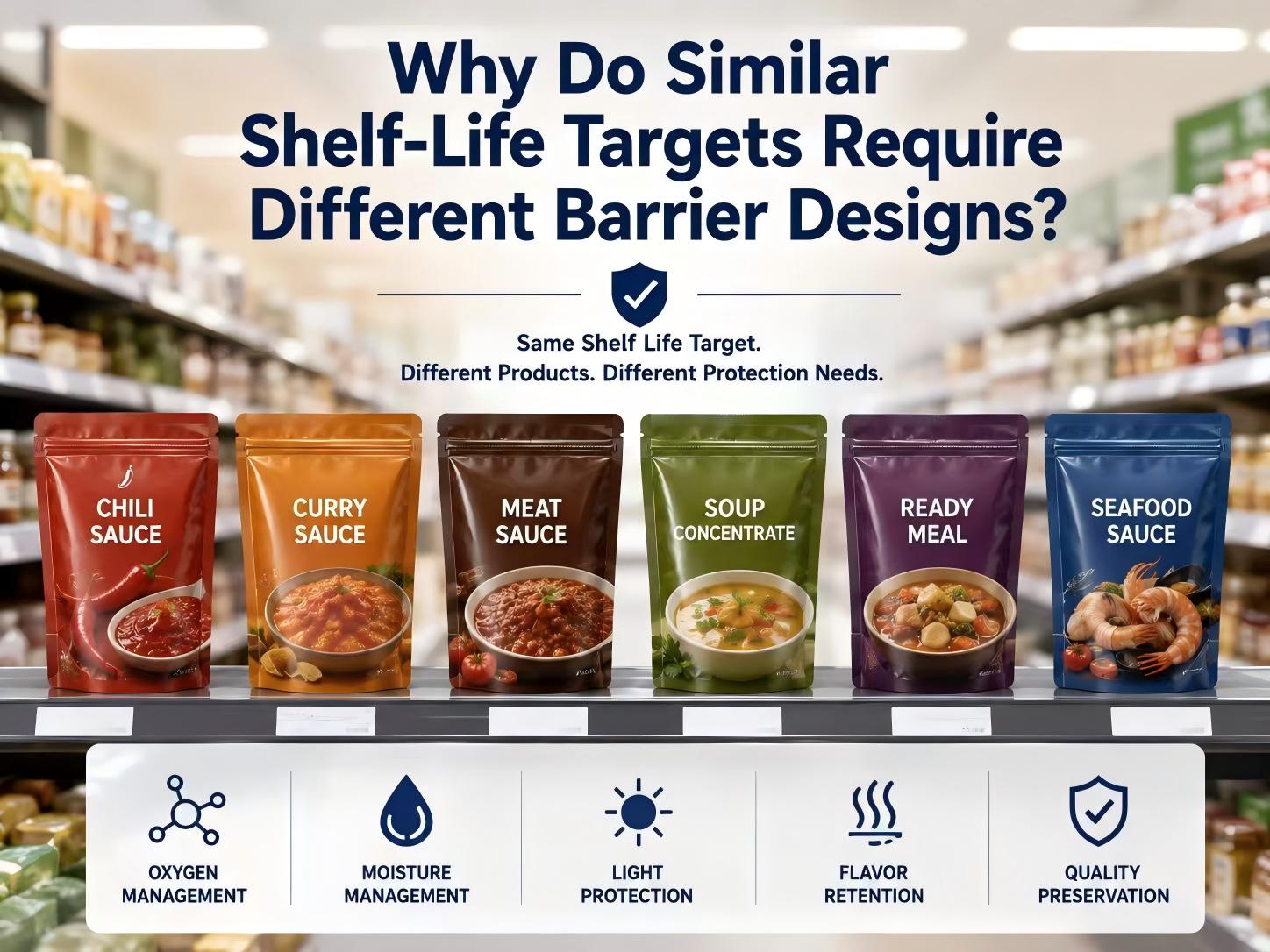
This article explains that food shelf life is extended not by choosing the highest-barrier material alone, but by designing a balanced packaging system that matches the product and its distribution conditions. It highlights key factors such as product formulation, barrier performance, seal integrity, package structure, and logistics, and shows that packaging validation is essential to confirm long-term protection and quality preservation.
Commercial retort sterilization ensures food safety, but shelf-life performance depends on barrier design that protects product quality after processing. Different foods with the same shelf-life target may need different laminates based on oxygen, moisture, light, and flavor sensitivity. Effective packaging engineering balances protection, efficiency, and commercial practicality to preserve color, aroma, texture, and overall consumer experience throughout storage and distribution.
This chapter explains why lamination quality is critical to the long-term reliability of commercial retort packaging. Even when laminate materials are identical, differences in adhesive selection, lamination process, curing conditions, and heat-sealing control can lead to delamination, weaker bond strength, blistering, or inconsistent seals after sterilization and storage. The article emphasizes that stable retort packaging depends on process control as much as material selection, and highlights validation tests such as peel strength, seal strength, vacuum leak testing, burst resistance, and storage monitoring.
This article explains how to select the right retort pouch structure for high-flavor sauce packaging. It emphasizes that there is no universal laminate; instead, engineers choose materials based on product characteristics, processing conditions, distribution needs, and manufacturing compatibility. The piece also outlines the role of each functional layer, including print surface, barrier, reinforcement, and sealant layers, and highlights common structures such as PET/AL/PA/RCPP for retort sauce applications.
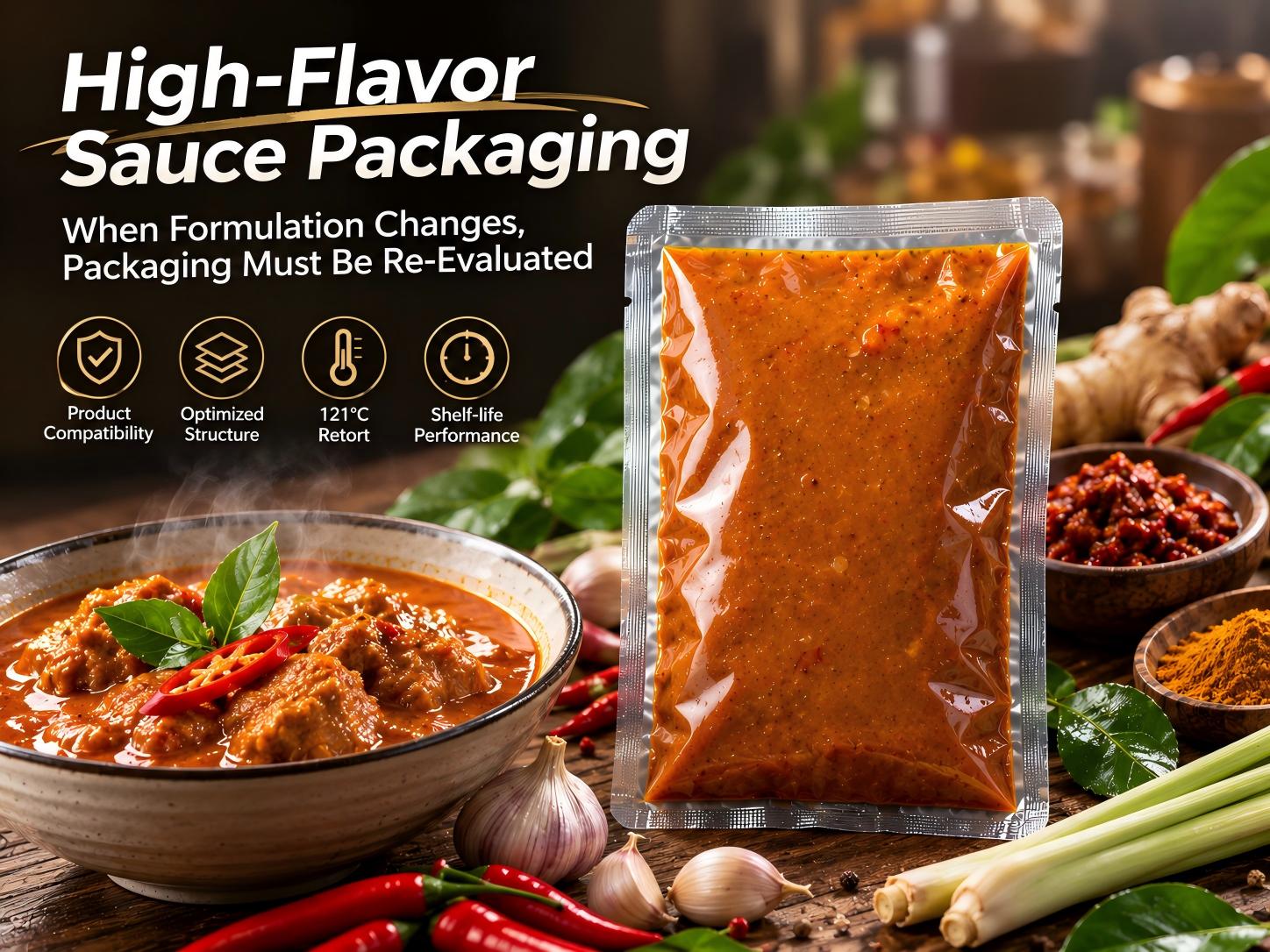
When product formulations change, packaging should be reassessed even if the 121°C commercial sterilization process, equipment, and procedures remain the same. The article points out that formulation adjustments can alter the long-term storage environment of packaging, affecting barrier properties, seal retention, composite film stability, and shelf-life performance. Therefore, every major formulation change should trigger an engineering validation to ensure the packaging remains reliable throughout its entire storage and transportation lifecycle.