


close
Choose Your Site
Global
Social Media
Views: 222 Author: HLun PACK Publish Time: 2026-05-18 Origin: Site


Spot UV coating represents one of the most effective premium finishing techniques in modern packaging production, creating eye-catching contrast through selective application of glossy, ultraviolet-cured varnish on specific design elements. As packaging equipment manufacturers at HLun Pack, we've witnessed firsthand how this technique transforms ordinary printed materials into luxury brand experiences that command attention on retail shelves and drive consumer engagement. [magetop]
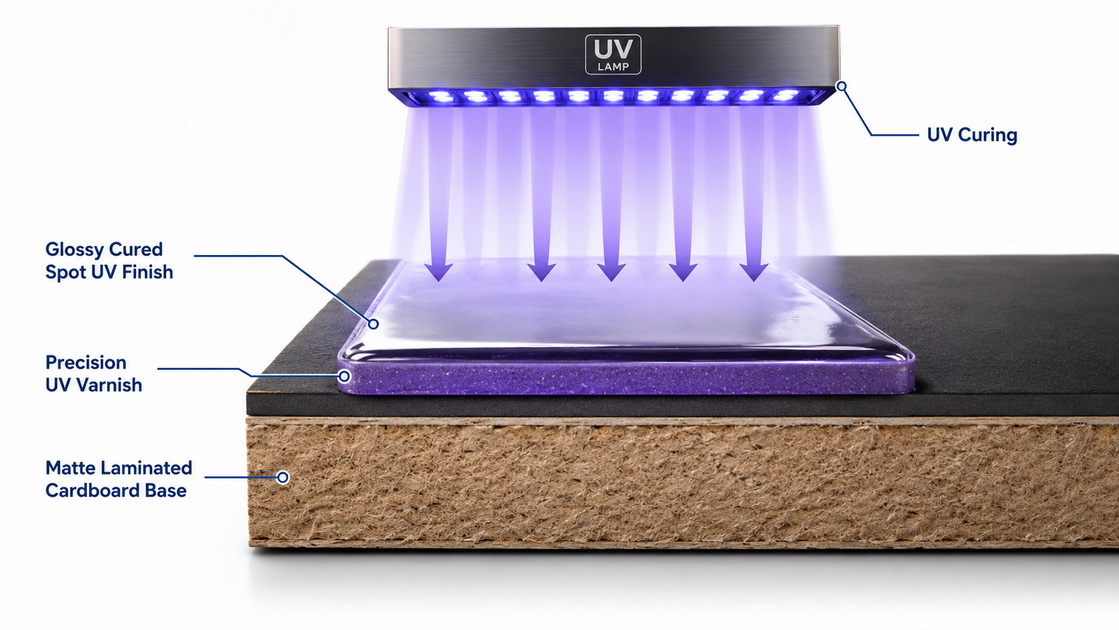
Spot UV refers to the precision application of a transparent, glossy ultraviolet coating to designated areas of printed packaging materials—typically logos, brand names, or key graphic elements—rather than covering the entire surface. Unlike full-coverage UV lamination, this selective coating process creates dramatic visual and tactile contrast, especially when applied over matte or soft-touch base finishes. [gentlever]
The technology works through a chemical curing process where ultraviolet light instantly hardens liquid resin into a durable, high-gloss protective layer. This coating not only enhances visual appeal but also provides functional protection against fingerprints, moisture, and surface abrasion during transport and shelf handling. [gentlever]
The global UV protective coating market demonstrates significant industry growth, valued at USD 4.2 billion in 2024 and projected to reach USD 8.2 billion by 2033, growing at a CAGR of 8.2%. This expansion reflects increasing demand for durable surface protection and premium packaging solutions across multiple sectors. [linkedin]
The coating process begins with creating a mask file—a separate digital layer that precisely identifies where UV coating should be applied. This file must contain only solid black elements (100% K) representing logos, text, or patterns designated for highlighting. Mask files require clean, sharp edges without gradients, shadows, or blurs to ensure precise application. [magetop]
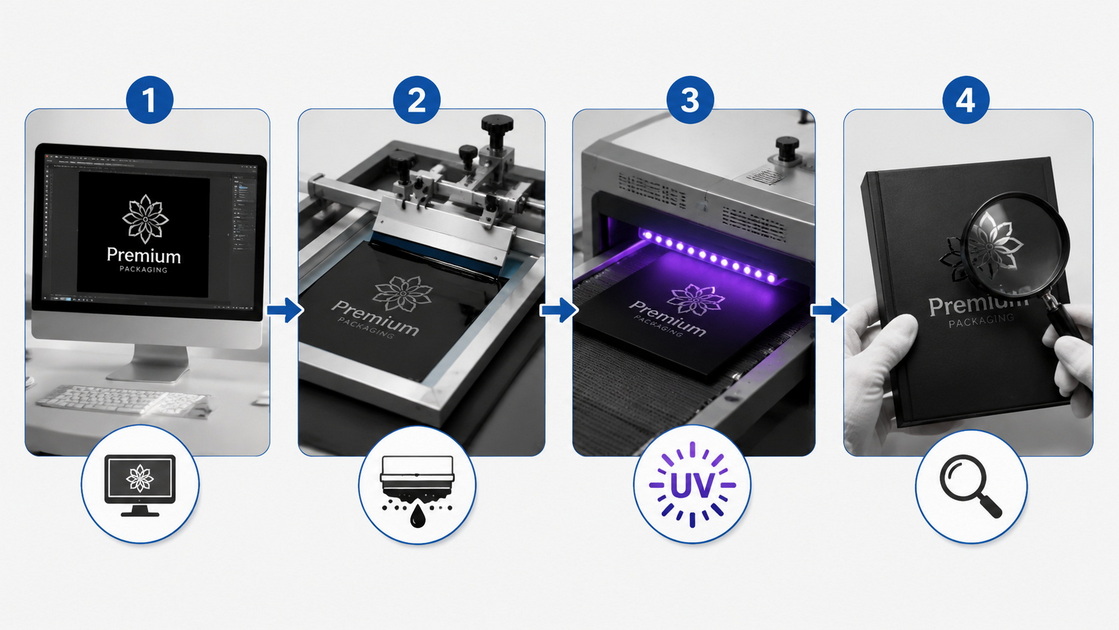
Once the mask file receives approval, a thin layer of UV varnish is applied exclusively to masked areas using screen printing or digital inkjet technology. This selective application distinguishes spot UV from full-surface coating methods and enables the dramatic contrast that defines this finishing technique. [magetop]
Immediately following varnish application, printed sheets pass through high-intensity UV light sources. This ultraviolet exposure triggers instant chemical curing that hardens the resin and creates the characteristic glossy finish. The rapid curing process—taking only seconds—enables remarkably fast production times while achieving exceptional precision. [gentlever]
Final inspection ensures proper coating alignment, consistent gloss levels, and adequate coverage of designated design elements. This quality control step proves particularly critical for packaging applications where structural features require precise coating placement. [gentlever]
Understanding the fundamental differences between these two UV coating methods helps packaging professionals select the optimal finishing technique for specific applications. [prcbookprinting]
Spot UV coating applies glossy finish selectively to chosen elements, creating visual emphasis through gloss-on-matte contrast and distinctive tactile interest. This selective approach highlights specific design features while maintaining textural variety across the printed surface. [magetop]
UV lamination covers the entire surface with protective film, producing uniform sheen and enhanced durability edge-to-edge. While offering consistent protection, full-surface lamination eliminates the opportunity for dramatic contrast and focused visual emphasis that defines spot UV applications. [gentlever]
Cost considerations also differ significantly: spot UV typically requires additional production steps and specialized equipment, increasing per-unit costs compared to full lamination. However, the perceived value and premium positioning often justify this investment for luxury brands and high-end packaging applications. [magetop]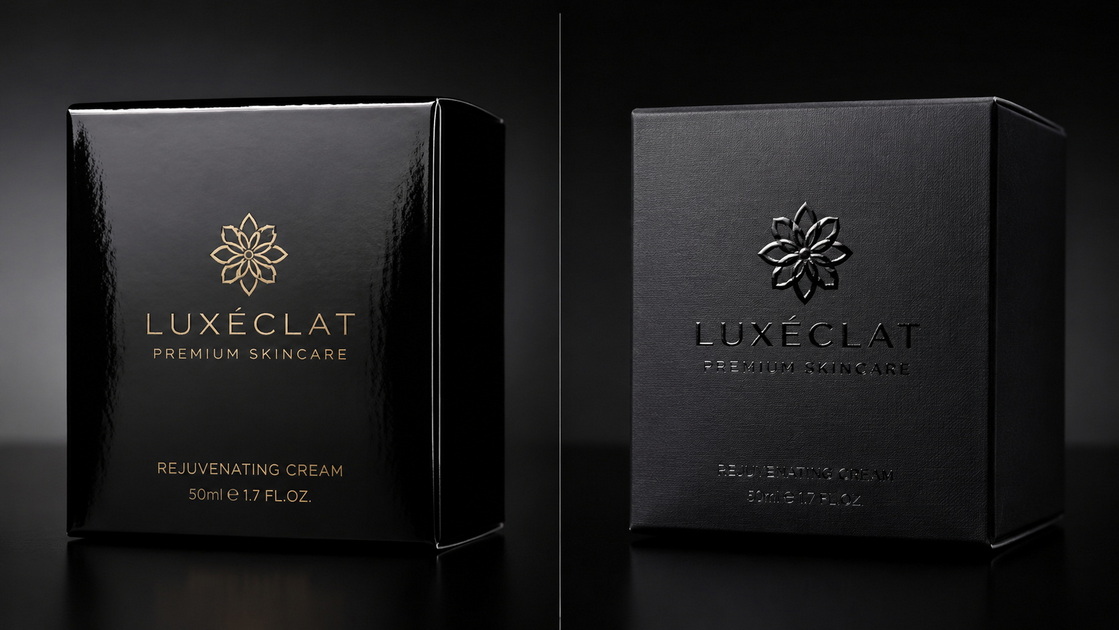
This combination creates striking contrast where glossy UV coating dramatically highlights messages or graphics against soft matte backgrounds, making colors appear richer and deeper. Apple's iPhone packaging exemplifies this approach, featuring a glossed logo on matte laminated backgrounds that reflect the brand's sleek, minimalist design philosophy. [magetop]
For brands seeking high visibility with sophisticated aesthetics, spot UV on matte laminate delivers exceptional shelf impact while maintaining premium positioning. [magetop]
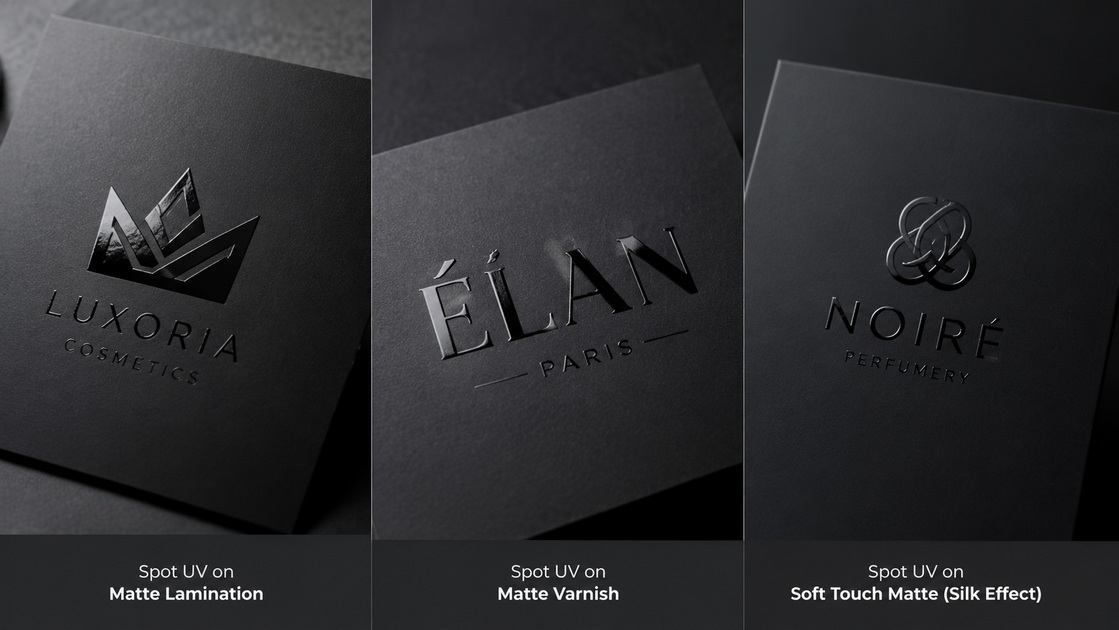
Matte varnish provides smooth, non-glossy surfaces that serve as ideal canvases for spot UV highlights. This pairing proves particularly popular for luxury packaging in jewelry and cosmetics sectors, where sophisticated appearance and protective durability both matter. [magetop]
Glossier's packaging design demonstrates this technique's effectiveness, using spot UV to create minimalist, sophisticated appearances that complement overall brand identity while adding protective layers preventing damage during shipping and handling. [magetop]
Combining spot UV with soft-touch matte finishes—sometimes called silk spot UV—delivers both visual sophistication and enhanced tactile experiences. The velvety texture of soft-touch finishes contrasts beautifully with glossy UV-coated elements, creating multi-sensory brand experiences that engage consumers beyond visual appeal alone. [magetop]
Spot UV coating creates undeniable striking impressions through visible textural contrast that standard coated printing cannot achieve. This dimensional quality helps products command attention in competitive retail environments where shelf visibility directly impacts sales performance. [pakfactory]
UV coatings contain no solvents and release zero volatile organic compounds (VOCs) during curing, making them significantly more environmentally friendly than solvent-based alternatives. For packaging manufacturers facing increasing sustainability requirements, this environmental profile provides important compliance advantages. [magetop]
The extremely fast drying time—often just seconds—ensures quick turnaround and tight lead times. This production efficiency matters particularly for packaging equipment operations where throughput and delivery schedules impact profitability. [magetop]
Beyond aesthetic enhancement, spot UV creates protective barriers against moisture, fingerprints, and surface wear. This functional durability extends packaging lifespan while maintaining visual quality throughout distribution cycles. [gentlever]
The luxurious appearance and tactile engagement of spot UV finishing elevate brand image and create premium positioning that justifies higher price points. Consumer research consistently shows that packaging quality influences perceived product value and purchase decisions. [grandviewresearch]
Spot UV proves versatile across numerous printed product categories, including:
- Business cards and invitation cards requiring professional presentation
- Brochures and marketing flyers demanding visual differentiation
- Postcards and greeting cards benefiting from tactile elements
- Premium card stocks for high-end applications
- Packaging boxes across cosmetics, electronics, and luxury goods sectors [magetop]
The technique works effectively on various paper weights, from heavy card stocks to medium-weight papers. However, very fine or thin papers prove unsuitable for spot UV application due to insufficient structural support for the coating weight. [magetop]
Paper type significantly impacts final results. Uncoated papers and certain plastics may not accept spot UV coating or require special surface preparation. Coated papers and card stocks generally deliver optimal results with strongest contrast and clearest definition. [printing.com]
Spot UV achieves maximum impact when applied selectively to key elements—logos, brand names, or focal design features—rather than scattered broadly across surfaces. Excessive UV coating appears cluttered and dilutes the dramatic contrast that makes this technique effective. [magetop]
Consider target aesthetics carefully: high-gloss finishes create premium luxury appearances, while subtle matte effects offer sophisticated restraint. Match the finish intensity to brand positioning and consumer expectations within specific market segments. [magetop]
Spot UV adds production costs through additional equipment requirements and process steps. Evaluate return on investment by analyzing how premium positioning and increased perceived value justify incremental costs. For luxury brands and high-margin products, this investment typically delivers measurable sales advantages. [grandviewresearch]
The packaging printing market demonstrates robust expansion, projected to grow from USD 417.8 billion in 2024 to USD 615.7 billion by 2030, at a CAGR of 6.8%. Key growth drivers include increasing demand for sustainable packaging, e-commerce sector expansion, printing technology advancements, and rising consumer preferences for visually appealing packaging. [grandviewresearch]
Digital printing, sustainability initiatives, and smart packaging emerge as dominant trends shaping the packaging printing industry through 2026 and beyond. Eco-friendly printing techniques and materials gain adoption as sustainability concerns intensify across global markets. [towardspackaging]
UV-curable coatings specifically show strong growth trajectories, with the segment valued at USD 7.0 billion in 2023 and expected to grow 5.0-7.0% annually through 2030. This growth reflects technological advancements in UV-resistant formulations and rising regulatory standards for environmental safety and sustainability. [wifitalents]
At HLun Pack, our experience manufacturing packaging equipment for paper packaging applications provides practical insights for optimizing spot UV implementation:
Precision Equipment Calibration: Maintaining tight tolerances between mask files and physical coating application prevents misalignment that compromises visual quality. Regular calibration ensures consistent results across production runs. [gentlever]
Material Testing Protocols: Conduct sample testing on actual substrate materials before full production runs to verify coating adhesion, gloss levels, and curing effectiveness. Different paper stocks and coatings require adjusted parameters for optimal results. [magetop]
Quality Control Integration: Implement visual and tactile inspection protocols at multiple production stages to catch coating defects, incomplete curing, or alignment issues before they impact larger batches. [gentlever]
Client Education: Help customers understand design requirements—especially mask file specifications—to prevent production delays and ensure final results match expectations. Clear communication about material limitations and design constraints improves project outcomes. [magetop]
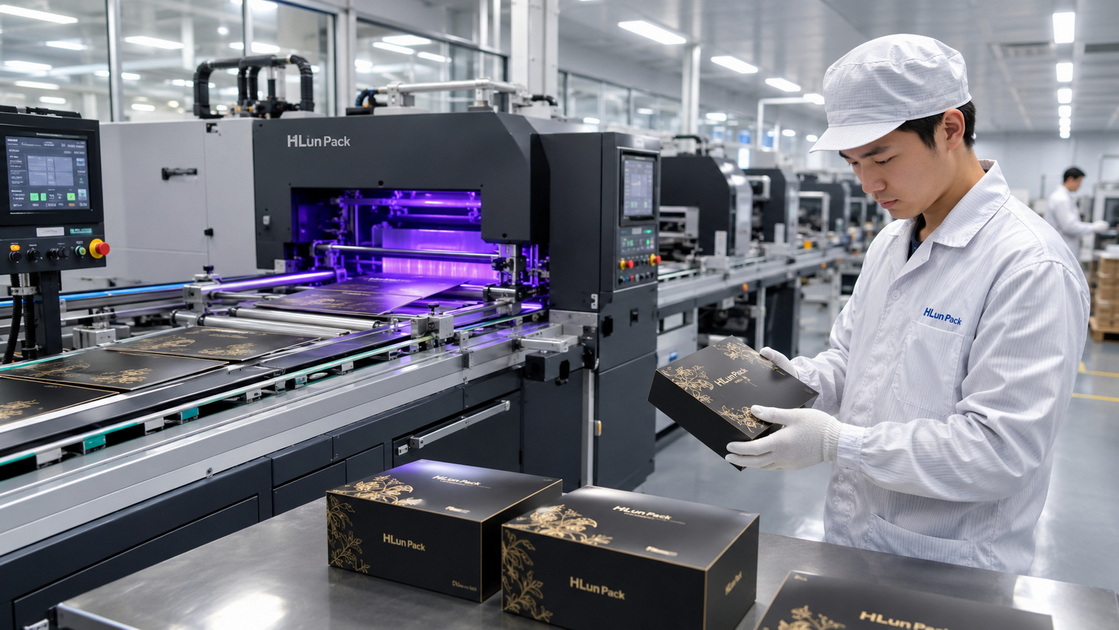
Emerging developments in UV coating technology focus on enhanced sustainability, expanded material compatibility, and integration with digital printing systems. Hybrid printing approaches combining traditional offset with digital spot UV application enable shorter runs and greater design customization without sacrificing quality or efficiency. [towardspackaging]
Smart packaging integration represents another frontier, where UV-coated elements incorporate functional features like temperature indicators, authentication markers, or interactive elements that enhance consumer engagement beyond traditional aesthetic applications. [towardspackaging]
Spot UV coating delivers measurable value for packaging manufacturers and brands seeking premium differentiation in competitive markets. The technique combines aesthetic enhancement with functional protection, creating multi-sensory brand experiences that drive consumer engagement and justify premium positioning. As sustainability requirements intensify and e-commerce growth accelerates demand for distinctive packaging, spot UV coating technology continues evolving to meet changing market needs while maintaining the dramatic visual impact and tactile sophistication that define this finishing method.
Q1: What is the primary difference between spot UV and full UV coating?
Spot UV applies glossy coating selectively to specific design elements like logos or text, creating dramatic contrast with uncoated areas, while full UV coating covers the entire surface uniformly. Spot UV emphasizes chosen features through textural variation, whereas full coating provides consistent protection and sheen across all printed areas. [gentlever]
Q2: Can spot UV coating be applied to any type of paper or packaging material?
Spot UV works best on coated papers and medium to heavy card stocks. Uncoated papers and certain plastics may not accept the coating properly or require special surface preparation. Very thin or fine papers lack sufficient structural support for the coating weight and should be avoided. [magetop]
Q3: How does spot UV coating contribute to environmental sustainability?
UV coatings contain zero solvents and release no volatile organic compounds (VOCs) during the curing process. This makes spot UV significantly more environmentally friendly than traditional solvent-based coating alternatives, helping packaging manufacturers meet increasingly stringent sustainability requirements. [magetop]
Q4: What industries benefit most from spot UV packaging finishing?
Luxury goods sectors including cosmetics, jewelry, premium electronics, and high-end consumer products benefit most from spot UV finishing. Any industry where premium brand positioning, shelf impact, and perceived product value matter can leverage spot UV effectively to differentiate products and justify higher price points. [grandviewresearch]
Q5: How much does spot UV coating typically add to packaging production costs?
Spot UV adds incremental costs through additional process steps, specialized equipment requirements, and mask file preparation. While specific costs vary based on project complexity and production volume, the investment typically proves justified for premium products where enhanced perceived value and brand differentiation drive measurable sales advantages. [magetop]
PakFactory. (2022). "What is Spot UV Printing?" Retrieved from https://pakfactory.com/blog/learn/what-is-spot-uv/
Gentlever. (2025). "Spot UV Printing Guide: Coating & Finishes for Packaging." Retrieved from https://gentlever.com/spot-uv-for-custom-packaging/
Printing.com.sg. (2026). "Finishing Options Explained (Lamination, Spot UV, Foil Stamping, etc.)." Retrieved from https://www.printing.com.sg/knowledge-base/finishing-options-explained-lamination-spot-uv-foil-stamping-etc/
LinkedIn. (2026). "UV Protective Coating Market Size, Trends, 2026-2033 Forecast." Retrieved from https://www.linkedin.com/pulse/uv-protective-coating-market-size-trends-2026-2033-jxdzf
Towards Packaging. (2026). "Packaging Printing Market Size and Trends 2035." Retrieved from https://www.towardspackaging.com/insights/packaging-printing-market-sizing
WifiTalents. (2026). "50+ UV Curing Industry Statistics | Verified 2026 Data." Retrieved from https://wifitalents.com/uv-curing-industry-statistics/
Grand View Research. (2024). "Packaging Printing Market Size, Share | Industry Report, 2030." Retrieved from https://www.grandviewresearch.com/industry-analysis/packaging-printing-market-report
PakFactory. "Spot Gloss UV." Retrieved from https://pakfactory.com/spot-gloss-uv.html
PRC Book Printing. (2025). "Lamination vs. Spot UV Coating: Which is Best for Your Book?" Retrieved from https://prcbookprinting.com/lamination-vs-spot-uv-coating/
WG Content. (2025). "E-E-A-T for Content Quality | WG Content." Retrieved from https://wgcontent.com/blog/eeat-content-quality-seo-geo/


