


close
Choose Your Site
Global
Social Media
Views: 222 Author: HLun PACK Publish Time: 2026-05-19 Origin: Site


UV (ultraviolet) coating has transformed how paper packaging manufacturers protect and enhance their products, combining superior durability with visual excellence. As a packaging equipment manufacturer specializing in paper packaging solutions at HLun Pack, we've witnessed how this finishing technique delivers measurable value across food, cosmetics, e-commerce, and luxury goods sectors. This technology applies a liquid resin-based compound to printed substrates and cures it instantly using UV light, creating a protective layer that extends packaging lifespan while elevating brand presentation. [epackprinting]
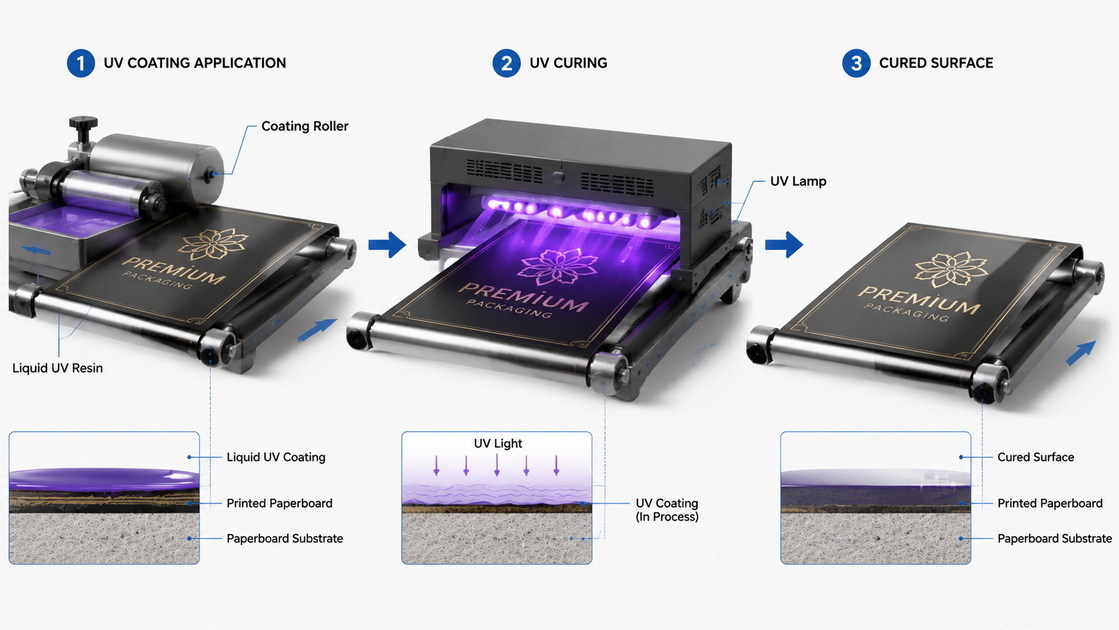
The UV coating process represents a significant advancement over traditional solvent-based finishes, operating through photopolymerization rather than heat evaporation. The liquid compound contains carefully balanced ingredients including calcium carbonate for opacity control, kaolinite for surface smoothness, polyethylene for flexibility, and specialized photoinitiators that react when exposed to ultraviolet wavelengths. When UV lamps emit light at wavelengths between 200-400 nanometers, these photoinitiators trigger instantaneous cross-linking reactions that transform the liquid coating into a solid, protective film within 2-3 seconds. [jltlaminating]
Packaging manufacturers employ three primary application techniques depending on production volume and coating requirements. Roller coating uses precision-ground steel rollers to apply uniform layers across flood coating applications, ideal for high-speed operations processing over 10,000 sheets per hour. Screen printing application allows for thicker coating deposits and selective spot UV applications, particularly valuable for creating tactile effects on luxury packaging. Offset printing integration enables in-line UV coating application immediately following the printing process, reducing handling and production time by up to 40% compared to offline coating operations. [tapematic]
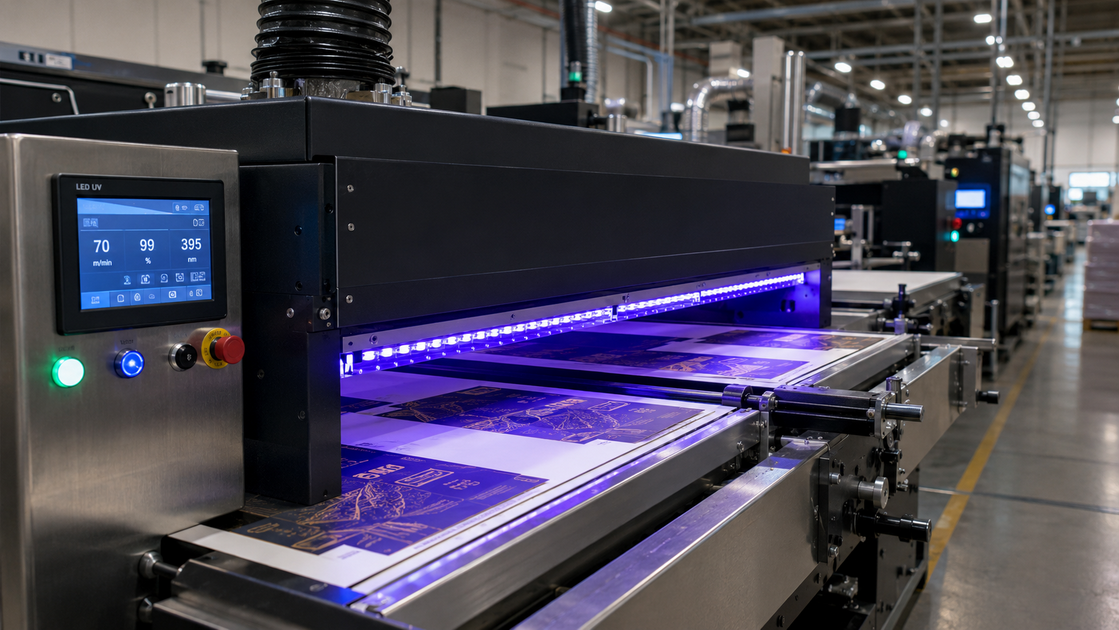
After application, coated materials pass through UV curing units equipped with medium-pressure mercury lamps or LED UV systems. LED UV technology has gained significant traction in 2026, reducing energy consumption by 75% compared to conventional mercury systems while extending lamp life from 1,000 to over 20,000 hours. This transition not only lowers operational costs but also eliminates mercury-related environmental and safety concerns that have historically challenged the coating industry. [intelmarketresearch]
Gloss UV coating delivers the highest reflectivity among all finishing options, with gloss measurements typically exceeding 90 gloss units on standardized testing. This finish amplifies color saturation and creates depth that makes packaging graphics appear more vibrant and three-dimensional. Luxury cosmetics brands frequently specify gloss UV for product boxes because it conveys premium quality and protects delicate printed inks from scuffing during retail handling. However, excessive gloss on large surface areas can create readability challenges under retail lighting, which is why experienced packaging designers often reserve full gloss UV for accent areas while using matte or satin finishes for text-heavy surfaces. [oxopackaging]
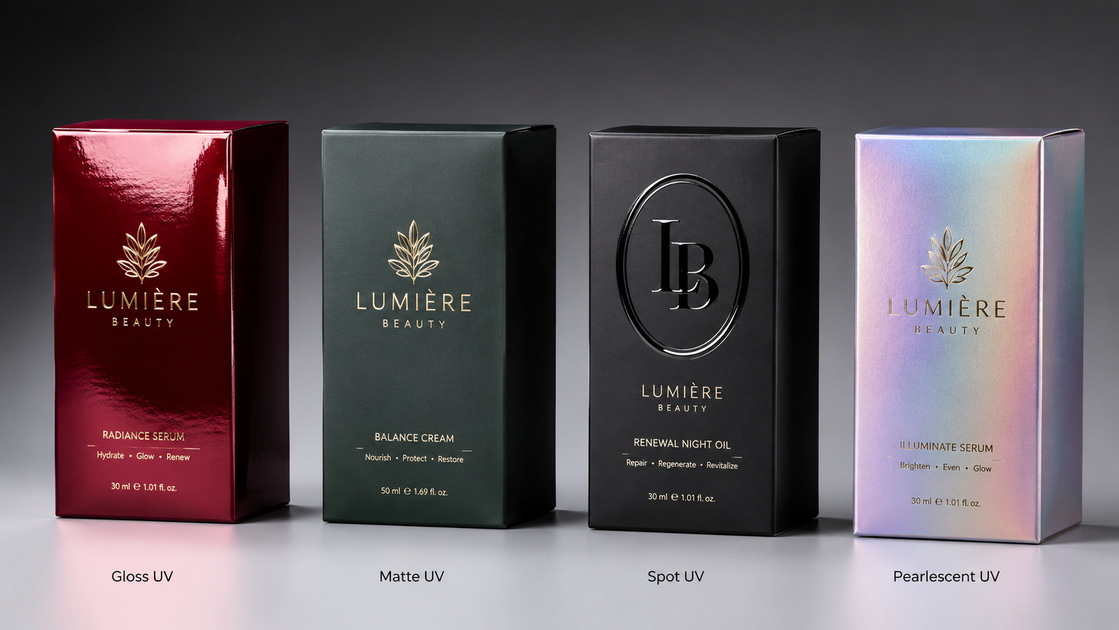
Matte UV coating creates a smooth, non-reflective surface that projects understated luxury and sophistication. This finish has experienced growing adoption in premium spirits packaging, artisanal food products, and high-end fashion packaging where tactile experience matters as much as visual presentation. The matte surface scatters light diffusely rather than reflecting it directly, reducing glare and improving text legibility under various lighting conditions. One limitation packaging designers must consider is that matte UV surfaces show fingerprints more readily than gloss finishes, making them less suitable for frequently-handled products or packaging requiring extensive consumer interaction before purchase. [hbfuller]
Pearlescent UV coating incorporates metallic flecks or interference pigments that create color-shifting iridescent effects as viewing angles change. This coating type has become particularly popular in cosmetics and personal care packaging, where the dynamic visual effect communicates innovation and premium positioning on crowded retail shelves. Orange Peel UV combines raised coating thickness with textured surfaces that create unique tactile experiences, engaging consumers through touch in addition to sight. Soft-touch UV delivers a velvety, suede-like surface that feels warm and inviting, though it typically adds 15-25% to coating costs compared to standard gloss or matte options. [enkipack]
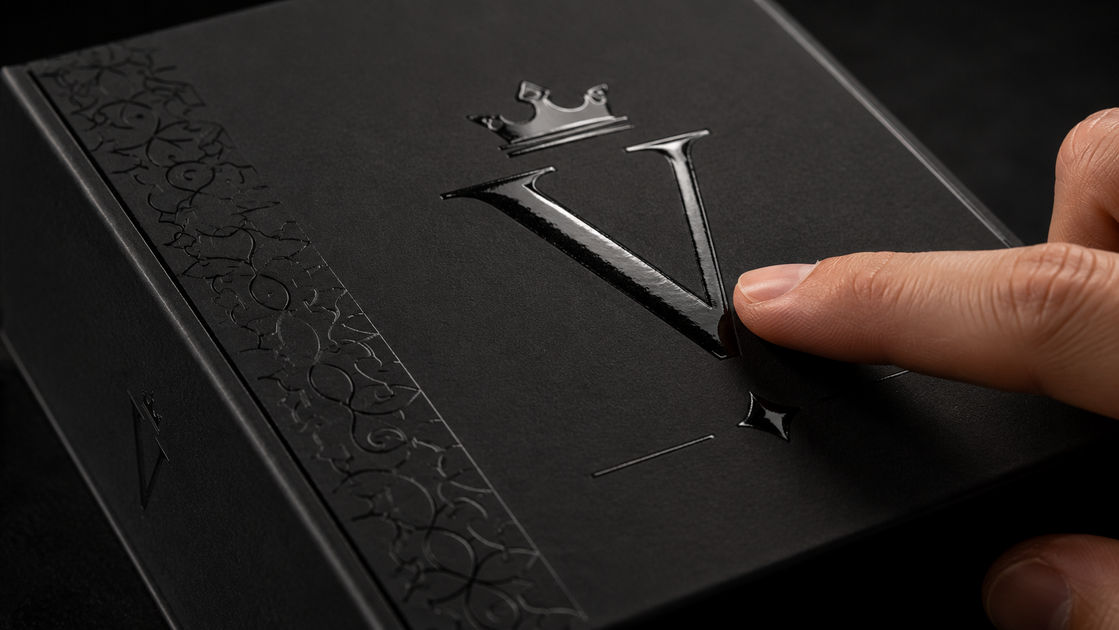
Spot UV printing applies the same photoinitiator-based compounds as full-coverage UV but limits application to specific design elements such as logos, product names, or key graphic features. This selective application creates dimensional contrast between coated and uncoated areas, directing consumer attention to the most important brand messaging elements. Research in visual perception demonstrates that human eyes naturally track to areas of higher reflectivity and contrast, making spot UV an effective tool for guiding the consumer's visual journey across packaging surfaces. [heyijiapack]
From a production standpoint, spot UV requires additional setup including screen preparation or flexographic plate creation, which makes it most cost-effective for medium to large production runs exceeding 5,000 units. The coating thickness in spot UV applications typically ranges from 15-25 microns compared to 5-10 microns for flood coating, creating measurable height differences that consumers can feel when handling the package. This tactile dimension adds a multi-sensory element that strengthens brand recall and perceived quality, particularly important for products in competitive categories where packaging differentiation influences purchase decisions. [pressmanacademy.wordpress]
UV coatings create chemical-resistant barriers that protect packaging from oils, alcohols, weak acids, and many solvents commonly encountered in warehousing and distribution environments. In controlled testing, UV-coated paperboard demonstrates 3-5 times greater abrasion resistance compared to uncoated alternatives, significantly reducing the incidence of scuffing and edge wear during shipping. E-commerce packaging has particularly benefited from this protection, as direct-to-consumer shipments undergo more handling touchpoints than traditional retail distribution channels. [epackprinting]
The water-resistant properties of cured UV coatings provide critical protection against humidity and incidental moisture exposure. While UV coating does not create a complete moisture barrier equivalent to lamination films, it substantially reduces water absorption rates and prevents print ink bleeding when packaging encounters condensation or brief water contact. This protection has proven especially valuable for refrigerated food packaging and products shipped in temperature-variable conditions where condensation risk exists. [bioresources.cnr.ncsu]
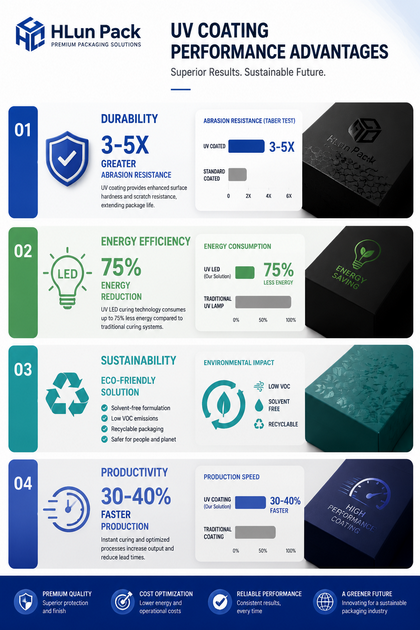
UV coating technology contains minimal to zero volatile organic compounds (VOCs) because the curing mechanism relies on photopolymerization rather than solvent evaporation. This solvent-free composition makes UV coating facilities exempt from many air quality regulations that apply to traditional solvent-based coating operations, reducing compliance costs and permitting complexity. The rapid curing process eliminates the need for long drying ovens, reducing facility space requirements by 30-50% and lowering energy consumption by up to 75% compared to conventional heat-drying methods. [oxopackaging]
Paper and paperboard products with UV coating remain recyclable in most municipal recycling streams, as modern deinking processes effectively separate cured UV compounds during the pulping process. This recyclability advantage has become increasingly important as brands face mounting pressure from both regulatory bodies and environmentally-conscious consumers to reduce packaging waste. The instant curing of UV coatings also enables faster production cycles, with many packaging manufacturers reporting 30-40% productivity increases after integrating in-line UV coating capabilities into their printing operations. [hbfuller]
UV coating performs optimally on heavier paper stocks with basis weights exceeding 200 gsm, including rigid setup boxes, folding cartons, and corrugated packaging materials. The coating adheres most reliably to coated paper stocks with smooth, sized surfaces that provide uniform wettability. Uncoated or highly absorbent substrates may require primer application or increased coating weights to achieve proper surface coverage and gloss development. [pffc-online]
Ink compatibility represents a critical quality control checkpoint in UV coating operations. Conventional offset inks containing paraffin waxes, silicone additives, or Teflon slip agents can interfere with UV coating adhesion, creating delamination risks or inconsistent gloss development. Packaging manufacturers should specify low-migration, UV-coating-compatible inks and allow adequate ink drying time before coating application to ensure proper intercoat adhesion. Ink oxidation and chemical curing must reach at least 80% completion before UV coating application to prevent coating defects and adhesion failures. [pressmanacademy.wordpress]
Coating weight control directly impacts both appearance and cost efficiency, with optimal application rates typically ranging from 4-8 grams per square meter for flood coating applications. Excessive coating weights increase material costs without proportional quality improvements and can cause coating tackiness or incomplete curing in production environments with inadequate UV lamp intensity. Insufficient coating weights result in poor coverage, reduced durability, and inconsistent gloss development across the coated surface. [pffc-online]
UV lamp intensity and spectrum must be matched to the photoinitiator chemistry in the coating formulation, with most commercial formulations requiring minimum energy densities of 200-400 millijoules per square centimeter for complete cure. Regular lamp maintenance and output monitoring prevent common curing defects including surface tackiness, incomplete polymerization, and coating yellowing over time. Many advanced UV coating systems now incorporate inline quality monitoring using gloss meters and cure verification sensors that provide real-time feedback for process optimization. [tapematic]
Certain Pantone Matching System (PMS) colors can experience chemical reactions when UV coating is applied directly over them, a phenomenon known as chemical burning. This reaction typically affects colors containing high concentrations of metallic or fluorescent pigments, causing color shifting, yellowing, or loss of vibrancy. Experienced packaging designers mitigate this risk by conducting coating trials on production inks before committing to large print runs, or by specifying intermediate barrier coatings between problematic ink colors and the final UV topcoat. [epackprinting]
UV coating materials typically cost 2-3 times more per kilogram than conventional aqueous coatings, though the actual cost impact per package unit often remains modest due to the thin application rates required. The instant curing capability and resulting productivity gains frequently offset the higher material costs, particularly in high-volume production environments where quick turnarounds and reduced work-in-process inventory deliver significant operational value. For short-run or highly customized packaging projects, the additional press setup requirements for spot UV applications may make simpler finishing alternatives more cost-effective. [enkipack]
From an ROI perspective, UV coating reduces product damage during distribution, minimizes packaging waste from scuffed or damaged units, and enhances brand perception through superior visual presentation. Companies implementing UV coating often report 15-30% reductions in packaging-related customer complaints and returns, particularly valuable for e-commerce applications where packaging serves as the primary brand touchpoint. [hollandcolours]
The packaging coating market is experiencing robust growth with a compound annual growth rate of 5.6% projected through 2033, driven by e-commerce expansion, sustainability requirements, and demand for premium packaging differentiation. LED UV curing technology has moved from specialized applications to mainstream adoption, with over 60% of new UV coating equipment installations in 2026 specifying LED systems due to their energy efficiency, reduced heat output, and elimination of mercury-containing components. [linkedin]
Paper-based flexible packaging represents an emerging opportunity for UV coating application, as brands seek alternatives to multi-layer plastic films that lack recyclability. Advanced UV coating formulations now deliver barrier properties sufficient for many food packaging applications, supporting the industry transition toward fiber-based sustainable packaging solutions that align with circular economy principles. Digital printing integration with UV coating has accelerated, enabling economical short-run packaging production with full UV protection and premium finishing previously available only for large volume orders. [hbfuller]
Functional coating developments extend UV technology beyond decorative applications into active packaging roles, with UV-cured antimicrobial coatings, oxygen barrier coatings, and light-protective formulations entering commercial production. These innovations position UV coating as both a finishing process and a functional packaging component that extends product shelf life and reduces food waste throughout the supply chain. [hollandcolours]
Packaging manufacturers considering UV coating integration should begin by defining specific objectives including protection requirements, aesthetic goals, budget parameters, and production volume expectations. Working with experienced coating equipment suppliers and conducting production trials ensures that coating formulations, application methods, and curing parameters align with your substrate characteristics and quality standards. [pressmanacademy.wordpress]
For brands developing new packaging designs, early collaboration between graphic designers, structural packaging engineers, and coating specialists optimizes the integration of UV coating into the overall package architecture. This collaborative approach prevents common issues including coating adhesion failures, unintended visual effects, and post-printing processing challenges that can compromise package quality or increase production costs. [tapematic]
1. What is the difference between UV coating and lamination?
UV coating applies a thin liquid layer cured by ultraviolet light directly onto printed substrates, creating a 5-25 micron protective finish that remains recyclable with paper. Lamination bonds a separate plastic film to the substrate surface, creating a thicker moisture barrier but preventing paper recycling and increasing material costs by 40-60%. UV coating offers faster production, better sustainability, and lower costs, while lamination provides superior moisture protection for applications requiring complete water resistance. [epackprinting]
2. Can UV coating be applied to all types of paper packaging?
UV coating works best on heavier coated paper stocks with basis weights above 200 gsm, including rigid boxes, folding cartons, and corrugated materials. Uncoated, highly absorbent, or low-weight papers may require primer treatments or modified coating formulations to achieve proper adhesion and appearance. Consultation with coating specialists helps determine substrate compatibility and any necessary preparation steps before production. [pressmanacademy.wordpress]
3. How does UV coating impact packaging recyclability?
Paper and paperboard with UV coating remain recyclable in most municipal systems because modern deinking processes effectively separate cured UV polymers during repulping operations. Unlike plastic lamination films that must be removed or prevent recycling entirely, UV coatings break down during the recycling process without contaminating recovered fiber. This recyclability advantage makes UV coating the preferred choice for brands pursuing sustainable packaging strategies. [oxopackaging]
4. What is the typical cost increase for adding UV coating to packaging?
UV coating material costs run 2-3 times higher than aqueous coatings per kilogram, but actual per-unit impact typically adds only 5-15% to total packaging costs due to thin application rates. Spot UV applications require additional setup including screen or plate preparation, making them most economical for runs exceeding 5,000 units. The productivity gains from instant curing and reduced waste often offset material cost increases, particularly in high-volume production environments. [pffc-online]
5. How long does UV coating last on packaging during storage and use?
Properly cured UV coatings provide durable protection throughout typical packaging lifecycles, with scuff resistance 3-5 times greater than uncoated alternatives. The coating resists fading, yellowing, and degradation for 12-24 months under normal warehousing conditions, protecting packaging through manufacturing, distribution, retail display, and consumer use. Specialized UV formulations with enhanced light stabilizers extend this protection for products requiring longer shelf life or outdoor exposure. [tapematic]
Pakfactory Blog - What is UV Coating in Packaging?
H.B. Fuller - Flexible Packaging Trends for 2026
Pressman Academy - General Guidelines for UV Coating Applications
Heyijia Pack - UV Spot Coating in Packaging
Tapematic - UV Coating Guide for Packaging Manufacturers
OXO Packaging - The Importance of UV Coating in Printing
Jialite - Advancements in UV Coating for Sustainable Packaging
Holland Colours - The Science of UV Protection in Packaging (PDF)
PFFC Online - Coating Control, Quality & Paperboard Packaging
Enki Pack - The Power of UV Coating in Skincare Packaging
Intel Market Research - Commercial UV Coatings Market Outlook 2025-2032
ePack Printing - The Ultimate Guide to UV Coating Benefits and Applications


