


close
Choose Your Site
Global
Social Media
Views: 222 Author: Amanda Publish Time: 2026-02-19 Origin: Site


Content Menu
● Embossing vs Debossing: The Core Difference
● Why Embossing and Debossing Matter for Packaging
>> Key Benefits
● Common Applications in Packaging
● Die Materials for Embossing and Debossing
● Die Types: How Depth and Shape Are Created
● Embossing and Debossing Styles
● The Embossing Process: Step-by-Step
● The Debossing Process: Step-by-Step
● Embossing vs Debossing: How to Choose for Your Brand
● Combining Embossing with Other Finishes
● Practical Design Tips for Embossed and Debossed Packaging
● When Embossing and Debossing Deliver the Best ROI
● Take the Next Step: Turn Your Tactile Vision into Reality
● FAQs About Embossing and Debossing in Packaging
>> 1. Is embossing or debossing more expensive?
>> 2. Can embossing and debossing be done on eco-friendly materials?
>> 3. Does embossing affect the inside of a folding carton?
>> 4. Can I combine foil stamping with embossing on the same design?
>> 5. What file format do I need to prepare for embossing or debossing?
Embossing and debossing are premium packaging finishes that transform flat materials into tactile, three-dimensional surfaces that elevate brand perception and customer experience. In modern packaging, these techniques are widely used on folding cartons, rigid boxes, labels, and printed collateral to highlight logos, key messages, and design elements.

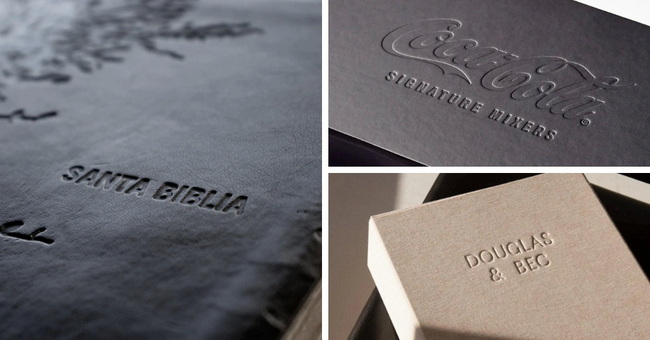
Embossing and debossing work in opposite directions but share the same goal: creating depth and texture on your packaging surface.
- Embossing: Raises your design above the material surface, creating a lifted or 3D effect that literally pops out.
- Debossing: Pushes your design into the material, forming a recessed impression that feels carved into the substrate.
Both finishes rely on a custom metal die, pressure, and often heat to reshape the packaging substrate into a three-dimensional design that customers can see and feel.
Embossing and debossing are not just decorative; they are strategic tools for brand differentiation and perceived value in competitive retail environments.
- Premium brand perception
The added dimension and texture immediately signal quality, craftsmanship, and attention to detail, especially for cosmetics, electronics, wine, and luxury gift packaging.
- Stronger shelf impact
Raised or recessed areas catch light and shadow differently, helping your logo or key elements stand out on crowded shelves and in e-commerce photography.
- Tactile engagement
Texture invites touch, and touch creates memory; embossed and debossed packaging turns a simple box into a multisensory experience customers remember.
- Highlighting critical information
Brand marks, product names, or certifications can be emphasized without adding extra ink coverage, keeping designs clean but highly visible.
- Durability and longevity
Because the shape is pressed into the material, the effect is durable and holds up through handling, shipping, and repeated use.
Embossing and debossing are versatile and can be applied across multiple packaging formats.
- Folding cartons for premium retail products
- Rigid setup boxes for electronics, jewelry, and gift sets
- Corrugated boxes for high-end shipping and subscription packaging
- Labels for wine, spirits, gourmet foods, and cosmetics
- Marketing inserts, certificates, and branded stationery
Example:A fragrance brand may emboss its logo on a rigid setup box while debossing a subtle pattern into the background, creating a layered, luxurious appearance.
The choice of die metal directly impacts cost, detail, and lifespan.
- Magnesium dies
Cost-effective, suitable for short runs and single-level designs, but softer and more prone to wear.
- Copper dies
Harder and more durable than magnesium, good for single-level effects requiring better longevity and definition.
- Brass dies
The most durable and precise option, ideal for multi-level, sculpted, and highly detailed artwork where fine depth control is critical.
For brands planning frequent reorders or multi-sku programs, investing in brass dies can deliver better consistency and long-term cost efficiency.
Different die types create distinct visual and tactile effects on packaging.
- Single-level die
One uniform depth across the design; cost-effective and widely used for logos and simple shapes.
- Multi-level die
Multiple height levels within the same design for more dynamic, sculptural effects and complex visuals.
- Bevel-edge die
Adds angled edges around the design, preventing cuts in deeper impressions and adding a faceted appearance.
- Chisel die
V-shaped profile commonly used for debossing, creating sharp, engraved-like lines ideal for typography.
- Textured die
Adds patterns or grain to the embossed area, enhancing grip and visual richness for backgrounds and large surfaces.
- Rounded die
Soft, curved edges often used for logotypes and icons where a smoother, more organic feel is desired.
- Sculptured die
Custom, hand-sculpted dies that create highly realistic, three-dimensional images; best for flagship or hero packaging lines.
Beyond die type, “style” describes how the effect interacts with ink, foil, and other finishes.
- Blind embossing / debossing
No ink or foil; relies purely on the raised or recessed surface to define the design, ideal for minimalist and subtle luxury looks.
- Registered embossing
Aligns the emboss with printed ink or foil elements to add dimension to logos, lettering, or imagery.
- Combination (foil + emboss)
Combines hot foil stamping and embossing in one pass, producing highly reflective, three-dimensional brand marks particularly suitable for premium categories.
These styles can be layered with coatings such as matte lamination or spot UV to create richer contrasts in gloss, texture, and depth.
While equipment and scale vary, the core embossing workflow is relatively consistent across packaging projects.
- Design preparation
Artwork is prepared with clearly indicated emboss areas, often on a separate layer or dieline in your design file.
- Die manufacturing
A metal die (and in many cases a matching counter-die) is produced in magnesium, copper, or brass using CNC engraving, etching, or hand sculpting.
- Press setup
The male and female dies are registered on the embossing or stamping press, with careful alignment to the printed sheet or unprinted substrate.
- Embossing run
The substrate is fed between the dies, which apply pressure and often controlled heat to reshape the material into the raised design.
- Quality control
Operators check for consistent depth, sharpness, registration, and absence of cracking or warping across the run.

Debossing follows similar principles but inverts the direction of the impression.
- Digital design and dieline
Designers specify deboss zones and depth, often for logos, borders, or pattern fills.
- Die creation
A die with raised elements is crafted; in some setups, a counter-die is used to support the back of the material.
- Substrate positioning
The packaging material (paperboard, rigid wrap, or label stock) is placed flat on the press.
- Pressure application
The die is pressed into the top surface, pushing the design into the material to form a crisp recessed pattern.
- Finishing options
The recessed area can remain unprinted for a subtle effect, or be combined with ink or foil to create stronger contrast.
The best technique depends on your material, printing strategy, and brand personality.
Decision factor | Embossing recommendation | Debossing recommendation |
Brand personality | Expressive, bold, high-impact visuals | Minimalist, understated, refined aesthetics |
Material thickness | Rigid boxes, medium-weight boards where back impression is acceptable | Soft-touch wraps, dark boards, or where back impact is visible |
Key application | Logos, seals, hero icons | Fine typography, patterns, borders |
Desired tactile feel | Elevated, prominent, “pop-out” texture | Engraved, carved, subtle indentation |
Budget and die investment | Single-level, smaller areas for cost control | Works well with single-level dies for cost-efficient accents |
A practical approach for many brands is to combine both techniques across different SKUs or brand tiers, using embossing on flagship lines and debossing for more minimalist or secondary ranges.
Embossing and debossing become even more powerful when paired with complementary finishes.
- Hot foil stamping
Metallic gold, silver, or colored foils add brilliance and contrast, especially when combined with multi-level embossing.
- Spot UV coating
High-gloss UV on selected areas, combined with embossing, enhances light reflection and perceived depth on matte backgrounds.
- Soft-touch or matte lamination
A velvety laminate contrasted with a sharply embossed or debossed logo creates a distinct tactile hierarchy that feels particularly premium.
- Specialty substrates
Textured papers, recycled boards, and kraft stocks can amplify the sensory impact and reinforce sustainability narratives.
Good results start with design decisions that respect both aesthetics and production constraints.
- Respect minimum line weights and spacing
Very thin lines or overly tight details may fill in or lose definition when embossed or debossed; your supplier can provide technical minimums.
- Avoid over-crowding
Limit embossing and debossing to a few strategic elements, such as the logo, name, or a hero icon, to avoid visual noise and keep costs manageable.
- Consider back-side show-through
For lighter boards, embossing can visibly alter the back surface, which may be undesirable for certain product types; debossing can help minimize this effect.
- Plan for registration
When combining with print or foil, ensure your artwork allows for slight registration tolerance to avoid misalignment.
- Prototype before full rollout
Samples or short pilot runs help validate depth, readability, and color behavior under real lighting conditions.
Embossing and debossing are most cost-effective when used to support clear commercial goals.
- Launching a premium or flagship product line
Enhances perceived value and can help justify higher price points.
- Rebranding or packaging refresh
Adds a distinct, modern tactile signature without completely changing your structural design.
- High-touch unboxing experiences
Ideal for subscription boxes, influencer kits, and e-commerce where first-touch moments are critical for social sharing and reviews.
- Limited editions and seasonal campaigns
Creates a collector-worthy feel with relatively small changes to existing artwork.
If you are planning embossed or debossed packaging for an upcoming launch, now is the ideal time to turn your concept into a production-ready solution. A professional packaging partner can guide you through material selection, die specification, and finishing options to ensure your design looks and feels exactly as intended. Get in touch with our team to discuss your project, request finish samples, or receive a tailored quotation so you can move confidently from idea to shelf-ready packaging.
Contact us to get more information!
Both techniques require custom dies and additional press time, but costs depend on die material, design complexity, and run length. Multi-level and sculptured dies are typically more expensive than simple single-level designs.
Yes, many recycled and certified paperboards can be successfully embossed or debossed, as long as their thickness and fiber structure support the required pressure and depth.
On thinner boards, embossing can push slightly through to the reverse side, which may be visible inside the carton. For applications where the interior appearance is critical, debossing or thicker substrates are often recommended.
Yes, combination foil and embossing is a common premium technique, creating metallic, three-dimensional logos and text that stand out strongly on shelves and in photography.
Packaging suppliers usually require vector artwork, such as PDF, AI, or EPS, with clearly defined emboss and deboss areas on separate layers or dielines to ensure accurate die production and registration.
[1] https://www.weavabel.com/blog/embossing-vs-debossing-which-has-more-impact-for-your-packaging
[2] https://oliverinc.com/blog/how-embossing-debossing-adds-value-to-your-folding-cartons/
[3] https://gwpg.com/wp/embossing-vs-debossing-packaging-everything-to-know/
[4] https://packhelp.com/embossing-debossing/
[5] https://boxagency.co/blog/what-is-embossing-and-debossing-in-packaging/
[6] https://www.ambromanufacturing.com/debossing-vs-embossing/
[7] https://www.eufymake.com/blogs/printing-guides/embossing-vs-debossing
[8] https://pakfactory.com/blog/learn/embossing-and-debossing-packaging/


