


close
Choose Your Site
Global
Social Media
Views: 222 Author: Amanda Publish Time: 2026-01-27 Origin: Site


Content Menu
● What Is Paperboard? (Definition, Structure, and Key Benefits)
● Paperboard vs Cardboard: What Is the Difference?
● Overview: The 4 Most Popular Paperboard Grades for Box Printing
● Clay Coated News Back (CCNB): Cost-Effective Recycled Paperboard
>> Key Features and Typical Applications of CCNB
● Solid Bleached Sulfate (SBS): Premium White Board for High-End Printing
>> Manufacturing and Surface Options
● Folding Box Board (FBB): Stiff Multi-Ply Board for Versatile Retail Packaging
>> Structure and Performance of FBB
● Natural Kraft (SUS) and Coated Unbleached Kraft (CUK): Eco-Look Boards with Strong Performance
>> SUS vs CUK: How They Differ
● Popular Paperboard Finishes and How to Choose Them
● How to Select the Right Paperboard Grade for Your Product
>> Step 1: Define Product and Protection Needs
>> Step 2: Map Brand and Design Requirements
>> Step 3: Consider Supply Chain and Environment
>> Step 4: Balance Cost vs Performance
● Expert Comparison: CCNB vs SBS vs FBB vs SUS/CUK
● Understanding Thickness: PT and GSM in Paperboard
● Action Call: Optimize Your Paperboard Packaging with HLun Pack
● FAQs: Paperboard Grades for Packaging
>> 1. What is the best paperboard grade for cosmetic packaging?
>> 2. Which paperboard is most eco-friendly?
>> 3. What paperboard should I choose for frozen or chilled food?
>> 4. How do I know if my current board thickness is sufficient?
>> 5. Can I achieve luxury effects on kraft paperboard?
Choosing the right paperboard grade for your boxes directly shapes your packaging strength, print quality, cost, and sustainability performance. This guide breaks down the most widely used paperboard options, when to use each, and how to select the ideal structure for your product and brand story.

Paperboard is a thick, paper-based substrate made by compressing layers of paper pulp into a rigid sheet, offering higher stiffness and better converting performance than standard paper. It is widely used in food, cosmetics, pharmaceuticals, and retail packaging because it can be easily die-cut, folded, printed, and finished for brand presentation.
Compared with many plastic-based options, paperboard is typically recyclable and often made with renewable fibers, making it a strong candidate for sustainable packaging strategies. It can be produced in various thicknesses (caliper), grammages (GSM), and surfaces (uncoated, coated, matte, gloss), allowing brands to balance protection, print quality, and budget.
- Common raw material: virgin wood pulp, mechanical pulp, and recycled fibers, depending on the grade.
- Common uses: folding cartons, sleeves, inserts, display boxes, and retail-ready packaging.
- Key advantages: light weight, high printability, wide finishing options, and strong environmental perception.
Although people often use the terms “paperboard” and “cardboard” interchangeably, they refer to different structures in packaging engineering. Understanding this difference helps avoid over- or under-specifying your packaging.
Property |
Paperboard |
Cardboard (Corrugated) |
Structure |
Single or multi-ply compressed paper fibers. |
Multiple layers with at least one fluted (corrugated) medium between linerboards. |
Typical thickness |
Lower caliper, designed for folding cartons and sleeves. |
Thicker, bulkier boards for shipping and heavy-duty protection. |
Strength profile |
Good stiffness and surface strength for retail packs. |
High compression and stacking strength for transport. |
Main use |
Primary retail packaging, consumer-facing boxes. |
Transit cartons, outer boxes, e-commerce shipping. |
Print performance |
Excellent for high-quality graphics and branding. |
Printable but usually less refined for premium branding. |
For most branded folding cartons, paperboard is the preferred choice, while cardboard (corrugated board) is selected when transport protection and stacking strength are the priority.
In folding carton production, four core paperboard grades dominate the market due to their balance of print performance, strength, and cost.
- Clay Coated News Back (CCNB) – recycled, economical, for cost-sensitive boxes.
- Solid Bleached Sulfate (SBS) – premium white, excellent print surface for high-end brands.
- Folding Box Board (FBB) – stiff, multi-ply board widely used in food and cosmetics.
- Natural Kraft (SUS) and Coated Unbleached Kraft (CUK) – brown, eco-friendly look with good strength.
Each grade offers a different combination of stiffness, printability, moisture resistance, cost, and sustainability, which you should align with your product weight, distribution conditions, and brand positioning.
Clay Coated News Back (CCNB) is a recycled paperboard produced from newsprint, mixed secondary fibers, and old corrugated containers, with a clay-coated front and a grey or brown back. It is widely used in low-cost folding cartons where budget is critical and the board does not need to carry heavy loads.
- Recycled content: high percentage of secondary fibers, minimizing virgin pulp use.
- Surface: one side coated with clay for acceptable print, back side usually dull or grey.
- Common uses: cereal boxes (especially budget brands), dry food, pet food, laundry detergent, and other non-food items.
- Cost efficiency: CCNB is one of the most economical paperboard options, ideal for price-sensitive segments.
- Environmental benefits: high recycled content helps reduce landfill waste and lowers the demand for virgin fiber, supporting circular economy targets.
- Acceptable printability: the clay-coated surface can support standard branding and graphics for mass-market goods.
- Lower tensile strength: not suitable for heavier products or cartons requiring high structural performance.
- Poor moisture resistance: CCNB absorbs water quickly, making it unsuitable for humid, chilled, or wet conditions.
- Recycling complexity: the clay coating can complicate recycling in facilities that cannot separate mineral coatings and fiber efficiently.
Choose CCNB if your priority is low cost and recycled content for light, dry products, and if the pack will not face demanding transport or moisture conditions.
Solid Bleached Sulfate (SBS) is a high-purity, virgin-fiber paperboard known for its bright white appearance on both sides and excellent printing performance. A large proportion of the global SBS supply is produced in North America and is widely used for high-value retail packaging.
- Manufacturing: chemically pulped fibers are fully bleached to create a clean, uniform board.
- Surface options: coated one side (C1S) or two sides (C2S) to support different printing and design requirements.
- Converting capabilities: works well with embossing, debossing, hot foil stamping, and spot UV finishes.
- Cosmetics and personal care packaging requiring a premium, pure white aesthetic.
- Food, confectionery, baked products, and pharmaceuticals where print clarity and brand impact are critical.
- High-end tobacco and specialty retail boxes that rely on sophisticated finishing.
- Superior print quality: smooth, white surfaces deliver sharp images, vibrant colors, and consistent brand reproduction.
- Good strength and converting performance: suitable for complex die-cuts and fine folding.
- Versatile finishing: supports luxury effects like foil, embossing, and high-gloss coatings.
- Environmental impact: heavy bleaching and reliance on virgin fibers raise sustainability concerns, including contributions to deforestation if not sourced responsibly.
- Higher cost: SBS typically sits at the upper end of the price range, challenging for small businesses and cost-sensitive categories.
- Limited moisture resistance: not ideal for wet or highly humid environments without additional barrier coatings; corrugated or specialized grades perform better for heavy-duty protection.
Choose SBS when your main objectives are immaculate white appearance, premium print, and luxury finishing, and you are willing to invest more in the substrate.
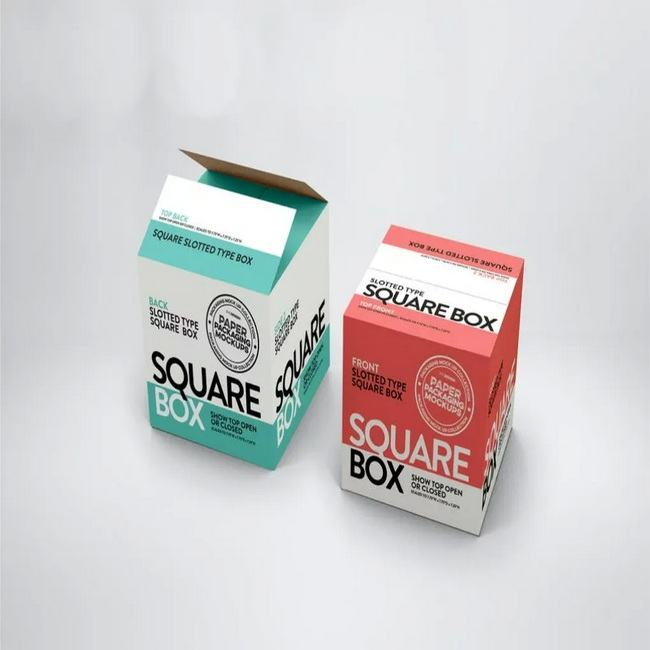
Folding Box Board (FBB) is a multi-ply paperboard that combines mechanical and chemical pulp to deliver high stiffness and good printability. Its structure provides an excellent strength-to-weight ratio, making it popular where cartons must withstand transportation and shelf handling without excessive material usage.
- Multi-layer build: typically includes mechanical pulp in the middle for bulk and stiffness, with higher-quality outer layers for print.
- Surface: smooth, often coated for high-quality offset printing.
- Performance: holds creases well and resists crushing compared with many single-ply boards.
- Food packaging, including chilled products in some specifications.
- Cosmetics and personal care where stiffness and good graphics are required.
- Pharmaceutical cartons that need reliable converting and structural integrity.
- High stiffness: excellent for standing display cartons, reducing the risk of panel collapse on shelf.
- Good print surface: compatible with standard offset printing and many finishing techniques for branding.
- Weight optimization: enables lighter board choice with similar stiffness, which can reduce material consumption.
- Higher cost than some recycled boards due to more complex production and pulp mix.
- Use of virgin fibers: not as environmentally favorable as fully recycled grades, although responsible forest management and recycled content options are increasingly available.
- Recycling complexity: its multi-layered structure can demand more energy during recycling, increasing overall environmental footprint compared with simpler grades.
Choose FBB when you want a stiff, premium-feeling carton for food, beauty, or pharma, and you are balancing graphic quality with structural performance.
Natural Kraft (SUS) and Coated Unbleached Kraft (CUK) are unbleached, brown-based paperboard grades that deliver a natural aesthetic with robust strength. They are designed for brands that want to highlight sustainability and “eco” cues while maintaining adequate performance.
- Fiber source: unbleached wood pulp, often with recycled content, helping reduce bleaching chemicals and improving recyclability.
- Appearance: natural brown tone, sometimes with a clay or resin coating for improved printability and barrier properties.
- Recyclability: the absence of heavy bleaching and the use of uncoated or lightly coated surfaces typically make these boards easier to recycle.
- Natural Kraft (SUS): often clay coated, providing a smoother surface with some water resistance and better print performance than plain kraft.
- Coated Unbleached Kraft (CUK): commonly coated with polyethylene (PE) resin to enhance tear strength, durability, and resistance to water and grease.
- Food-safe packaging where grease or moisture resistance is needed, especially CUK.
- Natural or organic product lines, where the brown look supports sustainability storytelling.
- Quick-service restaurant, beverage carriers, and other applications requiring higher tear resistance and handle strength.
- Sustainable perception: unbleached, brown substrates immediately communicate a natural and eco-conscious positioning.
- Recyclability: uncoated and lightly coated versions are generally convenient to recycle within fiber streams.
- Functional barriers: PE-coated CUK provides improved resistance to grease, moisture, and tearing, suitable for demanding food applications.
- Color limitations: the brown base color can mute or distort bright and pastel color palettes, making it less ideal for highly saturated graphic designs.
- Less suitable for certain luxury finishes: textured or natural surfaces may not perform as crisply with embossing, debossing, or intricate foil stamping as smoother white boards.
- Lower durability compared with top-end boards: while reasonably strong, these grades may not match the heavy-duty performance of some SBS or FBB structures in specific conditions.
Choose SUS or CUK if your brand strategy prioritizes natural aesthetics, food safety, and recyclability, especially in food and beverage or eco-focused categories.
The chosen board grade is only half the story; the finish you apply heavily influences tactile feel, perceived value, and shelf impact. Finishes can be applied as coatings, laminates, or post-print processes.
- Matte finish : non-glossy, soft appearance, ideal for luxury segments like cosmetics, perfumes, and high-end food products.
- Gloss finish : shiny, reflective surface with strong color pop, widely used in retail packaging and advertising applications.
- Embossed finish : raised or recessed patterns create a three-dimensional texture, enhancing brand signatures and tactile engagement.
- Foil stamping : metallic or colored foil applied for a luxurious, premium look, common in chocolates, wines, and gift packaging.
- Spot UV coating : high-gloss coating applied only on specific areas, such as logos or images, to create contrast against a matte background.
- For premium beauty or gifting, combine matte or soft-touch coatings with foil and embossing.
- For mass retail, gloss or semi-gloss coatings help colors stand out under shelf lighting.
- For eco brands, consider minimal coatings, water-based varnishes, or uncoated kraft to maintain a natural feel.
Well-chosen finishes can turn a standard board into a distinctive brand asset that communicates quality and aligns with your target audience expectations.
To systematically choose the best paperboard grade for box printing, evaluate your product and supply chain across several dimensions. Use the checklist below as a practical decision framework.
- Measure product weight and fragility.
- Assess whether the product is dry, oily, frozen, chilled, or moisture-sensitive.
- Identify any regulatory requirements, such as food contact, pharma, or child-resistance.
- Decide if your brand needs a pure white canvas, such as SBS or FBB, or a natural kraft appearance, such as SUS or CUK.
- List finishing techniques required: foil, embossing, spot UV, or simple CMYK printing.
- Check whether vivid color reproduction is critical for category differentiation.
- Evaluate shipping distance, stacking conditions, and warehouse humidity.
- Determine whether boxes will encounter refrigeration, condensation, or outdoor exposure.
- Clarify sustainability goals: recycled content, recyclability, or reduced bleaching.
- Identify where you can downgrade board caliper or move from SBS to FBB or CCNB without compromising performance.
- Estimate total cost of failure, including damage, returns, and brand impact, versus savings from cheaper material.
- Run print and performance trials with at least two alternative grades before finalizing.
By following this structured approach, you can select a paperboard grade that optimizes function, brand impact, and budget across your entire packaging program.
The table below summarizes the key attributes of the four most popular paperboard grades for folding cartons.
Grade |
Visual Appearance |
Print Quality |
Strength / Stiffness |
Moisture / Grease Resistance |
Cost Level |
Sustainability Profile |
Typical Uses |
CCNB |
White or coated front, grey back, economical look. |
Moderate; adequate for mass-market graphics. |
Lower tensile strength; for light products. |
Poor; absorbs water readily. |
Low. |
High recycled content but coating can hinder recycling. |
Budget cereal, dry foods, detergents, pet food. |
SBS |
Bright white on both sides, premium feel. |
Excellent; ideal for detailed, vibrant printing. |
Good overall strength for retail packs. |
Limited; not ideal for wet conditions without extra barrier. |
High. |
Virgin fibers and intensive bleaching; less eco-friendly unless responsibly sourced. |
Cosmetics, pharma, high-end food, confectionery, tobacco. |
FBB |
White surface, strong board presence. |
Very good; smooth for offset print. |
High stiffness due to multi-ply structure. |
Varies; can be specified for chilled or frozen in some cases. |
Medium to high. |
Uses virgin fibers; more energy to recycle multi-layer structures. |
Food, cosmetics, pharmaceuticals. |
SUS / CUK |
Natural brown, eco look. |
Good for solid colors; less bright for vivid tones. |
Good tear and structural strength, especially with PE coating. |
Moderate to high, especially CUK with PE barrier. |
Medium. |
Unbleached, often easier to recycle; strong sustainable perception. |
Food-safe packs, beverage carriers, natural product lines. |
Paperboard thickness and weight are commonly expressed in PT (point) and GSM (grams per square meter), which directly affect stiffness and load-bearing capacity. As a general rule, higher PT or GSM values mean a thicker board that can carry more weight and resist crushing.
- PT, or point, is primarily used in North America; 1 pt is approximately 0.001 inch.
- GSM indicates mass per unit area of the board and is common in many global markets.
- Increasing caliper improves rigidity but also raises material and shipping costs.
For any given paperboard grade, you should align PT or GSM with product weight, carton dimensions, and shipping conditions to avoid under-engineering or over-specifying your packaging.
Selecting the best paperboard grade for box printing is rarely a one-size-fits-all decision; optimal performance comes from matching substrate, caliper, finish, and converting method to your specific products and sales channels. If you are evaluating new packaging projects or want to upgrade existing cartons, the HLun Pack team can provide tailored material recommendations, structural design optimization, and integrated packaging machinery solutions.
Ready to improve your packaging performance and reduce waste at the same time? Contact HLun Pack today to request a customized consultation, receive targeted board grade proposals for your products, and get a clear roadmap to stronger, more sustainable packaging.
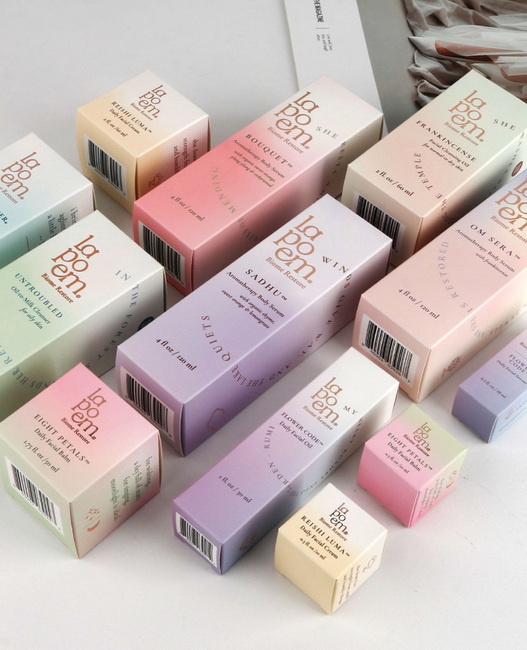
For most cosmetic and personal care brands, SBS is a top choice because its bright white surface and excellent printability support premium designs, fine details, and luxury finishing such as foil and embossing. FBB can also be a strong option if you need higher stiffness while maintaining good print performance.
Recycled grades like CCNB reduce demand for virgin fibers and support circular material use, but coatings can complicate recycling in some locations. Unbleached kraft boards such as SUS and CUK offer a natural look, avoid heavy bleaching, and are generally easier to recycle, making them attractive for sustainability-focused brands.
For chilled or frozen food, you need moisture- and temperature-resistant board; specialized FBB grades or CUK with appropriate barrier coatings are often used in these conditions. Always verify barrier performance and regulatory compliance with your converter for your specific application.
Review the board's PT or GSM against your product weight, carton dimensions, and stacking height, then conduct compression and transit tests. If you see panel bulging, crushing, or product damage, you may need to upgrade caliper, move to a stiffer grade like FBB, or adjust structural design.
You can use foil, spot UV, and selective coatings on coated kraft boards, but the brown base will influence color and metallic appearance. For ultra-bright metallics and high-contrast fine details, white boards like SBS still offer more consistent luxury results.
1. 4 Popular Types of Paperboard Grades for Packaging – PakFactory: https://pakfactory.com/blog/4-popular-types-of-paperboard-grade-for-box-printing/


