


close
Choose Your Site
Global
Social Media
Views: 283 Author: HLun PACK Publish Time: 2026-07-13 Origin: Site


Content Menu
● What Packaging Design Really Means Today
● The Five Core Levers of Effective Packaging Design
● What Good Packaging Feels Like for Real Customers
● Why Packaging Design Directly Moves Your Numbers
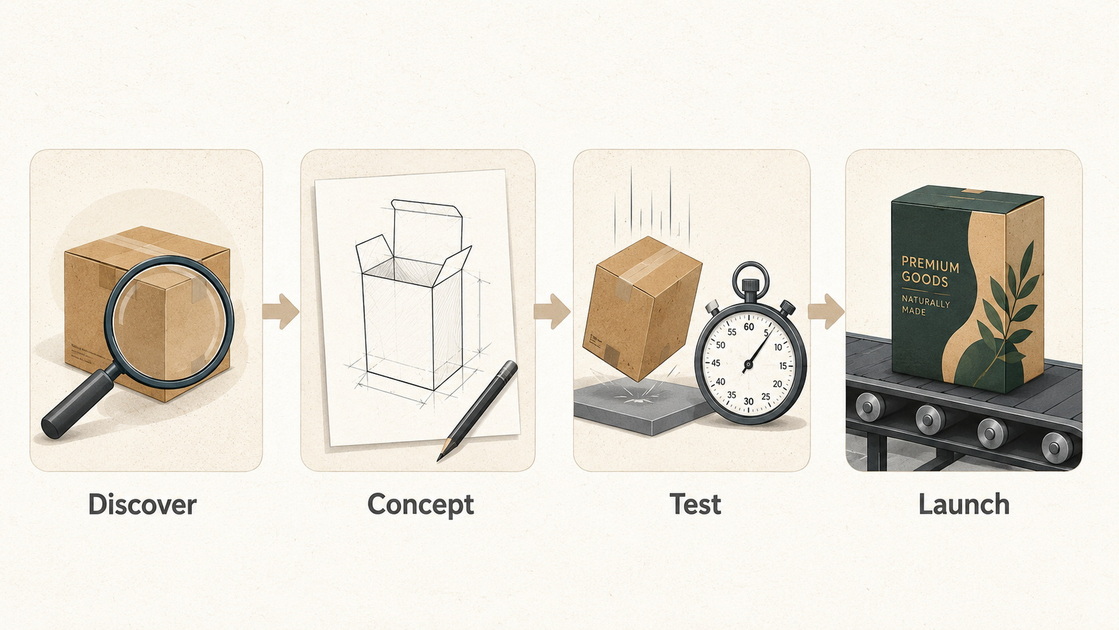
● A Four‑Step Packaging Design Workflow You Can Use Today
>> Define the Game You're Playing
>> Move Quickly from Concept to Mockup
>> Lock Files for Production Without Drama
● Choosing Materials and Finishes for Real‑World Goals
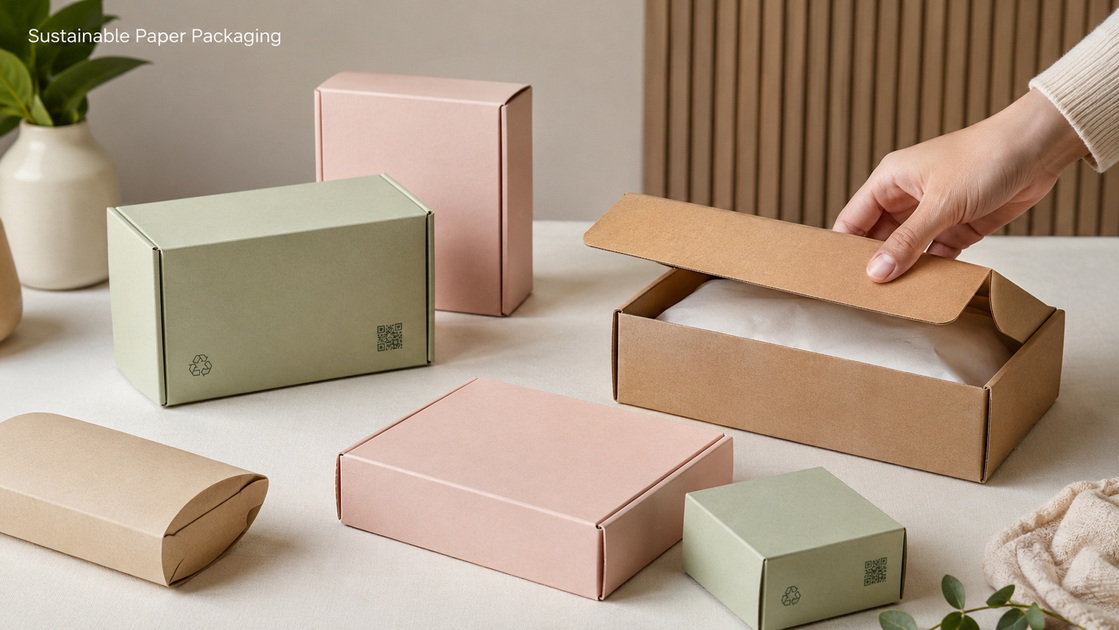
● 2026 Paper Packaging Trends You Can Adopt Without Rebranding
● Quiet Details That Prevent Expensive Mistakes
● A Practical Expert's Final Sanity Check
● Working With a Paper Packaging Partner and Packaging Equipment Expert
● Frequently Asked Questions (FAQ)
In 2026, packaging design is no longer just about looks—it is a strategic tool that protects products, communicates value, and drives measurable business results, especially for brands using paper packaging and automated packaging equipment. As someone who has spent years working with manufacturing teams, converters, and packaging machinery suppliers, I see every successful pack as a small, silent salesperson that never clocks out. [packagingworldinsights]
Modern packaging design aligns three critical jobs in one coherent plan: protect, explain, and persuade. Structure keeps the product safe, graphics attract attention, and copy answers "What is it?" and "Why choose yours?" in seconds. When these elements work together, your box or mailer stops being a cost item and becomes a performance asset across shelf, ecommerce, and logistics. [magetop]
For paper-based packaging, this alignment is even more important because brands are under pressure to reduce plastic, improve recyclability, and still maintain durability in transit. The best designs balance material efficiency with clear communication and robust mechanical protection, not just "nice" visuals. [mm]
Strong packaging design usually comes down to five levers you can tune. [packagingworldinsights]
- Structure
Size, shape, and strength determine stackability, protection, and machinability on packaging equipment. [mm]
- Materials
Paper grades, flutes, liners, and coatings define feel, sustainability perception, and performance in real-world transport. [mintel]
- Graphics
Logo, typography, and imagery guide recognition and readability at shelf and on small mobile thumbnails. [vistaprint]
- Color
Contrast and palette drive emotion, legibility, and compliance with brand guidelines. [brandedagency]
- Information & Finish
Claims, usage instructions, legal lines, and finishes like matte, foil, or spot UV add emphasis without visual noise. [brandedagency]
When you balance these levers, the result is a paper package that looks right, runs smoothly on machines, and works hard in marketing and logistics at the same time. [magetop]

From the user's perspective, good packaging feels clear and calm. [packagingworldinsights]
The front panel makes one simple promise in a single glance, while the sides support that promise with short, honest details instead of jargon. Opening the pack feels intuitive; nothing fights the user, and nothing feels wasteful or confusing. Even if you cover the logo, the combination of structure, type, and color still "whispers" your brand name—that's when your system is coherent and recognisable. [creativeretailpackaging]
In user interviews and ecommerce review analysis, customers repeatedly highlight the same differentiators: ease of opening, clear information, and packaging that feels "responsible but still premium." That's the benchmark every new design should aim for. [mintel]
For manufacturers and brand owners, packaging design is not decoration; it is measurable performance. [magetop]
- Better structure reduces damage, returns, and negative reviews. [packagingdive]
- Clear communication trims support tickets and reduces pre-purchase hesitation. [packagingworldinsights]
- Consistent branding builds memory, which over time lowers customer acquisition cost. [brandedagency]
- On crowded shelves or tiny ecommerce thumbnails, clarity and contrast win you the first second of attention. [vistaprint]
In B2B packaging projects, I often see teams unlock double-digit improvements in conversion and logistics cost simply by fixing structural fit, clarifying front‑panel messaging, and smoothing how packs run on high‑speed paper packaging lines. [mm]
You can apply a simple, four‑step workflow to make your packaging design process predictable and repeatable. [esko]
Start with context, not artwork. [packagingworldinsights]
- Who buys your product, and in which channels (retail, DTC, B2B)? [magetop]
- Where does the packaging travel and what risks it faces (drops, compression, humidity)? [mm]
- What regulations or retailer rules apply in each market? [packagingdive]
Set clear targets: unit packaging cost, acceptable damage rate, and sustainability goals before you sketch anything. [gwp.co]
Don't spend weeks polishing a concept before you see it in your hands. [packagingworldinsights]
Sketch a few alternative structures and build quick white dummies using the paper grades you actually plan to use. Lay out a simple front: one primary promise, one key visual, and type that remains readable in dim store lighting and on a phone screen. [vistaprint]
Design decisions must survive reality. [packagingworldinsights]
Run drop and vibration tests that reflect real transport scenarios, not ideal lab conditions. Ask non‑design colleagues or customers to name the product and main benefit in under five seconds. If they hesitate, your message is not yet clear enough. Monitor material yield and finishing time to avoid surprise cost spikes. Iterate once more than you think you need. [brandedagency]
Before releasing files to print or converting lines, tighten prepress. [packagingworldinsights]
Use correct bleed (for example, 3 mm / 1⁄8″), keep logos in vector, and use 300 dpi images for all graphics. Name special finishing layers clearly—SPOT UV, FOIL, WHITE INK—so nothing is misinterpreted downstream. Keep barcodes out of varnish or foil and confirm they scan correctly on uncoated areas. [packagingdive]
Paper packaging offers many combinations; the key is to match them to practical goals. [mm]
- For light DTC products, an E‑flute mailer in kraft or white often hits the sweet spot: strong, efficient, and easy to brand with a soft‑touch matte feel. [mm]
- For fragile products, double‑wall or micro‑flute structures with die‑cut pulp or honeycomb pads provide protection without excessive bulk. [mm]
- Beauty and personal care boxes often perform best in SBS folding carton with a neat insert and a small foil logo to focus attention. [brandedagency]
If sustainability leads your story, right‑size every structure, reduce ink coverage and color count, and choose recycled liners you can explain in a single, clear sentence on pack. [mintel]
You don't need a full identity reset to benefit from current packaging trends. [vistaprint]
- Sustainability as baseline, not slogan
Right‑sizing, recycled content, and transparent recycling cues are now expected rather than optional. [mintel]
- Minimal type, bold contrast
Clean layouts with high-contrast typography read instantly on shelves and in social feed thumbnails. [vistaprint]
- Tactile accents with restraint
Soft‑touch coatings, embossing, and linen textures work best when they highlight a single focal point—usually the brand or core benefit. [brandedagency]
- Smart QR codes and digital bridges
QR codes now link to tutorials, refill programs, traceability data, or origin stories, turning packaging into a bridge for long‑term customer value. [esko]
For paper packaging and equipment‑powered lines, these trends should be implemented with attention to runnability and machine speed, not just aesthetics. [esko]
Many costly packaging failures happen not in design, but in prepress. [packagingworldinsights]
Keep a clear safety margin inside cut and fold lines so text and logos never crowd edges or creases. Use rich black for large color fields and a clean 100% K for small type to protect legibility. Make the dieline a non‑printing spot color and embed or outline all fonts to avoid substitution issues on different systems. These small choices quietly protect your launch dates and prevent reprint scenarios. [packagingdive]
Before you commit to large‑scale production, run a simple, human‑centric check. [packagingworldinsights]
Ask someone unfamiliar with the project to look at the pack for five seconds, then answer two questions: "What is it?" and "Why would I choose this?" If the answers are vague, simplify the front panel and sharpen the key message. Shake a fully packed unit; if anything moves noticeably, refine the internal cradle or inserts. Confirm claims and legal lines for every region you sell into, and make sure the design scales across sizes without requiring a complete redesign. [packagingdive]
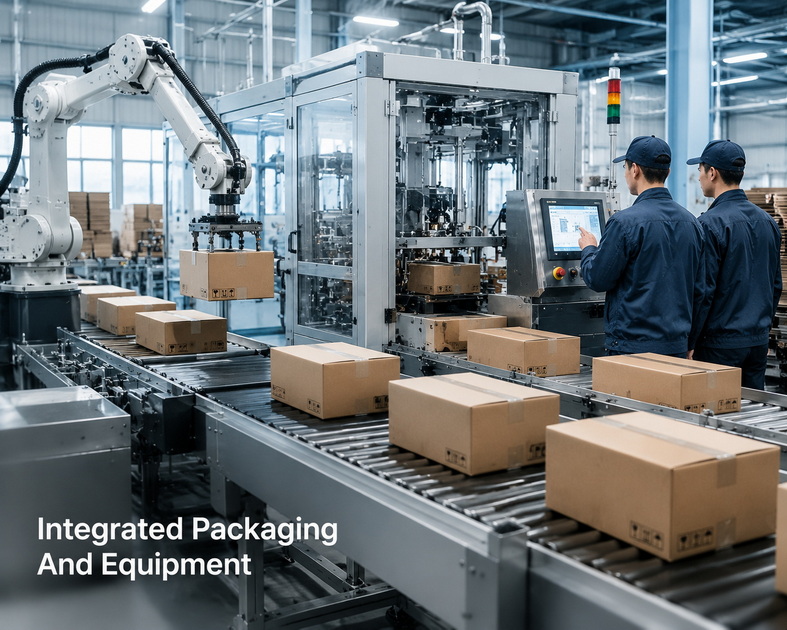
When brands collaborate with a specialised paper packaging and packaging equipment partner, they gain more than just boxes—they gain integrated packaging solutions that connect design with manufacturability. [esko]
A capable partner can:
- Map structure and material choices to your product risks, sustainability targets, and machinery constraints. [mm]
- Validate that your dielines and layouts are compatible with automated packaging lines and future scaling. [esko]
- Guide prepress, prototyping, transit tests, and color checks so you avoid surprises between design approval and mass production. [magetop]
For brands working with dedicated paper packaging equipment manufacturers, this collaboration ensures your design not only looks good, but also runs reliably at speed, with predictable costs and consistent quality. [magetop]
1. What is the main goal of modern packaging design?
The main goal is to protect the product, communicate value clearly, and persuade the buyer, while meeting sustainability and regulatory expectations across channels. [mintel]
2. How do I choose the right paper material for my packaging?
Start from product risk, logistics conditions, and sustainability targets, then match them to appropriate flute types, liners, and coatings tested in your real transport scenarios. [mintel]
3. Why are small prepress details so important?
Prepress decisions around bleed, fonts, color builds, and dielines directly impact print accuracy, barcode readability, and the likelihood of expensive reprints or delays. [packagingdive]
4. Can I adopt new packaging trends without changing my entire brand?
Yes. You can introduce sustainability cues, minimal layouts, tactile accents, and smart QR codes within your existing identity system, as long as you respect brand colors and typography. [esko]
5. How does working with a packaging equipment partner help my design?
An equipment-savvy partner ensures your design is compatible with automated lines, maintains stability at speed, and delivers predictable costs and quality from prototype to mass production. [magetop]
1. Pakoro – "Packaging Design: A Practical Guide You Can Use Today". [packagingworldinsights]
[https://pakoro.com/blog/packaging-design/]
2. MM Group – "Five Trends Shaping the Packaging Industry in 2026". [mm]
[https://mm.group/news/packaging/five-trends-shaping-the-packaging-industry-in-2026/]
3. Mintel – "Global Packaging Predictions: 2026 & Beyond". [mintel]
[https://www.mintel.com/insights/packaging/global-packaging-trends/]
4. Vistaprint – "10 Notable Packaging Trends For 2026". [vistaprint]
[https://www.vistaprint.com/hub/packaging-design-trends]
5. Packaging Dive – "The packaging industry outlook for 2026". [packagingdive]
[https://www.packagingdive.com/news/packaging-trends-outlook-2026/810443/]
6. Esko – "2026 Packaging Trends". [esko]
[https://www.esko.com/en/resources/2026-packaging-trends]
7. Magetop – "How SEO Can Transform the Packaging Industry: A Guide for Manufacturers". [magetop]
[https://www.magetop.com/blog/how-seo-can-transform-the-packaging-industry-a-guide-for-manufacturers/]
8. Creative Retail Packaging – "Top Packaging Trends for 2026". [creativeretailpackaging]
[https://creativeretailpackaging.com/packaging-insights/packaging-trends/]
9. Branded Agency – "Packaging trends 2026". [brandedagency]


