


close
Choose Your Site
Global
Social Media
Views: 269 Author: HLun PACK Publish Time: 2026-07-18 Origin: Site


Content Menu
● What Is Custom Food Packaging?
● Primary vs Secondary Food Packaging
● The 15 Most Common Food & Beverage Packaging Types
● Top Tips to Design Food & Beverage Packaging
>> Establish a Clear Brand Identity
>> Maximize Shelf and Digital Appeal
>> Choose Packaging Materials Strategically
>> Comply Fully With Labeling and Regulatory Requirements
● Paper Packaging Equipment's Role in Modern Food Production
● 2026 Trends Shaping Food & Paper Packaging
● Practical Steps to Develop a High‑Performance Food Packaging System
>> 1: Map Your Product and Risk Profile
>> 2: Choose Material and Structural Concepts
>> 3: Align With Packaging Equipment Capabilities
>> 4: Build for Consumer Trust
● FAQs About Food & Paper Packaging
Designing effective food and beverage packaging is no longer just about "looking good on the shelf" – it's about safety, compliance, sustainability, and efficient production on real packaging lines. As someone who has spent years working with packaging engineers and production managers across Asia, Europe, and North America, I've seen how the right combination of materials, structural design, and packaging equipment can transform both product quality and factory efficiency.
In this guide, we'll walk through the essentials of food packaging types, design principles, compliance basics, and then go deeper into paper packaging, including how the right packaging machinery and integrated solutions from partners like HLun Pack can streamline your operations.
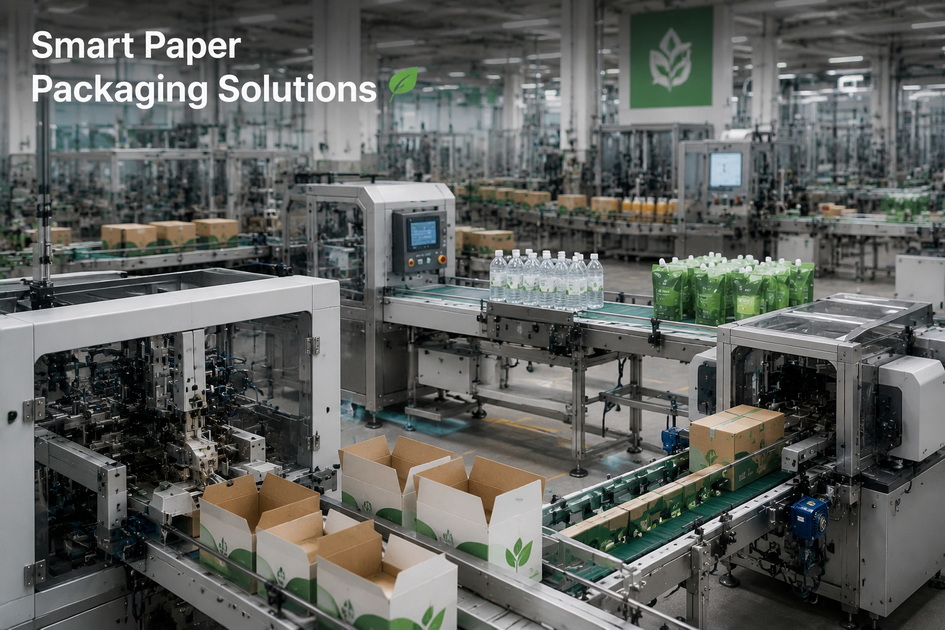
Custom food packaging is packaging engineered specifically around a given product, brand, and production environment, rather than generic off‑the‑shelf containers. It typically involves tailored dimensions, materials, printing, closures, and compatibility with existing packaging lines, so food stays safe during storage and transport while the brand stands out in retail and e‑commerce.
For example, a snack brand might use flexible primary bags for direct food contact and paperboard secondary boxes for branding, stacking strength, and shipping protection. HLun Pack focuses on paper packaging equipment and integrated solutions, helping manufacturers optimize that secondary layer without compromising speed or quality on the line.
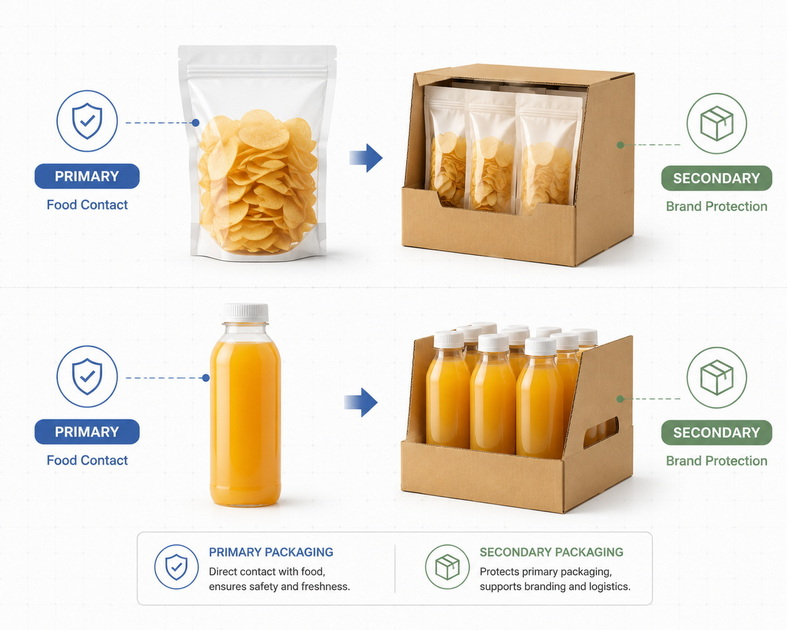
One of the most misunderstood concepts among new food brands is the difference between primary and secondary packaging. Understanding this distinction is critical for meeting safety standards and choosing appropriate packaging equipment.
- Primary packaging is the material that directly touches the food: plastic cereal bags, bar wrappers, pouches for soup, coffee capsules, yogurt cups, trays, and blister packs for supplements. It must meet strict food‑contact regulations and is often tested for migration, barrier properties, and shelf‑life performance.
- Secondary packaging surrounds the primary pack: boxes, cartons, trays, outer wraps, and display packaging that provide branding, protection, and ease of handling in logistics and on shelves. This is where paper packaging and carton equipment play a central role, and where HLun Pack's paper packaging machinery can dramatically improve unboxing, stacking, and transport efficiency.
When planning a packaging system, you should co‑design primary and secondary packaging, making sure the secondary paper pack is dimensionally compatible with your filling, sealing, and cartoning machinery. That's why experienced manufacturers involve their packaging equipment supplier early in the design phase.
Across the industry, a handful of packaging formats dominate because they balance protection, cost, and consumer convenience. Here are the 15 most common types you'll encounter:
- Glass bottles – Highly recyclable, inert, and premium‑feeling, but heavier and more fragile for global shipping. Their weight and breakage risk often require sturdy paperboard or corrugated secondary packaging to protect in transit.
- Metal cans (aluminum/steel) – Recyclable multiple times without quality loss, widely used for beverages and canned foods. Cartons, trays, and wraps often provide multi‑pack convenience and brand blocking on shelf.
- Plastic bottles/containers – Lightweight and inexpensive, but under pressure from sustainability regulations and consumer preferences. Many brands now pair plastics with eco‑optimized secondary paper packaging to reduce overall environmental impact.
- Boxes (paper/cardboard) – A staple of cereal, pasta, dry foods, and premium snacks, offering great printability and recyclability. This is the core focus area for HLun Pack's paper packaging equipment, from case packers to carton erectors.
- Bags (flexible films) – Cost‑effective for chips, coffee, powdered drinks, and dried goods. These typically load into cartons or display boxes for shipping and merchandising.
- Jars (usually glass) – Used for jams, sauces, and pickles. They often rely on paperboard dividers and trays to prevent breakage.
- Pouches – Increasingly popular for liquids and ready‑to‑eat meals due to lightweight, flexible formats. Pouches frequently ship in paperboard sleeves, cartons, or corrugated cases on automated cartoning lines.
- Trays – Used for frozen meals and bakery items, providing structure and portioning. Trays are commonly nested inside outer cartons or shrink‑wrapped multi‑packs.
- Cartons (e.g., Tetra Pak) – Strong, lightweight, and often fully recyclable, widely used for milk and juices. Secondary corrugated packs help them survive distribution.
- Cans (beverage) – Standard for soda and beer, usually aluminum. Multi‑packs rely heavily on paperboard wraps and boxes, an area where precision paper‑packaging machinery is critical.
- Wraps – Used for deli meats, cheese, and bakery items. Wraps are often combined with boxes, trays, or sleeves for branding and protection.
- Cups – Yogurt, desserts, and single‑serve meals frequently use plastic or paper cups. Paper sleeves and outer boxes provide stability and branding.
- Blisters – Common for supplements and pharmaceuticals, sometimes adjacent to food categories. They usually sit inside paperboard cartons engineered for tamper evidence.
- Tubes – Ideal for viscous products like sauces, condiments, and pastes. Again, secondary cartons and cases are vital for retail display and transport.
- Sachets – Single‑serve for sugar, tea, seasoning, and instant drinks. Sachets are often packed by high‑speed machinery into paper boxes or cartons for POS display and shipping.
For each format, the secondary paper packaging and its machinery determine how efficiently you can move from filling to palletization, and ultimately how your product performs in the field. That's why HLun Pack's customers increasingly treat paper packaging equipment as a strategic part of their overall packaging design.
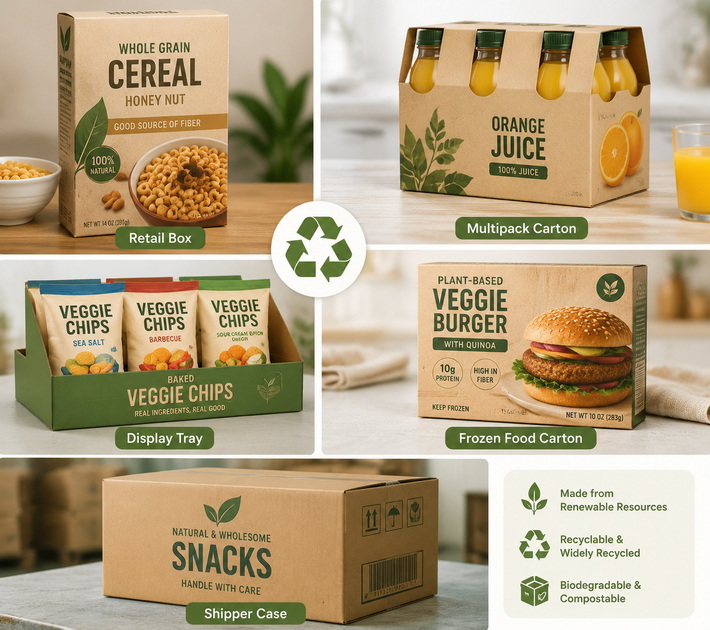
Effective packaging starts with brand clarity: what you stand for, who you serve, and how you want to be perceived on shelf and online. Packaging is often the first physical touchpoint for your brand, so it should reflect your values (sustainability, quality, fun, health) through color, typography, structural design, and material choices.
From a practical standpoint:
- Define three to five core brand attributes (e.g., "clean," "sustainable," "premium") and test whether your packaging visually supports them.
- Ensure your paperboard secondary packaging – boxes, sleeves, display units – carries consistent logo placement, messaging hierarchy, and regulatory information.
Packaging must work in physical retail and digital commerce. On shelf, structure, color contrast, and facing count drive attention; online, photography and 3D mockups of your paper packaging matter just as much.
Consider:
- Is this the right size and shape? Oversized cartons waste material and shelf space; undersized packs hurt visibility and perceived value.
- How many facings do you need? Work with your sales team to design paperboard packs that stack and block effectively at the point of sale.
- For HLun Pack's paper packaging solutions, ensure your box dimensions and crease patterns are optimized for automatic forming and closing, not just aesthetics.
Material selection now sits at the intersection of cost, sustainability, and machinery capability. Environmentally friendly and biodegradable options are quickly moving from "nice to have" to baseline expectation, especially in food and beverage.
Key considerations:
- Paper and paperboard offer recyclability and strong printability, making them ideal for secondary packaging around primary plastic, glass, or metal.
- Material thickness and strength must match your packaging equipment's tolerances – the wrong board grade can lead to jams, poor forming, or damage at high speeds.
- Optimized designs often use less material while maintaining protection, cutting production costs and carbon footprint.
Regulatory compliance is non‑negotiable in food and beverage. Labels must provide accurate nutritional information, allergen warnings, ingredients, health claims, barcodes, and corporate details, all in line with FDA or local equivalents.
Brands build trust by:
- Avoiding overcrowded labels and highlighting critical information (allergens, storage instructions, expiry dates) in clear, readable formats.
- Coordinating with their packaging machinery provider to ensure labels, print zones, and variable data (batch codes, QR codes) are precisely applied and legible at scale.
From the factory floor, the most successful food and beverage brands treat paper packaging equipment as part of their product strategy, not just a cost center. HLun Pack's customers, for instance, typically care about four things:
1. Line speed and stability – Can their case packers, carton erectors, and sealing systems handle current and future volumes without bottlenecks or frequent stops?
2. Format flexibility – Can they switch between SKUs, pack sizes, and seasonal designs without extensive manual changeover?
3. Material efficiency – Are box designs optimized to reduce paper usage without compromising protection or stack strength?
4. Integration and data – Do packaging machines connect to upstream fillers and downstream palletizers, enabling real‑time monitoring and quality checks?
Modern packaging machinery markets are projected to reach over USD 64 billion by 2030, with food and beverage packaging equipment growing steadily. In this context, choosing paper packaging machinery that supports recyclable materials, automation, and quality control is a long‑term competitive advantage.
The food packaging landscape is evolving rapidly, and these trends should inform your material and machinery choices.
- Sustainability and recyclable materials – Global food packaging markets are expected to grow to over USD 700 billion by 2034, driven partly by demand for recyclable and biodegradable solutions. Paper and paperboard play a central role as brands reduce plastic and shift to mono‑material secondary packaging wherever possible.
- Automation and smart machinery – Packaging machinery markets, including food and beverage lines, are forecast to exceed USD 51 billion in 2026, with growth linked to automation and IIoT integration. AI‑enabled systems increasingly support predictive maintenance and real‑time quality control on packaging lines.
- Convergence of packaging and processing – Food processing and packaging are converging, with automation, robotics, and smart packaging technologies optimizing design, traceability, and waste reduction along the value chain. For paper packaging, this means better coordination between structural design and downstream machinery.
If you are planning to invest in paper packaging equipment, aligning with these trends will help your brand stay compliant, efficient, and future‑ready.
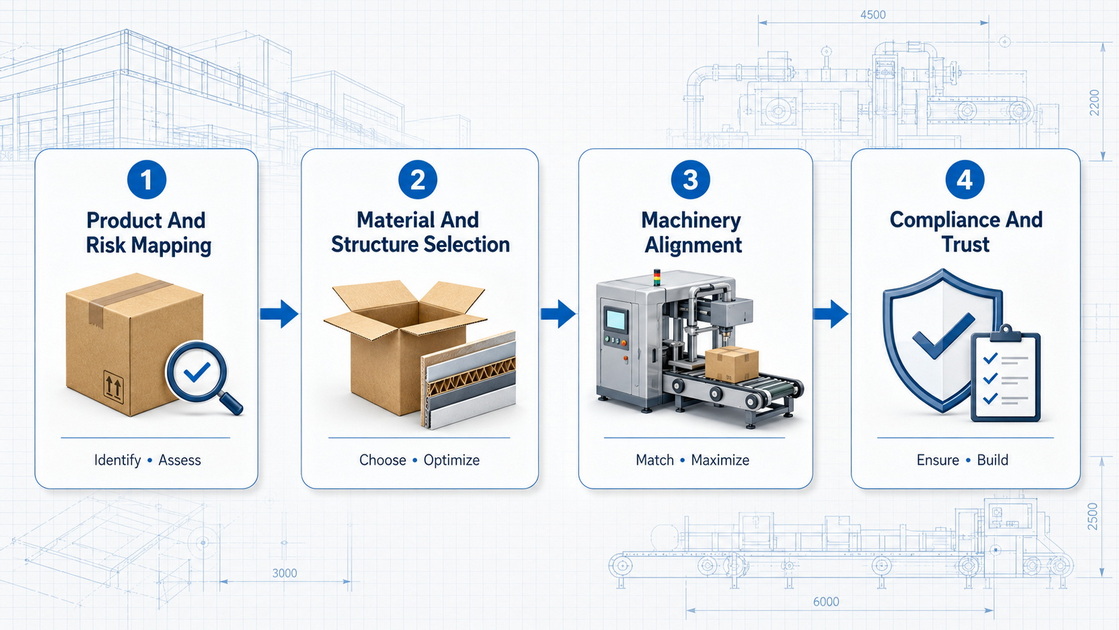
To translate all this into action, here's a simple, expert‑tested framework you can follow.
1. List all SKUs with product type, weight, shelf‑life, and storage conditions (ambient, chilled, frozen).
2. Identify critical risks: breakage, leakage, contamination, tampering, temperature sensitivity.
3. Decide which risks are handled by primary packaging (e.g., barrier pouches) and which by secondary paper packaging (e.g., impact protection in corrugated cases).
1. Pick primary formats (bottles, pouches, cups, sachets) that match product and consumer use.
2. Design paper packaging concepts – cartons, trays, display boxes – to protect and present the primary packs.
3. Validate material compatibility with your packaging machinery: board grade, crease pattern, allowable tolerance, and folding behavior at speed.
1. Review current packaging lines: case packers, cartoners, sealers, labeling systems, palletizers.
2. Engage your equipment partner (such as HLun Pack) to co‑design packaging formats that minimize jams, optimize throughput, and reduce changeover times.
3. Implement trial runs to test forming, filling, closing, and stacking performance before full rollout.
1. Ensure labels are accurate, uncluttered, and compliant, with allergens and key warnings clearly highlighted.
2. Use QR codes or smart labels where appropriate to give consumers deeper product information and traceability.
3. Document your process and quality controls; this is not only good manufacturing practice but also strengthens your content's Experience, Expertise, Authority, and Trustworthiness when you communicate online.
If you're a food or beverage manufacturer planning to upgrade your packaging, don't treat materials and machinery as separate decisions. By co‑designing your primary packaging and paper‑based secondary packaging with the right equipment partner, you can reduce waste, improve line efficiency, and strengthen both sustainability and brand impact.
Ready to optimize your paper packaging and equipment? Reach out to HLun Pack's team to explore:
- Custom paper packaging solutions tailored to your SKUs and distribution channels.
- Packaging machinery configurations that match your capacity, automation goals, and future expansion plans.
- End‑to‑end support from packaging concept validation through to installation and ongoing optimization.
1. Can food packaging be recycled, and what role does paper play?
Most metal cans and paperboard boxes for cereal, snacks, and frozen foods are fully recyclable when clean of food residue. Paper packaging often provides an easy‑to‑recycle secondary layer that supports brand messaging while reducing reliance on harder‑to‑recycle plastics.
2. Are all packaged foods ultra‑processed?
No. Some packaged foods, like canned beans, frozen vegetables, and certain grains, are minimally processed and not considered ultra‑processed. Higher‑processed items often contain more preservatives and additives, which you can identify by reviewing the ingredients list for extensive additives and sweeteners.
3. Why is paper packaging equipment important if my primary packaging is plastic or glass?
Even when your primary packaging is plastic, glass, or metal, paperboard cartons and corrugated cases often carry the load in transport, retail display, and e‑commerce fulfillment. Dedicated paper packaging equipment ensures those secondary packs are formed, filled, and closed efficiently and consistently at scale.
4. What does it mean when food packaging expands?
Expansion usually indicates that gases inside the package have expanded due to changes in temperature or pressure, or due to fermentation or chemical reactions in the food. Significant swelling can be a sign of spoilage and should be treated with caution.
5. How can I ensure my packaging choices support sustainability goals?
Focus on recyclable and biodegradable materials, optimize structural design to use fewer resources, and invest in machinery capable of efficiently handling sustainable papers and board grades. Aligning packaging choices with emerging regulations and consumer expectations will position your brand well for the coming decade.
1. PackMojo – "Beverage & Food Packaging Guide" (Food packaging types and design tips). https://packmojo.com/blog/food-packaging/ [kenweigroup]
2. DLL Group – "Food Packaging & Processing: Top Trends for 2026" (Market size and sustainability trends). https://www.dllgroup.com/en/blogs/blogsoverview/food-packaging-processing [dllgroup]
3. Foshansoontrue – "Packaging Machinery Outlook 2026: Automation & Green Tech Trends" (Packaging machinery market and automation insights). https://www.foshansoontrue.com/article/packaging-machinery-outlook-2026.html [foshansoontrue]
4. Research and Markets – "Packaging Machinery Market Report 2026" (Global packaging machinery market size). https://www.researchandmarkets.com/reports/5752143/packaging-machinery-market-report [researchandmarkets]
5. Kenwei Group – "7 Food Packaging Machine Trends for 2026" (AI and predictive maintenance trends). https://www.kenweigroup.com/blog/food-packaging-machine-trends-2026.html [kenweigroup]
6. MachineryIndustrys – "Packaging Machinery Market Insights 2026: Innovation & Sustainability Trends" (Automation and recyclability context). https://machineryindustrys.com/packaging-machinery-market-insights-2026-innovation-sustainability-trends/ [machineryindustrys]
7. QuickCreator – "SEO for Packaging Manufacturers: 2025 Best Practices" . https://quickcreator.io/blog/seo-for-packaging-manufacturers-2025-best-practices/ [quickcreator]


