


close
Choose Your Site
Global
Social Media
Views: 257 Author: HLun PACK Publish Time: 2026-07-17 Origin: Site


Content Menu
● What Is Smart Packaging in 2026?
● Why Smart Packaging Matters for Paper Packaging Brands
>> Smart Packaging as a Strategic Asset
● Active vs Intelligent Packaging
>> Connecting Physical and Digital
● Key Business Benefits of Smart Paper Packaging
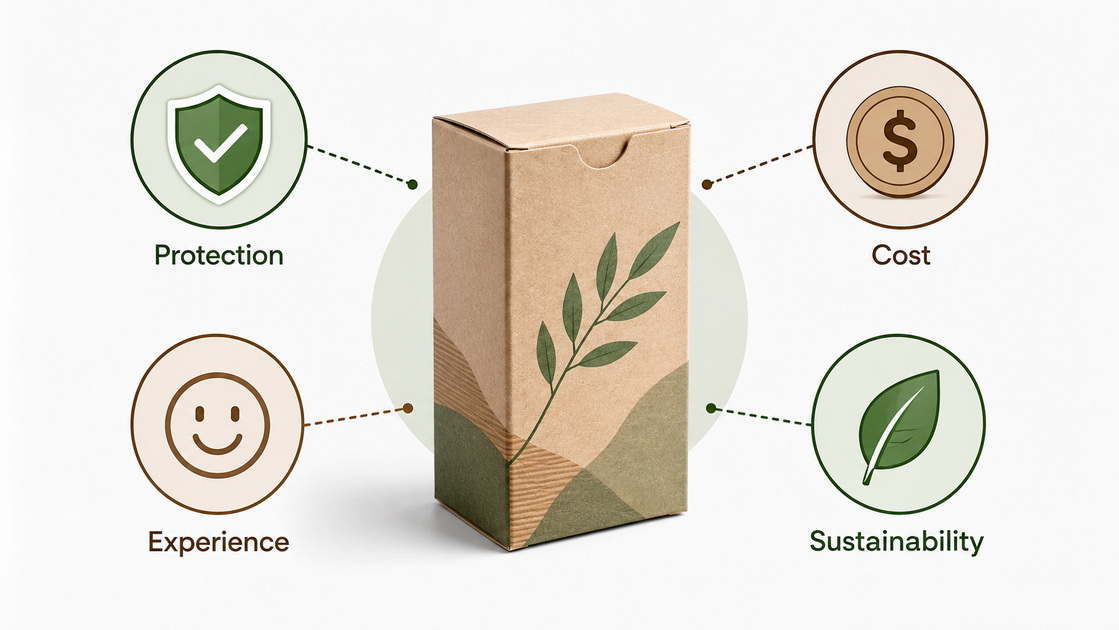
>> 1. Better Product Protection and Brand Trust
>> 2. Cost Efficiency Across the Supply Chain
>> 3. Marketing and Customer Experience Differentiation
>> 4. Sustainability, Regulation and Paper Packaging Advantage
● Real‑World Smart Packaging Use Cases (From an Industry Insider's Lens)
>> Premium Beverages and Cosmetics
>> Industrial and B2B Packaging
● Latest Smart Packaging Trends Relevant to Paper Packaging Equipment
>> 1: Smart Packaging as Engagement and Waste Reduction
>> 2: AI‑Enabled Design and Production
>> 3: Mono‑Material Paper Solutions with Smart Coatings
>> 4: Regulation‑Driven Smart Labelling
● How Manufacturers Can Implement Smart Paper Packaging Step by Step
● Partner with HLun Pack for Smart Paper Packaging
Smart packaging has moved from buzzword to business-critical strategy, especially for brands investing in paper packaging and automated packaging equipment like HLun Pack. In 2026, it sits at the intersection of sustainability, cost efficiency and digital customer experience—and that is exactly where paper-based smart packaging and modern packaging machinery can deliver the most value. [mm]
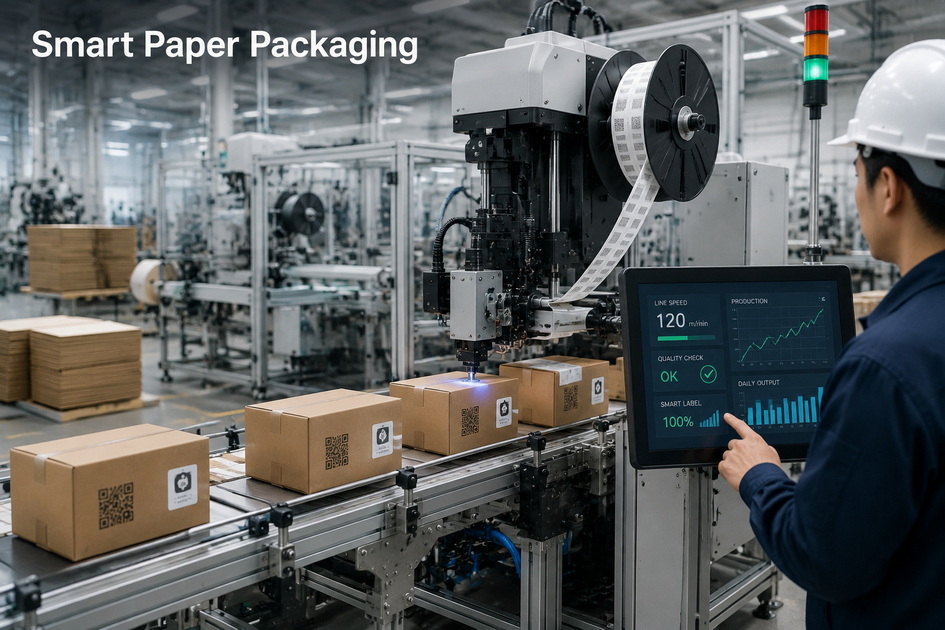
Smart packaging refers to packaging systems that use technology and advanced materials to extend the functionality of traditional packs, connect them to digital experiences and improve product protection, visibility and consumer engagement. [mm]
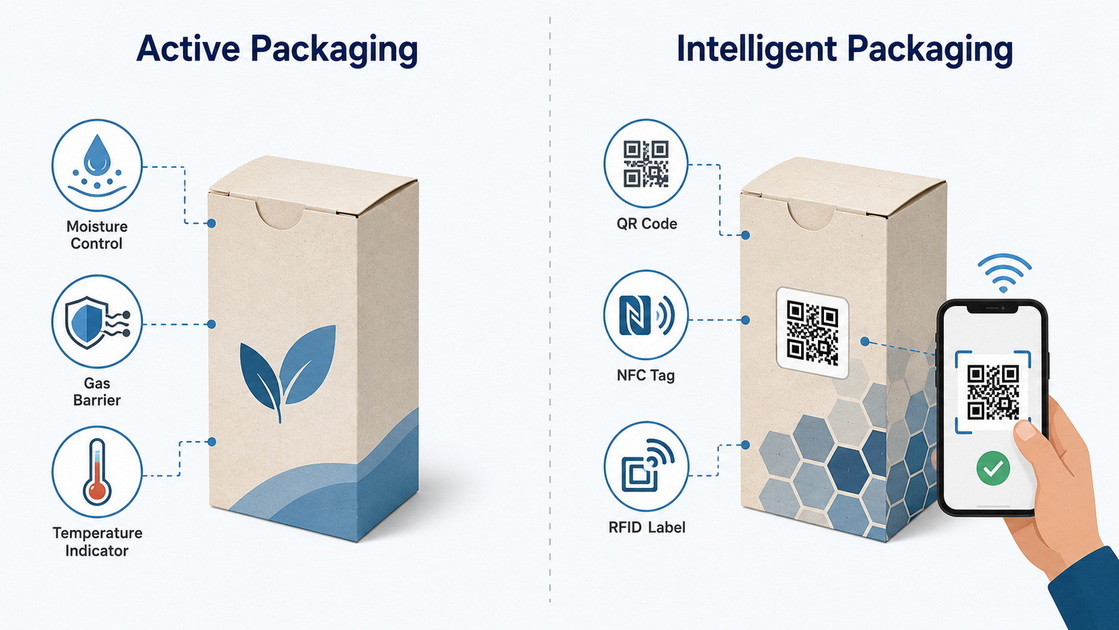
Most industry frameworks divide smart packaging into two core categories:
- Active packaging that interacts with the product or environment to improve shelf life, safety or quality (for example moisture control, gas scavenging or temperature regulation). [mm]
- Intelligent packaging that integrates sensors, codes or connectivity (NFC, RFID, QR, smart labels) to collect, store or communicate information and enable digital interactions. [clydepresentationpackaging]
From a paper packaging equipment perspective, smart packaging is no longer limited to plastic or metal applications. New printing, converting and finishing systems can embed intelligent functions directly into cartonboard, corrugated and other paper-based solutions, making smart paper packaging a realistic default rather than a niche experiment. [kylinmachines]
Global smart packaging market value is estimated at around USD 25–26 billion in 2026, with forecasts pointing to a compound annual growth rate in the mid‑single digits (around 6–7% CAGR) through 2031–2034. This growth is driven by four converging pressures: [researchandmarkets]
- Stricter sustainability and recyclability regulations (especially in the EU). [clydepresentationpackaging]
- Rising demand for transparency and traceability in food, cosmetics, electronics and pharmaceuticals. [inlineplastics]
- The need to reduce waste across value chains, from manufacturing to retail. [packagingworldinsights]
- Consumer expectation that packaging should be interactive, informative and eco-friendly, not just visually appealing. [clydepresentationpackaging]
For paper packaging manufacturers and equipment suppliers like HLun Pack, this shift opens up a clear competitive opportunity: design and produce smart-ready paper packaging that complies with tightening regulations while still delivering premium brand experience and efficient automation on the line. [mm]
Active packaging uses special materials or structures to interact with the packaged product and environment. Typical functions include: [mm]
- Moisture control in paper packaging via absorbent inserts, coatings or micro‑perforation strategies. [mm]
- Gas scavenging or modified atmosphere solutions to slow oxidation or spoilage in sensitive goods. [inlineplastics]
- Temperature control systems that help maintain cold chain integrity or signal thermal abuse. [inlineplastics]
A widely cited example is Heineken's "activating packaging" bottle concept, engineered to reach optimal drinking temperature quickly and visually signal when that temperature is achieved via glowing elements. While this particular case uses glass and electronics, similar thinking now applies to paper packaging with integrated temperature indicators or cooling aids—for instance, smart labels on cartons that change color as products move out of safe ranges. [kylinmachines]
For equipment manufacturers, the key is precision: smart paper packaging demands accurate coating, cutting, folding and sealing so that active components (such as barrier layers or indicator windows) perform as designed, without adding unnecessary weight or complexity. [packagingworldinsights]
Intelligent packaging adds communication and data layers to otherwise conventional packs. Common implementations include: [mm]
- QR codes printed directly on cartons to deliver rich content, recycling guidance or authentication checks. [clydepresentationpackaging]
- NFC tags and RFID inlays embedded in paperboard or labels for track‑and‑trace, anti‑counterfeiting and inventory visibility. [kylinmachines]
- Smart labels that monitor time, temperature or humidity and provide visual or digital alerts to stakeholders. [inlineplastics]
Johnnie Walker's cloud‑connected whiskey bottle is a notable illustration: a printed NFC tag allows customers to verify age and authenticity while giving the brand a channel to deliver targeted promotions through smartphones. In paper packaging, similar NFC and RFID elements can be laminated or inserted into folding cartons and corrugated boxes without sacrificing recyclability—provided the design uses minimalist, easily separable electronics. [packagingworldinsights]
For HLun Pack and other packaging equipment providers, intelligent packaging means offering machinery that can reliably print, apply and verify smart codes and tags at speed, while keeping TCO (total cost of ownership) attractive for manufacturers that operate high‑volume lines. [kylinmachines]
By integrating active functions into paper packaging—moisture barriers, odor control, and responsive indicators—brands can significantly extend shelf life and preserve product quality from plant to consumer. [inlineplastics]
This is more than a technical upgrade. It directly enhances brand trust, because consumers associate consistent product quality and clear safety signals with professionalism and responsibility. When packaging visibly "cares" about the product, customers intuitively feel that the brand cares about them. [mm]
Smart packaging can appear as a cost line item, but in practice it often reduces total costs. Some typical gains include: [packagingworldinsights]
- Reduced need for bulky, multi‑material protective packaging, thanks to smarter barrier and cushioning design in paper. [mm]
- Optimized logistics through real‑time visibility, leading to fewer losses, misroutes and over‑stocking. [kylinmachines]
- Lower waste and returns when temperature or freshness issues are identified early via smart indicators. [inlineplastics]
For paper packaging equipment operators, automation and integrated verification systems (e.g. inline QR/NFC inspection) add further savings through higher line efficiency and fewer reworks. [kylinmachines]
Packaging is often the first digital touchpoint of a brand in 2026, especially when QR, NFC or AR experiences are built into the box. With 72% of consumers reporting that packaging influences purchase decisions, leveraging smart packaging for storytelling and personalization can substantially impact conversion. [kylinmachines]
Examples already in the market include:
- Milka's AR‑powered Christmas chocolate wrappers that turn each calendar day into an interactive digital journey, extending engagement beyond the product itself. [kylinmachines]
- Brand experiences where scanning a code on a paper carton unlocks tutorials, sustainability information or loyalty rewards tailored to the user's profile. [clydepresentationpackaging]
For manufacturers using HLun Pack systems, that means designing print‑ready, code‑ready paper packaging that supports advanced graphics and interactive triggers without compromising run speed or recyclability. [kylinmachines]
Sustainability has become a non‑negotiable baseline rather than an optional differentiator. EU Packaging and Packaging Waste Regulation (PPWR) from 2026 will push all exported packaging towards recyclability, waste reduction and responsible design—including clear labeling and producer responsibility rules. [packagingworldinsights]
Paper packaging, when designed as mono‑material systems with advanced barrier coatings and minimal plastic laminates, aligns strongly with these goals:
- Easier recycling, due to fiber‑based structures that integrate coatings rather than complex multilayer plastic films. [packagingworldinsights]
- Lower carbon footprint, thanks to renewable raw materials and evolving circular systems in pulp and paper. [mm]
- Clear communication of disposal and recycling instructions via smart labels and QR codes on cartons. [clydepresentationpackaging]
Smart paper packaging allows brands to combine digital traceability with physical circularity, and equipment partners like HLun Pack can design end‑to‑end solutions—from printing to forming—that support this shift at scale. [kylinmachines]
Smart labels that monitor temperature, time and humidity are already deployed in food packaging to ensure safety and freshness. For example, time‑temperature indicators can gradually change color if a chilled product spends too long outside its safe range. [inlineplastics]
From a factory standpoint, integrating these indicators into paperboard trays or cartons requires synchronized printing and application steps that machinery must handle precisely. HLun Pack's type of equipment would focus on repeatability—ensuring each indicator is positioned and activated correctly while keeping output speeds competitive. [kylinmachines]
The Johnnie Walker NFC bottle and similar cloud‑connected packages show how smart packaging can fight counterfeiting and enhance storytelling. In the paper sector, folding cartons for spirits, skincare or luxury goods can embed similar tags into the board or branded labels, making each unit traceable from plant to shelf to consumer. [kylinmachines]
This is particularly attractive for brands dealing with high‑value products and complex distribution networks—smart paper packaging becomes a digital passport that travels with each item. [mordorintelligence]
Smart packaging is not only a consumer play. In industrial B2B contexts, paper pallets, boxes and protective packaging can integrate RFID labels and printed barcodes for automated receiving, inventory counting and maintenance scheduling. [kylinmachines]
For OEM/ODM manufacturers working with HLun Pack, the combination of standardized smart labeling and robust paper packaging equipment supports global trade requirements, including regulatory reporting and EPR documentation. [packagingworldinsights]
2026 industry analyses highlight smart packaging as a leading tool for engagement and waste reduction, using QR codes, NFC and freshness indicators to turn packs into communication channels. For paper packaging, this translates into high‑quality surface printing and code readability even after long logistics journeys. [packagingworldinsights]
Artificial intelligence is increasingly used to simulate packaging performance, optimize carton structures and personalize artwork at scale. Paper packaging machinery that integrates with AI‑driven prepress and quality control systems can reduce setup time, predict defects and continuously improve line efficiency. [kylinmachines]
Brands are shifting towards mono‑material constructions with advanced barrier coatings that keep moisture, grease and aroma under control while remaining easily recyclable. Smart packaging elements must coexist with these coatings—meaning tags, inks and adhesives need to be selected with recyclability and fiber recovery in mind. [packagingworldinsights]
New rules across the EU and other regions require clear, standardized information on recyclability, material composition and producer responsibility. Smart labels and QR codes printed on paper packaging provide a flexible way to keep information current without redesigning entire packs for every regulatory update. [clydepresentationpackaging]
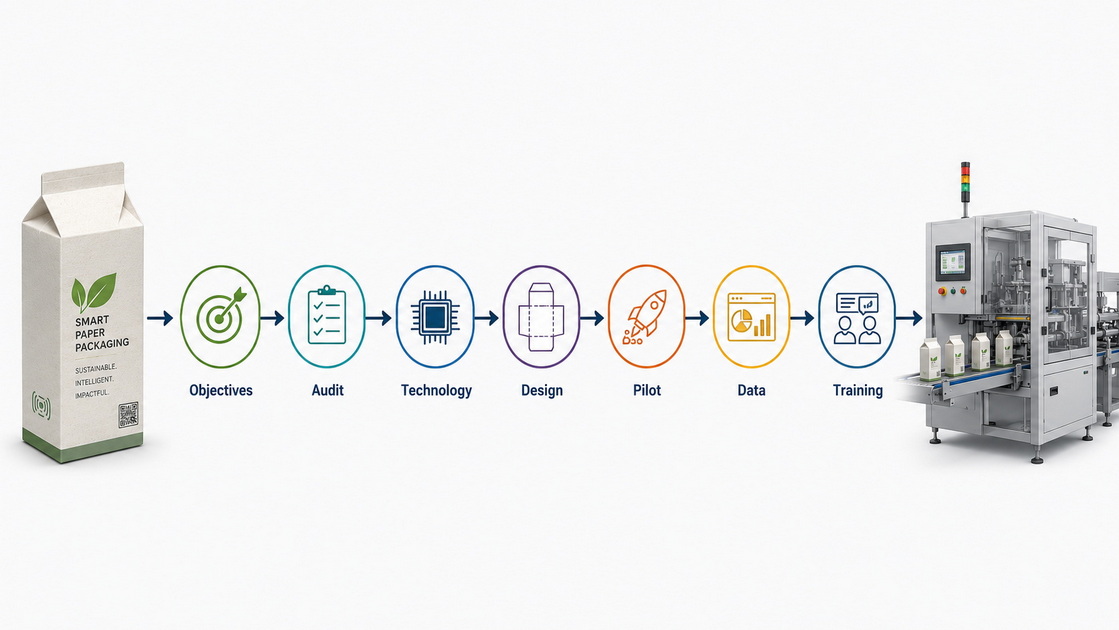
From my perspective as a packaging and SEO strategist working with OEM/ODM manufacturers, the most successful smart packaging projects follow a structured, practical roadmap:
1. Clarify business objectives. Decide whether you are targeting shelf life, sustainability compliance, customer engagement, anti‑counterfeiting or supply‑chain visibility—and rank these objectives. [packagingworldinsights]
2. Audit current packaging and equipment. Assess whether existing paper packaging formats and machinery can support smart features such as QR printing, label application or special coatings without major downtime. [kylinmachines]
3. Choose suitable smart technologies. For many brands, starting with print‑based smart features (QR, serialized barcodes, basic temperature labels) on paper packaging is a low‑risk first step before integrating NFC or RFID. [inlineplastics]
4. Design with recyclability in mind. Ensure the smart elements do not compromise paper recovery—for instance, focusing on removable labels or minimally invasive electronics. [mm]
5. Pilot on a limited SKU range. Test performance, consumer response and data quality on selected product lines before scaling. [mordorintelligence]
6. Integrate data with digital systems. Connect smart packaging to CRM, inventory, sustainability reporting and marketing automation tools for full value capture. [kylinmachines]
7. Train operations and marketing teams together. Smart packaging works best when plant engineers, quality managers and marketers co‑own the strategy and understand the new data flows. [packagingworldinsights]
For HLun Pack, positioning as a comprehensive paper packaging and equipment solutions provider means guiding customers through this roadmap—offering consultative design, machinery integration and ongoing optimization support. [kylinmachines]
Smart packaging is no longer optional for brands that want to remain competitive, compliant and relevant in 2026 and beyond. By combining paper‑based packaging formats with intelligent and active features, manufacturers can unlock new levels of safety, efficiency, transparency and customer engagement—without sacrificing sustainability. [mm]
If you are exploring how to bring smart packaging into your production lines or searching for equipment that can handle smart‑ready paper packaging at scale, HLun Pack can help. As a dedicated paper packaging and packaging equipment manufacturer, we focus on integrated solutions that align machinery capabilities, material innovation and digital strategy.
Talk to HLun Pack today to design and deploy smart paper packaging solutions that future‑proof your brand and turn every package into a powerful, sustainable touchpoint.
Q1: Is smart packaging only relevant for large brands?
A: No. Thanks to lower‑cost QR codes, basic smart labels and flexible digital printing, small and mid‑size brands can adopt entry‑level smart paper packaging without major investment, then scale into advanced sensors or NFC as ROI becomes clear. [kylinmachines]
Q2: Does smart packaging make recycling harder?
A: Not if it is designed correctly. Paper‑based smart packaging that uses mono‑material boards, removable tags and minimal electronics can remain fully recyclable while still integrating digital features. [mm]
Q3: What's the fastest way to start with smart packaging in a paper‑focused factory?
A: Begin with printed QR codes plus simple traceability systems on selected SKUs, then add temperature or freshness indicators for high‑risk products. This approach uses existing printing and converting equipment with minimal redesign. [kylinmachines]
Q4: How does smart packaging improve supply‑chain visibility?
A: By linking each package to unique identifiers and sensors, brands can track location, condition and timing across the entire journey, which reduces losses, improves forecasting and strengthens collaboration with logistics partners. [mordorintelligence]
Q5: What role will AI play in smart packaging going forward?
A: AI is already helping optimize structural design, predict failure points, personalize artwork and analyze data collected from smart packages, making packaging systems more efficient and customer‑centric over time. [clydepresentationpackaging]
1. PackMojo – "A Complete Guide On Smart Packaging" (2020). [mm]
2. MM Group – "Five Trends Shaping the Packaging Industry in 2026".
https://mm.group/news/packaging/five-trends-shaping-the-packaging-industry-in-2026/
3. Research and Markets – "Smart Packaging Market Outlook 2026–2034".
target="_blank">https://www.researchandmarkets.com/reports/5687478/smart-packaging-market-outlook-2026-2034-market
4. MarkNtel Advisors – "Smart Packaging Market Report 2026–2032".
https://www.marknteladvisors.com/research-library/smart-packaging-market-report.html
5. Mordor Intelligence – "Smart Packaging Market Size, Share & Trends 2026–2031".
https://www.mordorintelligence.com/industry-reports/smart-packaging-market
6. Inline Plastics – "Smart Labels and Other Packaging Trends for 2026".
https://www.inlineplastics.com/blog/smart-labels-and-other-packaging-trends-for-2026/
7. Clyde Presentation Packaging – "5 Packaging Trends for 2026".
https://www.clydepresentationpackaging.com/5-packaging-trends-for-2026/
8. Kylin Machine – "Smart Packaging Revolution 2026: Trends Reshaping the Industry".
https://kylinmachines.com/how-intelligence-is-reshaping-the-printing-packaging-industry/
9. Kylin Machine – "Smart Packaging Revolution: How Intelligent Tech Is Reshaping Print & Pack 2026".
https://kylinmachines.com/smart-packaging-revolution-how-intelligent-tech-is-reshaping-print-pack-2026/
10. Packaging World Insights – "The Key Trends Shaping the Packaging Industry in 2026".
https://www.packagingworldinsights.com/trends/the-key-trends-shaping-the-packaging-industry-in-2026/


