


close
Choose Your Site
Global
Social Media
Views: 222 Author: Amanda Publish Time: 2026-01-27 Origin: Site


Content Menu
● What Are Folding Cartons? (Definition, Materials, Core Benefits)
● Why Choosing the Right Folding Carton Style Matters
>> Product Protection, Safety and Compliance
>> Brand Experience and Shelf Impact
>> Consumer Convenience and Engagement
● Key Factors When Choosing a Folding Carton Style
>> Product Size, Shape and Weight
>> Branding, Aesthetics and Graphic Space
>> Functional Requirements and Supply Chain Flow
● Main Types of Folding Cartons (By Material)
● Popular Folding Carton Box Styles and Their Uses
>> Tuck End Box Styles (STE, RTE, FRT)
>> Bottom Closure Styles (Snap-Lock & Auto-Lock)
>> Two-Piece Box Styles (Tray & Lid, Six Corner)
>> Specialty Retail & Display Styles
>> Enhanced Functional Packaging (Inserts, Cutouts, Tabs)
● Folding Carton Applications by Industry
>> Cosmetics and Personal Care
>> Pharmaceuticals and Healthcare
>> Electronics and Consumer Goods
● Sustainability and Folding Carton Design
>> Eco-Friendly Materials and Certifications
>> Sustainable Structural and Graphic Design
● 2025–2026 Trends in Folding Carton Packaging
● Practical Steps to Choose the Right Folding Carton
>> Step 1: Clarify Product and Channel Requirements
>> Step 2: Select Material and Sustainability Targets
>> Step 3: Match a Core Style to Your Needs
>> Step 4: Design Structure for Machinery and Logistics
>> Step 5: Finalize Graphics, Finishes and Functional Add-Ons
● Why Partner with HLun Pack for Folding Cartons & Integrated Packaging Lines
● Folding Carton Styles and Typical Uses
● Call to Action: Design and Automate Your Folding Carton Packaging with HLun Pack
● FAQs About Folding Carton Box Styles
>> Q1. What is the difference between Straight Tuck End and Reverse Tuck End cartons?
>> Q2. Which folding carton style is best for heavy products?
>> Q3. Are folding cartons suitable for e-commerce packaging?
>> Q4. How can I make my folding cartons more sustainable?
>> Q5. Why should I work with an integrated supplier like HLun Pack?
Folding cartons are paper-based packaging boxes that are shipped flat and assembled into shape when needed, making them highly efficient for storage and transport. They are typically made from paperboard or lightweight corrugated board and are widely used in food, cosmetics, pharmaceuticals, electronics and many other consumer goods sectors. Folding cartons provide product protection, brandable exterior surfaces and ample space for regulatory information, making them one of the most versatile secondary packaging formats. When designed correctly, they balance cost, printability, sustainability and performance across the entire supply chain. For manufacturers and brands, they are often the first touchpoint between the product and the customer on the shelf or online.
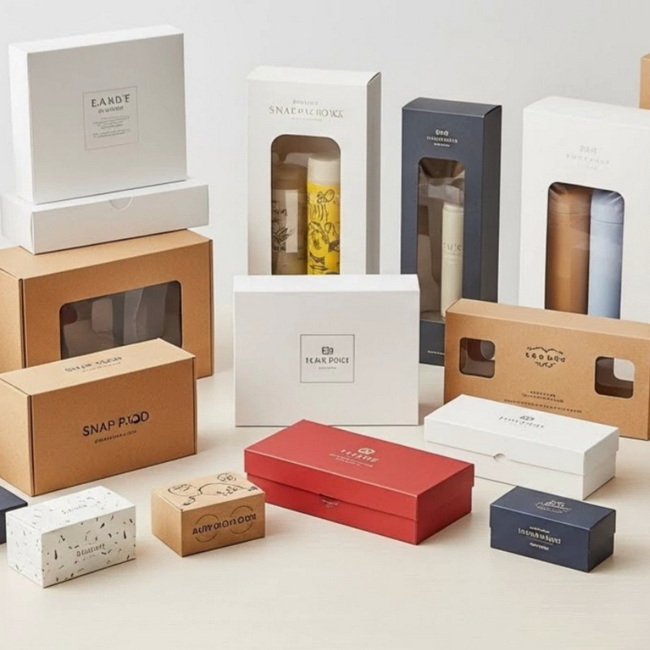
The structural design of a folding carton directly affects how well the product survives filling, warehousing, shipping and retail handling. Lock bottom and crash bottom styles offer stronger bases for heavier items, while tuck end boxes suit lightweight to medium-weight products. Boxes with inserts or two-piece rigid-style cartons provide added cushioning and compartmentalization for fragile or premium products. In regulated industries like food and pharma, styles must leave enough panel space for legal text, barcodes and tamper-evident features. Brands can also integrate friction locks, perforations and security seals to prevent accidental opening and improve safety.
A carton is not just a container; it is a brand storytelling surface that shapes first impressions and unboxing. Clean front panels, uninterrupted edges and well-placed windows can elevate perceived value, especially for cosmetics and electronics. Premium styles like two-piece boxes, sleeves and French reverse tuck designs reinforce luxury positioning and justify higher price points. Finishes such as foil, embossing, soft-touch or high-gloss coatings signal quality and help your product stand out in crowded categories. For omnichannel brands, consistent graphics across folding cartons, e-commerce mailers and in-store displays are critical for recognition.
Thoughtful carton styles can simplify usage and enhance customer satisfaction. Easy-open features, thumb tabs, tear strips and clear opening cues reduce frustration and support repeat purchases. Hang tabs and counter displays improve product visibility and accessibility at the point of sale, driving impulse buys in retail environments. Windows, cutouts and tactile openings give shoppers a preview of the product while keeping it secure, which is especially useful for cosmetics and gadgets. Increasingly, brands add QR codes or NFC tags to folding cartons to provide instructions, authenticity checks and sustainability stories via smartphones.
Start with the physical properties of your product. A carton that is too tight may crush or deform contents, while an oversized one wastes material and raises freight costs. Tuck end cartons work well for compact, lightweight items like cosmetics, blister cards or small electronics accessories. Heavier products such as glass bottles, jars or multi-piece sets benefit from snap-lock or auto-lock bottoms for stability. Irregular shapes might require custom inserts, dividers or die-cuts to minimize movement and damage during transit.
Your folding carton should visually align with your brand positioning and category norms. Minimalist designs with clean lines and kraft substrates signal eco-friendliness and authenticity. High-end cosmetics or gift items often rely on rigid-feel two-piece boxes, specialty coatings and metallic foils for a luxurious impression. Consider sleeve packaging or box sleeves when you want to run a standard inner box but flex graphics for seasons, campaigns or regional SKUs. Five-panel or book-style designs offer extra printing real estate for storytelling, multi-language text or cross-selling.
Think through where and how the carton will travel and be used. For retail, five-panel hanger boxes and counter display boxes maximize visibility in limited shelf space. E-commerce and direct-to-consumer shipping demand stronger structures, reinforced edges and secure closures to withstand parcel networks. On high-speed lines, auto-lock bottoms and standardized footprints improve packing efficiency and reduce labor. For brands operating multiple SKUs, modular carton sizes and shared tooling can cut costs and simplify inventory.
Paperboard folding cartons use a single layer of solid bleached sulfate, coated recycled board or kraft board, making them lightweight and highly printable. They are the standard choice for cosmetics, personal care, over-the-counter pharma, cereal, snacks and many fast-moving consumer goods. Paperboard supports rich color reproduction, specialty varnishes and precise die-cutting, enabling creative windows and structural features. Brands seeking premium finishes or intricate artwork usually favor coated paperboard for optimal visual impact.
Corrugated folding cartons combine a fluted medium with linerboard to create stronger, more impact-resistant structures. They are preferred for heavier products, multipacks, e-commerce shippers and situations where stacking strength is critical. Advances in digital printing allow high-quality graphics on corrugated substrates, narrowing the gap with traditional paperboard for branding. In many cases, brands deploy a paperboard primary carton inside a corrugated shipper for dual protection and premium shelf presence.
Tuck end boxes are among the most versatile and widely-used folding carton styles.
Straight Tuck End (STE): Top and bottom tuck in the same direction, eliminating raw edges on the front panel and creating a clean, premium look for cosmetics and electronics.
Reverse Tuck End (RTE): Top and bottom tuck in opposite directions, offering good structural balance and efficient material usage, commonly used in food, pharma and general retail.
French Reverse Tuck (FRT): A refined variation of RTE with enhanced presentation details, often chosen for luxury or boutique products.
Tuck end cartons are easy to assemble, compatible with automatic filling equipment and suitable for light to medium-weight products.
Bottom closure boxes add strength and security where it matters most.
Tuck Top Snap-Lock Bottom (TTSLB / 1-2-3 Bottom): Requires manual folding of bottom flaps but delivers a reinforced base ideal for heavier items that still need attractive top panels.
Tuck Top Auto Bottom (TTAB): The pre-glued base automatically pops into place when opened, combining strong support with very fast line assembly.
These styles are particularly useful in food, beverage, personal care and small appliance categories where weight and handling stress are higher.
Two-piece boxes deliver a premium unboxing experience and robust protection.
Double Wall Tray & Lid: Separate base and lid provide rigidity and upgrade perceived value, ideal for jewelry, apparel, gift sets and limited-edition products.
Six Corner Box: A more complex structural style offering enhanced durability and better load-bearing capacity for heavier or delicate items.
Because of their presentation value, two-piece cartons often combine high-end materials, specialty finishes and custom inserts.
Specialty folding carton styles are designed around specific marketing and merchandising goals.
Holster Boxes: Compact open-top styles that expose part of the product while securing it, suitable for small retail items.
Sleeve Packaging: A printed sleeve wraps around an inner tray or box, delivering a minimalist look and strong shelf presence while using less board.
Counter Display Boxes: Convert from a shipping container into an on-counter display, maximizing visibility and driving impulse purchases.
Five-Panel Hanger Boxes: Incorporate a hanging tab for peg displays, ideal where shelf real estate is limited and vertical merchandising dominates.
Enhanced functional features extend performance beyond standard box forms.
Boxes with Inserts: Custom nests, dividers or platforms hold products in place, reduce breakage and create organized presentations for multipacks or fragile goods.
Boxes with Custom Cutouts: Die-cut windows or shapes allow consumers to see or touch the product, increasing trust and engagement, especially in cosmetics and personal care.
Boxes with Thumb Tabs: Small cutouts that guide the user's fingers for easier opening and closing, improving accessibility for frequent-use items like food sachets or medications.
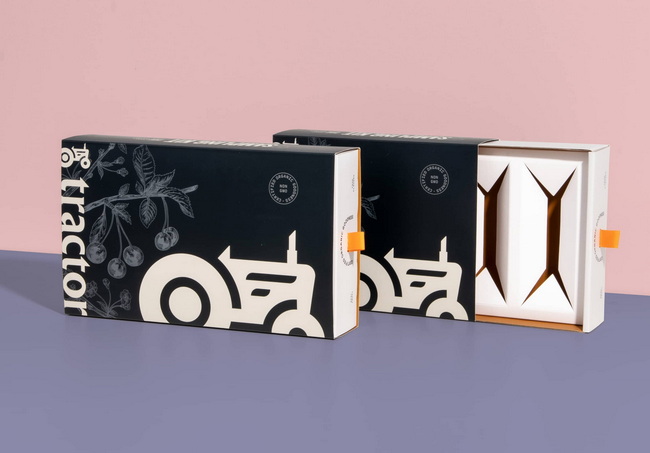
Food and beverage folding cartons must balance safety, branding and logistics. Tuck top auto bottom and sleeve styles are popular for snacks, desserts and ready meals because they are fast to erect and display well on shelves. Boards compatible with food-contact regulations plus coatings that resist grease or moisture are essential for many applications. Structural designs should also consider line speeds, carton erecting equipment and retail-ready display requirements. Sustainability is increasingly important, driving demand for recyclable and responsibly sourced paperboard in food packaging.
In beauty categories, folding cartons are often the primary brand carrier. Two-piece boxes, sleeves and custom cutout styles convey luxury and highlight the product inside. High-fidelity printing and specialty finishes help differentiate in crowded shelves and premium online listings. Inserts keep glass bottles, droppers or palettes secure and aligned for perfect presentation when the consumer opens the box. Many cosmetic brands are also shifting to minimalist, eco-forward designs to reflect clean and sustainable brand values.
Pharmaceutical folding cartons must prioritize accuracy, safety and compliance. Reverse tuck end boxes with secure closures provide reliable protection for blister packs, vials and small devices. Cartons require space for dosage instructions, warnings, serialization codes and tamper-evident features to meet regulatory standards. Design consistency across strengths, flavors or dosage forms reduces confusion for patients and healthcare professionals.
Electronics packaging demands durability and clarity. Lock bottom boxes and reinforced structures handle the weight of chargers, accessories or small devices while protecting against drops. Counter display boxes and hanger styles help accessories gain visibility in retail environments. For higher-value devices, two-piece boxes with inserts and foam or paperboard cradles deliver a premium, tech-forward unboxing experience.
Folding cartons are inherently well-positioned for sustainability because they rely on renewable fiber-based materials that can be recycled in many regions. Brands increasingly specify recycled or certified paperboard, as well as plant-based or low-impact coatings to reduce environmental footprints. Kraft and uncoated boards create a natural look that appeals to eco-conscious consumers and communicates authenticity. Market trends show continued growth in folding carton demand, driven partly by substitution away from plastics toward fiber packaging.
Beyond material choice, smart design can make folding cartons more sustainable. Optimizing dimensions reduces board waste and shipping volume, lowering overall carbon impact. Simplifying constructions, minimizing unnecessary inserts and designing for easy flattening improve recyclability and end-of-life processing. Reduced-ink, minimalist artwork and water-based inks further minimize environmental impact while aligning with modern aesthetic trends. Brands that clearly communicate recyclability and disposal instructions on-pack help consumers complete the sustainability loop.
The folding carton market is expected to continue growing through 2025 and 2026 as brands seek sustainable, cost-effective packaging for global supply chains. Key trends include a strong move to recyclable and compostable boards, wider adoption of digital and short-run printing, and increased use of smart features such as QR codes. Many companies are redesigning cartons to use less material while improving strength, using reinforced corners and innovative structural engineering. Personalization, limited editions and localized artwork are also rising as digital printing makes it economical to run smaller batches with unique designs.
Define product weight, fragility, dimensions and whether the item will be sold in retail, e-commerce or both. Identify any regulatory or labeling obligations for your category, such as nutrition panels, pharma warnings or multilingual information.
Decide on paperboard versus corrugated based on required strength and desired appearance. Set goals for recycled content, certifications and recyclability so your packaging aligns with brand sustainability commitments.
For lightweight, shelf-focused items, consider straight tuck end or reverse tuck end cartons. For heavier products, prioritize snap-lock or auto-lock bottoms, possibly combined with inserts or two-piece formats for added security.
Confirm that the chosen style can run efficiently on your existing packaging machinery or lines. Check palletization, transport stacking and retail display requirements to avoid damage and optimize cube utilization.
Align visual design with your brand strategy, adding windows, thumb tabs or hangers where needed. Choose coatings and embellishments that support both aesthetics and recyclability goals.
HLun Pack operates a professional packaging materials factory and a dedicated packaging machinery factory, enabling true end-to-end support. With decades of experience in paper packaging materials and packaging machinery, the company delivers both high-quality folding cartons and compatible equipment from a single source. HLun Pack offers custom paper packaging, including various folding carton styles, alongside flexible packaging and automated filling and packing lines for food, chemicals and pharmaceuticals. This integrated approach allows brands to optimize carton design, machinery compatibility and overall packaging efficiency for global markets.
Carton style | Typical weight range | Common applications | Key advantages |
Straight Tuck End (STE) | Light to medium | Cosmetics, electronics accessories, OTC | Clean front face, premium look |
Reverse Tuck End (RTE) | Light to medium | Food cartons, pharma, small retail | Efficient material use, versatile |
Snap-Lock Bottom (1-2-3) | Medium to heavier | Jars, bottles, bulkier items | Strong base, good for heavier loads |
Auto-Lock Bottom (TTAB) | Medium to heavier | High-speed lines, food, personal care | Fast assembly, strong bottom |
Two-Piece Tray & Lid | Light to heavy, often premium | Gifts, jewelry, luxury sets | High perceived value, rigid feel |
Sleeve Packaging | Light to medium | Food sleeves, cosmetics, promo editions | Material savings, flexible graphics |
Counter Display Box | Light items, multi-SKU | Impulse retail at checkout | Converts from shipper to display |
Five-Panel Hanger Box | Light | Toys, accessories, small electronics | Suited for peg displays, strong visibility |
If you are ready to upgrade from basic boxes to high-performance folding cartons that run smoothly on your lines, HLun Pack is ready to support your next project. Our specialists can guide you from structural design and material selection to printing, converting and integration with automated filling and cartoning equipment. Whether you need retail-ready cartons, e-commerce-ready structures or full-process packaging solutions, we tailor every design to your product, market and sustainability goals. Contact HLun Pack today to request a consultation, obtain custom samples and start building an integrated folding carton packaging solution that gives your brand a measurable competitive advantage.
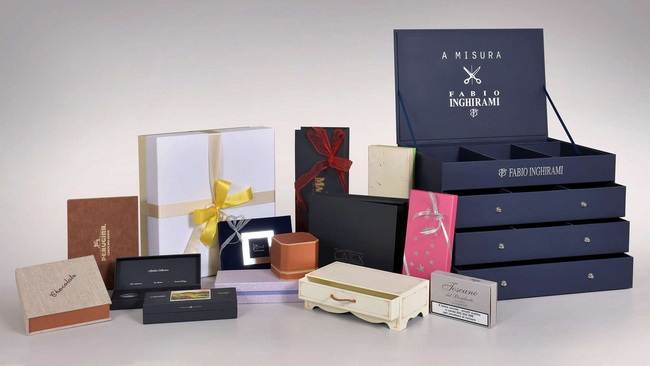
A1. Straight tuck end cartons have both top and bottom panels tucking in the same direction, creating a seamless front panel that is ideal for premium branding. Reverse tuck end cartons have the top and bottom panels tucking in opposite directions, which improves material efficiency and provides a very versatile structure for many everyday products.
A2. For heavier or dense products, snap-lock (1-2-3) and auto-lock bottom cartons are usually the best options, because they offer a stronger base than simple tuck bottoms. For very fragile or premium items, combining these bases with inserts or two-piece formats provides additional safety and support.
A3. Folding cartons can be suitable for e-commerce as long as they are designed with reinforced structures, secure closures and the right material strength. Many brands use a folding carton as the branded inner pack and combine it with an outer shipper or mailer box to deliver both protection and a high-quality unboxing experience.
A4. You can increase sustainability by using recycled or certified paperboard, optimizing dimensions to reduce material usage and transport volume, and avoiding unnecessary components. Choosing recyclable coatings, minimizing ink coverage and clearly communicating disposal guidance on the pack also help your customers recycle effectively.
A5. An integrated supplier that provides both folding cartons and packaging machinery can align structural design with equipment capabilities right from the start. This approach improves line efficiency, reduces trial-and-error costs and ensures consistent quality from design through to mass production, giving you faster launches and more reliable performance.
1. https://pakfactory.com/blog/a-guide-to-different-types-of-folding-carto


