


close
Choose Your Site
Global
Social Media
Views: 222 Author: Amanda Publish Time: 2026-01-30 Origin: Site


Content Menu
● What Is Unique Packaging Design?
● Why Unique Packaging Matters for Modern Brands
● 10 Unique Packaging Designs – Updated and Expanded
>> 1. Coffin-Shaped Cigarette Packaging: Design as a Warning
>> 2. “Bee in a Bottle” Honey Packaging
>> 3. Sculptural Milk Carton Concept
>> 4. “Note” Headphones Packaging: Using the Product as Design
>> 5. Fresh Juice Packaging with Fruit-Like Visuals
>> 6. “Peanuts & Shells” Dual-Compartment Bag
>> 7. Bloomers Lingerie: Packaging as a Flower
>> 8. Hudson Made Soaps: Self-Opening Box
>> 9. Hay Packaging for Eggs and Meat
>> 10. All-in-One Fast Food Carrier
● Extra Sections to Add Depth and Value
>> 11. How to Plan a Unique Packaging Design (Step-by-Step)
>> 12. Practical Criteria for Evaluating Unique Packaging Concepts
>> 13. How HLun Pack Supports Unique Packaging for Growing Brands
● Unique Packaging Concepts and Brand Use
● FAQs about Unique Packaging Design
>> FAQ 1: What makes packaging design “unique” rather than just attractive?
>> FAQ 2: Is unique packaging always more expensive to produce?
>> FAQ 3: How can I ensure my unique packaging is still sustainable?
>> FAQ 4: Can small brands afford structural innovations like special openings or dual compartments?
>> FAQ 5: How do I know if my packaging concept will work on real production lines?
Packaging is no longer just a box – it is a strategic tool for branding, conversion, and customer experience, especially for brands working with professional packaging manufacturers and machinery providers like HLun Pack.
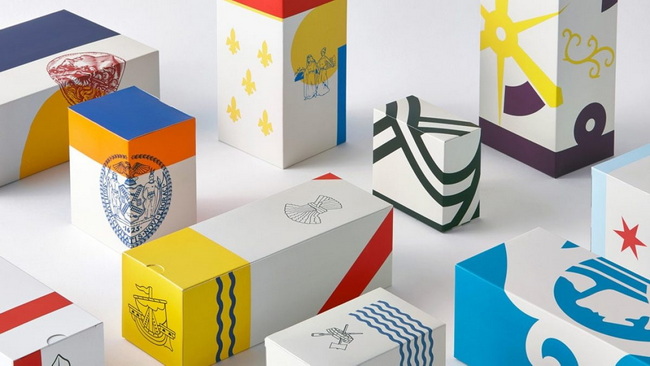
Unique packaging design goes beyond visual appeal and focuses on functionality, storytelling, sustainability, and user experience to create a memorable unboxing moment.
A truly unique concept usually has at least one of these elements:
- A strong, instantly recognizable visual idea
- A clever structure or opening mechanism
- A functional improvement, such as easier carrying, storing, or reusing
- A clear link to the brand story or product benefit
For brands that sell online or in retail, unique packaging can increase perceived value, boost social media shares, and justify premium pricing.
Modern customers expect more than a plain box; they expect experience-driven packaging that reflects your brand values and solves real problems.
Key benefits of innovative packaging include:
- Stronger first impression and brand recall
- Higher unboxing satisfaction and repeat purchase intention
- Better product protection and lower damage or return rates
- Clearer brand positioning, such as eco-friendly, premium, fun, or minimalist
When combined with the right packaging machinery and comprehensive packaging solutions, brands can scale these creative ideas efficiently and consistently.
Below is a restructured and enhanced look at 10 core concepts, with added insights, pros and cons, and inspiration for your own projects.
This cigarette pack is shaped like a coffin, turning the well-known “smoking kills” message into a physical object.
Why it works:
- Ultra-clear message: the structure itself communicates danger
- High shock value and strong emotional reaction
- Ideal as a public-awareness or concept project
Considerations for brands:
- Works more as a campaign piece than a mass-market solution
- May face regulation and retail display restrictions
Where to use similar logic:
- Health warnings, anti-waste messaging, or limited-edition activism-focused packaging projects
This honey concept places the product in a bottle that visually reinforces the bee and hive story, creating a charming and premium look.
Why it works:
- Strong connection between product origin and packaging design
- High shelf impact in gourmet or specialty stores
- Great storytelling potential on labels and secondary packaging
Practical tips:
- Combine transparent containers with structural or label elements that reference nature
- Use eco-friendly materials such as glass and recyclable cardboard to reinforce the “natural” narrative
The redesigned milk carton uses a highly artistic, sculptural form that looks stunning but is less practical for daily use.
Why it works visually:
- Strong design statement and conversation starter
- Ideal for concept presentations, limited editions, or design awards
Limitations:
- Potentially inefficient for stacking and transport
- May require custom machinery or complex forming tools
Brand takeaway:
- Use this type of concept for flagship lines or collaborations, while keeping a more efficient structure for mass production.
This concept uses the headphone cable itself to create a musical note shape within the packaging, turning the product into part of the visual story.
Why it works:
- Smart integration of product and structure
- Strong alignment with the product's core use, which is music
- Memorable on shelves and in unboxing photos
Implementation tips:
- Design insert trays, hooks, and channels that allow cables or accessories to form intentional shapes
- Keep assembly simple to avoid slowing down your packing line
The juice packaging concept blends minimalism with an immediate feeling of freshness, often using fruit illustrations or structural cues that suggest the original fruit.
Why it works:
- Instantly communicates flavor and freshness
- Minimalist front panels make key messages easy to read
- Works well across multiple SKUs such as orange, apple, and mixed fruit
Practical considerations:
- Choose materials compatible with cold-chain and liquid products
- Make sure any unusual shapes still fit efficiently in cartons and on pallets
This clever design includes a dedicated pocket for shells in the same bag as the peanuts, solving a very common user problem.
Why it works:
- Clear functional improvement, not just visual creativity
- Keeps tables, laps, and cars cleaner during snacking
- Easy to communicate with one simple illustration on the front
Brand opportunities:
- Apply this dual-compartment idea to other snack categories such as seeds, pistachios, or candy wrappers
- Use it as a differentiator in crowded snack markets
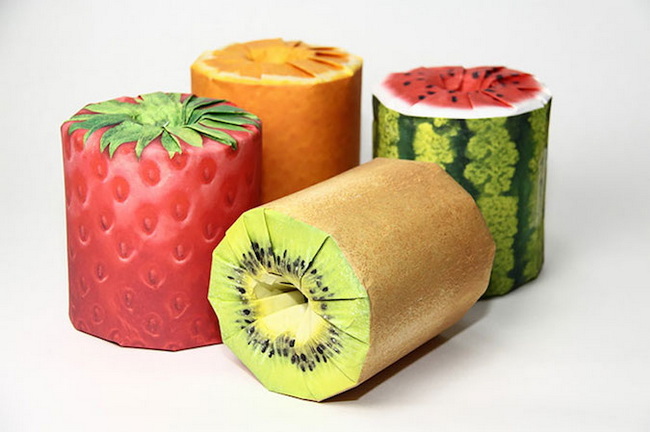
Bloomers lingerie packaging opens like a blossoming flower, transforming the unboxing into a gift ritual.
Why it works:
- Strong emotional impact for a personal, intimate product
- Reinforces femininity, delicacy, and premium positioning
- Excellent for gifting occasions, including Valentine's Day, anniversaries, and bridal events
Implementation tips:
- Use die-cut and folding structures that can be produced at scale
- Combine with soft-touch finishes, ribbons, or certified boards for a premium yet sustainable feel
Hudson Made premium soaps use a cardboard box that, once untied, opens itself and presents the soap, creating a mini “stage” for the product.
Why it works:
- Simple yet surprising opening mechanism
- Good balance between protection and presentation
- Easy to adapt across scents and product lines via different prints
Production guidance:
- Ensure the structure runs smoothly on your folding-gluing machinery
- Test opening performance after transport to avoid accidental opening
In this concept, eggs and some meat products are packed in hardened dried grass, replacing traditional egg cartons with a fully natural protective shell.
Why it works:
- Strong eco and farm-to-table signaling
- Visual and tactile uniqueness
- Aligns well with organic or small-farm branding
Challenges:
- Material consistency, hygiene, and certification requirements
- Potentially higher cost and more complex sourcing
Use cases:
- Limited-edition organic ranges, farmers' markets, and local premium lines
This multi-slot fast food carrier holds burgers, fries, and boxes in structured strips that fold into a single, portable bag.
Why it works:
- Combines tray, carrier, and bag into one system
- Easier to carry multiple items with one hand
- Reduces need for additional bags or trays
For QSR and delivery brands:
- Combine with heat-retaining materials and clear branding
- Design versions optimized for motorcycle or bicycle delivery boxes
To truly outperform competing content and align with high authority standards, brands should go beyond pure inspiration and include strategy, process, and implementation guidance.
Use this simple framework to move from idea to mass-produced packaging with your packaging partner.
1. Define the goal
- Decide whether you want to increase perceived value, reduce returns, support sustainability claims, or improve logistics.
2. Understand your product and user journey
- Clarify where the product is sold, such as online, retail, or wholesale.
- Map how it is shipped, stored, and opened.
3. Choose a core creative hook
- Focus on structure, such as shape or opening mechanism.
- Emphasize visual narrative, such as illustrations, typography, or textures.
- Add a functional twist, such as dual compartments, handles, or resealability.
4. Align with production realities
- Talk early with your packaging materials manufacturer and machinery provider to ensure the idea is scalable.
5. Prototype and test
- Test with real customers for clarity, usability, and perceived quality.
6. Scale with the right equipment
- Use suitable packaging machinery for cutting, forming, gluing, or filling to keep unit costs under control.
Before investing in a creative design, evaluate it with a simple scorecard.
Key criteria to consider:
- Brand fit: Does it express your brand values clearly and consistently?
- User experience: Is it easy to open, carry, store, and dispose of?
- Production feasibility: Can it be produced reliably with existing or planned machinery?
- Sustainability: Are materials recyclable, reusable, or compostable where possible?
- Logistics efficiency: Can you pack, palletize, and ship it without excessive waste or damage?
Unique packaging should be creative and realistic, not just beautiful in a mockup.
As a professional packaging materials factory and integrated packaging solutions provider, HLun Pack can support brands from idea to implementation.
Typical ways HLun Pack helps:
- Material selection: Matching your concept, such as eco, premium, light-weight, or high-strength, with the right paperboard, corrugated, film, or composite structures.
- Structural engineering: Translating creative sketches into dielines optimized for automated production.
- Packaging machinery integration: Recommending or supplying forming, filling, sealing, and boxing equipment that works seamlessly with your chosen design.
- End-to-end solutions: From raw materials to finished packaging, ensuring consistency, efficiency, and brand-level quality.
This combination of creativity, engineering, and machinery is what turns unique packaging ideas into profitable, scalable reality.
| Concept | Main Strength | Best For |
|---|---|---|
| Coffin-shaped cigarette box | Strong social message | Awareness campaigns, anti-smoking projects |
| “Bee in a bottle” honey | Storytelling & origin | Premium honey, natural food brands |
| Sculptural milk carton | Visual shock value | Limited editions, design collaborations |
| Note headphones packaging | Product integration | Audio accessories, music brands |
| Fresh juice packaging | Flavor clarity & freshness | FMCG beverages, healthy lifestyle products |
| Peanuts & shells dual bag | Functional problem-solving | Snacks, convenience food |
| Bloomers flower lingerie box | Emotional gifting | Intimate apparel, premium gift sets |
| Hudson Made soaps box | Ritualized unboxing | Artisan cosmetics, boutique hotels |
| Hay packaging for eggs & meat | Eco authenticity | Organic farms, local producers |
| Fast food all-in-one carrier | Convenience & portability | QSR chains, delivery-first concepts |
If you are ready to transform your packaging from a simple container into a powerful brand experience, it is time to take the next step. Contact HLun Pack today to discuss your unique packaging ideas, get professional material and structural recommendations, and explore how our integrated packaging machinery and solutions can help you launch scalable, efficient, and memorable packaging for your products.
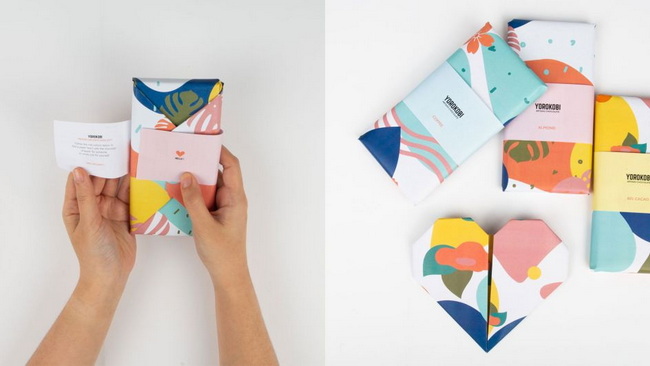
Unique packaging design combines visual originality with functional or emotional value. It should either solve a problem, tell a compelling story, or create a memorable unboxing ritual, not just look different.
Not necessarily. By working with a professional packaging materials factory and the right machinery, you can often adapt creative ideas to standard formats, keeping costs under control while retaining a distinctive look.
Choose recyclable or compostable materials where possible, minimize unnecessary layers, and design structures that use material efficiently while still delivering a premium experience.
Yes. By starting with targeted SKUs or limited editions, and with proper engineering and the right manufacturing partner, even smaller runs of structural innovations can be feasible.
Involve your packaging supplier and machinery provider early, request prototypes and line tests, and validate that the design can be formed, filled, sealed, and shipped reliably at your target speed and volume.


