


close
Choose Your Site
Global
Social Media
Views: 222 Author: Amanda Publish Time: 2026-01-27 Origin: Site


Content Menu
● Why Inexpensive Packaging Ideas Matter More Than Ever in 2026
● 7 Cool Packaging Ideas That Are Surprisingly Inexpensive
>> 1. Go Digital With Printing for Short Runs
>> 2. Embrace a Vintage Look With Simple Materials
>> 3. Add Interior Printing for a Surprise Unboxing
>> 4. Use Custom Sleeves Instead of Full Box Printing
>> 5. Upgrade With Affordable Foil Stamping Details
>> 6. Enhance Perceived Value With Tissue Paper and Inserts
>> 7. Personalize With Stickers and Labels
● 3 New Budget-Friendly Packaging Strategies for 2026
>> 8. Lightweight Eco Materials to Cut Shipping Costs
>> 9. Modular Packaging Systems for Multiple SKUs
>> 10. Smart Layouts That Match Your Packing Line
● Cost, Impact and Best Use Cases (Quick Reference Table)
● How to Choose the Right Inexpensive Packaging Idea (Step-by-Step)
● Why Work With HLun Pack for Cost-Effective Packaging Solutions
● FAQs About Inexpensive Packaging Ideas
>> 1. Are inexpensive packaging ideas only suitable for small brands?
>> 2. How do I keep packaging eco-friendly and inexpensive at the same time?
>> 3. Which inexpensive packaging idea is best for e-commerce?
>> 4. How can I test new packaging ideas without committing to huge volumes?
>> 5. Can HLun Pack help integrate packaging materials with my existing machinery?
Cool inexpensive packaging ideas prove that you do not need a huge budget to create memorable unboxing experiences and premium-looking products. By choosing the right materials, print methods, and add-ons, brands can reduce costs while still improving branding, protection, and logistics efficiency across the supply chain.
In 2026, customers expect packaging to be sustainable, good-looking, and practical, even for entry-level products. That means your challenge is not “cheap vs expensive”, but how to invest smartly in the parts of packaging that matter most for perception and performance.
As an integrated packaging materials and machinery partner, HLun Pack helps brands turn creative but inexpensive ideas into stable mass production, from paper and flexible materials to automated packing lines.
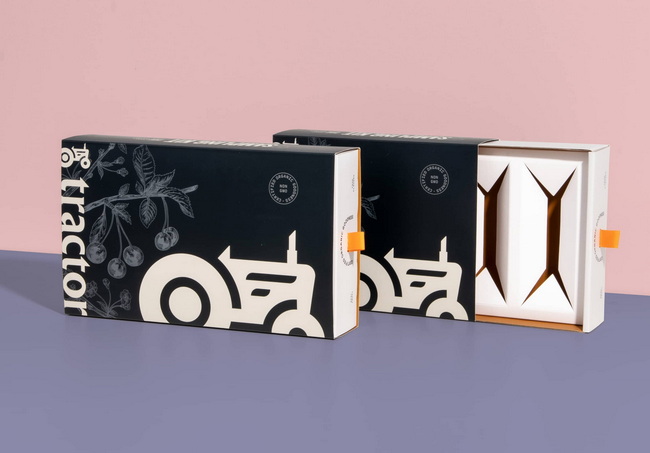
In 2026, packaging costs are impacted by higher material prices, labor costs, and international shipping rates, especially for e-commerce and export businesses. At the same time, consumers are more sensitive to sustainability, waste reduction, and the perceived value of the unboxing experience.
Focusing on affordable packaging design helps you:
- Control cost per unit while still improving brand recognition.
- Test new designs quickly without committing to large, risky print runs.
- Shift budget from heavy materials to smart touches like printing, inserts, and small structural changes.
For growing brands, inexpensive packaging ideas are often the fastest way to upgrade your presentation without rebuilding your entire packaging system.
Digital printing replaces traditional plates and long setup processes with a direct-to-press workflow, which dramatically reduces setup cost for small and medium runs. This makes it ideal for seasonal designs, limited editions, or frequent design testing without paying for new plates each time.
Key advantages:
- Lower upfront cost for small batches because there are no plate fees.
- Fast turnaround, suitable for time-sensitive campaigns.
- Easy versioning with different SKUs, languages, or personalized messages in a single run.
A vintage or retro aesthetic often relies on minimalist printing on kraft or natural papers, which are typically more cost-effective than heavily coated and fully printed substrates. Using limited colors, simple typography, and rustic textures can look intentional and premium while staying budget-friendly.
Why this saves money:
- Fewer ink colors and simpler artwork reduce print complexity.
- Kraft and uncoated boards are widely available and compatible with many packing machines.
- Vintage styling encourages reusability, which customers see as eco-conscious and authentic.
Interior printing transforms the inside of your box into a hidden message or visual story that appears only when the package is opened. Because the outer surfaces can stay simple, the additional cost can remain modest while giving customers a memorable surprise.
Benefits:
- Creates a memorable “wow” moment without over-decorating the outside.
- Perfect for brand stories, care instructions, or cross-sell messages.
- Works well for subscription boxes, gifts, and influencer kits that rely on shareable unboxing.
Custom packaging sleeves wrap around a standard box or tray, letting you show branding and product info without customizing the entire structure. This reduces material usage and allows one base box to serve many SKUs or campaigns, which is extremely cost-effective for brands with multiple product variants.
Cost and flexibility advantages:
- Sleeves use less material than full custom boxes and can be printed in bulk.
- One standard box size plus many sleeve designs simplifies inventory and automation.
- Easy to update for seasonal promotions or limited editions without changing your packing line.
This approach is particularly powerful when combined with auto-cartoner or manual lines where only the sleeve artwork changes, not the base carton specification.
Foil stamping used to be associated with high costs, but modern techniques and smaller coverage areas have made foil accents much more accessible, especially when used selectively. Metallic, matte, holographic, and patterned foils can all create a premium feel even on simple substrates.
Why foil can still be inexpensive:
- Applying foil only to key elements (logo, border, stripe) keeps tooling size and foil consumption low.
- Combining foil with minimal ink printing lets you avoid full-color coverage while still looking luxurious.
- Works well on both rigid boxes and folding cartons, often with existing machinery.
Best for: Beauty, jewelry, electronics, and gift packaging where a small luxury signal strongly influences perception.
Custom tissue paper and simple box inserts are extremely cost-effective tools to increase perceived value and protect the product during transit. Lightweight tissue and die-cut inserts often add less to material cost than heavier box structures, but they significantly improve the unboxing experience.
Practical benefits:
- Tissue paper is thin, low-cost, and can be printed with a logo pattern.
- Inserts hold products in place, reducing damage and returns.
- Both help create a layered reveal that feels more premium than a loose, unstructured pack.
Stickers and labels are one of the most flexible inexpensive packaging ideas, because they can transform standard packaging into something that looks custom-made. When ordered in bulk, label unit costs are very low, while allowing you to run many variations for different SKUs, seasons, or campaigns.
Common applications:
- Sealing tissue paper and bags with logo stickers.
- Adding branded labels to plain mailer boxes or pouches.
- Using labels as mini “info cards” with usage tips, ingredients, or promotions.
For small brands, stickers and labels are often the most realistic first step toward recognizable, scalable branding across multiple product lines.
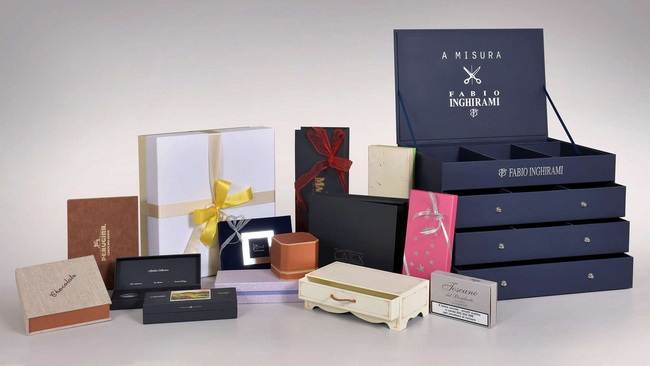
To truly meet 2026 expectations, you can go beyond decoration and think strategically about materials, systems, and production.
Using lightweight but protective eco materials like optimized corrugated, molded pulp, or honeycomb paper wrap reduces both material and freight costs while supporting sustainability goals. Reducing weight and eliminating unnecessary plastic packaging are key priorities in modern packaging and logistics strategies.
Key points:
- Lightweight structures reduce dimensional weight charges in many shipping models.
- Fiber-based solutions like honeycomb paper wrap can replace traditional bubble wrap for many products.
- Communicating these changes on-pack highlights your brand's environmental commitment to customers.
This is especially powerful for e-commerce brands shipping large volumes, where even small weight reductions add up to big annual savings.
A modular packaging system uses a limited set of base box sizes plus flexible inserts, dividers, and sleeves to serve many different products with minimal tooling. This reduces design, inventory, and storage costs compared to fully customized packaging for every SKU.
Advantages:
- Fewer dielines and tooling sets to manage.
- Easier to automate or standardize packing steps across product ranges.
- Faster new product launches using existing packaging components.
For example, one outer shipper size can be combined with different internal inserts for cosmetics sets, electronics kits, or food assortments, allowing you to change the assortment without redesigning the main box.
Even the coolest inexpensive packaging ideas can become costly if they slow down your packing process or cause defects. Aligning packaging structures with your actual machines, manual packing steps, and material flow is a practical but often overlooked way to keep total cost low.
Consider:
- Box styles that your existing case erectors or cartoners can handle with minimal adjustment.
- Simple closure types (tucks, tabs, or peel-and-seal strips) that match your packing speed and labor skill level.
- Clear print areas reserved for variable data (lot, date, barcodes) to avoid manual rework.
Working with a packaging partner that understands both materials and machinery helps ensure that your design ideas are not only beautiful and inexpensive, but also production-ready and scalable.
Inexpensive packaging idea | Cost level (relative) | Main benefits | Best use cases |
Digital printing | Low–medium | Small-batch flexibility, fast test cycles | Seasonal promos, personalized boxes, subscription boxes |
Vintage kraft styling | Low | Minimal ink, eco appeal, retro branding | Coffee, handmade goods, organic products |
Interior printing | Low–medium | Surprise unboxing, storytelling space | Subscription kits, gifting, influencer boxes |
Custom sleeves | Low | Shared base box, flexible branding | Multi-SKU lines, limited editions |
Foil accents | Medium (if focused) | Premium feel with small coverage | Beauty, jewelry, premium food |
Tissue & inserts | Low | Protection plus elevated presentation | E-commerce apparel, fragile items |
Stickers & labels | Very low | Extreme flexibility, easy personalization | Small brands, test campaigns |
Lightweight eco materials | Low–medium | Freight savings, sustainability | High-volume shipping, export |
Modular systems | Medium (setup), low (long term) | Fewer tools, easier automation | Brands with many SKUs |
To avoid guesswork, follow this simple process to select the best low-cost packaging idea for your brand.
- Clarify your main objective.
Decide whether your top priority is to cut material cost, improve branding, reduce damage, or speed up packing; this will guide which ideas matter most.
- Map your current packaging cost drivers.
Look at where your budget goes: materials, printing, labor, shipping, or damages; inexpensive packaging ideas are most powerful when they address the largest cost blocks.
- Select 2–3 ideas to test first.
Combine structural ideas (like sleeves or modular systems) with decorative ideas (like digital print or stickers) for a balanced, realistic test.
- Prototype and run a small pilot.
Use digital printing and standard structures to produce small batches, then test in real packing, shipping, and customer feedback loops.
- Scale with the right partner.
Once you have proof, scale up with a manufacturer that can handle both materials and machinery integration so you do not lose efficiency at higher volume.
This step-by-step approach keeps creativity aligned with cost and production reality, especially important for brands planning long-term growth.
HLun Pack is a professional packaging materials factory that also provides packaging machinery and full-line solutions, which means we understand both design and production constraints in real factories. Instead of just offering one-off boxes, we help you design inexpensive packaging ideas that work across your materials, processes, and logistics.
With HLun Pack, you can:
- Choose cost-effective paper, film, and eco materials that match your product and packing line.
- Integrate box, bag, or sleeve designs with existing or new machinery to avoid hidden labor costs.
- Develop long-term modular systems that reduce tooling, inventory, and complexity as your SKU list grows.
If you are ready to turn cool, inexpensive packaging ideas into a scalable reality, HLun Pack can support you from concept and sampling all the way to stable mass production and global shipping.
If you want to explore custom inexpensive packaging ideas that fit your products, budget, and existing packing process, contact HLun Pack now to get a one-on-one consultation and a practical, factory-ready proposal tailored to your brand.
Contact us to get more information!
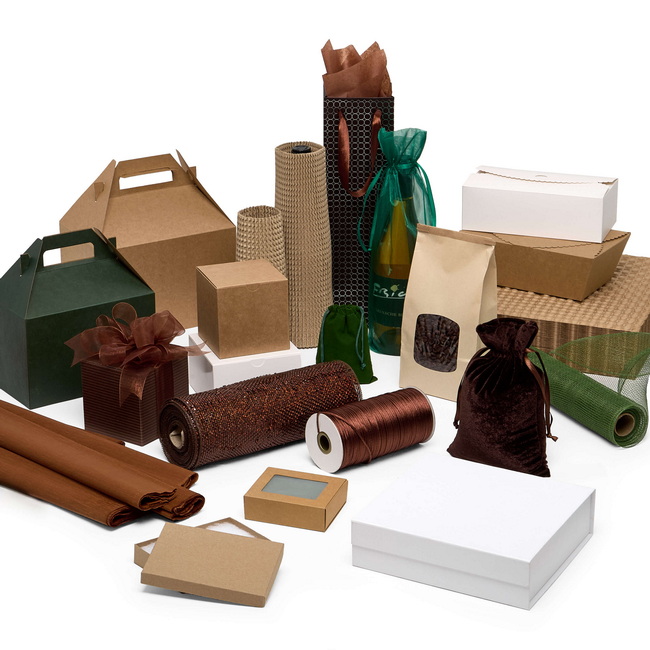
No, large brands also use inexpensive packaging strategies to protect margins and meet sustainability goals while still delivering strong branding. The key difference is that larger brands put more emphasis on standardization and automation when applying these ideas.
Focus on fiber-based materials like kraft boards, recyclable cartons, and honeycomb wraps, and avoid unnecessary coatings and plastics. Using simple graphics, fewer colors, and modular systems reduces waste and cost without sacrificing customer experience.
For most e-commerce brands, the most effective starting combination is a sturdy but lightweight mailer box, branded with digital printing or labels, plus tissue and a simple insert. This setup balances protection, branding, shipping cost, and unboxing experience for small and medium parcels.
Use digital printing, generic base boxes, and flexible add-ons like sleeves or stickers to run small test batches. Measure performance in shipping, damage rates, customer feedback, and repeat purchases before investing in large-scale tooling or print runs.
Yes, HLun Pack specializes in both packaging materials and packaging machinery, which allows us to design boxes, sleeves, bags, and inserts that run smoothly on your current or planned equipment. This integrated approach keeps your inexpensive packaging ideas realistic, scalable, and cost-efficient over time.
1. https://pakfactory.com/blog/7-cool-packaging-ideas-that-are-surprisingly-inexpensive/
2. https://pakoro.com/blog/cool-packaging-ideas/
3. https://www.qalara.com/blog/brand-products-using-low-cost-packaging/
4. https://www.gvpak.com/blogs/food-packaging-trends-2026-best-food-packaging-design-ideas
5. https://www.zenpack.us/blog/packaging-trends/
6. https://www.vistaprint.com.au/hub/packaging-design-trends
7. https://www.wadpack.com/5-cool-packaging-ideas-that-are-amazingly-inexpensive/
8. https://www.gadsby.co.uk/blog/alternative-gift-packaging
9. https://www.hlunpack.com


