


close
Choose Your Site
Global
Social Media
Views: 222 Author: Amanda Publish Time: 2026-01-30 Origin: Site


Content Menu
● What Is a Creative Packaging Solution?
● Why Invest in Creative Packaging?
>> Stronger Brand Perception and First Impressions
>> Higher Conversion Rates and Repeat Purchases
>> Operational and Sustainability Gains
● Core Elements of Effective Creative Packaging Design
>> Align Design with Brand Strategy
>> Focus on Colors, Shapes and Imagery
● Types of Creative Packaging Solutions
● Step-by-Step Process: How to Create a Creative Packaging Solution
>> Step 1: Define Product and Customer Requirements
>> Step 2: Build a Packaging Concept Aligned with Your Brand
>> Step 3: Prototype and Test Functionality
>> Step 4: Optimize Sustainability and Cost
>> Step 5: Finalize Artwork and Prepare for Production
● Real-World Examples of Creative Packaging in Action
>> Food and Beverage: Functional Structures
>> Beauty and Personal Care: Premium Unboxing
>> Sustainable Brands: Alternative Materials
● Latest Trends in Creative Packaging for 2024–2026
>> Sustainable and Minimal Packaging
>> Personalisation and On-Demand Printing
>> Interactive and Social-Media-Ready Design
● Practical Checklist: Implementing Creative Packaging in Your Business
● Clear Call to Action: Turn Your Ideas into Real Packaging
● FAQ: Creative Packaging Solutions
>> 1. What is the difference between creative packaging and standard packaging?
>> 2. Is creative packaging only suitable for premium brands?
>> 3. Does sustainable packaging limit creative options?
>> 4. How can I measure the ROI of creative packaging?
>> 5. How long does it take to develop a new creative packaging solution?
In crowded retail shelves and competitive online marketplaces, creative packaging solutions are no longer optional; they are a strategic lever for brand growth, customer loyalty and profitability. This guide shows you how to use creative packaging to differentiate your products, boost brand perception and drive repeat purchases, with practical steps you can implement immediately.

A creative packaging solution is any packaging concept that goes beyond basic protection to combine aesthetics, functionality and brand storytelling in a distinctive way. It may use unusual structures, materials, graphics, or interactive elements to surprise customers, increase usability and communicate brand values.
Typical characteristics include:
- Unconventional shapes or openings that create a moment of discovery.
- Custom-printed surfaces that carry brand stories, instructions and personality.
- Thoughtful details such as smart inserts, easy-open cuts and resealable features.
- Sustainable materials and right-sized formats that reduce waste and shipping volume.
Creative packaging is often the first physical touchpoint between your brand and the customer, especially in e-commerce. Unique packaging quickly shapes how customers perceive quality, trustworthiness and brand character.
Key brand benefits:
- Faster product recognition on shelf or in unboxing photos.
- Clearer communication of values such as sustainability, luxury or fun.
- Higher perceived value, enabling premium pricing in many categories.
Eye-catching packaging can directly drive purchase intent, particularly for impulse purchases and new brands. When the unboxing experience is memorable, customers are more likely to reorder, recommend your product and share it online.
Typical commercial impact:
- Increased shelf take-off because products are easier to spot and remember.
- Better differentiation in category comparisons on marketplaces.
- More word-of-mouth and user-generated content via unboxing photos and videos.
Modern creative packaging is not only about visuals; it also optimizes logistics, sustainability and cost. Custom packaging tailored to product dimensions reduces void space, shipping volume and material use.
Operational advantages:
- Reduced cardboard usage per item by using right-sized custom boxes.
- Lower freight volume as items occupy less cargo space in trucks and planes.
- Fewer damages and returns due to fit-for-purpose protection.
Successful creative packaging always starts from brand positioning, not decoration. Each visual and structural choice should reinforce who you are, what you sell and why you are different.
Consider these alignment questions:
- Does the color palette reflect the emotions you want (calm, energetic, premium)?
- Do typography and graphics match your target audience's expectations?
- Does the structural design support your product promise (for example, convenience, eco, luxury)?
Color and shape are among the fastest visual cues customers process in seconds. Creative packaging uses them to attract attention and express product benefits without needing long copy.
Best practices:
- Use contrast to stand out in your category while staying consistent across your range.
- Combine recognizable brand colors with illustrations or photography that show use cases.
- Explore special finishes such as spot UV, foil or embossing selectively to signal premium positioning.
Customers reward packaging that not only looks good but solves real problems like storage, opening, or disposal. Designs that transform, fold or serve a second purpose are especially memorable.
Examples include:
- Snack boxes that unfold into serving trays to remove the need for extra dishes.
- Peanut bags with integrated pockets to hold shells while eating.
- Reusable boxes that double as storage containers after unboxing.
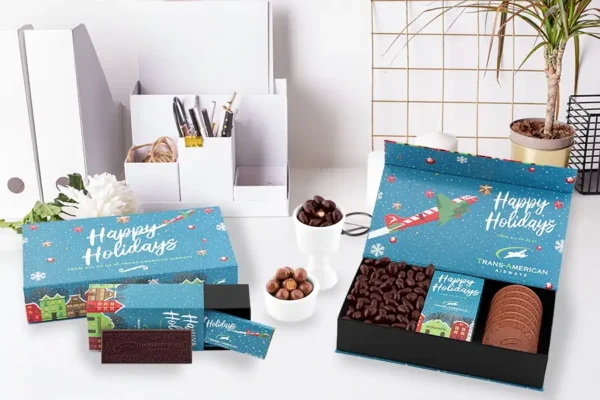
Packaging type | Key features | Best for |
Custom printed mailer box | Branded exterior and interior, sturdy and versatile. | E-commerce, subscription boxes, direct-to-consumer brands |
Folding carton | Lightweight, highly printable board, various closures. | Cosmetics, food, fast-moving consumer goods |
Rigid box | Thick board, premium look, often magnetic closure. | Luxury goods, electronics, gift sets |
Eco mailer or shipper | Recycled or certified cardboard, minimal ink. | Sustainable brands, eco-conscious customers |
Innovative structure | Origami, dual-use, interactive forms. | Novelty items, promotional campaigns |
Before design starts, clarify the constraints and goals. This ensures creativity remains practical and profitable.
Key questions:
1. What are the product's size, weight and fragility (affects structure and cushioning)?
2. Through which channels will it be sold: retail, e-commerce, wholesale, or all three?
3. What regulations apply, such as food contact, labeling, transport or recycling?
4. What unboxing experience do you want: surprise, simplicity, luxury, sustainability?
Use moodboards and competitor audits to map your visual territory. Decide on the central idea: sustainability, convenience, playfulness, or minimal luxury.
Actions:
- Shortlist two or three structural concepts such as mailer, folding carton or sleeve box.
- Define your message hierarchy: brand, product benefit, proof, call-to-action.
- Create rough layouts that integrate logo, colors, imagery and key copy.
Creative concepts must be validated with real products and users. Prototypes help you check fit, protection and ease of use.
Testing checkpoints:
- Drop tests and shipping simulations for online orders.
- Shelf impact tests: place your pack among competitors and observe visibility.
- User tests for openability, resealability and disposal clarity.
Evaluate materials, dimensions and finishes for a balance between impact and efficiency.
Optimization levers:
- Switch to recycled or certified materials where possible.
- Reduce empty space and unnecessary layers to cut freight and material usage.
- Standardize formats across product ranges to simplify inventory and printing.
Once testing and optimization are complete, finalize dielines and artwork according to your packaging supplier's specifications. Share high-resolution files, color profiles and finishing notes to avoid production issues.
Many brands have gained attention through packaging that changes shape to improve usability, such as snack boxes that unfold into serving trays or origami-inspired containers. These designs merge convenience with visual interest, often becoming talking points on social media.
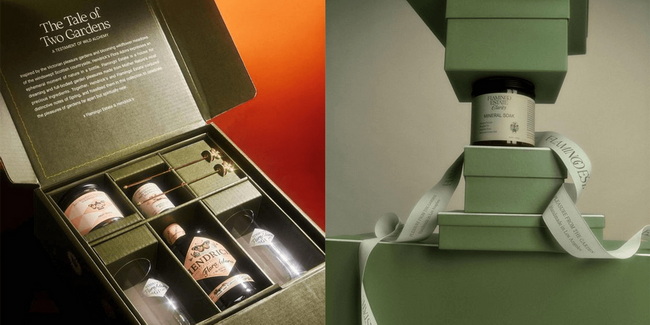
Premium soap and cosmetic brands often use rigid or cleverly folded cartons that open in surprising ways, revealing products like gifts. This approach supports higher price points and encourages customers to keep or display the packaging at home.
Some producers now use materials such as hardened hay or plant-based composites to pack eggs and food products. These solutions visually signal sustainability while offering adequate protection and a unique tactile feel.
Regulatory pressure and consumer expectations are driving packaging toward less material and more impact. Brands increasingly choose recycled cardboard, mono-materials that are easier to recycle, and printing that uses fewer inks.
Trends to watch:
- Right-sized boxes that cut air and void fill in shipments.
- Clear recyclability cues on pack to guide disposal behavior.
- Uncoated, natural textures that visually communicate eco values.
Digital printing and online design tools enable even small brands to create custom packaging in low volumes. This opens the door to personalized boxes for events, limited editions and segmented campaigns without major tooling costs.
Examples include:
- Seasonal artwork for short-run holiday packaging.
- Name or message customization for gift boxes and influencer kits.
From QR codes to augmented reality filters, interactive elements are a rising feature of creative packaging. Packaging is designed to be photographed and shared, effectively turning each box into a micro-billboard online.
Common tactics:
- QR codes that lead to tutorials, recipes or brand stories.
- Layouts that frame the product for unboxing shots.
Use this quick checklist when you plan or audit your packaging:
1. Confirm that the packaging structure protects the product throughout your full logistics chain.
2. Check whether the design clearly communicates brand, product and benefit at first glance.
3. Validate that the opening experience is intuitive and tool-free where possible.
4. Ensure your materials and finishes align with sustainability goals and regulations.
5. Review whether the pack encourages reuse, display or social sharing.
If you are ready to translate creative packaging ideas into real, production-ready solutions, now is the time to act. Partner with a specialist packaging manufacturer that can support custom design, structural engineering, sustainable materials and integrated packaging machinery, so your concept can move smoothly from prototype to mass production. Share your product requirements, branding goals and target markets with your packaging partner today, and start building a creative packaging solution that protects your products, delights your customers and accelerates your brand growth.
Contact us to get more information!
Creative packaging combines design, structure and branding to create an emotional, memorable experience, while standard packaging focuses mainly on basic protection and compliance. Creative packaging often integrates storytelling, special finishes or smart structures to add value, whereas standard packaging typically remains plain and purely functional.
No. Many mass-market and mid-priced brands use simple but inventive design ideas, such as dual-use structures or bold graphics, to stand out without significant cost increases. By focusing on smart layout and efficient materials, even budget-conscious businesses can upgrade their packaging creatively.
Sustainable packaging still offers rich creative potential through textures, structural design, printing techniques and storytelling about materials and carbon savings. Brands can combine recycled substrates, minimalist graphics and innovative structural choices to express both creativity and environmental responsibility.
You can track metrics such as conversion rate uplift, repeat purchases, product returns, social mentions and average order value before and after packaging changes. Over time, comparing these indicators with your previous packaging solutions will show whether your creative approach delivers better performance.
Timelines vary, but a typical cycle from briefing to mass production can range from a few weeks for simple printed boxes to several months for custom structures or new materials. The schedule depends on design complexity, regulatory requirements, testing needs and production capacity.
1. https://packhelp.com/what-is-a-creative-packaging-solution-for-products/
2. https://packhelp.com/unique-packaging-designs/
3. https://packhelp.com/innovative-packaging-design/
4. https://packhelp.com
5. https://www.kaocollins.com/inktank/20-unique-product-packaging-ideas/
6. https://clone-media.co.uk/promotional-merchandise-packaging-brand-perception/
7. https://gwpg.com/wp/how-to-boost-brand-exposure-through-creative-packaging
8. https://www.manypixels.co/blog/print-design/creative-packaging
9. https://www.shillingtoneducation.com/blog/packaging-design
10. https://theinklusive.com/blog/creative-food-packaging-ideas/


