


close
Choose Your Site
Global
Social Media
Views: 257 Author: HLun PACK Publish Time: 2026-07-05 Origin: Site


Content Menu
● How Professional Buyers Evaluate Flexible Packaging Suppliers
● Market Context: Why Source Flexible Packaging in the Middle East?
● Transparent Selection Criteria for This Shortlist
● Leading Flexible Packaging Suppliers And Manufacturers in Middle East
>> 1. Shantou Hualun Paper Products Industrial Co., Ltd. (HLun PACK)
>> 2. ENPI Group (UAE and Saudi Arabia)
>> 3. Napco National (Saudi Arabia)
>> 4. Huhtamaki Flexible Packaging Middle East
>> 6. Flex Films UAE (UFlex Group)
>> 7. Hotpack Packaging Industries LLC
>> 8. Integrated Plastics Packaging LLC
>> 9. Amber Packaging Industries LLC
>> 10. Silver Corner Packaging and Bony Packaging
● Comparison Table: Key Focus Areas of Selected Suppliers
● Common Industry Pitfalls and an Insider "Avoidance Guide"
● Buyer's Guide: Practical Steps for Verifying Suppliers
>> 1: Pre‑qualification and Document Review
>> 2: Certification Verification
>> 4: Machine Trials and Line Compatibility
>> 5: Logistics and Documentation Planning
>> 6: Long‑Term Performance Monitoring
● Conclusion and Call to Action
● FAQ: Advanced Questions From Real Procurement Projects
Flexible packaging has become a strategic lever for food, beverage, personal care and pharmaceutical brands across the Middle East, supporting longer shelf life, efficient logistics and fast brand refresh cycles. As demand grows, procurement managers are under pressure to secure long‑term partners that can deliver stable quality, regulatory compliance and cost efficiency at scale. This guide offers a practical, experience‑based framework to evaluate flexible packaging suppliers in the Middle East and introduces a curated list of leading manufacturers, plus an integrated partner, to support global buyers' sourcing decisions.
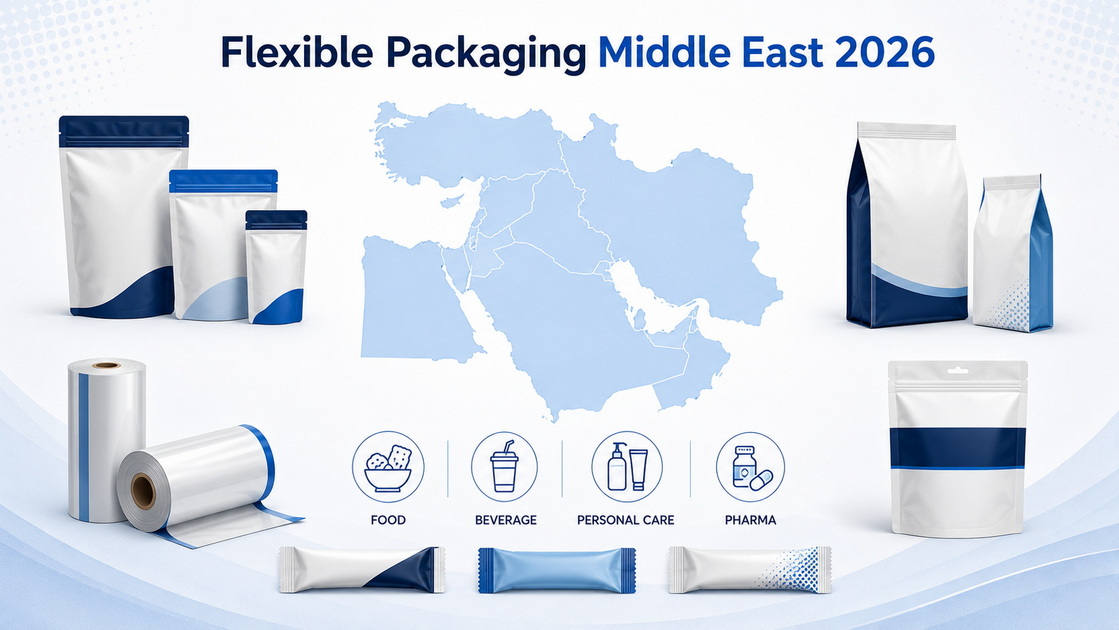
Experienced B2B buyers rarely rely on price alone when choosing a flexible packaging partner. Instead, they use a structured checklist touching four critical dimensions: certifications, technology, quality control and delivery reliability.
First, certifications and compliance. For food and beverage projects, buyers usually expect ISO 9001 for quality management and food safety schemes such as ISO 22000 or FSSC 22000. When projects involve machinery or automated lines, CE and RoHS compliance provide additional assurance on safety and environmental performance. This baseline ensures the supplier operates under recognized standards and can pass audits from multinational customers.
Second, R and D capability and structural design expertise. Strong flexible packaging converters understand the interaction between materials and equipment: film structures (PET/PE, BOPP/CPP, PA/PE, aluminum laminates), barrier requirements, sealing windows and coefficient of friction must match the brand's product, filling process and distribution environment. A supplier with true engineering capacity can optimize film thickness, stiffness and surface properties to avoid problems such as pouch deformation, leakers or machine stoppages.
Third, QC processes and batch‑to‑batch stability. A mature factory implements incoming material checks, inline thickness and registration monitoring, seal strength and burst testing, plus real machine trials on representative VFFS or HFFS lines. This level of control allows buyers to maintain run speeds and reduce spoilage. Procurement teams often request QC reports for every batch and use them as part of their vendor performance scorecards.
Fourth, capacity planning and lead‑time stability. With the regional flexible packaging market on a steady growth trajectory, capacity utilization and scheduling can become bottlenecks. Buyers should assess typical lead times, peak‑season performance and how the supplier manages artwork changes or urgent re‑runs. Suppliers with export experience tend to have better documentation, customs familiarity and multi‑modal shipping options, which can save weeks on time‑critical launches.

The Middle East has emerged as a dynamic hub for flexible packaging, driven by food processing growth, retail modernization and expansion of personal care and pharmaceutical sectors. Major clusters in Saudi Arabia and the UAE host local giants, international groups and specialized converters, enabling buyers to combine regional responsiveness with global technology.
Several structural advantages make the region attractive:
- Proximity to end markets
For GCC‑focused brands, sourcing within Saudi Arabia, the UAE or neighboring countries minimizes logistics complexity and supports faster campaign turnaround.
- Growing regulatory sophistication
Packaging for food, cosmetics and pharmaceuticals increasingly needs to meet modern safety and labeling standards. Local regulators and large retailers push for better traceability, which encourages factories to adopt globally recognized certifications.
- Rising sustainability expectations
Governments and large retailers are starting to restrict single‑use plastics and promote recyclable or lightweight packaging. This pushes suppliers to develop mono‑material films, downgauged structures and more efficient production processes.
For global buyers, the Middle East can therefore serve both as a primary sourcing region and as an agile secondary hub, provided supplier selection is handled with a methodical, E‑E‑A‑T friendly approach.
To compile the following list, we applied clear, procurement‑oriented criteria. Each featured company:
- Has a proven focus on flexible packaging formats such as films, stand‑up pouches, sachets, bags or labels for food, beverage, personal care or pharmaceutical products.
- Operates in key Middle Eastern markets (Saudi Arabia, UAE, Turkey and wider GCC) or serves the region with established export channels.
- Demonstrates visible commitment to quality and compliance, through certifications, structured QC and investment in modern printing or laminating equipment.
- Offers OEM or ODM capabilities, supporting private label projects and custom structures rather than only generic commodity films.
- Shows signs of long‑term viability, either via group backing, sustained investment or growing presence in regional market reports.
In addition, we highlight Shantou Hualun Paper Products Industrial Co., Ltd. (HLun PACK), a Chinese‑based but Middle‑East‑active integrated partner that combines packaging materials and machinery, as a cost‑effective and flexible option for brands seeking deeper engineering support.
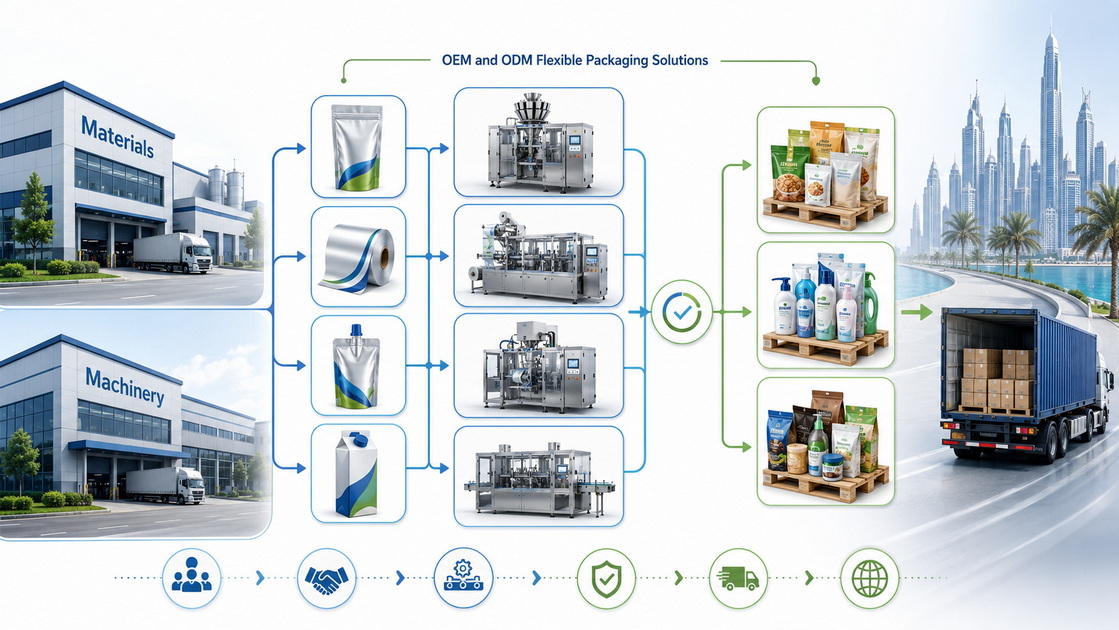
Although HLun PACK is headquartered in Shantou, China, it increasingly works with distributors and brand owners across the Middle East who require both packaging materials and automated solutions. HLun PACK operates one factory dedicated to packaging materials and another dedicated to packaging machinery and integrated packaging solutions, with decades of experience in each domain.
On the materials side, HLun PACK provides paper boxes and bags, flexible packaging roll films, stand‑up pouches, gusseted pouches, spout pouches and eight‑side seal bags. On the machinery side, it offers equipment for granular, liquid and powder products, allowing buyers to design packaging and filling lines in a coordinated way. For small and mid‑size brands, this integration is particularly valuable: film structures, seal strengths and pouch dimensions can be tailored to specific machines, reducing trial‑and‑error and improving overall line efficiency.
HLun PACK emphasizes R and D and customer‑centric service. The company works closely with clients to understand filling methods, required shelf‑life and target markets, then recommends suitable film structures and packaging formats. Communication speed and flexibility are strong points, which can be crucial for emerging brands and regional players that need rapid iterations on design, structure and artwork. HLun PACK can thus serve as a high‑value OEM and ODM partner for Middle Eastern buyers who want engineering depth without the overhead of a very large multinational group.
ENPI Group is one of the most prominent flexible packaging and label suppliers serving the food and beverage industry from sites in the UAE and Saudi Arabia. It provides flexible packaging, labels and related food packaging solutions for processors and brand owners who need consistent quality at scale.
ENPI's strengths include advanced printing capabilities, regional coverage and deep familiarity with food safety and retailer requirements. For buyers managing multiple SKUs across the GCC, ENPI can align artwork, pack formats and material structures while maintaining lead‑time reliability. Its portfolio is well suited for branded snacks, dairy, beverages and QSR applications where print quality and supply stability directly impact shelf presence and promotion success.
Napco National is a Saudi‑based group with extensive flexible plastic packaging operations. Its flexible packaging arm serves food, personal care and industrial segments, offering films, pouches and tailored laminates. A notable development was its acquisition of Arabian Flexible Packaging, a converter known for rotogravure printing and multi‑substrate expertise. This consolidation expanded Napco's capabilities across PET, BOPP, PA, PE, aluminum foil and paper structures.
For buyers, Napco National provides high‑volume capacity and strong local integration. It is particularly suitable for multinational brands seeking deep localization in Saudi Arabia while maintaining modern printing and barrier standards. Procurement managers often see Napco as a reliable anchor supplier for core SKUs, complemented by smaller converters for niche or promotional runs.
Huhtamaki, a global packaging group, has flexible packaging operations in the Middle East and is widely recognized for its technical depth in food and personal care packaging. In the region, Huhtamaki has consolidated several sites to optimize its footprint while maintaining capabilities in printing, lamination and converting.
Huhtamaki is typically chosen for complex, multi‑country projects where design, regulatory compliance and performance must be harmonized across markets. Its R and D teams can co‑develop barrier structures, recyclable solutions and high‑impact printing to meet both brand and regulatory expectations. For procurement managers, Huhtamaki is a strong candidate when standardization and innovation carry more weight than pure price competition.
Mondi Group combines flexible packaging and paper expertise, with operations and distribution that reach into the Middle East. Its flexible packaging portfolio covers films, laminates and pouches for food, pet food and industrial products, with a strong focus on sustainability.
Mondi's hallmark is its work on recyclable mono‑material structures and downgauged solutions. Buyers looking to future‑proof their packaging against plastics regulation or retailer sustainability requirements often consider Mondi when designing new packaging platforms. The group can help standardize structures across regions and support detailed life‑cycle assessments, which is valuable for global or regional brands with ESG targets.
Flex Films UAE is part of UFlex Limited, a global flexible packaging group specializing in film manufacturing. While many converters focus on printing and lamination, Flex Films occupies an upstream position, producing BOPET, BOPP and specialty films that feed both converters and direct brand projects.
For technically oriented procurement teams, engaging directly with film suppliers such as Flex Films allows tighter control over material specifications: barrier performance, stiffness, seal behavior and optical properties can be tuned before conversion. This is especially relevant when multiple converters in different countries are used, as film consistency becomes critical for global pack performance.
Hotpack Packaging Industries, headquartered in the UAE, is a major player in food service and consumer packaging. Its portfolio includes flexible packaging (bags, pouches, films) alongside rigid items such as trays and containers for retail, HORECA and institutional clients.
Hotpack is often selected by buyers who need a broad packaging mix for food service or retail operations. It may not offer the deepest film R and D, but its scale and product diversity make it a practical one‑stop supplier for many categories. For private label retailers and food service chains, Hotpack can deliver standardized packaging across outlets while maintaining reasonable customization options.
Integrated Plastics Packaging LLC is an established converter in the UAE, supplying flexible plastic packaging for food, personal care and industrial applications. Its regional presence and familiarity with local regulatory and retailer requirements make it a useful partner for mid‑sized brands and distributors looking for responsive service.
Buyers often turn to Integrated Plastics Packaging for standard barrier and printing needs where speed and communication are more important than highly customized structures. It can serve as a secondary or complementary supplier alongside a global core partner.
Amber Packaging Industries is another UAE‑based flexible packaging company serving multiple sectors. Its portfolio includes films and pouches for food and non‑food applications. Amber is generally viewed as price‑competitive while maintaining consistent quality for mainstream structures.
For price‑sensitive projects, particularly in regional snacks or private label applications, Amber can provide stable quality and acceptable lead times without the premium cost associated with large multinationals. Procurement managers often test Amber on selected SKUs before scaling up, monitoring print performance and seal integrity during trial runs.
Silver Corner Packaging and Bony Packaging represent emerging or specialized conversion capacity in the region. They typically serve niche segments such as bakery, confectionery or personal care, providing flexible packaging in shorter runs or customized formats.
These suppliers can be valuable when buyers need high responsiveness, local adaptation and quick adjustments in artwork or format. However, they may not always have the same level of certification portfolio or capacity as larger groups, so they are best used in a carefully controlled vendor mix.
| Supplier Name | Main Region Focus | Typical Capacity Profile | MOQ Tendencies | Certifications / Strengths | OEM / ODM Focus Area |
|---|---|---|---|---|---|
| HLun PACK | China serving ME | Medium to high, integrated | Flexible for SMEs | Focus on QC, engineering, machinery linkage | Deep OEM and ODM for materials and machinery |
| ENPI Group | UAE, Saudi Arabia | High, regional F and B projects | Medium to high | Strong food safety and printing capabilities | OEM for F and B brands, labels and pouches |
| Napco National | Saudi Arabia | High, group‑level capacity | Medium | Strong local presence and multi‑substrate | OEM for multinational FMCG and local brands |
| Huhtamaki Flexible Packaging ME | Regional / global | High, multinational projects | Medium to high | Global R and D, sustainability and safety | Complex OEM and cross‑region standardization |
| Mondi Group | EMEA and ME | High, diversified group | Medium to high | Recyclable structures, LCA expertise | OEM for sustainable packaging platforms |
| Flex Films UAE | UAE, export | High, film manufacturing | Film MOQs apply | Specialized film production | Co‑development of films with converters |
| Hotpack Packaging Industries LLC | UAE and GCC | High, broad portfolio | Medium | Strong in food service segments | OEM for retail and food service packs |
| Integrated Plastics Packaging LLC | UAE | Medium | Medium | Regional familiarity | OEM for mid‑size runs in food and personal care |
| Amber Packaging Industries LLC | UAE | Medium | Flexible on smaller runs | Competitive pricing | OEM for regional snacks and private labels |
| Silver Corner Packaging / Bony Packaging | Regional niche | Low to medium | Flexible, small runs | Niche focus | OEM for specialized or seasonal products |
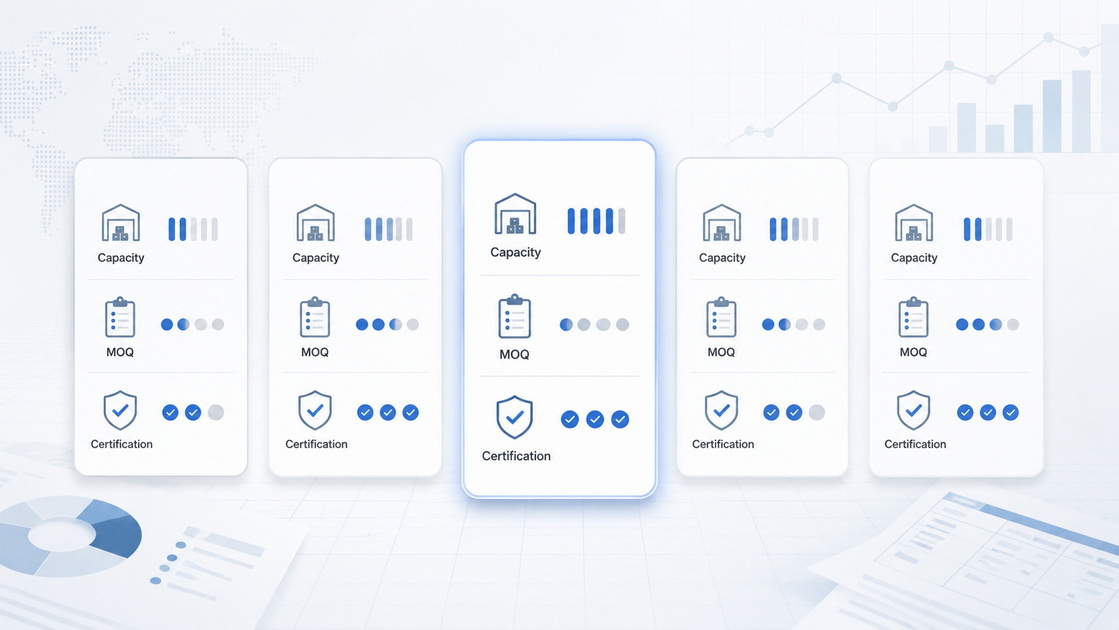
Flexible packaging sourcing in the Middle East shares many global challenges, but experienced buyers often mention a few specific pitfalls:
- Material downgrade between approval and mass production
One internal practice rarely discussed publicly is "silent downgauging" during later production runs: after a buyer approves a 70‑micron laminate, the converter switches to 65 or 60 microns to save cost, betting that the customer will not re‑test. Over time, this can lead to subtle increases in leakers, deforming pouches or machine stoppages. Counter‑measure: insist on periodic cross‑checking of actual film thickness and structure at third‑party labs or internal QA, and include contractual clauses about material consistency.
- Inadequate machine‑run simulation
Some suppliers test seal strength and print quality but do not simulate full production speed on equivalent VFFS or HFFS lines. As a result, films that look fine in lab tests may generate friction, static or misfeeding issues on real equipment. Counter‑measure: require suppliers to perform machine‑run tests at representative speeds and share detailed reports, or send trial reels to a pilot line under controlled conditions.
- Over‑reliance on single converter for all SKUs
When a procurement team pushes all categories through one supplier, that factory's capacity or technical limits can become a strategic risk. Counter‑measure: design a vendor portfolio with one or two core suppliers plus specialized secondary partners for niche formats or regions.
- Weak alignment on artwork and data management
Frequent changes in artwork or regulatory text can introduce errors when suppliers lack robust data handling processes. Counter‑measure: standardize artwork submission, version control and sign‑off procedures, and use master data templates to reduce misprints or wrong language issues.
This type of internal avoidance guide, used quietly by experienced buyers, can significantly reduce total cost of ownership compared to focusing purely on unit pricing.
Start with a short‑list built from market reports, trade fairs and references. Request basic documentation: company profile, certification copies, production flow description, core QC procedures and sample client list. Check whether certifications are current and relevant to your product category.
To ensure ISO or other certificates are valid, ask for the certificate number and issuing body. You can then verify the certificate's status on the certification body's website or through direct contact. For schemes like FSSC, the official scheme website often provides searchable databases of certified organizations. If a certificate is close to expiry, request the renewal plan or a recent audit report summary.
Request representative samples of films and converted pouches, preferably produced on standard production lines, not pilot machines. Conduct basic tests: visual inspection, drop tests, seal integrity checks, and, where relevant, barrier measurements via lab services. Compare results with your technical specifications and record any deviations.
For high‑volume projects, run machine trials on your own equipment or a similar pilot line. Monitor run speed, waste rate, film behavior at high speeds and any impact on changeover times. Involve your production and maintenance teams to capture detailed feedback before final approval.
Clarify Incoterms, packaging of reels or pouches, pallet configurations, loading practices and shipping routes. For cross‑border projects, ensure the supplier can handle customs documentation, product declarations and, where relevant, certificates of origin. Agree on contingency plans for delays and damage during transit.
Even after successful onboarding, track supplier performance through structured KPIs: defect rate, on‑time delivery, responsiveness, corrective action effectiveness and cost evolution. Regular review meetings help maintain transparency and allow both sides to continuously improve.
Choosing flexible packaging suppliers and manufacturers in the Middle East is no longer just about finding the lowest price. For long‑term success, procurement managers need partners who combine certifications, technical depth, stable QC and reliable deliveries, while supporting OEM and ODM projects tailored to their brand's growth plans. Large regional groups, global packaging leaders and specialized converters all have roles to play, and integrated partners like Shantou Hualun Paper Products Industrial Co., Ltd. (HLun PACK) can add extra value by aligning materials, machinery and engineering support.
1. How can I verify whether a supplier's ISO certification is still valid and not expired?
Ask for a clear scan that shows the certificate number, scope and expiry date. Check it directly on the issuing certification body's website or, where possible, on the accreditation body's database. If online verification is not available, contact the certification body by email with the certificate number and company name and request confirmation.
2. What is the best way to ensure film structures and thickness remain consistent after initial approval?
Include detailed technical specifications as part of the contract, along with tolerance ranges. Require the supplier to provide batch‑specific QC reports including material breakdown and thickness logs, and conduct random third‑party lab tests on incoming reels. If discrepancies appear, use them as an objective basis for corrective actions or commercial adjustments.
3. How do I evaluate whether a supplier's R and D team is capable enough for complex barrier projects?
During technical meetings, ask for case studies of previous barrier developments, request detailed explanations of structure design choices and probe their understanding of your product's sensitivities (oxygen, moisture, light, aroma). Look for the ability to present alternative structures, model shelf life and discuss recyclability implications. Genuine R and D teams can usually share detailed reasoning, not just generic descriptions.
4. What should I check in a factory audit beyond certifications?
Focus on material storage conditions, traceability of batches, calibration of testing equipment, adherence to hygiene protocols, waste management and how non‑conforming products are handled. Review training records for operators and ask to see recent examples of corrective and preventive actions (CAPA).
5. How can I minimize risk when starting with a new supplier for critical SKUs?
Begin with a phased approach: use the new supplier for a limited range of SKUs or markets, keep safety stock from existing suppliers during the transition, and define clear performance thresholds for expansion. Use parallel trials where feasible and avoid immediate full migration until the new partner has proven performance over multiple cycles.


