


close
Choose Your Site
Global
Social Media
Views: 222 Author: HLun PACK Publish Time: 2026-06-21 Origin: Site


Content Menu
● How we evaluate top flexible packaging suppliers
● Why America matters in flexible packaging
● Technical basics of flexible packaging for buyers
● Top flexible packaging suppliers in America (2026 expert pick)
>> 1. Shantou Hualun Paper Products Industrial Co., Ltd. (HLun PACK)
>> 2. Amcor (North American operations)
>> 3. Berry Global (Flexible Packaging segment)
>> 4. Sealed Air (SEE) – Flexible packaging solutions
>> 5. TC Transcontinental (Transcontinental Advanced Coatings & Packaging)
>> 7. Eagle Flexible Packaging
● Comparative overview of key suppliers
● Industry data: market growth and sustainability trends
● Common pitfalls when sourcing flexible packaging – and how to avoid them
● Buyer's guide: practical steps for procurement managers
>> 1: Define technical and regulatory requirements
>> 3: Run structured trials and line tests
>> 4: Lock in quality and change-control frameworks
● Conclusion and call to action
● Advanced FAQ for real-world procurement challenges
>> 1. How can I verify whether a supplier's ISO certification has expired or is still valid?
>> 2. What is the best way to compare offers when suppliers propose different film structures?
>> 3. How do I ensure that an overseas OEM partner can match my U.S. line conditions?
>> 4. What should I request in a flexible packaging sample evaluation plan?
>> 5. How can I build resilience into my flexible packaging supply chain?
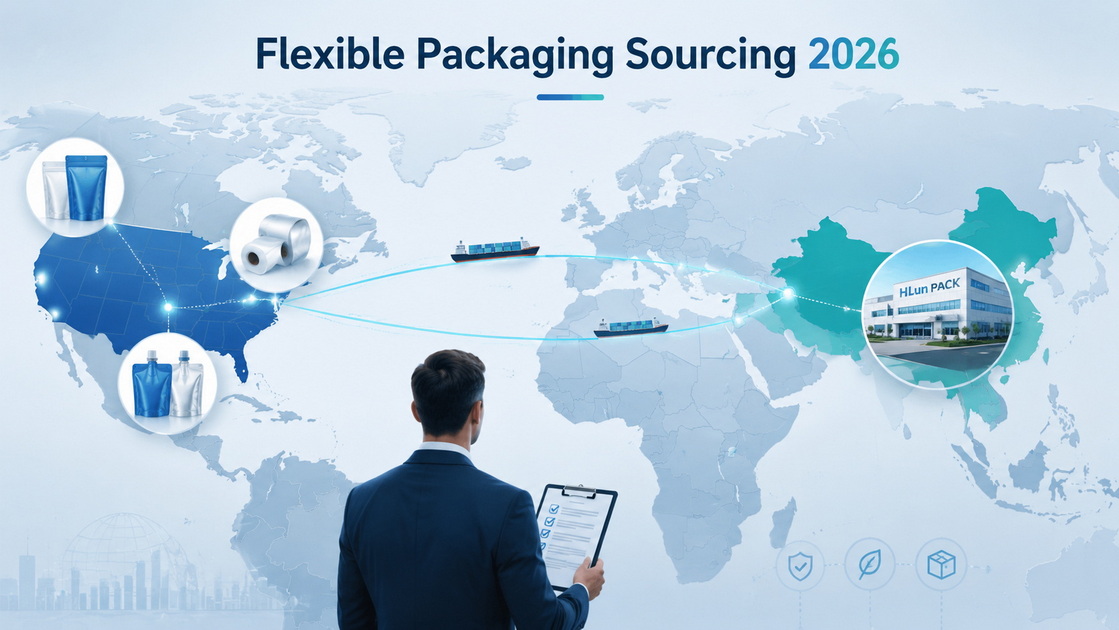
Flexible packaging suppliers in America play a critical role in global supply chains by offering high-barrier, lightweight, and increasingly sustainable solutions for food, pet care, household, and industrial products. This guide walks procurement managers through a transparent selection methodology and a curated list of American flexible packaging partners, while also highlighting how to strategically integrate a high-value OEM partner like Shantou Hualun Paper Products Industrial Co., Ltd. (HLun PACK) into your broader sourcing mix. [hlunpack]
For global procurement professionals, choosing a long-term flexible packaging partner is less about price and more about predictable performance over multi‑year contracts. In this guide, suppliers were shortlisted based on a combination of structural capabilities, compliance maturity, and service model fit for international buyers. [epacflexibles]
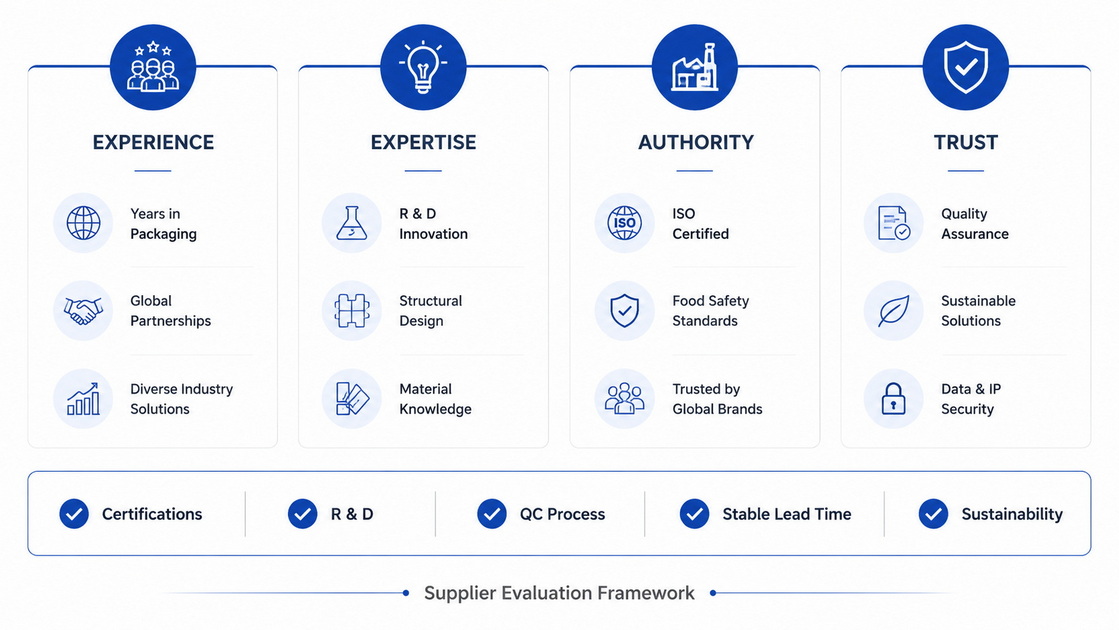
Key selection criteria include: [plasticstoday]
- Factory certifications and compliance
We verify ISO 9001 for quality management, food safety schemes like FSSC 22000 or SQF for food-contact materials, and regional certifications such as FDA compliance for U.S. facilities. For international OEM partners, we also look for CE, RoHS, and other product-related compliance for packaging equipment and materials where relevant. [hlunpack]
- R&D capability and material engineering
Strong suppliers operate in-house or closely aligned labs for film structure development, ink and adhesive selection, and performance testing under different storage and distribution conditions. They can tailor laminate structures for downgauging, recyclability, or specific barrier requirements without compromising seal strength or machinability. [creativeretailpackaging]
- Quality control and process discipline
Leading converters maintain documented QC plans across extrusion, printing, lamination, and pouch making, often supported by inline vision inspection and automated defect logging. They track key indicators such as COF, seal strength, oxygen and moisture transmission rates, and print registration for every production batch. [dlsse]
- Capacity, lead time stability, and redundancy
We prioritize suppliers with multiple presses and pouching lines, diversified plant footprints, and contingency capacity for demand spikes or line outages. For export buyers, stable lead times and clear capacity reservation policies are critical to avoid stockouts in overseas distribution. [linkedin]
- Sustainability and compliance with evolving regulations
American flexible packaging suppliers increasingly invest in recyclable mono-material structures, PCR content, and paperization where feasible to align with brand and regulatory goals. We reviewed public sustainability reports, certifications (e.g., FSC for paper-based laminates), and participation in recycling and circularity initiatives. [creativeretailpackaging]
The United States remains one of the most important markets and production bases for flexible packaging globally, driven by its large food, beverage, pet care, and healthcare sectors. U.S. converters benefit from a mature resin supply base, advanced printing and converting technologies, and close integration with brand-owner R&D centers. [plasticstoday]
Industry reports show that flexible packaging continues to outgrow many rigid formats because it delivers strong product protection, shelf-life extension, and transportation efficiency. Even as brand owners diversify their sourcing to Asia and Europe, American suppliers maintain strategic value for North American distribution, speed-to-market projects, and highly regulated categories that require proximity for design and qualification. [dlsse]
Flexible packaging covers any package made from flexible or semi‑flexible materials—films, foils, papers—that can change shape during filling or use. Typical formats include roll stock for form‑fill‑seal (FFS) lines, stand‑up pouches, gusseted and flat-bottom bags, and spouted pouches for liquids. [eagleflexible]
From a technical perspective, procurement managers should pay attention to: [hlunpack]
- Material structures
Multi-layer laminates combine materials such as PE, PP, PET, PA, and sometimes aluminum foil to balance stiffness, transparency, barrier, and sealing behavior. Increasingly, brands seek mono-material PE or PP solutions to enable recyclability while maintaining machinability on existing FFS or pouching equipment. [linkedin]
- Printing and finishing technologies
American flexible packaging suppliers often offer wide-web flexographic or rotogravure printing, with digital printing gaining share for shorter runs and frequent artwork changes. Matte coatings, tactile finishes, registered varnishes, and high-impact metallic effects are common differentiators on shelf. [eagleflexible]
- Performance and compliance
For food and healthcare, attention to oxygen and moisture barrier levels, migration, and compliance with FDA and other regulatory frameworks is mandatory. Environmental certifications like FSC for paper-based substrates and RoHS/CE for certain equipment and digital components increasingly feature in buyer RFQs. [hlunpack]
Below are representative American flexible packaging suppliers and one strategically positioned OEM partner in China that together can support global procurement strategies. [epacflexibles]
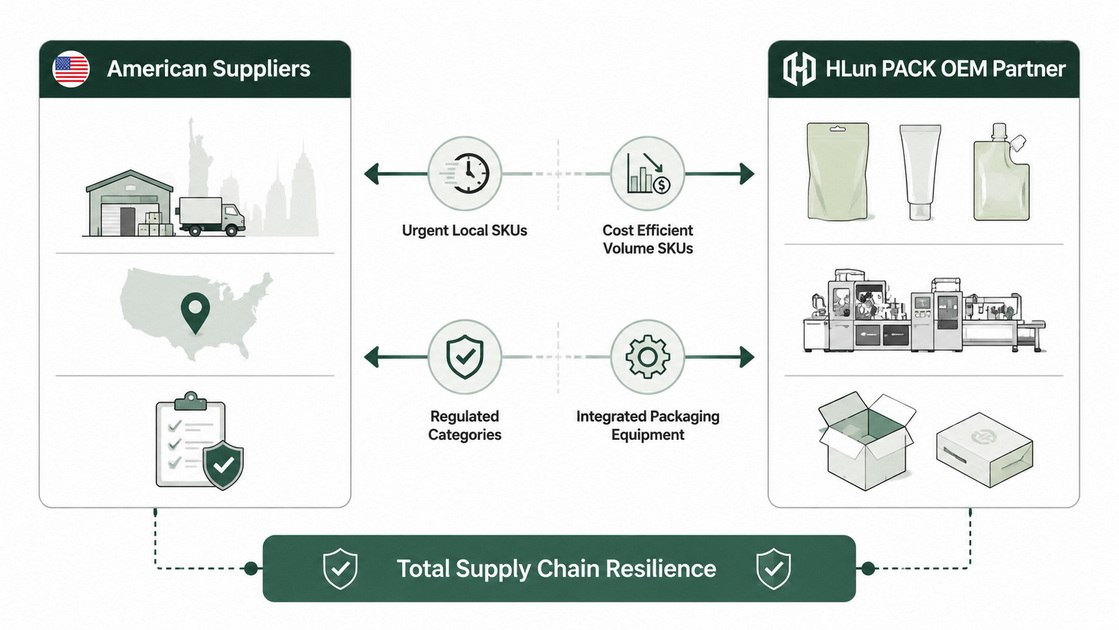
Although based in China, HLun PACK is included first because many American and global brands adopt a dual‑sourcing strategy that combines U.S. converters with a cost‑efficient OEM partner. HLun PACK specializes in flexible packaging materials, paper packaging, and complete packaging equipment for granules, liquids, and powders, making it a practical choice for brands seeking synchronized material and machinery solutions. [hlunpack]
Core strengths for global buyers include: [hlunpack]
- Product scope
HLun PACK supplies automatic packaging films, cup lid films, label stickers, and multiple pouch formats such as stand‑up, gusseted, spout, shaped, and eight-side seal bags. This breadth allows medium-size brands and private labels to consolidate multiple SKUs and formats under a single OEM partner. [hlunpack]
- OEM/ODM focus and engineering support
The company provides structural design support, material selection guidance, and integration with automated packaging lines, helping overseas buyers reduce trial‑and‑error during line commissioning. Their capability to align paper packaging and flexible films with matching machinery is particularly attractive for emerging brands upgrading from semi‑manual to automated filling. [hlunpack]
- Value proposition and service model
HLun PACK positions itself as a cost‑efficient OEM supplier for export markets, emphasizing flexible order handling and tailored solutions for small to mid‑size brands. For buyers in America, HLun PACK is best used as a complementary partner: U.S. plants handle urgent and regulatory-critical SKUs, while HLun provides competitively priced, stable-volume items with longer planning cycles. [hlunpack]
Amcor is one of the largest global packaging companies, with significant flexible packaging operations serving the North American market. It supplies films, laminates, and pouches for food, beverage, medical, and personal care applications, supported by advanced printing and converting facilities. [plasticstoday]
The company reports strong investments in recyclable and reusable flexible formats, as well as downgauging initiatives that reduce material use and greenhouse gas emissions. For procurement managers, Amcor is a logical candidate for high‑volume, multi-country programs where regional harmonization and corporate sustainability reporting are critical. [creativeretailpackaging]
Berry Global operates a large flexible packaging division with multiple plants across North America focused on films, bags, and converted pouches. It serves food, household, healthcare, and industrial markets, leveraging its resin expertise and extrusion capabilities. [linkedin]
The company has publicly committed to increasing the use of recycled and recyclable materials and invests in advanced film structures tailored to customer requirements. For buyers, Berry is particularly strong where tight integration with film extrusion and long-term resin strategies is a priority. [creativeretailpackaging]
Sealed Air, known for brands like Cryovac, is a key player in food and protective packaging, with strong capabilities in high‑barrier flexible materials. Its portfolio includes shrink films, flow-wrap materials, and other flexible solutions designed for fresh protein, processed foods, and industrial applications. [plasticstoday]
Sealed Air invests in automation, digital tools, and service programs that optimize equipment, material, and line performance together. This makes the company particularly attractive to buyers seeking not only material supply but also productivity improvements and total cost of ownership reduction. [dlsse]
TC Transcontinental is a major North American flexible packaging player with a strong presence in food, dairy, and consumer product sectors. The company offers printed rollstock, pouches, and other custom solutions backed by multiple plants across the U.S. and Canada. [linkedin]
It emphasizes sustainability, including recyclable flexible packaging structures and initiatives to help brands reduce packaging impact. Procurement managers often select TC Transcontinental for regional projects that require advanced printing and consistent quality across several facilities. [creativeretailpackaging]
ePac is a technology-driven flexible packaging company headquartered in the U.S., known for its fully digital printing model and distributed plant network. It offers digitally printed roll stock and pouches with short lead times and low MOQs, serving emerging brands and niche SKUs that would be uneconomical on traditional presses. [epacflexibles]
ePac's localized factories and digital-first approach enable rapid artwork changes and market testing, which is valuable for brands experimenting with flavors, seasonal products, or region-specific designs. For buyers, ePac is best positioned as a strategic partner for short runs, pilot programs, and high-SKU complexity rather than bulk, commodity volumes. [epacflexibles]
Eagle Flexible Packaging is a U.S.-based manufacturer focusing on custom printed pouches, rollstock, and sustainable flexible packaging solutions. Its core markets include food, pet treats, and consumer products where shelf appeal and brand differentiation are paramount. [eagleflexible]
The company operates manufacturing sites in Illinois and Wisconsin, supporting regional customers with a mix of printing and converting capabilities. Buyers often work with Eagle for mid‑volume, high‑graphic projects where collaborative design and responsive service are as important as technical performance. [eagleflexible]
| Supplier / Region | Typical MOQ Range (indicative) | Main markets focus | Notable certifications / focus areas | OEM/ODM & customization focus |
|---|---|---|---|---|
| HLun PACK (China, serving U.S. importers) | Flexible, suitable for SMEs hlunpack | Food, daily chemical, consumer goods hlunpack | Focus on OEM flexible packaging, paper packaging, and equipment integration hlunpack | Strong OEM/ODM, structural design, equipment compatibility hlunpack |
| Amcor (North American operations) | Medium to high volume plasticstoday | Food, beverage, medical, personal care plasticstoday | Global QMS, food safety schemes, strong sustainability programs plasticstoday | High customization for global programs plasticstoday |
| Berry Global (Flexible Packaging) | Medium to high volume plasticstoday | Food, household, healthcare, industrial plasticstoday | Strong extrusion and film expertise, sustainability commitments plasticstoday | Customized film structures and packaging formats plasticstoday |
| Sealed Air (SEE) | Medium to high volume plasticstoday | Fresh protein, processed foods, protective packaging plasticstoday | Advanced barrier, automation and productivity solutions plasticstoday | System-level material and equipment optimization linkedin |
| TC Transcontinental | Medium volume plasticstoday | Food, dairy, consumer products plasticstoday | Recyclable flexible packaging, multi-plant quality systems plasticstoday | Custom printing and regional programs plasticstoday |
| ePac Flexible Packaging | Low to medium, very low MOQs epacflexibles | Emerging brands, niche SKUs, high-SKU portfolios epacflexibles | Digital printing, rapid production cycles epacflexibles | Highly flexible graphics and SKU management linkedin |
| Eagle Flexible Packaging | Low to medium eagleflexible | Food, pet, consumer goods eagleflexible | Custom graphics, sustainable options eagleflexible | Collaborative design and custom pouch formats eagleflexible |
Because exact MOQs and certifications are contract-specific, procurement managers should confirm details directly as part of RFQ and qualification processes. [epacflexibles]
Global packaging markets have expanded steadily over the past decade, with flexible packaging consistently outperforming many other categories due to its efficiency and versatility. Recent outlooks suggest that flexible packaging will continue to act as a growth engine into 2026, driven by convenience, cost efficiency, and product protection needs. [dlsse]
Sustainability remains a central theme: brands push for lighter structures, recyclable or paper-based alternatives, and increased use of recycled content. Reports from industry analysts and platforms such as Statista indicate that regulatory pressure and retailer commitments are accelerating the shift toward recyclable flexible packaging and responsible sourcing (e.g., FSC-certified papers). [dlsse]
Flexible packaging sourcing can look straightforward on paper but hides several traps that only emerge after commercial production. These pitfalls often show up not in the first batch, but after three to six months when suppliers begin optimizing costs or when line conditions change. [linkedin]
Key risk areas include: [dlsse]
- Material downgrading over time
One widespread but seldom-discussed practice is silent downgrading of laminate thickness or resin grade once the supplier feels the relationship is stable. This may not show up in standard COA checks but can manifest as increased line jams, zipper failures, or subtle shelf-life reductions, especially under stress conditions. [linkedin]
Internal avoidance tip: establish periodic, unannounced third‑party testing of OTR, MVTR, seal strength, and laminate thickness on random production batches throughout the contract, not just during initial qualification. Tie part of the supplier's bonus or preferred status to adherence to agreed performance envelopes rather than only nominal thickness. [dlsse]
- Inconsistent COF and machinability
Small changes in slip additives or surface treatments can cause wide swings in film coefficient of friction, leading to inconsistent form‑fill‑seal performance. Always specify acceptable COF ranges and require suppliers to monitor and report these values, not just thickness and print quality. [hlunpack]
- Underestimating artwork and plate/digital readiness
For converters using flexo or gravure, plate and cylinder lead times can be longer than raw material procurement. Buyers should freeze artwork earlier, align color standards across suppliers, and maintain a shared digital library of profiles to avoid delays and color mismatches during multi-supplier programs. [plasticstoday]
- Overlooking logistics and climate sensitivity
High-barrier laminates and certain adhesives can behave differently when exposed to extreme temperatures or humidity during ocean freight and inland transport. For import programs (e.g., from China to North America), request transit tests or simulate transport conditions when qualifying structures, especially for high-value or sensitive products. [linkedin]

A structured, data-driven approach helps procurement teams reduce surprises and secure long-term performance. [dlsse]
- Map every SKU's barrier needs, filling conditions, sealing technology, regulatory environment, and shelf-life target before going to RFQ. [hlunpack]
- Specify materials preferences (e.g., PE-based, recyclable structures, FSC paper laminates), print methods, and finishing options to help suppliers propose realistic and comparable solutions. [creativeretailpackaging]
- Shortlist suppliers based on certifications, geographic coverage, and fit with your volume profile (high-volume vs. low-MOQ digital players). [epacflexibles]
- For OEM partners like HLun PACK, review their experience with export markets, machinery integration, and their ability to support both flexible packaging and equipment. [hlunpack]
- Start with pilot orders to validate film behavior on actual lines, including startup, changeovers, and downtime recovery. [hlunpack]
- Collect data on scrap rates, line speed, seal strength, and packaging defect rates; use this data to finalize specifications and commercial terms. [linkedin]
- Require suppliers to commit to documented change-control procedures for resin, ink, adhesive, and process parameters. [dlsse]
- Establish a shared QC checklist covering incoming inspection, inline monitoring, and finished goods tests, including COF, seal strength, and print registration. [hlunpack]
- Combine one or two American converters for high-priority, short lead-time SKUs with an OEM partner like HLun PACK for stable-volume items and export markets. [hlunpack]
- Review the mix annually, factoring in sustainability targets, regulatory changes, and SKU rationalization to adjust partner roles accordingly. [creativeretailpackaging]
The flexible packaging landscape in America combines large, technologically advanced converters, agile digital-first players, and complementary OEM partners like HLun PACK that extend capability and cost-efficiency for global procurement programs. By anchoring supplier decisions in data—certifications, performance metrics, sustainability credentials, and real line trials—buyers can build resilient, compliant, and competitive packaging supply chains. [hlunpack]
If you manage flexible packaging sourcing and want a structured, comparative assessment for your specific product portfolio, the next step is to map your SKUs and line conditions, then engage shortlisted suppliers—including an OEM partner such as HLun PACK—for targeted trials and granular cost-performance analysis. [hlunpack]
Below are five advanced questions commonly raised by experienced buyers when working with flexible packaging suppliers. [plasticstoday]
Ask for a copy of the certificate with the issuing body's name and certificate number, then cross‑check on the certifier's official website or database, where validity dates and scope are published. For critical categories like food-contact, also verify FSSC, BRCGS, or SQF certificates the same way and set calendar reminders for re‑verification before expiry. [plasticstoday]
Normalize offers by focusing on performance metrics—OTR, MVTR, seal strength, COF, and machinability—rather than nominal micron thickness alone. Ask each supplier to provide standard test results under comparable conditions and, where possible, run side-by-side line trials on the same equipment and product. [hlunpack]
Share detailed line parameters (forming shoulders, sealing jaw profiles, temperature and dwell ranges, product characteristics) and request test runs on similar or adaptable equipment. For partners such as HLun PACK, leverage their packaging equipment expertise to co‑optimize material structures and machine settings, reducing trial time and waste. [hlunpack]
At minimum, define tests for visual inspection, dimensional accuracy, seal strength, COF, pouch drop tests, and accelerated aging if shelf life is critical. For food-contact applications, include migration and regulatory compliance testing, and document acceptance criteria before sample production. [plasticstoday]
Dual-source critical SKUs by pairing at least one American supplier with a vetted international partner to hedge against regional disruptions. Establish framework agreements that cover volume flexibility, emergency capacity, and clear communication protocols, and review performance metrics in quarterly or semi‑annual business reviews. [epacflexibles]
1. PlasticsToday – "Flexible Packaging Suppliers: The Top 21"
https://www.plasticstoday.com/packaging/flexible-packaging-suppliers-the-top-21 [plasticstoday]
2. HLun PACK – Company website and packaging solutions
https://www.hlunpack.com [hlunpack]
3. HLun PACK – Flexible Packaging overview
https://www.hlunpack.com/flexible-packaging.html [hlunpack]
4. HLun PACK – Packaging equipment and integrated solutions
https://www.hlunpack.com/packaging-equipment.html [hlunpack]
5. ePac Flexible Packaging – Company website
https://epacflexibles.com [epacflexibles]
6. Eagle Flexible Packaging – Company website
https://www.eagleflexible.com [eagleflexible]
7. Flexible packaging market and trend commentary – 2026 outlook
Example: "Outlook for Converters in 2026: Flexible Packaging Market Outlook" [linkedin]
8. Packaging sustainability and "paperization" trends – FSC and related data
Example: "Top Packaging Trends for 2026" [creativeretailpackaging]
9. Global packaging market trends and growth figures
Example: "包装行业市场潜力、趋势特征及发展建议" [dlsse]


