


close
Choose Your Site
Global
Social Media
Views: 222 Author: HLun PACK Publish Time: 2026-06-15 Origin: Site


Content Menu
● What Is Lightweighting in Packaging?
● Why Lightweighting Matters in 2026
● The Pros of Lightweighting in Paper Packaging
>> 1. Material and Cost Savings
>> 2. Lower Carbon Footprint and Better ESG Scores
>> 3. Improved Logistics and Storage Efficiency
>> 4. Enhanced Consumer Perception When Done Right
● The Cons and Risks of Lightweight Packaging
>> 1. Higher Risk of Product Damage
>> 2. Stricter Process Control Requirements
● When Lightweighting Makes Sense—and When It Doesn't
● The Role of Paper Packaging Machinery in Lightweighting
>> How Modern Machines Support Lightweight Paper
● Step-by-Step Framework for Lightweighting in Paper Packaging
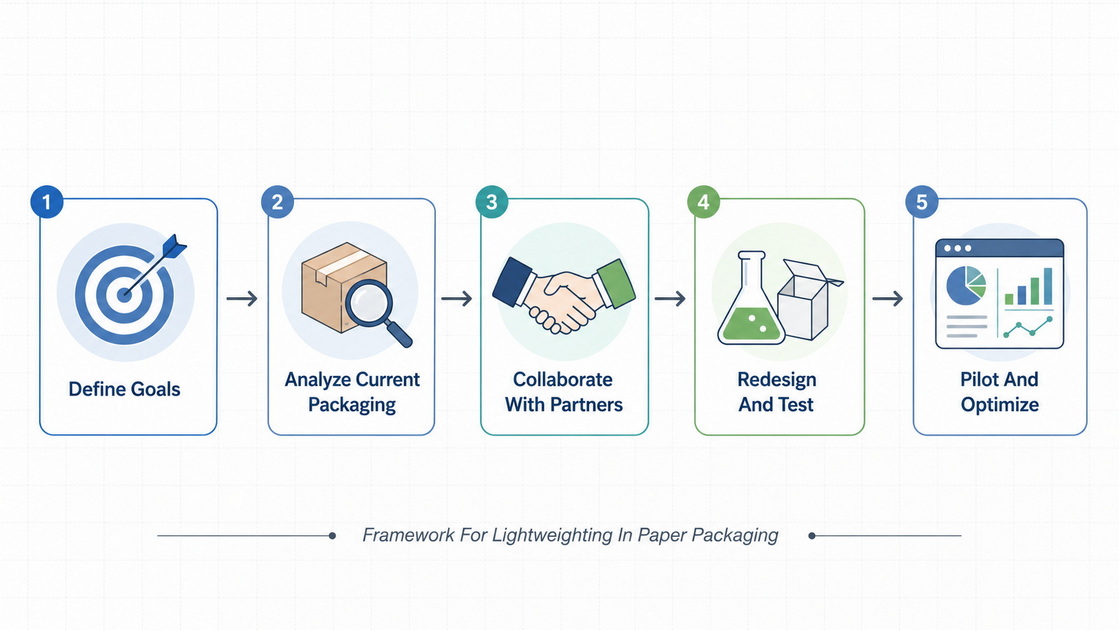
>> 1: Define Objectives and Constraints
>> 2: Analyze Existing Packaging
>> 3: Collaborate with Material and Machinery Partners
>> 4: Redesign Structures and Test
>> 5: Pilot Deployment and Continuous Monitoring
● Real-World Use Cases of Lightweight Paper Packaging
● Aligning Lightweighting with Global Sustainability Regulations
● How HLun Pack Supports Lightweighting Strategies
● Frequently Asked Questions (FAQ)
Lightweighting in paper packaging can dramatically cut costs, reduce emissions, and improve logistics efficiency—but done poorly, it can drive up damage rates and erode customer trust. For brands using paper-based solutions and automated packaging lines, the real competitive edge comes from combining smart lightweight design with reliable packaging machinery and integrated solutions. [packagingblog]
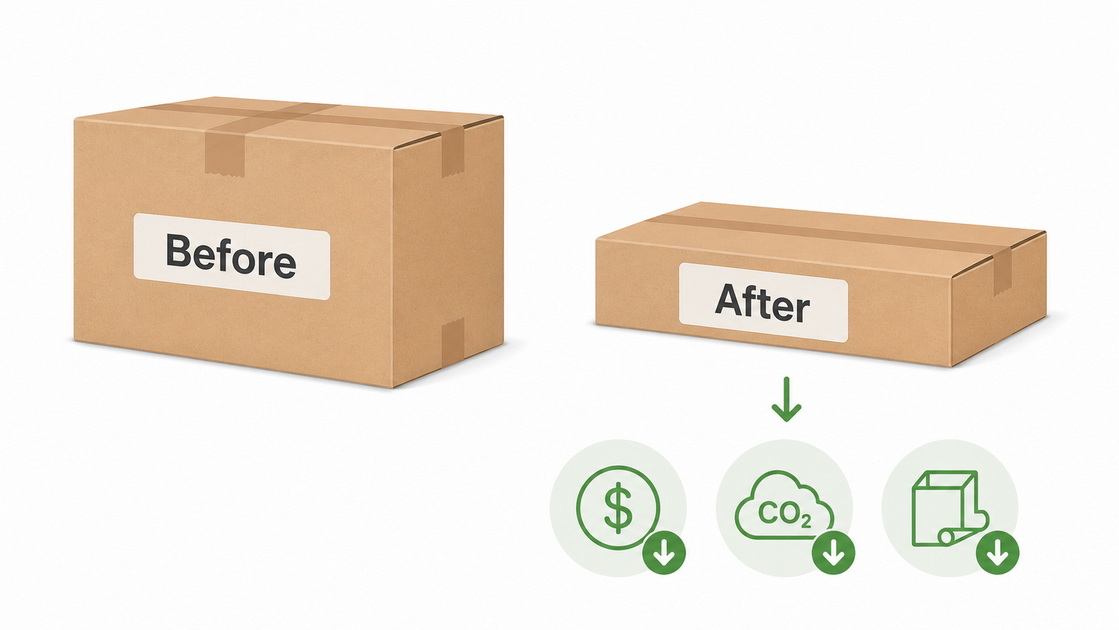
Lightweighting in packaging is the deliberate reduction of packaging weight while maintaining protection, functionality, and brand presentation. In practice, this means using less material, smarter structures, and more efficient processes rather than simply "making boxes thinner." [pakoro]
For paper packaging, lightweighting often involves downgauging paperboard, switching to higher-performance paper grades, and optimizing structural design to maintain stacking strength and impact resistance. When integrated with the right packaging machinery, brands can reduce material use and energy consumption without sacrificing line efficiency or product safety. [hlunpack]
Key idea: Lightweighting is not just about lighter boxes—it is about smarter, system-level packaging design.
Lightweighting has moved from a "nice-to-have" to a strategic priority as sustainability regulations and cost pressures intensify. According to recent market research, the global lightweight packaging market is projected to grow from about 113.1 billion USD in 2026 to over 212.1 billion USD by 2034, driven by cost optimization and environmental targets. [creativeretailpackaging]
At the same time, "paperization"—replacing plastics with paper-based materials—has become one of the headline packaging trends. This pushes brands to find ways to use less paper per pack while still meeting recyclability and performance expectations. [syntegon]
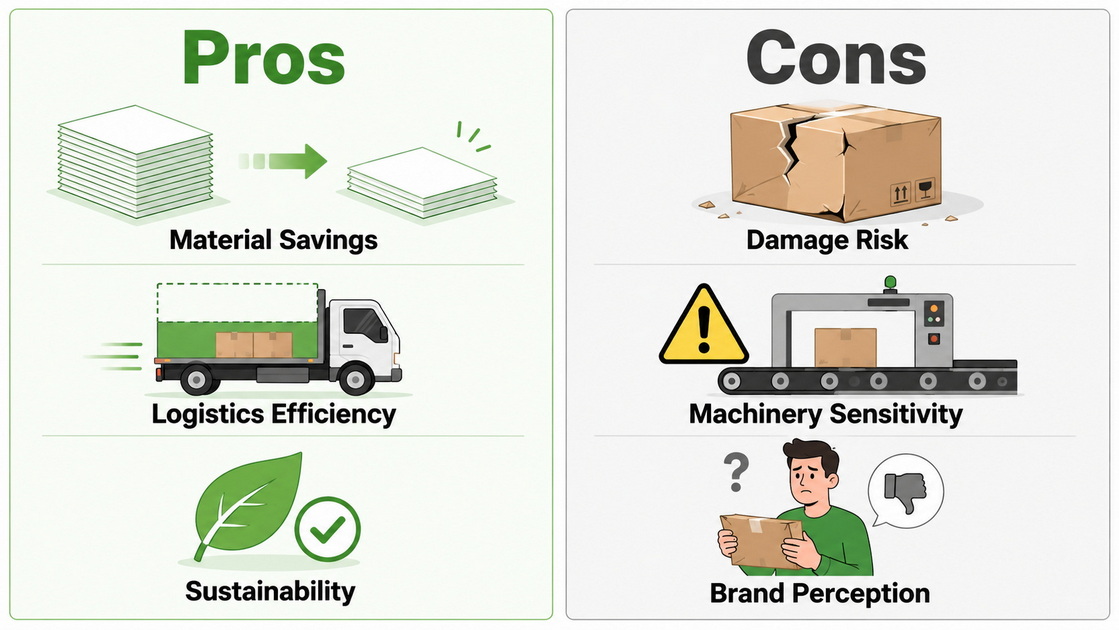
Lightweighting in packaging offers a series of quantifiable benefits when executed correctly.
Reducing basis weight or board thickness directly cuts raw material consumption. When scaled across millions of units, even a 5–10% reduction in paper usage can produce significant annual savings in fiber, converting, and transport costs. [fortunebusinessinsights]
From a machinery standpoint, optimized paper packaging equipment can handle lighter substrates with precise tension control and advanced forming systems, helping brands avoid waste from misfeeds or tears. This combination of lighter materials plus controlled automation drives down total cost per shipped unit. [hlunpack]
Lighter packaging typically leads to fewer emissions because it reduces both material extraction and transportation fuel consumption. Many retailers and brands now highlight carbon footprint data directly on packaging, so lighter, paper-based packs can support stronger sustainability messaging. [packagingblog]
For companies reporting against ESG frameworks, lightweighting in packaging contributes to lower Scope 3 emissions and improved lifecycle assessments. Paper packaging that remains recyclable and, where possible, FSC-certified further strengthens sustainability narratives. [hbfuller]
Lightweight packaging often allows for denser palletization and more efficient cube utilization in trucks and containers. Even small reductions in board thickness or filler volume can allow more units per pallet, lowering per-unit logistics costs and improving warehouse throughput. [fortunebusinessinsights]
In fulfillment centers, lighter paper packaging can also reduce manual handling strain and improve ergonomics, especially when combined with automated packaging lines that minimize repetitive lifting. [chuen-an]
Today's consumers associate lighter, paper-based packaging with environmental responsibility—provided that perceived quality and protection remain high. Brands that clearly communicate why their packaging is lighter (for example, via on-pack sustainability icons or QR code explanations) can strengthen customer trust and loyalty. [creativeretailpackaging]
However, this positive perception depends on zero compromise in product condition; a single damaged shipment can offset the goodwill generated by eco-messaging. [pakoro]
Lightweighting in packaging is not risk-free; poor implementation can harm operations, margins, and brand perception.
The most immediate risk is that thinner paper or board fails under real-world stress. Compressional forces in stacked pallets, vibration in transit, and accidental drops can all expose weaknesses in under-engineered lightweight packaging. [syntegon]
Higher damage rates mean more returns, re-shipments, and customer complaints, which can quickly erase any material savings. This is especially critical for fragile products, heavy items, or long-distance export shipments where transport conditions are more variable. [packagingblog]
Lighter materials are less forgiving in high-speed production environments. They may be more prone to tearing, wrinkling, or misalignment if existing machinery is not calibrated for lower basis weights. [chuen-an]
This requires tighter control of tension, forming, sealing, and cutting parameters, and in some cases additional investments in advanced packaging machinery with better sensors, servo control, and automated adjustments. Without this, downtime and waste rates may rise, offsetting theoretical gains from lightweighting. [hlunpack]
Consumers may equate "less material" with "lower quality" if the packaging feels flimsy or cheap. This can be particularly problematic for premium or gift-oriented brands where the unboxing experience is a significant part of perceived value. [creativeretailpackaging]
Poorly designed lightweight packages may also reduce printable area or structural surfaces for branding, potentially weakening shelf impact and recognition. Brands must carefully balance tactile perception, graphics, and sustainable storytelling to avoid a downgrade in brand image. [creativeretailpackaging]
Lightweighting in packaging is most effective when:
- Products have moderate risk profiles (not ultra-fragile or extremely heavy). [pakoro]
- Supply chains are relatively controlled, with predictable handling conditions. [packagingblog]
- Packaging machinery can be tuned or upgraded to handle lighter substrates. [syntegon]
- The brand has clear sustainability goals and can communicate them to customers. [creativeretailpackaging]
In contrast, lightweighting may be less suitable for:
- Products shipped via highly variable networks with frequent handling. [pakoro]
- Heavy industrial components or bulk liquids where failure costs are very high. [syntegon]
- Brands lacking the machinery or QA infrastructure to validate new designs. [chuen-an]
> Practical rule: If the financial and brand impact of damage is significantly higher than the savings from material reduction, aggressive lightweighting is not the right strategy.
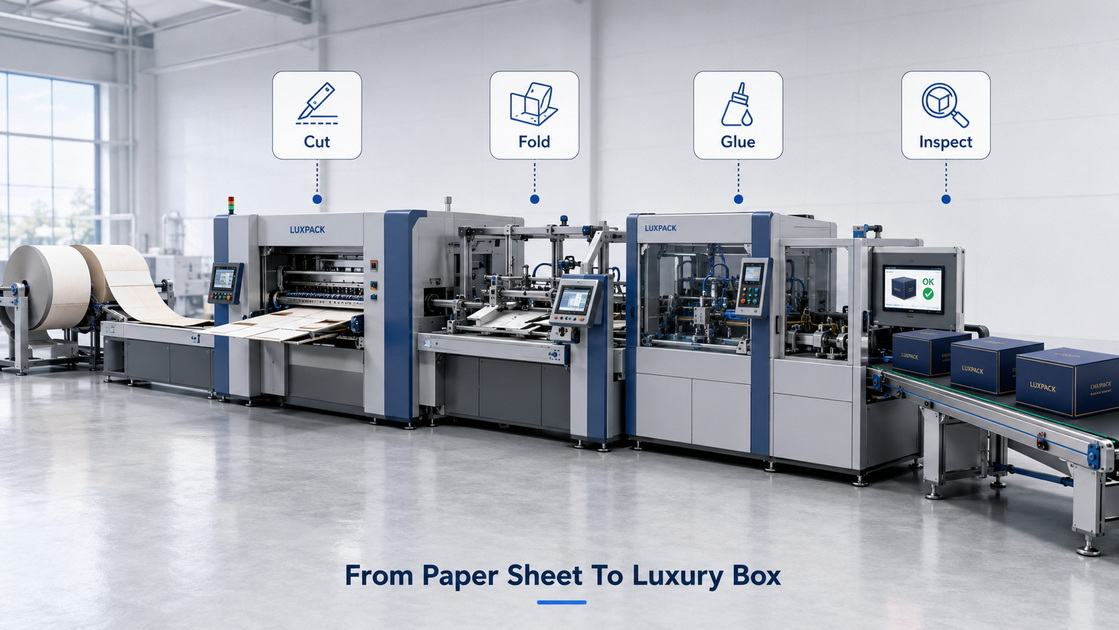
For companies like HLun Pack and its customers, packaging machinery is the bridge between design intent and repeatable, scalable lightweight packaging. A well-engineered automated line can unlock lightweighting opportunities that manual or legacy equipment cannot safely support. [hlunpack]
Modern paper packaging equipment designed for lightweight materials typically offers:
- Advanced tension and web control to avoid tearing and wrinkling of thinner paper. [syntegon]
- Precision forming and folding mechanisms to maintain structural integrity with less material. [hlunpack]
- Adaptive sealing or gluing systems tuned to thinner substrates and eco-friendly adhesives. [3m]
- Integrated inspection systems (cameras, sensors) to detect defects in real time. [chuen-an]
HLun Pack, for example, focuses on integrated packaging solutions that combine paper packaging materials, flexible substrates, and automated machinery for a range of products including granules, powders, and liquids. This integration makes it easier to validate lightweight designs under real production conditions. [hlunpack]
To move from concept to implementation, brands need a structured process that connects design, materials, machinery, and validation. [packagingblog]
- Target material reduction percentage (for example, 5–15%). [packagingblog]
- Acceptable damage rate thresholds (e.g., <0.5% returns from packaging failures). [pakoro]
- Regulatory and retailer requirements (recyclability, labeling, EPR rules). [hbfuller]
- Machinery limitations and line speed targets. [chuen-an]
- Audit current paper grades, basis weights, and structural features. [packagingblog]
- Review damage data from logistics and customer service. [pakoro]
- Identify over-engineered areas—excessive board thickness, oversized void fill, or redundant layers. [packagingblog]
- Engage paper suppliers to explore high-performance grades with better strength-to-weight ratios. [creativeretailpackaging]
- Work with packaging machinery manufacturers (such as HLun Pack) to confirm machine compatibility and identify necessary upgrades or parameter changes. [syntegon]
- Run small-scale trials to validate machine performance with lighter materials before full rollout. [chuen-an]
- Use structural design tools to optimize flutes, folds, and reinforcements, focusing on high-stress areas. [packagingblog]
- Prototype new designs and perform lab tests (compression, drop, and vibration tests) aligned with actual logistics paths. [syntegon]
- Iterate based on test results, adjusting both material specs and machine settings. [chuen-an]
- Launch a controlled pilot with a subset of SKUs or markets. [packagingblog]
- Track real-world failure rates, customer feedback, and line efficiency in detail. [pakoro]
- Establish a continuous improvement loop where data feeds back into both packaging design and machinery tuning. [chuen-an]
E‑commerce brands increasingly replace plastic mailers with paper-based mailers that have reduced basis weights but optimized lamination and folding patterns. With the right cushioning and sealed edges, they can achieve equivalent protection while lowering material usage and improving curbside recyclability. [3m]
Food brands use lightweight paperboard for cereal boxes, snacks, and ready meals, combining structural ribbing and fit-to-product design to maintain shelf presence. Automated cartoning equipment ensures consistent forming and sealing, which is critical when board thickness is reduced. [creativeretailpackaging]
In both cases, packaging machinery tuned for lightweighting allows brands to maintain high-speed production without increasing waste. [hlunpack]
Emerging regulations such as the EU Packaging and Packaging Waste Regulation (PPWR) and various EPR (Extended Producer Responsibility) schemes are pushing brands toward reduced material usage and higher recyclability. Lightweighting in packaging directly supports these goals, especially when combined with paper-based solutions that meet recyclability standards. [hbfuller]
However, regulators also scrutinize packaging performance to prevent greenwashing and product loss. Brands need documented testing, clear recyclability claims, and transparent communication to prove that lighter packaging truly supports sustainability without increasing waste from damaged goods. [hbfuller]
As a specialist in paper packaging products, flexible materials, and automated packaging equipment, HLun Pack is positioned to support brands through the full lightweighting journey. This includes material selection guidance, machinery configuration, and integrated system design for granules, liquids, and powders. [hlunpack]
By partnering with HLun Pack, manufacturers can:
- Co-design packaging and equipment so that lightweighting decisions are validated at the machine level. [syntegon]
- Leverage automation to maintain consistency with lighter materials and reduce human error. [chuen-an]
- Scale globally, using standardized packaging solutions that meet regional sustainability and regulatory requirements. [hbfuller]
-For brands pursuing paper-based, sustainable packaging strategies, an integrated partner reduces risk and accelerates time-to-market for lightweighting initiatives. [hlunpack]
Contact HLun Pack's engineering team to evaluate your current packaging and discover how integrated paper packaging machinery can help you reduce material, cut emissions, and protect your products more efficiently. [hlunpack]
1. What is lightweighting in packaging?
Lightweighting in packaging is the process of reducing packaging weight while maintaining protection, functionality, and brand experience through smarter materials, structures, and equipment. [pakoro]
2. Is lightweight paper packaging strong enough for e‑commerce?
Yes, lightweight paper packaging can be strong enough when designed with proper structural engineering, tested under real shipping conditions, and supported by suitable machinery. [3m]
3. How much material can I typically save with lightweighting?
Many brands target 5–15% reductions in paper usage without compromising performance, though actual savings depend on product type, risk tolerance, and packaging design. [fortunebusinessinsights]
4. Do I need new packaging machinery to use lightweight materials?
Not always, but many existing lines require adjustments or upgrades to handle thin substrates reliably; consulting with equipment providers helps determine the optimal approach. [syntegon]
5. How does lightweighting support sustainability goals?
Lightweighting reduces resource consumption and transport emissions and, when combined with recyclable paper packaging, helps brands meet regulatory and ESG sustainability targets. [fortunebusinessinsights]
1. "Lightweighting in Packaging: Benefits and Methods," industry guide on sustainable packaging optimization. [packagingblog]
2. "Lightweighting In Packaging: The Pros and Cons," Pakoro blog, April 2025. [pakoro]
3. HLun Pack – Custom Packaging Equipment Wholesale Manufacturer and Solution Provider. [hlunpack]
4. "Top Packaging Trends for 2026," Creative Retail Packaging, 2025. [creativeretailpackaging]
5. "Flexible Packaging Trends for 2026: From Momentum to Maturity," H.B. Fuller, March 2026. [hbfuller]
6. "Sustainable Packaging Solutions," 3M, overview of paper-based protective packaging materials. [3m]
7. "The Future of Packaging Machinery: Trends & Innovations in AI and Automation," Chuen An. [chuen-an]
8. "Lightweight Packaging Market Size and Growth Forecast to 2034," Fortune Business Insights. [fortunebusinessinsights]
9. "Sustainable Food Packaging Technology," Syntegon, overview of machinery for eco-friendly packaging. [syntegon]


