


close
Choose Your Site
Global
Social Media
Views: 222 Author: Amanda Publish Time: 2026-01-29 Origin: Site


Content Menu
● What Is a Wax Melt Business and Why It Is Profitable
● Step 1: Understand the Market and Your Ideal Customer
>> 1.1 Research competitors and demand
>> 1.2 Define your target customer persona
● Step 2: Build a Distinct and Trustworthy Brand
>> 2.1 Craft your brand story and positioning
>> 2.2 Choose name, logo, and visual identity
● Step 3: Select Your Wax Melt Products and Fragrance Line
>> 3.1 Choose formats and collections
>> 3.2 Ensure scent quality and performance
● Step 4: Plan Your Business Model and Finances
>> 4.1 Create a simple business plan
>> 4.2 Understand profit margins and pricing strategy
● Step 5: Source High-Quality Materials From Reliable Suppliers
>> 5.1 Choose wax, fragrance, and additives
>> 5.2 Build long-term supplier relationships
● Step 6: Design Eye-Catching, Branded Wax Melt Packaging
>> 6.1 Align packaging with your brand promise
>> 6.2 Include essential information and safety
● Step 7: Choose Your Sales Channels and Launch Strategy
>> 7.1 Direct-to-consumer online
>> 7.2 Marketplaces and social selling
● Step 8: Create an Online Marketing System That Builds Community
>> 8.1 Leverage social media and content
>> 8.2 Build an email list from day one
● Step 9: Price Your Wax Melts for Profit and Perceived Value
>> 9.2 Use pricing to signal quality
● Step 10: Promote Your Wax Melt Business and Build Word-of-Mouth
>> 10.1 Mix organic and paid promotion
>> 10.2 Encourage reviews and referrals
● Step 11: Invest in Customer Experience and Retention
>> 11.1 Map the full customer journey
>> 11.2 Turn buyers into loyal fans
● Legal, Safety, and Compliance Essentials for Wax Melt Businesses
>> 12.1 Understand local regulations and labeling
>> 12.2 Implement product testing and documentation
● Packaging and Fulfilment Workflow for a Smooth Operation
>> 13.1 Standardize your packing process
>> 13.2 Plan inventory and storage
● Take the Next Step With Professional Packaging Support
● FAQs About Starting a Wax Melt Business
>> FAQ 1: Is a wax melt business profitable?
>> FAQ 2: How much does it cost to start a wax melt business?
>> FAQ 3: Do I need special licenses to sell wax melts?
>> FAQ 4: What is the best wax for wax melts?
>> FAQ 5: How can I make my wax melt business stand out?
If you love fragrance and want to build a profitable home-based brand, a wax melt business is one of the most accessible ways to enter the booming home fragrance market. This guide walks you through every step—from legal setup and product development to packaging, pricing, and marketing—so you can launch a wax melt business that stands out, scales, and complies with safety regulations.

Wax melts are scented wax pieces that are warmed (not burned) in a wax warmer to release fragrance into a room. A wax melt business sells these products directly to consumers or wholesale to retailers, spas, subscription boxes, and gift shops.
Key reasons wax melts are a strong business idea in 2026:
- Lower barrier to entry than candles thanks to simpler production and fewer safety concerns around open flames.
- Growing demand for home fragrance and self-care products as more people spend time at home.
- Strong margin potential when you control your supply chain, packaging, and branding.
Example: A small batch producer who sources high-quality soy wax, uses distinctive fragrances, and invests in branded packaging can charge a premium price and build repeat subscription-style orders.
Before you pour a single wax melt, you need to understand who you are selling to and what the competition already offers.
Study existing wax melt brands on marketplaces, social media, and search engines. Make notes on:
- Price points and bundle structures.
- Top-selling scent families such as fruity, floral, gourmand, seasonal, or spa-like.
- Product formats like snap bars, clamshells, shapes, and mini samples.
- Packaging styles, labeling, and unboxing experience.
The goal is not to copy, but to identify clear gaps in the market, such as vegan or allergen-friendly options, minimalist fragrance collections, or mood-based scent ranges that focus on calm, focus, or productivity.
Ask yourself:
- What is their age range, lifestyle, and disposable income level?
- Do they care more about eco-friendly ingredients, luxury aesthetics, or playful scents?
- Where do they currently buy home fragrance products?
- What motivates them to try a new brand?
Create one primary persona, such as “eco-conscious millennial working from home, willing to pay more for natural wax and sustainable packaging.” This persona will guide your decisions about scents, branding, pricing, and marketing channels.
Branding is more than a logo. It is the emotional foundation of your wax melt business and a key factor in repeat purchases.
Clarify what makes your wax melts different:
- Your origin story and why you started the business.
- Your ingredient philosophy, such as natural waxes or phthalate-free oils.
- The emotional promise your products deliver, such as calm evenings, cozy weekends, or focused workdays.
Use this story consistently on your website, packaging, social media, and email to build trust and emotional connection with customers.
For a professional wax melt business, define:
- A memorable, easy-to-spell brand name that fits your positioning.
- A clean logo that works in one color and at small sizes for labels and packaging.
- A color palette that matches your brand personality, such as muted neutrals for calm, bold colors for playful, or metallic accents for luxury.
Document your tone of voice—warm, expert, playful, or minimal—and apply it across all channels so your brand feels coherent and reliable.
Your product line should balance creativity with commercial viability and operational efficiency.
Start with a focused lineup instead of too many SKUs:
- Six to ten core scents covering key families like fresh, floral, woody, gourmand, and seasonal.
- One or two core formats, for example snap bars and clamshells.
- An optional sampler box for discovery, gifting, or subscription add-ons.
Design collections such as “Sleep,” “Focus,” or “Cozy Home” so customers can intuitively choose products that match their mood or environment.
Use high-quality wax and fragrance oils to ensure:
- Strong cold throw so products smell appealing in their packaging.
- Reliable hot throw so the scent fills a room when warmed.
- Consistent melt behavior and fragrance release time.
Test each formula in the warmers your customers are likely to use and adjust fragrance load and wax type until performance is consistent. Keep notes on each test batch to refine your recipes.
A wax melt business is only sustainable if the numbers work over the long term.
Your plan does not have to be complex, but it should clearly cover:
- Startup costs for equipment, materials, packaging, branding, and website setup.
- Monthly fixed costs such as rent, utilities, software, and insurance.
- Variable costs per unit including wax, oils, packaging, labels, and labor.
- Sales targets, profit margin goals, and break-even point.
Use this plan to decide whether you will sell primarily direct-to-consumer, wholesale, or a hybrid model.
Calculate your complete cost per unit, then add a margin that reflects your positioning and perceived value. In home fragrance, underpricing can damage perceived quality and make scaling difficult. Set prices that support your brand story, leave room for promotions, and allow for future wholesale opportunities.
Your materials directly affect product quality, customer safety, and long-term brand reputation.
Popular wax options include soy, coconut, paraffin, and wax blends, each with different performance and sustainability profiles. When vetting suppliers, look for:
- Detailed technical data sheets and safety information.
- Consistent batch quality and reliable lead times.
- Options for unique or custom fragrances.
If you highlight natural, vegan, or eco-friendly positioning, ensure your suppliers and materials genuinely support those claims.
Once you identify trustworthy partners, consolidate your orders where possible to negotiate better pricing and consistent supply. Discuss minimum order quantities, payment terms, and inventory planning as your wax melt business grows. Strong supplier relationships help you stay stable during peak seasons.
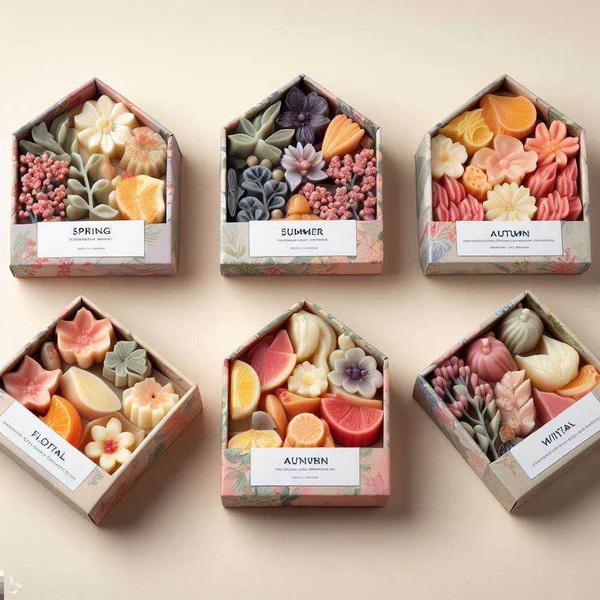
Packaging is often the first physical touchpoint your customer has with your brand and plays a major role in perceived value.
Decide whether your wax melts will be packed in:
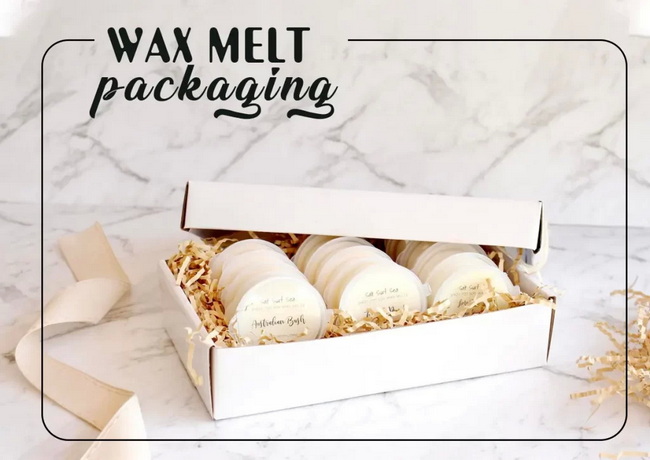
- Clamshells, snap bar sleeves, or rigid boxes.
- Muslin bags, paper cans, or stand-up pouches.
Choose materials and finishes that express your brand values. For example, use recyclable cardboard mailers and minimalist labels for a modern eco-conscious brand, or premium printed boxes and metallic accents for a luxury positioning.
Your packaging should clearly show:
- Brand name and logo.
- Scent name and collection.
- Safety warnings and usage directions.
- Net weight, batch information, and contact details or website.
High-quality, clear packaging reassures customers that your wax melt business is professional and trustworthy.
To enhance user experience on your website and product pages, plan visuals such as:
- Close-up product shots showing texture, color, and format.
- Lifestyle images of wax melts in warmers in real home settings.
- Short video clips of the unboxing experience or wax melts in use.
These visuals make your listings more engaging and help customers visualize your products in their own spaces.
Your sales channels determine how customers discover, evaluate, and purchase your wax melts.
Create an e-commerce site using platforms like Shopify or WooCommerce that features:
- Clear navigation with sections such as Shop, Collections, About, FAQ, and Contact.
- Strong product pages with scent descriptions, benefits, and usage tips.
- Easy checkout, multiple payment options, and transparent shipping and return policies.
This channel gives you maximum control over pricing, branding, and customer data.
Complement your website with:
- Marketplaces such as Etsy or niche craft and home fragrance platforms.
- Social shops on Instagram, Facebook, and TikTok.
- Private social media groups or communities for loyal customers and VIP launches.
Review channel performance regularly and invest more in the ones that provide the best combination of traffic, conversion, and profit.
Visibility and community are essential for building a profitable and sustainable wax melt brand.
Use platforms where your ideal customer spends time to:
- Share behind-the-scenes production clips and studio tours.
- Post scent stories, playlist suggestions, and mood boards for each collection.
- Collect and repost user-generated content such as photos, reviews, and unboxing videos.
Consistent, engaging content builds familiarity, trust, and social proof, which increases conversions over time.
Offer a small incentive, such as a discount on the first order or access to limited scents, to encourage sign-ups. Then send:
- Launch announcements and restock alerts.
- Educational content like how to use wax melts safely and effectively.
- Exclusive bundles and early access to seasonal collections.
Email marketing gives you a direct line to your customers that is not dependent on social media algorithms.
Pricing is both a financial and psychological tool.
When you set prices, consider:
- Materials including wax, fragrances, dyes, and packaging.
- Labor for pouring, labeling, packing, and customer service.
- Overheads such as equipment, energy, rent, tools, and software.
- Marketing costs and transaction fees.
Build in room for wholesale pricing and promotions so your business can grow without eroding margins.
Home fragrance buyers often associate higher prices with better scent throw and product quality. Position your brand where the price supports your story—eco-luxury, everyday affordable, or handcrafted mid-range—but avoid underpricing just to compete. A clear, confident pricing structure reinforces your brand value.
Once you are ready to sell, you need to actively drive traffic, sales, and referrals.
Combine:
- Organic content on social media and your blog, such as “how to choose the right wax melts for small spaces.”
- Collaborations with micro-influencers whose audiences match your ideal customer.
- Occasional paid ads or boosted posts for launches, seasonal collections, and gift sets.
Use QR codes on packaging inserts, flyers, and offline materials to drive people directly to your website or social pages.
After each order, send a friendly request for feedback and a review. Highlight positive reviews on your product pages and social media. Consider a simple referral program, such as “Give 10%, get 10%,” to turn satisfied buyers into long-term advocates.
Long-term profitability depends on how well you retain customers and encourage repeat purchases.
Look at every touchpoint from discovery to re-purchase:
- Website speed, mobile experience, and checkout process.
- Shipping speed, packaging quality, and delivery communication.
- Scent accuracy, performance, and ease of use.
- Customer support responsiveness and tone.
Identify and fix friction points quickly, as even small improvements can significantly increase repeat purchase rates.
Consider:
- Loyalty points or reward programs for repeat purchases.
- Early access for subscribers to new scents or limited releases.
- Personalized recommendations based on previous orders and browsing behavior.
A strong focus on relationships makes your wax melt business more resilient than competitors that only chase new customers.
To build authority and consumer trust, your products must be safe and compliant with relevant regulations.
Research regulations for home fragrance products in your target markets, including:
- Requirements for hazard symbols, warnings, and ingredient disclosures.
- Any standards that apply to home fragrance products or claims such as “hypoallergenic.”
- Rules for selling at markets, fairs, and online platforms.
Even though wax melts do not use an open flame, clear labeling and safety guidance are critical to protecting customers and your brand.
Before launching a scent, document:
- Test results for scent performance and wax behavior across different warmers.
- Batch numbers linked to ingredient lots and production dates.
- A basic process for communicating updates or recalls if you ever need to change safety guidance.
Keeping records and following consistent procedures strengthens your authority and helps you handle potential issues quickly and professionally.
Efficient operations improve customer satisfaction, protect your margins, and support growth.
Create a packing checklist to ensure every order includes:
- Correct items and quantities with clear labels.
- Protective packaging suited to your climate and shipping method.
- A branded thank-you card, care instructions, and any promotional inserts.
Standardizing this workflow reduces errors, creates a consistent unboxing experience, and makes it easier to train staff or freelancers as you scale.
Store wax melts in a cool, dry place away from direct sunlight to preserve fragrance and appearance. Implement a first-in, first-out system so older batches are sold first and customers always receive products with optimal scent quality.
Step | Focus Area | Main Objective |
1 | Market research | Understand demand, competitors, and customer personas. |
2 | Branding | Build a memorable, trustworthy identity. |
3 | Product line | Develop high-performing, distinctive wax melts. |
4 | Business planning | Ensure financial viability and growth potential. |
5 | Sourcing | Secure reliable, quality materials suppliers. |
6 | Packaging | Deliver a branded, safe unboxing experience. |
7 | Sales channels | Decide where and how you will sell. |
8 | Marketing | Drive awareness and build a community. |
9 | Pricing | Balance profit and perceived quality. |
10 | Promotion | Increase visibility and word-of-mouth. |
11 | Customer relationships | Maximize retention and repeat orders. |
12 | Legal and safety | Protect customers and your brand. |
13 | Operations and fulfilment | Standardize production and packing. |
You now have a clear, step-by-step roadmap to plan, launch, and grow a profitable wax melt business, from brand strategy and sourcing to packaging, pricing, marketing, and customer retention. The next step is to turn your ideas into a tangible product experience that delights customers from the very first unboxing. If you are ready to upgrade your wax melt packaging, introduce automation with packaging machinery, or design an integrated packing solution tailored to your production line, contact our team today to discuss a custom packaging strategy for your wax melt business.
Contact us to get more information!
Yes, a wax melt business can be highly profitable when you control material costs, set sustainable prices, and build strong customer loyalty through consistent branding, quality, and marketing. Profitability improves as you optimize batch sizes, minimize waste, and increase repeat orders.
Startup costs vary depending on your location and scale, but many new owners begin with a lean setup. Typical investments include wax and fragrance oils, molds and warmers for testing, basic equipment, packaging and labels, and a simple website or online shop. Starting small and reinvesting profits can help you grow without taking on heavy debt.
Requirements differ by country and region, so you should always check local regulat


