


close
Choose Your Site
Global
Social Media
Views: 257 Author: HLun PACK Publish Time: 2026-08-05 Origin: Site


Content Menu
● Freshness Protection And Coffee Performance
● Cost, Production, And Operations
● Sustainability And Material Strategy
● FAQ
Flat bottom bag vs side gusset bag for coffee packaging is not just a design choice; it is a decision that affects shelf impact, freshness protection, filling efficiency, shipping cost, and brand positioning. For coffee brands, the best format depends on whether the priority is premium presentation, production speed, material efficiency, or retail performance.
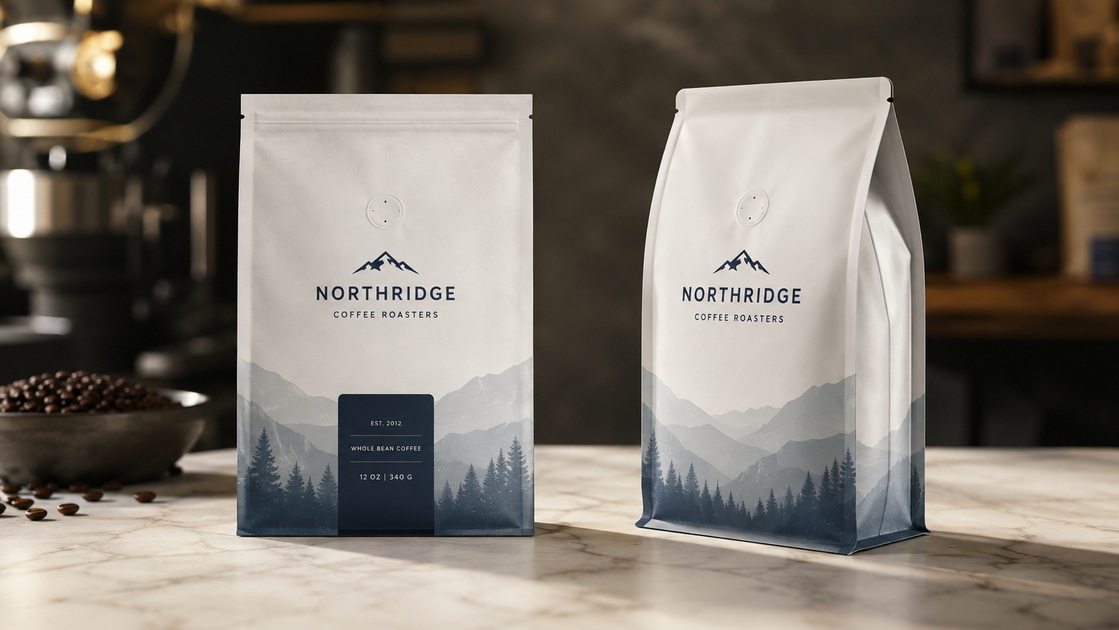
Coffee packaging has to do more than hold beans. It must protect aroma, manage CO2 release after roasting, block oxygen and moisture, and still persuade shoppers at the shelf or online.
From an industry standpoint, that makes bag structure a strategic choice, not a cosmetic one. A brand that sells premium specialty coffee may need a stronger visual identity, while a value-driven roaster may care more about cost efficiency and production simplicity.
A flat bottom bag is also called a box pouch. It has a flat rectangular base, side gussets, and a five-panel structure that creates strong upright stability and a large printable surface.
A side gusset bag has folded panels on both sides that expand when filled. It is widely used for coffee because it is efficient to pack, compact in storage, and adaptable for different bag sizes.
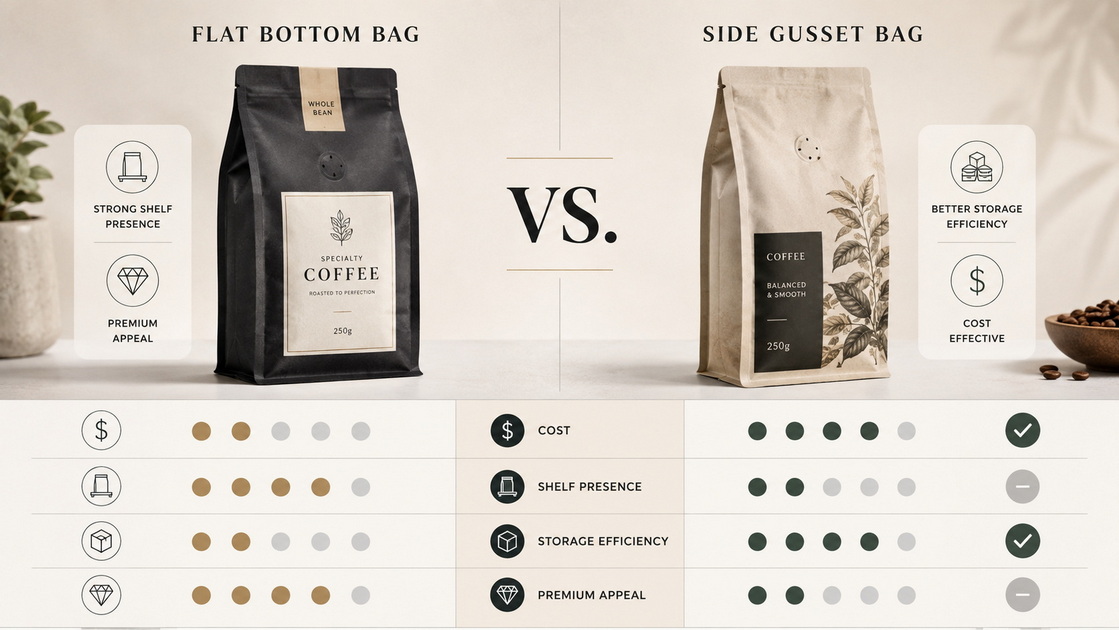
| Factor | Flat Bottom Bag | Side Gusset Bag |
|---|---|---|
| Shelf presence | Strong, premium, highly stable | Traditional, functional, less visually dominant |
| Printable area | Large, ideal for branding and storytelling | More limited, but still effective for essential branding |
| Structural feel | Rigid-looking, upscale, box-like | Flexible, classic, space-efficient |
| Shipping and storage | Efficient, but usually less compact than side gusset | Very compact and easy to store flat |
| Cost tendency | Usually higher due to structure and appearance | Usually more cost-efficient |
| Best fit | Premium, specialty, retail-first brands | Larger-volume, value-focused, or traditional coffee lines |
If your coffee brand competes in premium retail, the flat bottom bag usually wins. Its broad panels make it easier to show origin, roast notes, certifications, QR codes, and a strong visual story.
Side gusset bags can still look professional, especially with good print design, but they are generally better when the brand message is simpler and the budget is tighter. For brands that want the package itself to signal "premium," the flat bottom bag is often the more powerful format.
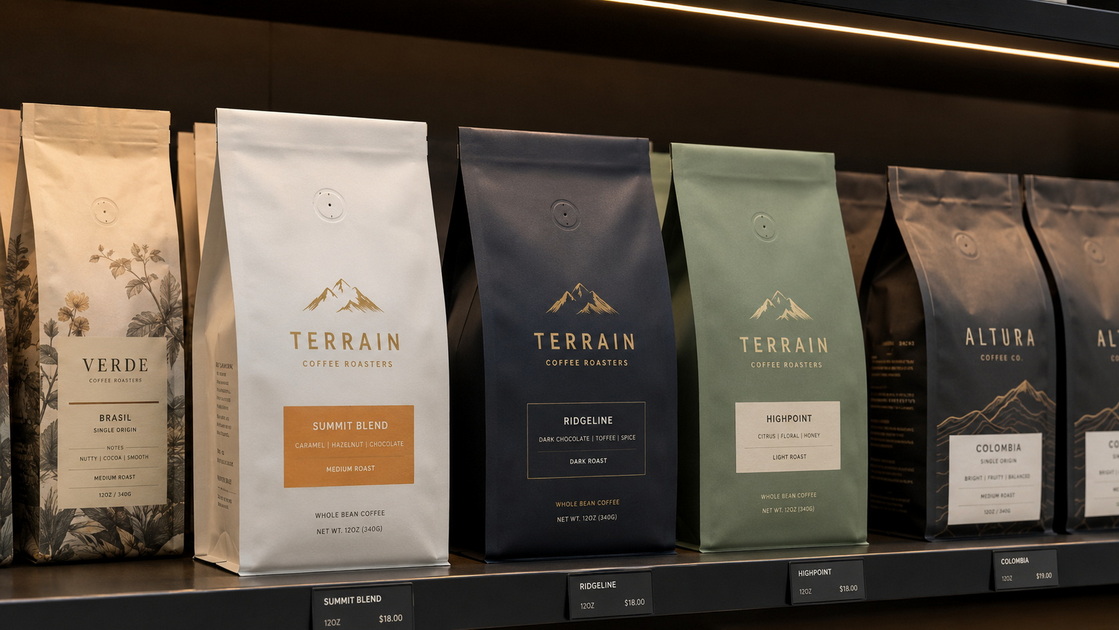
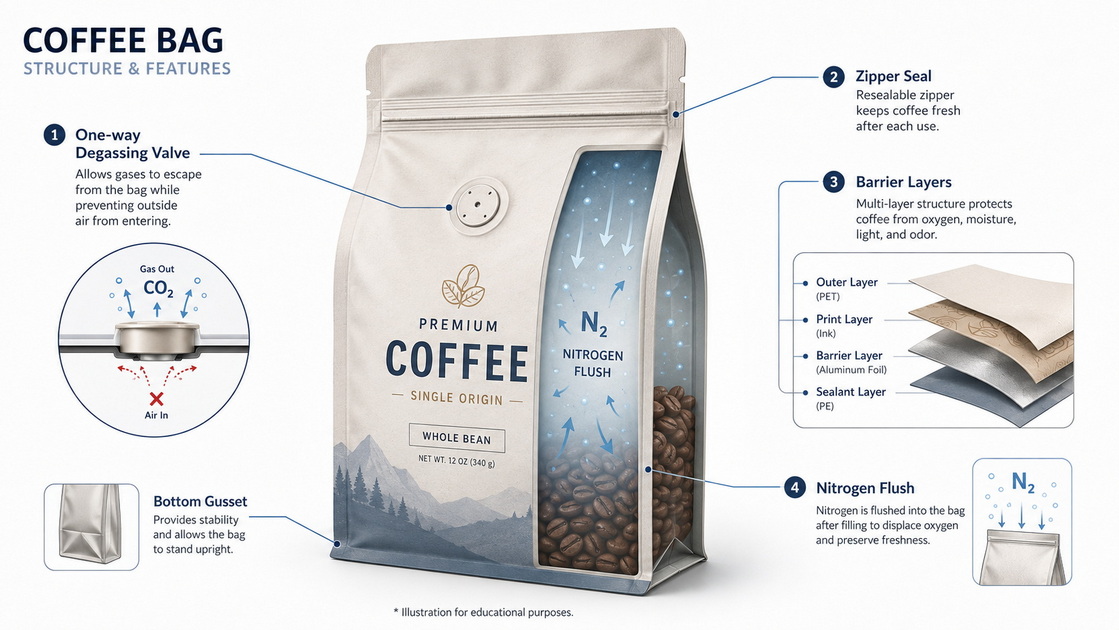
For freshness, the bag structure matters less than the full packaging system. The real performance comes from the barrier film, heat seal quality, degassing valve, and whether the package is flushed with nitrogen.
Freshly roasted coffee releases CO2, and a one-way valve helps it escape without letting oxygen back in. That is why both flat bottom bags and side gusset bags often include valves when used for roast coffee.
From a manufacturing view, side gusset bags are often easier to position when the priority is throughput and unit cost. They are familiar, compact in shipping, and practical for large-volume coffee SKUs.
Flat bottom bags typically require a higher packaging investment, but they can support a higher perceived product value. In many cases, that extra packaging cost is justified if the brand sells at a premium price point or relies heavily on retail shelf conversion.
Sustainability is increasingly tied to material choice, not just bag shape. Research on flexible coffee packaging shows that monomaterial designs can reduce environmental impact significantly, including a reported 50% lower carbon footprint in one life cycle assessment.
That means the smartest decision is not "flat bottom vs side gusset" alone. It is whether the chosen format can be made with recyclable or lower-impact structures without sacrificing freshness and brand appeal.
As a packaging strategist, I would guide coffee brands with this simple rule:
1. Choose flat bottom bags when branding, shelf impact, and premium perception are top priorities.
2. Choose side gusset bags when cost control, compact storage, and classic coffee presentation matter most.
3. Choose the bag structure last, after confirming the barrier film, valve, zipper, and filling process.
In real projects, the best result often comes from matching the bag to the business model, not just the roast profile. A specialty roaster selling in boutiques may benefit from a flat bottom bag, while an export-oriented volume brand may prefer side gusset efficiency.
Use this quick guide:
- Premium retail coffee: flat bottom bag.
- Mainstream or high-volume coffee: side gusset bag.
- Gift sets or limited editions: flat bottom bag.
- Price-sensitive private label: side gusset bag.
- Brands focused on visual storytelling: flat bottom bag.
- Brands focused on operational simplicity: side gusset bag.
This approach helps align packaging with sales strategy, not just design preference.
If you are developing a new coffee line, the best next step is to define your target price point, shelf channel, fill volume, and freshness requirements before choosing the bag format. HLun Pack can support that process with flexible packaging machinery and integrated packaging solutions tailored to coffee brands.
1. HLunPack. "Stand Up Pouch Vs Flat Bottom Bag: Which Packaging Is Better for Coffee Brands?"
2. HLunPack. "Stand Up Pouch Vs Flat Bottom Bag: Which Packaging Is Better for Coffee Brands?"
3. Swiss Pac. "Production of Flexible Packaging, Stand Up Pouches, Coffee Bags, Flat Bottom Pouches."
4. Flexible Packaging Types: Materials & Benefits.
5. What Is a Gusset Bag? Side vs Bottom: Which Packaging Fits.
6. Coffee Packaging Guide: Valves, Barrier Films & Freshness.
7. What Is the One-Way Valve on a Coffee Bag and Why Does It Matter?
8. Degassing Valves for Coffee Packaging.
9. From multimaterial to monomaterial: An LCA of flexible coffee packaging.
10. Journal of Recycling Economy & Sustainability Policy, 2024. Flexible packaging single-material recyclability study.
1. Which is better for premium coffee packaging?
Flat bottom bags are usually better because they offer stronger shelf impact and a larger printable surface.
2. Which bag is more cost-effective?
Side gusset bags are usually more cost-efficient, especially for high-volume coffee production.
3. Do both bag types need a degassing valve?
Yes, if the coffee is freshly roasted. A one-way valve helps release CO2 while keeping oxygen out.
4. Which format is better for sustainability?
Sustainability depends more on the material structure than the bag shape. Monomaterial flexible packaging can reduce environmental impact.
5. Which bag is better for retail shelves?
Flat bottom bags usually perform better on shelves because they stand more securely and present a more premium look.


