


close
Choose Your Site
Global
Social Media
Views: 222 Author: Amanda Publish Time: 2026-01-27 Origin: Site


Content Menu
● What Are Custom Rigid Boxes?
● Why Custom Rigid Boxes Matter for Small Businesses
● 1. Custom Rigid Boxes Tell Your Brand Story
● 2. Elevating the Unboxing Experience
● 3. Improving Perceived Value and Pricing Power
● 4. Building Brand Loyalty and Repeat Purchases
● 5. How Custom Rigid Boxes Pay for Themselves
● 6. Market Trends and Data Small Businesses Should Know
● 7. Sustainability and Custom Rigid Boxes
● 8. Practical Steps to Implement Custom Rigid Boxes
● 9. UX and Design Best Practices for Rigid Box Packaging
● 10. Cost, ROI, and Scalability for Small Businesses
● 11. How Custom Rigid Boxes Support E‑E‑A‑T Content Strategy
● Example Comparison: Standard Box vs. Custom Rigid Box
● Strategic Call‑to‑Action for Small Businesses
● FAQs About Custom Rigid Boxes for Small Businesses
>> 1. Are custom rigid boxes too expensive for small businesses?
>> 2. Which products benefit most from rigid box packaging?
>> 3. How can I make rigid boxes more sustainable?
>> 4. What design features create the best unboxing experience?
>> 5. How do rigid boxes support my online marketing and E‑E‑A‑T?
For small businesses selling cosmetics, electronics, gourmet food, or gifts, custom rigid boxes are no longer a “nice to have” – they are a core growth lever that shapes brand perception, margins, and repeat purchase behavior. This guide explains in depth how rigid box packaging works for small brands, how to calculate ROI, and how to design boxes that meet customer expectations.
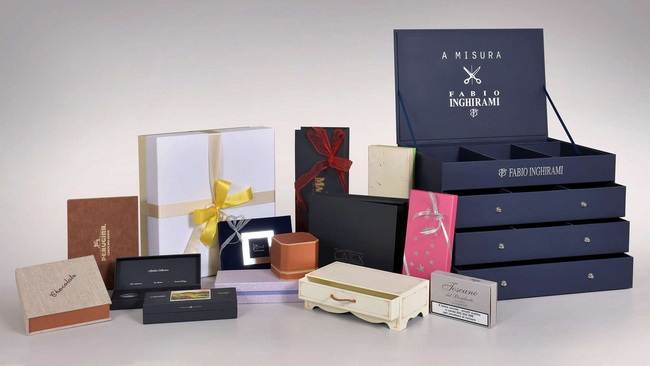
Custom rigid boxes are premium, thick paperboard boxes that hold their shape and feel solid in hand, often used for luxury or gift‑like products.
Key characteristics include:
- Sturdy paperboard (usually 1.5–3 mm) wrapped with printed paper or specialty materials
- Fixed, non‑collapsible construction that protects products in transit
- Custom sizes, finishes, inserts, and closures (magnetic, ribbon, sleeves)
- Strong association with luxury categories like cosmetics, electronics, jewelry, and premium foods
For small businesses, rigid boxes transform everyday products into a premium, gift‑ready experience that customers are willing to pay more for.
Small brands compete in overcrowded marketplaces where visual differentiation and perceived value decide who wins the click and the repeat order.
Custom rigid boxes help small businesses:
- Stand out on shelves and marketplaces with instantly recognizable packaging
- Charge premium prices by signaling quality and exclusivity
- Reduce product damage and returns thanks to rigid construction and inserts
- Convert first‑time buyers into loyal advocates through memorable unboxing
Global demand for luxury rigid boxes is growing steadily, with the market projected to rise significantly over the next decade, driven by sectors like cosmetics, electronics, jewelry, and gifting. This trend creates an opportunity for smaller brands to ride the same premium packaging wave previously reserved for big names.
Your packaging is often the first touchpoint between your brand and the customer, especially in e‑commerce. For many buyers, the box is the opening scene of your brand story.
Effective custom rigid boxes can communicate:
- Brand values (minimalist, sustainable, playful, luxury)
- Target audience (youthful, corporate, eco‑conscious, high‑end)
- Product promise (safe, indulgent, high‑tech, artisanal)
Example:
A small skincare brand using a matte rigid box with soft color palettes, foil logo, and a short printed brand manifesto inside the lid immediately communicates care, quality, and trust, even before the jar is opened.
To align with Google's E‑E‑A‑T, brands should clearly identify the business on the box (logo, website, contact details), and echo this same identity on the website and product pages to build trust and consistency.
Custom rigid boxes dramatically upgrade the unboxing moment, which influences retention and word‑of‑mouth.
An effective rigid box unboxing flow often includes:
- A snug, two‑piece lid and base that open with slight resistance
- A branded interior (logo print, pattern, or message)
- Custom inserts that hold products securely and display them clearly
- A small printed thank‑you card or care instruction sheet
This tangible, cinematic experience is what turns “I bought a product” into “I received a gift,” even in everyday categories.
Customers often judge product quality by its packaging before they ever test the product itself. A custom rigid box signals that the contents are worth protecting and presenting.
Perceived value benefits include:
- Justification for higher price points compared with similar products in folding cartons or polybags
- Stronger positioning in the premium or giftable tier of marketplaces
- Reduced price sensitivity because customers feel they are buying an experience
For small businesses, custom rigid boxes can shift your product out of discount competition and into a higher‑margin category.
Brand loyalty emerges when customers consistently experience quality, consistency, and emotional resonance at every touchpoint. Rigid boxes support this by ensuring the product looks and feels premium from first purchase to repeat order.
Custom rigid boxes contribute to loyalty by:
- Protecting products so customers receive items in perfect condition
- Making the product feel special enough to keep the box for storage or display
- Acting as a constant physical reminder of your brand in the customer's home
- Encouraging gifting; when someone gifts your product, your box becomes a mini billboard
In many categories, repeat customers drive a large portion of profits; each additional memorable experience with your packaging increases the probability that customers will stick with your brand.
While custom rigid boxes cost more per unit than standard corrugated or folding cartons, they often deliver a positive ROI when you factor in price, loyalty, and marketing impact.
They can pay for themselves through:
- Higher margins: Premium packaging supports higher retail prices and upsells
- Repeat orders: Better unboxing and durability increase the chance of repurchase
- Lower return and damage rates: Rigid construction and inserts protect delicate goods
- Organic marketing: Social shares and unboxing videos act as free promotion
Demand for luxury rigid packaging has been rising precisely because brands see it as a long‑term brand asset rather than a pure cost.
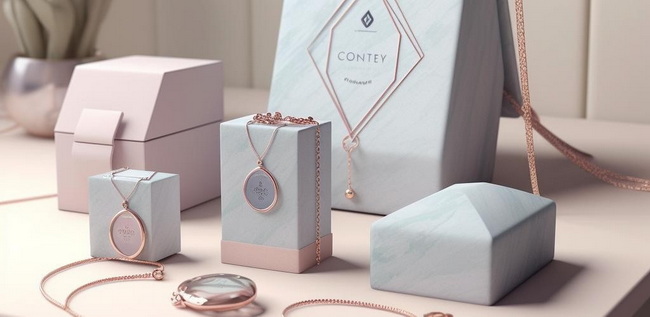
Understanding current packaging trends helps small brands make future‑proof decisions.
Key rigid box market trends include:
- Steady growth in luxury rigid packaging across global markets
- Strong adoption in cosmetics, consumer electronics, accessories, and premium foods
- Increased use of two‑piece boxes, magnetic closures, sleeves, and custom inserts
- More suppliers offering lower minimum order quantities, making premium packaging accessible to smaller brands
For small brands, these trends mean you can adopt the same packaging tactics as big players, often at smaller MOQs than before.
Modern customers, especially younger generations, care deeply about sustainability and expect brands to reflect that value in their packaging.
Rigid boxes can support sustainability goals when you:
- Use recycled or FSC‑certified paperboard and wrapping paper
- Design for reuse (storage boxes, organizers), extending box life beyond shipping
- Avoid unnecessary plastic components (windows, plastic trays)
- Clearly communicate eco‑friendly choices on the box and website
Clear sustainability messaging also supports Google's E‑E‑A‑T by showing transparency and responsibility.
This section gives small businesses a step‑by‑step roadmap to switch from basic packaging to custom rigid boxes.
- Define your packaging goals
Decide whether you are targeting giftability, higher price points, reduced damage, or a luxury image. Clarify your main objective before talking to suppliers.
- Map your unboxing journey
Sketch the customer experience from outer shipping carton to final product reveal. Decide where you want to create surprise or emotional peaks (lid removal, message inside, reveal of product).
- Choose structure and size
Consider formats such as two‑piece lift‑off lids, magnetic closure boxes, and sleeve boxes. Right‑size the box to reduce shipping costs and protect the product.
- Select materials and finishes
Paperboard thickness, wrap material (coated, uncoated, textured), and finishes (foil, embossing, spot UV) define your brand feel. Align finishes with your price point and brand personality.
- Design inserts and protection
Foam, paperboard, or molded pulp inserts keep products secure and beautifully presented. For fragile items, inserts significantly reduce damage and returns.
- Start with a pilot run
Test a small batch to validate feedback, shipping performance, and unboxing response before scaling up.
- Integrate with your marketing
Encourage customers to share unboxing on social media, highlight packaging in product photos, and tell your packaging story on product pages.
To maximize user experience, focus on clarity, ease, and emotional impact.
Best practices include:
- Clear hierarchy: Logo, product name, and key benefit should be easy to read at a glance
- Simple opening: Avoid overly complicated closures; magnetic or lift‑off lids balance security and ease
- Tactile elements: Soft‑touch finishes, subtle embossing, or textured paper add a premium feel
- Inside messaging: Print a short welcome note, usage tips, or brand story under the lid to surprise the customer
- Accessibility: Ensure the box can be opened without excessive force; avoid sharp edges or confusing structures
These UX attributes not only make customers enjoy the packaging, they also reduce friction and frustration, particularly important for older customers or those with limited mobility.
Small businesses often hesitate because rigid boxes feel “too expensive.” A more accurate approach is to treat rigid packaging as a marketing and brand investment rather than a generic cost.
Consider:
- Unit cost vs. average order value: If a rigid box adds a small cost per unit but lets you increase price or upsell, margins can improve
- Lifetime value: Repeated purchases driven by stronger brand perception can outweigh initial packaging expenses
- Order flexibility: Many rigid box suppliers now offer scalable MOQs, allowing you to start small and grow with demand
Luxury and rigid packaging adoption in both small and large businesses has accelerated specifically because brands see consistent demand for premium unboxing experiences across retail and e‑commerce channels.
For brands publishing content about packaging, it is crucial to align articles with Google's E‑E‑A‑T framework (Experience, Expertise, Authoritativeness, Trustworthiness).
Custom rigid box content can support E‑E‑A‑T by:
- Showcasing real‑world experience through case studies, photos, and performance data
- Demonstrating expertise by explaining structures, materials, and technical details in clear, accurate language
- Building authoritativeness with expert insights, industry statistics, and references to market research on rigid box trends
- Enhancing trust by sharing transparent information about your company, certifications, sustainability claims, and customer testimonials
Aspect | Standard Folding Carton | Custom Rigid Box |
Structure | Thin, collapsible paperboard | Thick, non-collapsible board |
Perceived value | Everyday, budget-friendly | Premium, gift-ready feel |
Protection | Moderate protection | High protection, especially with inserts |
Branding space | Limited structure and finishes | Supports special finishes and complex designs |
Unboxing experience | Functional but simple | Memorable, shareable unboxing |
Best for | Mass, cost-sensitive products | Premium, fragile, or giftable items |
If you are a growing small brand looking to upgrade from basic packaging, now is the right time to test custom rigid boxes. By working with a specialist rigid box manufacturer, you can design packaging that boosts perceived value, protects your products, and creates the kind of unboxing experience customers want to share. Reach out to a professional packaging partner today, discuss your product line and growth goals, and start developing a custom rigid box solution that turns every order into a premium brand moment.
Contact us to get more information!
Not necessarily. While unit costs are higher than standard cartons, small brands can offset this with higher price points, reduced damage, and more repeat orders, especially when starting with lower MOQs and targeted SKUs.
Rigid boxes are especially effective for high‑value or gift‑oriented items such as cosmetics, fragrances, electronics accessories, jewelry, premium spirits, and gourmet foods because these categories rely heavily on perceived value and presentation.
Use recycled or FSC‑certified paperboard, minimize plastic elements, design boxes for reuse, and clearly communicate recycling instructions and sustainability choices on the packaging and your website to align with consumer expectations.
Two‑piece lift‑off lids, magnetic closures, custom inserts, interior printing, and a short printed brand message inside the lid all contribute to a smoother, more emotional unboxing that customers are more likely to remember and share.
Premium packaging improves product photos, strengthens your brand story, and gives you tangible evidence such as case studies, user photos, and unboxing videos to demonstrate real‑world experience and trustworthiness in your content, reinforcing Google E‑E‑A‑T signals.
1. https://pakfactory.com/blog/5-reasons-why-custom-rigid-boxes-benefit-small-businesses/
2. https://www.towardspackaging.com/insights/luxury-rigid-box-market-sizing
3. https://venntov.com/blogs/blog/experience-matters-how-to-write-content-for-googles-e-e-a-t-guidelines
4. https://www.wecustomboxes.com/blog/benefits-of-using-custom-cardboard-boxes-for-your-business/
5. https://finance.yahoo.com/news/luxury-rigid-box-market-size-080000480.html
6. https://www.marketingaid.io/ultimate-eeat-guide/
7. https://custompackbox.com/how-custom-rigid-boxes-can-enhance-your-product-presentation/
8. https://www.pristinemarketinsights.com/rigid-sleeve-boxes-market-report
9. https://www.innovationvisual.com/knowledge-hub/resources/google-eeat-guidelines-how-to-remain-compliant
10. https://www.mexc.co/en-IN/news/251546


