


close
Choose Your Site
Global
Social Media
Views: 222 Author: Amanda Publish Time: 2026-02-17 Origin: Site


Content Menu
● What Are Custom Paper Shopping Bags?
● Why Custom Paper Bags Are Essential in 2026
>> 1. A Powerful, Low‑Cost Branding Channel
>> 2. Sustainability as a Competitive Advantage
● Key Paper Bag Terminology (Explained Simply)
>> Points (PT)
>> GSM vs PT: When to Use Which
>> Gussets
● How to Choose the Right Custom Paper Bag for Your Business
>> 1. Understand Your Business Type and Use Case
>> 2. Match Bag Size to Product Volume and Weight
>> 3. Choose the Right Style and Structure
>> 4. Select Materials for Performance and Feel
>> 5. Design and Printing Options That Elevate Your Brand
>> 6. Customization Features That Enhance User Experience
>> 7. Cost Factors for Custom Paper Shopping Bags
● Choosing the Right Paper Bag Manufacturer
● Example Use Cases by Industry
● Expert Checklist: Planning Your Custom Paper Bag Project
● Why Work With a Full‑Service Packaging Partner
● Take the Next Step With Your Custom Paper Bags
● Frequently Asked Questions (FAQ)
>> FAQ 1: Are custom paper shopping bags recyclable?
>> FAQ 2: What paper weight is best for heavy products?
>> FAQ 3: Can I print full‑color artwork on custom paper bags?
>> FAQ 4: How long does it take to produce custom paper bags?
>> FAQ 5: What is the minimum order quantity (MOQ) for custom bags?
Custom paper shopping bags are no longer just a way to carry products; they are a strategic branding tool that combines sustainability, customer experience, and cost‑effective advertising in one solution. This guide walks you through everything you need to know in 2026 to plan, design, and source custom paper bags that truly work for your business.

Custom paper shopping bags are branded paper bags designed around your logo, colors, product weight, and customer experience goals. They serve as walking billboards, packaging protection, and a tangible extension of your brand's values.
They are widely used in:
- Fashion and lifestyle retail
- Food and beverage takeout and delivery
- Cosmetics, beauty, and wellness
- Jewelry and premium gifts
- Wine, bottles, and specialty items
Every time a customer carries your branded paper bag through the street, mall, or office, they generate free impressions for your brand. Consistent logo placement, brand colors, and messaging turn each bag into a mini billboard without recurring ad spend.
Key branding benefits:
- Continuous exposure after purchase
- Easy alignment with seasonal campaigns and promotions
- Stronger recall versus plain or generic bags
Paper bags help brands communicate a greener, more responsible image while still providing reliable product protection. Flexible and paper‑based packaging is increasingly replacing more traditional materials, driven by retailer and consumer demand.
Consumer insights show that:
- Environmental concerns like ocean litter are now a top priority for many shoppers.
- Many customers are willing to pay more for sustainable packaging, with a significant share ready to pay a noticeable premium.
By using recyclable, responsibly sourced paper and eco‑friendly inks, you turn each bag into proof of your sustainability promise.
Understanding basic paper terminology helps you choose the right structure, feel, and durability for your custom bags.
Paper basis weight expresses the weight in pounds of 500 sheets of a specific paper grade at its standard size. This standardization allows you to compare the relative thickness and quality of different paper types.
For example, a ream of 80 lb cover paper is much thicker and more durable than 80 lb text paper, because the base sizes and intended uses of these grades are different. A higher basis weight in the same grade generally means a sturdier, more substantial bag.
Paper grammage (GSM) indicates the weight of one square meter of paper in grams per square meter. It is a universal measurement used worldwide across all paper types and is very convenient when you need clear, comparable specifications. The higher the GSM, the thicker and heavier the sheet, which usually means a more premium feel and better strength.
Points (PT) measure the thickness of paper or cardstock, where each point equals one‑thousandth of an inch. Higher PT values indicate thicker, more rigid material, which is especially important when your bag must carry heavy or fragile items and resist deformation.
While GSM and PT both reflect paper weight and thickness, they are used in different contexts:
- GSM is better when you care about aesthetics, printing quality, and perceived luxury. A higher GSM is often associated with quality, smoothness, and a pleasant hand feel.
- PT is better when product protection is a higher priority. A higher PT value indicates a stiffer, more protective structure, which helps prevent tears and sagging.
Gussets are the folds on the sides or bottom of a paper bag that allow it to expand. They are a key structural feature, giving the bag extra volume to hold more or bulkier items without sacrificing stability.
Flat‑bottom bags have a flat base that makes them easy to stand upright. This design is a standard, versatile option ideal for grocery, retail, and takeaway uses, because it improves packing speed and helps products stay organized and secure.
Selecting the right custom paper bag starts with your use case, product characteristics, and brand objectives.
Different industries have unique performance, safety, and branding requirements:
- Food and beverage: Grease resistance, food‑safe materials, easy handling, and speed at checkout.
- Fashion and lifestyle: High print quality, premium feel, and strong handles for multiple garments.
- Jewelry and luxury: Rigid walls, heavier paper, and refined finishes like foil stamping or embossing.
- Medical and health: Stricter hygiene and safety standards, sometimes tamper‑evident features.
Mapping your industry needs before you design prevents costly rework and ensures your bags support daily operations.
You need accurate product measurements (length, width, height) and realistic expectations for how many items will go into each bag. Bag sizing follows the same fundamentals as box sizing: interior dimensions must comfortably contain your product and any inner packaging or wrapping.
Consider:
- Product footprint and height
- Cushioning or inserts inside the bag
- Maximum combined weight per bag
- Typical purchase combinations (single item vs multiple items)
Different paper bag styles offer unique benefits and customer experiences:
- SOS bags: Self‑opening square bags that are fully recyclable and excellent for takeaway and quick packing.
- Pinch bottom bags: Envelope‑like closure, ideal for food items that require grease‑resistant interiors.
- Flat‑bottom paper bags: Stable base for groceries, bottles, and general retail.
- Euro tote bags: Premium, rigid construction suitable for luxury retail and gifting.
- Merchandise bags: Versatile and lightweight, available in many sizes for apparel and accessories.
- Die‑cut handle bags: Integrated cutout handles that provide a distinctive, modern look.
- Kraft paper bags: Cost‑effective and eco‑friendly, strongly associated with sustainable branding.
- Wide gusset bags: Extra side depth for bulky or multiple items, improving capacity and stability.
These styles can be further customized with materials, printing, and add‑ons to match your brand positioning.
Different paper materials vary significantly in strength, durability, cost, and tactile experience. Stronger grades are ideal for heavy or sharp‑edged products, while smoother, lighter sheets can enhance perceived luxury for small, high‑value items such as cosmetics or jewelry.
Typical considerations:
- Recycled versus virgin fiber content
- Coated versus uncoated surfaces for print and texture
- Smoothness and stiffness for a premium perception
- Opacity to prevent show‑through of products or tissue paper
If you offer products at different price points or sizes, consider using different materials or thicknesses by collection to control both cost and perceived value.
Your choice of print method directly affects cost, color accuracy, and scalability.
Common print methods include:
- Offset printing: Ideal for larger runs, offering high‑quality, consistent coverage and fine detail.
- Digital printing: Best for small to medium runs, short lead times, and variable or frequently updated designs.
- UV printing: Uses fast‑curing inks with a glossy, durable finish, enhancing vibrancy and scratch resistance.
Ink and color choices are equally important:
- Water‑based inks: Eco‑friendly option with strong color output for most applications.
- Soy or vegetable inks: Sustainable inks with vibrant colors and good recyclability performance.
- Oil‑based inks: High color quality where environmental impact is a lower priority.
- Pantone and metallic Pantone: Precise color matching and metallic accents for consistent brand identity and luxury effects.
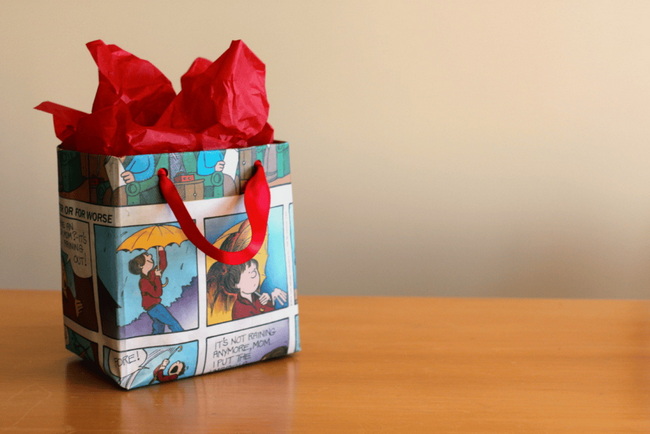
Thoughtful customization transforms a standard paper bag into a memorable extension of your brand.
Handles play a central role in both usability and visual identity. Popular options include:
- Ribbons
- Tipping ropes
- Plaited ropes
- Cotton cords
- Twisted paper handles
- Folded paper handles
The right handle balances comfort, strength, cost, and aesthetic appeal. For heavier products, consider reinforced handle attachments and thicker cords to prevent tearing.
Additional features to enhance functionality and perceived value include:
- Packaging inserts to protect and present products neatly inside the bag
- Paper tags to share brand stories, QR codes, or care instructions
- Foldable constructions to save space in storage and reduce shipping volume
- Easy closures to keep items secure during transport
- Compartments to separate multiple items for an organized, professional presentation
- Matte or gloss lamination to enhance durability and surface feel
- Embossing or debossing to add tactile luxury to logos and key graphics
- Spot UV varnish for glossy highlights and patterns
- Foil stamping for bold metallic details that catch light and attention
Pricing for custom paper bags is driven by several interconnected variables rather than a single fixed rate. Every project has its own specification, so it is important to understand how each factor influences cost.
Main cost drivers include:
- Bag size and format
- Paper material type and thickness
- Quantity and batch sizes
- Printing method and number of colors
- Finishes and special processes (lamination, foil, embossing, spot UV)
- Handle type, length, and attachment method
- Additional features such as inserts or tags
- Turnaround time and shipping method
By planning your volume forecasts and separating must‑have from nice‑to‑have features, you can hit your target cost per bag without compromising on safety or brand essentials.
Choosing the right manufacturer is just as important as choosing the right design and specifications. A reliable partner will guide you from initial concept through sampling, production, and delivery.
Key questions to ask when evaluating manufacturers:
- Do they clearly understand your technical requirements and compliance needs?
- Do they have a strong and reliable reputation in the packaging industry?
- Do they operate advanced, well‑maintained manufacturing equipment?
- Is their team experienced, responsive, and proactive with support and problem‑solving?
- Are they cost‑competitive for your specific specification and volume?
- Do previous customers report consistent quality and on‑time delivery?
Request samples and case studies wherever possible, and consider starting with a pilot run before committing to large‑scale orders.
The table below provides practical examples of which bag styles often align with common industries and priorities.
Industry | Recommended Style(s) | Key Priorities |
Fashion retail | Euro tote, merchandise bag | Premium look, strong handles, high-quality printing |
Grocery and food | SOS bag, flat-bottom, pinch bottom | Speed of packing, grease resistance, recyclability |
Luxury and jewelry | Rigid Euro tote, small gusseted bags | High GSM, foil, embossing, custom handles |
Beauty and cosmetics | Euro tote, die-cut handle, merchandise bag | Brand color fidelity, compact sizes, inserts |
Wine and bottles | Wide gusset, reinforced bottom bags | Strength, stability, handle comfort |
Use this simple step‑by‑step approach to organize your project and avoid missing critical details:
1. Define your primary goal (branding, sustainability, cost optimization, or a specific balance).
2. List your products and typical order sizes to estimate bag dimensions and weight requirements.
3. Choose a bag style that aligns with your industry and customer experience objectives.
4. Decide on paper material (GSM or PT, recycled content, coating, and finish).
5. Select printing method and ink type based on budget, artwork complexity, and color demands.
6. Add handles and extra features that directly support usability and perceived brand value.
7. Request structural and printed samples for testing before full production.
8. Evaluate potential manufacturers on capability, communication, and quality control systems.
A full‑service packaging specialist can simplify the entire process by providing an integrated solution rather than isolated products. This approach keeps your packaging consistent, scalable, and better aligned with long‑term brand strategy.
Advantages of working with a full‑service partner include:
- Access to a wide range of paper bag styles such as wine bags, merchandise bags, shopping tote bags, grocery bags, and gift bags
- Availability of complementary formats like printed pouches, mailers, and reusable shopping bags to build a cohesive packaging system
- Dedicated product specialists who help you optimize materials, structures, and print choices for your goals
- Centralized project management across design, proofing, production, and logistics
If you are ready to turn your paper shopping bags into a high‑impact brand asset, now is the perfect time to start a custom project. Define your requirements, gather your artwork, and share your product details with a professional packaging team so they can recommend the most suitable materials, structures, and print solutions. Contact us today to discuss your ideas, request tailored samples, and launch custom paper shopping bags that are strong, sustainable, and unmistakably aligned with your brand.
Contact us to get more information!
Most custom paper shopping bags made from uncoated or lightly coated paper, combined with appropriate inks and adhesives, are recyclable. However, recyclability also depends on local waste management infrastructure, so it is important to check regional guidelines and design your bags with minimal non‑paper components.
For heavier items, brands typically choose higher GSM or PT values and stronger paper grades. This is often combined with reinforced bottoms, side gussets, and sturdy handles to ensure the bag can carry the load safely and comfortably.
Yes, full‑color artwork is achievable using offset or digital printing technologies. Color systems such as CMYK and Pantone allow you to reproduce gradients, illustrations, and photography while maintaining consistent brand colors across production runs.
Lead times vary depending on quantity, design complexity, finishing options, and production location. In general, the process includes artwork preparation, proofing, sampling (if required), full production, finishing, and shipping, so planning ahead is essential if you have a launch date or seasonal campaign.
Minimum order quantities depend on the manufacturer and the selected print method. Digital printing often supports lower MOQs suitable for small brands or test runs, while offset printing usually becomes more cost‑effective at higher volumes.
https://pakfactory.com/blog/learn/custom-paper-shopping-bags-guide/


