


close
Choose Your Site
Global
Social Media
Views: 222 Author: Amanda Publish Time: 2026-01-26 Origin: Site


Content Menu
● What Is Candy Packaging Really Doing for Your Brand?
● Understanding Your Market and Positioning
● Core Candy Packaging Styles That Work
>> Minimalist Candy Packaging Ideas
>> Custom Candy Boxes and Unique Structures
>> Mason Jars, Tins, and Reusable Containers
>> Personalized and Occasion-Based Packaging
>> Vintage and Nostalgic Designs
>> Eco-Friendly Candy Packaging Ideas
>> Transparent and Window Packaging
>> Custom Shapes and Themed Concepts
>> Fun and Artistic Candy Packaging
● Functional Formats: From Mini Packs to Delivery-Ready Solutions
>> Mini Candy Packaging for Sampling and Upselling
>> Candy Tins and Premium Containers
>> Nature-Inspired Designs and “Better-for-You” Positioning
>> Delivery and E-Commerce Candy Packaging
>> Candy Cones, Bouquets, and Gift-Ready Concepts
>> DIY and Customizable Packaging Experiences
● Practical Design Guidelines: Materials, Story, and Freshness
>> Choosing the Right Materials
>> Storytelling, Design, and Typography
>> Integrating Brand Identity Across Formats
>> Ensuring Freshness, Safety, and Compliance
● New High-Value Sections to Support Growth
>> Step-by-Step: From Idea to Industrial Candy Packaging
>> How Packaging Machinery and Automation Multiply ROI
>> Case-Style Scenario: Scaling a Growing Candy Brand
● Overview Table: Matching Packaging Styles to Goals
● Strategic CTA: Partner for Materials, Machinery, and Total Solutions
● FAQs on Candy Packaging Ideas
>> 1. How do I choose the best candy packaging for my brand?
>> 2. What packaging works best for eco-conscious candy brands?
>> 3. How can packaging help me sell more online?
>> 4. Do I need special machinery for custom or seasonal designs?
>> 5. How can small brands afford premium-looking candy packaging?
Candy packaging is no longer just a wrapper; it is a profit driver that shapes brand perception, protects your product, and supports scalable production. This guide explains the best candy packaging ideas and shows how to connect design with materials, packaging machinery, and integrated solutions so your business can grow sustainably and efficiently.

Effective candy packaging has three jobs: protect the candy, sell the brand, and support your operations. When these three elements work together, your packaging becomes a strategic asset instead of a cost center.
- Protection and freshness: Barrier properties, seal integrity, and structural strength keep candies safe during storage, shipping, and retail display.
- Brand storytelling: Shapes, colors, typography, and finishes turn a generic sweet into a recognizable brand experience.
- Operational efficiency: The best designs are compatible with flow-wrapping machines, form-fill-seal lines, cartoners, and case packers to reduce labor and unit cost.
Before choosing a beautiful design, you need clarity on who you serve and how you want to be perceived. Packaging must align with your ideal customer, channels, and long-term brand strategy.
- Target customers: Kids and teens may prefer bold, playful graphics, while premium chocolate buyers expect muted tones and refined finishes.
- Sales channels: E-commerce, supermarkets, specialty stores, and vending machines all have different requirements for size, durability, and readability.
- Price point and margins: Luxury packaging can justify higher prices, but it must be balanced with materials and machinery that keep costs under control.
Pro tip: Define one or two core positioning statements, such as “everyday premium” or “natural and clean-label,” and evaluate every packaging decision against them for consistency.
Minimalist candy packaging uses simple layouts, limited color palettes, and clean typography to communicate quality and sophistication. This style makes it easy for customers to understand your value at a glance.
- Ideal for high-end chocolates, gift boxes, and corporate gifting.
- Neutral backgrounds, subtle foil accents, and a prominent logo reinforce a premium feel.
UX tip: Use plenty of white space and a clear hierarchy, such as brand name, product name, and key benefit, so the packaging is instantly scannable on crowded shelves.
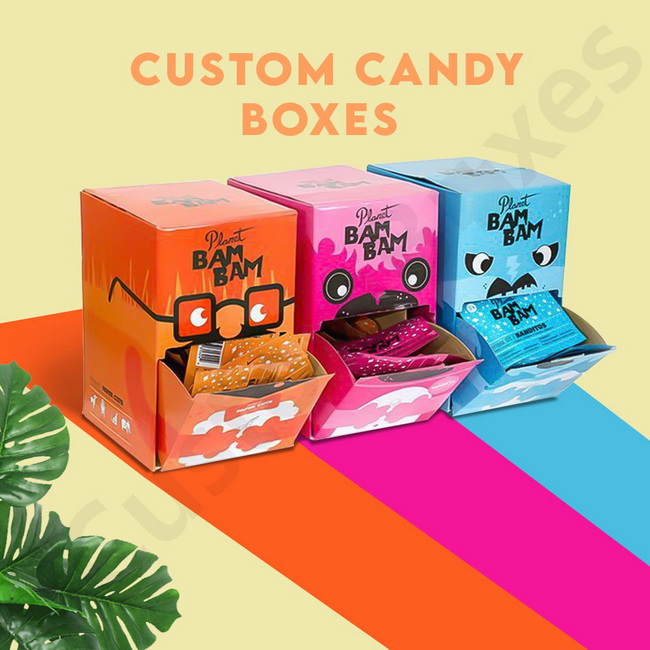
Custom candy boxes allow you to play with structure, including drawers, sleeves, windows, or character-shaped boxes that reflect your brand story. Structural design is one of the most powerful ways to stand out.
- Structural differentiation helps your product stand out in gifting, seasonal displays, and online unboxing content.
- Boxes can be engineered to run efficiently on automated cartoning and case-packing machines, reducing manual packing costs at scale.
For example, a candy-shaped rigid box with an internal tray can be designed to stack well in shipping cartons while still delivering a playful unboxing moment.
Mason jars, tins, and sturdy plastic containers provide a reusable and often collectible experience. They turn simple sweets into objects customers want to keep on display.
- Mason jars and glass containers work well for artisanal, homemade, or natural-positioned candies and can be paired with simple labels.
- Metal tins with vintage artwork can become keepsakes, increasing perceived value and supporting premium pricing.
These formats can be integrated into semi-automatic or automatic filling and capping lines to keep throughput high even for handcrafted-style brands.
Personalized candy packaging uses names, dates, and custom messages to create a strong emotional bond with buyers. It is especially effective for events and gifting.
- Ideal for weddings, corporate gifts, holidays, and limited campaigns.
- Digital printing and on-demand label systems make it possible to personalize small batches without disrupting your entire operation.
Offering configurable templates and variable data printing lets you scale personalization while still using standardized packaging formats.
Vintage candy packaging draws on retro fonts, soft pastel palettes, and classic imagery to evoke nostalgia. This style can attract both older customers and younger fans of retro aesthetics.
- Works particularly well with tins, paper bags, or glass jars that mirror classic candy-shop looks.
- Nostalgic designs can appeal through emotional memories as well as novelty value.
Combine vintage visuals with modern barrier films or liners so you get old-school charm with current food-safety performance.
Eco-friendly packaging focuses on recyclability, compostability, and responsible sourcing while still protecting the product. Sustainability is increasingly important for both consumers and retailers.
- Materials include recycled cardboard, paper-based laminates, compostable films, and low-impact inks.
- On-pack QR codes and short statements can explain your sustainability choices and certifications.
Operational note: Ensure eco-friendly materials are compatible with your sealing temperatures, form-fill-seal machines, and flow wrappers to avoid downtime and waste.
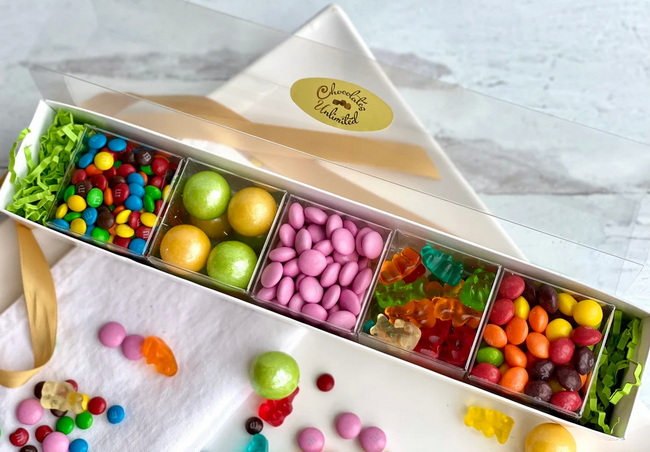
Transparent packaging or die-cut windows allow customers to see color, texture, and shape, building trust and appetite. When customers see the product clearly, they feel more confident buying.
- Common formats: clear PET boxes, windowed cartons, and pouches with high-clarity windows.
- Works especially well for colorful gummies, lollipops, and coated chocolates.
Balance transparency with light and oxygen barriers to prevent fading, stickiness, or flavor loss over time.
Custom-shaped packaging and themed collections make your product memorable and shareable. They are highly effective for seasonal campaigns and co-branded promotions.
- Fruit-shaped packs for fruit-flavored candies, heart-shaped boxes for Valentine's Day, or character packs for licensed properties.
- Limited-edition seasonal themes can drive urgency and repeat purchases.
Design these structures with palletization, shipping, and machine-ability in mind, as excessive irregularity can increase costs and damage rates.
Fun and artistic packaging uses bright colors, illustration-heavy designs, and playful typography to express joy and creativity. It is ideal for brands that want to be energetic and entertaining.
- Perfect for kids' candies, novelty sweets, and brands that rely on humor and energy.
- Characters, comic-style panels, or superhero themes can support storytelling across social media and in-store displays.
Always keep nutritional and regulatory information clear and legible, even when the graphics are highly expressive.
Mini candy packs allow customers to try your product with low risk and are powerful tools for promotions, hotel amenities, or event giveaways. They also support cross-selling and trial in retail.
- Formats include mini pouches, pillow packs, sample-sized boxes, and biodegradable wraps.
- Color coding by flavor, such as dark chocolate in black and milk chocolate in light tones, reduces confusion and speeds selection.
High-speed multi-lane packaging machines can fill and seal mini units efficiently, making sampling strategies economically viable.
Candy tins and rigid containers add a premium and durable feel to your product. They enhance perceived value even before the customer tastes the candy.
- They store well, protect fragile candies, and can double as home or office decor.
- Ideal for seasonal gift sets, corporate gifts, and travel-friendly assortments.
Combine metal tins with inner pouches or trays to manage moisture and odor migration while keeping the exterior design pristine.
Pouches and bags remain one of the most versatile and cost-efficient candy packaging formats. They can be adapted for many product types and price levels.
- Stand-up pouches, flat pouches, and gusseted bags are great for on-the-go snacking and share packs.
- Reclosable zippers, tear notches, and hang holes improve usability and merchandising options.
Horizontal and vertical form-fill-seal machines, along with premade pouch fillers, can automate these formats from small to large runs.
Nature-inspired packaging uses fruit imagery, botanical elements, and earthy tones to highlight natural ingredients and clean recipes. It suits modern consumers who read labels carefully.
- Works well for sugar-reduced, organic, plant-based, or functional candies such as vitamin gummies.
- Visual cues like leaves, watercolors, and grainy textures can subtly signal health and authenticity.
Pair these visuals with transparent ingredient lists and clear claims, such as “no artificial colors,” to strengthen credibility.
Individual candy wrappers are a critical touchpoint in multi-piece packs and bulk formats. Each piece becomes a mini billboard for your brand.
- They can carry flavor icons, color codes, batch coding, and brand elements to reinforce recognition.
- Flow-wrapped pieces, twist wraps, and fold wraps can be optimized for speed and consistent sealing.
Using consistent wrapper design across multiple pack sizes supports clear product architecture in retail.
Shipping candy introduces new constraints, including temperature changes, handling shocks, and longer transit times. Your packaging system must address these challenges.
- Outer packaging should include cushioning, tamper-evident seals, and clear handling messages where relevant.
- Inner packaging can include individual wraps, dividers, and protective bags to minimize breakage and deformation.
Design packaging systems that work both on shelf and in parcel delivery to support omnichannel growth.
Candy cones and bouquets convert standard candies into giftable experiences with relatively simple structural changes. They are perfect for special occasions and retail displays.
- Clear cones, kraft paper sleeves, and bouquet-style assemblies are popular for holidays, birthdays, and event favors.
- Personalization with names, messages, and tags transforms them into memorable keepsakes.
These can be partially automated for filling and sealing, then finished with hand-assembly where necessary for flexibility.
Luxury candy packaging uses high-end materials and finishes to justify premium prices. It turns candy into a high-value gift item.
- Elements include rigid boxes, magnetic closures, soft-touch lamination, metallic foils, ribbons, and custom inserts.
- Neutral or dark color palettes with minimal graphics emphasize exclusivity.
Ensure luxury packs are structurally robust to prevent damage in shipping, because high perceived value is lost if boxes arrive crushed.
DIY candy packaging invites customers to participate in the design, often via digital tools or in-store customization bars. This can significantly increase engagement.
- QR codes can link buyers to online configurators where they choose colors, names, and messages.
- Brands can offer template-based designs that still run on standard packaging lines or apply personalized labels after filling.
This approach turns packaging into an interactive touchpoint that boosts loyalty and social sharing.
Material selection affects food safety, sustainability, brand perception, and machinery performance. Getting it right early saves time and cost later.
- For moisture-sensitive candies, prioritize high-barrier films and tight seals.
- For eco-conscious brands, explore recyclable mono-material films, paper laminates, and recycled-content cartons that still support high-speed packaging.
Collaborate with material suppliers and machinery experts early to avoid combinations that cause sealing problems or line slowdowns.
Your candy packaging should tell a clear, consistent story in seconds. Design choices must support comprehension, not just decoration.
- Align colors, fonts, and imagery with your brand personality, whether playful, premium, natural, or nostalgic.
- Highlight one or two key messages such as “handcrafted,” “limited edition,” or “gift-ready” to avoid clutter.
Use typography hierarchies so customers can read brand, product, and benefit at a glance without confusion.
Brands that scale successfully maintain consistent identity across all packaging formats. Consistency builds recognition and trust.
- Use a unified color system, logo placement rules, and visual motifs for wrappers, pouches, tins, and shipping boxes.
- Create a clear system for flavor differentiation, pack sizes, and special editions so shelves look organized.
A documented visual guideline helps designers, printers, and co-packers maintain quality and consistency over time.
Food safety and shelf life are non-negotiable in candy packaging. Good-looking packaging must still perform technically.
- Design for protection against air, moisture, temperature swings, and contamination using appropriate barriers and seals.
- Leave space for regulatory information such as ingredients, allergens, nutrition facts, net weight, origin, and batch codes.
Quality control processes, including seal-integrity checks and metal detection, should be aligned with your chosen formats and machinery.
Transforming a packaging idea into a scalable solution is easier with a structured process. A clear workflow reduces risk and accelerates launch.
1. Define objectives: Clarify target audience, price point, channels, and sustainability goals.
2. Select structure and material: Choose between pouches, boxes, jars, or tins and confirm material performance with test runs.
3. Design graphics and messaging: Develop artwork that reflects your brand identity while leaving space for regulatory details and barcodes.
4. Validate with prototypes: Test handling, unboxing, visibility on shelf, and compatibility with packing lines.
5. Scale with machinery: Integrate appropriate filling, wrapping, labeling, and cartoning equipment to increase speed and consistency.
6. Monitor and optimize: Track returns, damage, and customer feedback to refine materials, structures, and production settings.
Many candy brands underestimate how much packaging machinery influences cost, speed, and quality. Automation can transform packaging from a bottleneck into a growth driver.
- Automated flow-wrappers, form-fill-seal machines, and cartoners reduce labor costs and ensure consistent sealing and presentation.
- Integrated systems can handle multiple formats with quick changeovers, ideal for brands running seasonal and limited-edition designs.
For factories and brand owners, working with a partner that can supply both packaging materials and machinery simplifies coordination and reduces downtime.
Consider a mid-sized candy brand that starts by packing manually into simple pouches and boxes. At first this is flexible, but it quickly hits limits.
- As demand grows, manual packing leads to inconsistent sealing, labeling errors, and high labor costs.
- By shifting to compatible films, standardized box sizes, and automated packing and sealing machines, the brand can significantly increase throughput and reduce per-unit cost.
The result is a packaging system that not only looks more professional but is also easier to extend into new flavors, channels, and seasonal collections.
Packaging style | Best for | Key benefits |
Minimalist box | Premium gifting, retail | Clean look, strong branding, higher margins |
Eco-friendly pouch | Natural or organic candies | Sustainability story, modern appearance |
Transparent bag or box | Colorful gummies and mixes | Product visibility and trust building |
Vintage tin | Gifts and collectors | Nostalgia, reusability, high perceived value |
Personalized wrapper | Events, weddings, campaigns | Emotional connection and shareability |
If you want candy packaging that looks beautiful, runs efficiently on your lines, and supports long-term growth, the next step is to work with a partner that understands both materials and machinery. By aligning design, materials, and automation, your packaging can become a powerful competitive advantage.
A professional packaging solutions provider can help you:
- Optimize structures and materials for your exact candies and channels.
- Configure packaging machines and automation to match your current volume and future expansion plans.
- Reduce unit costs while improving visual impact, protection, and sustainability.
Now is the ideal moment to upgrade your candy packaging system. Contact our team to discuss your project, from concept and material selection to machinery and full packaging-line integration, and turn your next candy launch into a scalable, profitable success.
Contact us to get more information!
Start by clarifying your target audience, channels, and price point, then select structures and materials that support your brand story, product protection, and scalable production. Evaluate each option based on visual impact, cost, and compatibility with your current or planned machinery.
Recyclable paper-based cartons, mono-material pouches, and compostable wraps are strong options for environmentally aware consumers. Combine them with clear sustainability messaging, responsible sourcing, and realistic disposal instructions to avoid greenwashing.
Focus on protective delivery packaging, clean product photography, and a strong unboxing experience. Design inner packs and outer boxes that look good on camera, protect the candy from heat and shocks, and make it easy for customers to reorder or share on social media.
You do not always need new machinery, but you should choose formats and materials that are compatible with your existing equipment. Modular machines with quick changeovers are ideal when you frequently add seasonal, personalized, or limited-edition packaging.
Start with standardized structures such as common box sizes or pouches and invest in strong graphic design and selected finishes. As your volume grows, you can upgrade materials, add automation, and negotiate better pricing while keeping a consistent, premium brand image.
1. https://pakoro.com/blog/candy-packaging-ideas/


