


close
Choose Your Site
Global
Social Media
Views: 222 Author: Amanda Publish Time: 2026-02-03 Origin: Site


Content Menu
● What This Guide Covers (And Why It Matters)
● Types of Cake Boxes and Their Recyclability
>> 1. Plain Cardboard and Paperboard Cake Boxes
>> 2. Cake Boxes with Plastic Windows
>> 3. Plastic-Coated or Wax-Lined Cake Boxes
>> 4. Fully Plastic Cake Boxes
>> 5. Biodegradable and Compostable Cake Boxes
● How to Tell If a Cake Box Is Recyclable
>> Visual and Touch Inspection
>> Cleanliness and Food Residue
● How Cake Box Recycling Works
>> 3. Processing Plastic Components
● Environmental Impact of Different Cake Box Materials
● Practical Tips for Consumers: How to Dispose of Cake Boxes
● Best Practices for Bakeries and Brands
● Advanced Considerations for Packaging Buyers and OEMs
● How Sustainable Cake Boxes Support Brand Positioning
● Simple Decision Checklist: Can This Cake Box Be Recycled?
● Strong Call to Action: Choose Smarter Cake Box Packaging
● Frequently Asked Questions About Cake Box Recycling
>> FAQ 1: Are all cardboard cake boxes recyclable?
>> FAQ 2: Can I recycle a cake box that has a clear plastic window?
>> FAQ 3: What should I do with a cake box that is very greasy?
>> FAQ 4: Are compostable cake boxes better than recyclable ones?
>> FAQ 5: How can my bakery encourage customers to recycle cake boxes correctly?
Most cake boxes can be recycled when they are made from clean cardboard or paperboard and are free from heavy grease, plastic coatings, or non-recyclable add-ons. At the same time, certain design features, such as plastic windows, wax linings, and food contamination, can make a cake box only partially recyclable or even non-recyclable. Understanding these details helps you design and dispose of cake packaging in a way that supports both sustainability and user experience.
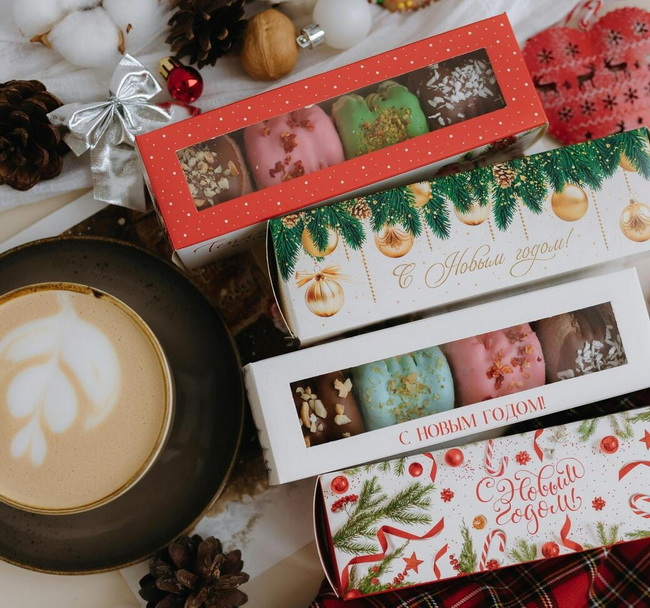
Cake boxes are more than just protective containers; they affect your environmental footprint, brand perception, and operating costs. In this guide, you will learn how to recognize recyclable cake boxes, how to handle them after use, and how to choose better materials for your bakery or food brand.
For bakeries, dessert brands, and packaging buyers, a clear recyclability strategy ensures that packaging works smoothly with local recycling systems while aligning with consumer demand for eco-friendly solutions. This is especially important for businesses working with packaging machinery and integrated packaging lines, where every packaging choice impacts efficiency and sustainability.
Most paperboard and cardboard cake boxes are recyclable if they are clean, dry, and free from heavy food residues. Standard municipal recycling programs are usually designed to accept uncoated cardboard and paperboard used for food packaging, such as bakery and cereal boxes.
However, recyclability is never automatic. It depends on several key factors:
1. Base material: cardboard, paperboard, rigid plastic, or composite structures.
2. Coatings and linings: plastic films, wax layers, foil laminations, or grease-resistant barriers.
3. Condition of the box after use: presence of grease, frosting, cream, or leftover cake.
4. Local recycling rules: each city or region sets its own acceptance criteria.
When a cake box is heavily soiled with grease or uses non-recyclable coatings, it may need to go to general waste or, in some cases, composting rather than paper recycling.
Plain cake boxes made from uncoated cardboard or paperboard are typically the easiest to recycle. These boxes are usually composed of virgin or recycled fibers and are widely accepted in paper and cardboard recycling streams, as long as they stay reasonably clean and dry.
Typical features include:
1. Single-material construction (just paperboard or cardboard).
2. No plastic layers, foil, or heavy lamination.
3. Common use in standard bakery and patisserie packaging.
If only a small portion of the box is stained with grease, the heavily soiled area can be torn off and discarded, while the clean parts are placed in recycling.
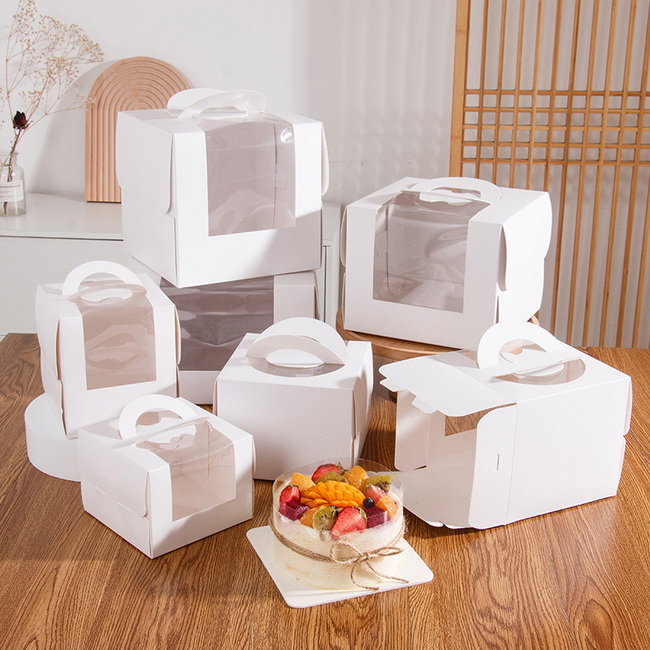
Many premium cake boxes include a transparent window so customers can see the cake without opening the package. In these designs, the cardboard section is generally recyclable, while the plastic window often needs to be removed and handled separately.
1. The window is frequently made from PET or similar clear plastic.
2. Best practice is to separate the window from the cardboard before disposal.
3. In some regions, the plastic window can be recycled with other plastics; elsewhere, it must go to general waste.
This simple design-for-disassembly step can significantly improve recycling outcomes.
To protect cakes from moisture and grease, some boxes use a plastic or wax lining on the inside. While these coatings improve performance and food safety, they also make recycling more challenging because the box becomes a mixed-material product.
1. Polyethylene or wax layers can prevent fibers from separating properly during the paper pulping process.
2. Some facilities can handle lightly coated boards, but acceptance varies widely.
3. Heavily coated boards are often rejected as contamination and sent to landfill or energy recovery.
Before specifying these materials, it is important to confirm how they are treated in your main markets.
Rigid or clamshell-style cake containers made entirely from plastic, such as clear PET, may be recyclable in plastic streams if they are empty and clean. Many municipalities treat them like other clear plastic containers.
- Labels and light residue are usually acceptable, but heavy food contamination is not.
- Plastic cake containers are often coded by resin type (e.g., PET 1), which determines local acceptance.
As with paper packaging, the combination of material type and cleanliness determines whether a plastic cake box is truly recyclable in practice.
Some suppliers offer biodegradable or compostable cake boxes made from plant-based fibers, kraft paper, or other renewable materials designed to break down under composting conditions. These can be a strong choice when composting systems are available.
Industrial composting facilities can process certified compostable packaging efficiently.
Home compostability depends on the specific material and local climate conditions.
Clean, uncoated compostable boxes may sometimes still be recyclable as paper.
Clear labeling is essential to show whether the box should go to recycling, compost, or general waste.
Both consumers and businesses can use a few quick checks to decide whether a cake box can be recycled. This improves recycling quality and reduces contamination in the system.
Start with a simple inspection of the box:
Look for recycling symbols, material codes, or “recyclable” labels.
Check the surface feel; a paper-like, fibrous texture usually indicates uncoated board.
A slick, shiny, or waxy finish on the inside may indicate plastic or wax coating.
Identify any clear windows or inserts and check if they are easily removable.
Recycling works only when the material is reasonably clean. Food residues can damage recycling equipment and contaminate entire loads.
Boxes with heavy frosting, cream, or thick grease are usually not suitable for paper recycling.
Light crumbs or minor grease stains are often acceptable.
You can tear off heavily soiled parts and recycle only the clean sections.
Recyclability always depends on local rules and infrastructure. Even if a material is technically recyclable, your local facility may not accept it.
Check your city or region's recycling website for specific instructions on cardboard, coated paper, and plastic bakery containers.
Pay attention to whether they accept food-soiled paper or only clean paperboard.
When in doubt, prioritize keeping clearly contaminated or complex packaging out of the recycling bin.
Understanding the recycling process helps you design cake boxes that flow smoothly through the system, from collection to remanufacturing.
Consumers and businesses place empty, flattened cake boxes in their recycling bins.
Waste management companies collect the material and transport it to a recycling facility.
At the facility, mechanical and manual sorting systems separate paper, cardboard, plastics, and contaminants.
Cardboard and paperboard cake boxes are usually grouped with other paper packaging for pulping.
Sorted cardboard is mixed with water, creating a pulp that separates fibers from one another.
Screens and filters remove non-paper items like plastic windows, tape, and staples.
The pulp is then refined and sometimes de-inked before being formed into new paper or cardboard products.
Boxes with heavy plastic or wax layers can interfere with this process and are often removed as contamination earlier in the chain.
If plastic windows or rigid plastic cake containers are accepted locally, they are processed in a separate stream:
Plastics are sorted, shredded, and washed.
Clean plastic flakes are melted and formed into pellets.
These pellets are used to manufacture new plastic products.
When mixed materials cannot be separated economically, they may be sent to energy recovery or landfill instead.
The material you choose for cake boxes has a direct environmental impact across production, use, and disposal. The table below provides a high-level view of how common materials behave at end of life.
| Cake box type | Recyclability (if clean) | Typical end-of-life impact |
|---|---|---|
| Plain cardboard / paperboard | High in most paper recycling streams | Can be recycled multiple times; if landfilled, decomposes with moderate emissions |
| Cardboard with plastic window | Cardboard recyclable once window is removed | Requires component separation; plastic may be recycled or landfilled depending on local facilities |
| Plastic-coated or wax-lined board | Limited; depends on coating type and local capability | Often treated as contamination and may be sent to landfill or energy recovery |
| Rigid plastic cake containers | Sometimes recyclable with other plastics | Can be recycled into new plastic items; otherwise can persist long-term in landfill |
| Biodegradable / compostable board | Compostable in suitable systems; sometimes recyclable if uncoated | Can break down into organic matter in composting; may not degrade effectively in landfill |
For brands, the most effective approach is often to use simple, high-recycled-content cardboard with clear disposal instructions, minimizing mixed materials wherever possible.
Consumers have a major influence on whether cake boxes are actually recycled or not. A few simple behaviors can make a big difference.
Remove food residues: scrape off frosting, cream, and decorations before disposal.
Cut away heavily greased sections: discard those portions and recycle only the cleaner areas.
Separate components: remove plastic windows, inserts, and trays from cardboard.
Flatten the box: this saves bin space and improves handling during collection.
Follow local rules: confirm what types of cardboard and plastic are accepted in your area.
By following these steps, consumers help keep recycling streams cleaner and more efficient.
Bakeries and food brands can design cake packaging that is easier to recycle and more appealing to eco-conscious customers. Strategic material choices and clear communication are key.
Use food-safe cardboard or paperboard that is designed for direct food contact.
Minimize or avoid non-recyclable plastic and wax coatings whenever possible.
Choose simple, removable PET windows instead of complex laminated films.
Print clear disposal instructions, such as “Remove window and recycle box with cardboard.”
Consider certifications like FSC to support responsible sourcing claims.
These decisions support both sustainability goals and brand trust, especially when combined with efficient packaging machinery and well-designed packing processes.
For packaging buyers, machinery integrators, and OEMs sourcing cake boxes at scale, small specification changes can have a large cumulative impact on recyclability and operational efficiency.
- Substrate selection: lighter-weight, high-strength paperboard with recycled content can cut material usage without sacrificing performance.
- Coating technology: modern water-based barrier coatings can provide grease resistance with better fiber recovery than traditional plastic laminates.
- Design for disassembly: perforated or snap-off sections for windows and inserts make it easier for end users to separate materials correctly.
Collaborating with recyclers, material suppliers, and machinery partners early in the design phase ensures that your cake boxes are compatible with both production lines and end-of-life systems.
Sustainable cake boxes are not just an operational detail; they are a communication tool that reflects your brand values. Customers increasingly look for clear signals that brands take environmental impacts seriously.
Visible claims such as “recyclable,” “made from recycled materials,” or “compostable” can influence purchase decisions.
Transparent, specific sustainability messages build trust more effectively than vague eco-statements.
Packaging that supports measurable waste reduction can be integrated into marketing campaigns and corporate sustainability reports.
For manufacturers and solution providers, offering cake boxes that work seamlessly with modern packing lines and meet sustainability expectations creates a strong value proposition for bakery and confectionery clients.
Use this quick checklist to make faster, more confident decisions at the point of disposal.
1. Is the main material cardboard or paperboard?
If yes, continue to the next step; if no, check plastic recycling guidelines.
2. Is the box mostly clean and dry?
Light stains are usually fine; heavy grease or leftover food is a problem.
3. Does it have a plastic window or insert?
Remove these components and place them in the appropriate waste stream.
4. Is there a heavy plastic or wax coating?
If so, verify whether your local facility accepts coated paperboard.
5. What do local guidelines say?
If it is unclear or explicitly disallowed, avoid placing that item in paper recycling.
This checklist works just as well for bakery staff as it does for consumers and can be integrated into internal training and customer education materials.
If you are responsible for packaging in a bakery, dessert brand, or food business, now is the time to move toward cake boxes that are designed for recyclability from day one. By choosing cleaner material structures, minimizing coatings, and adding clear disposal instructions, you make it easier for customers to do the right thing while strengthening your brand's sustainability story.
Work with a packaging partner that understands both packaging materials and integrated packaging machinery, so your cake boxes not only protect your products but also run efficiently on your lines and perform well at end of life. Take the next step today by reviewing your current cake box specifications, identifying opportunities to simplify materials, and exploring recyclable or compostable options that match your production requirements and environmental goals.
Contact us to get more information!
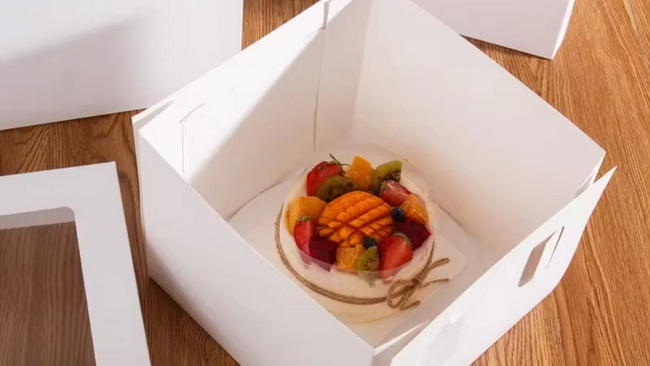
Not all cardboard cake boxes are recyclable. Boxes that have heavy plastic or wax coatings, metallic laminations, or are soaked with grease and food residues are often excluded from standard paper recycling streams. Clean, uncoated cardboard boxes stand the best chance of being accepted.
In most cases, you can recycle the cardboard portion of a cake box with a plastic window after you remove the window. The cardboard should go into paper recycling, while the plastic window should follow local rules for plastics or, if not accepted, go to general waste.
If a cake box is heavily saturated with grease, oils, or frosting, it is usually better not to place it in paper recycling. You can cut away any clean sections and recycle those, while the heavily soiled parts should be discarded or, where appropriate, placed in compost or general waste.
Compostable cake boxes can be an excellent choice in regions with reliable composting infrastructure, especially for food-contact packaging that may be hard to clean. However, in areas where composting is limited, widely recyclable cardboard packaging may deliver better real-world results because it is more likely to enter a functioning recovery system.
Your bakery can make correct disposal much easier by printing simple instructions directly on the packaging, using materials that are widely accepted in local recycling programs, and training staff to give brief guidance when handing over products. You can also share short tips on your website or social media, showing customers how to separate windows, remove food residues, and flatten boxes.
1. https://packmojo.com/blog/are-cake-boxes-recyclable/
2. https://customcakeboxes.com/are-cake-boxes-recyclable/
3. https://cakeboxesdirect.com/eco-friendly-packaging/
4. https://www.afandpa.org/news/2022/are-all-boxes-recyclable
5. https://www.calgary.ca/waste/what-goes-where/cake-box-plastic.html
6. https://www.imperialdade.com/
7. https://naturepac.co.uk/collections/cake-boxes
8. https://www.kimecopak.ca/blogs/news/can-cake-boxes-be-recycled
9. https://sustain.princeton.edu/take-action/contamination-recycling-faqs
10. https://packmojo.com/blog/food-safe-cake-boxes/


