


close
Choose Your Site
Global
Social Media
Views: 222 Author: Amanda Publish Time: 2026-02-02 Origin: Site


Content Menu
● What Is a Rigid Box and Why It Matters
● Save on Storage with Collapsible Rigid Boxes
● Make Rigid Box Sizing and Protection a Priority
● Improve the Rigid Box Unboxing Experience
● Keep Rigid Box Graphics Clean and Focused
● Latest Trends in Luxury Rigid Box Design (2025–2026)
● Sustainability in Rigid Box Packaging
● Step‑by‑Step Rigid Box Design Process
● Avoid Common Rigid Box Design Mistakes
● Designing for Touch, Sight, and Story
● Style and Structure Overview: Table of Rigid Box Types
● FAQs
>> 1. What is the difference between a rigid box and a folding carton?
>> 2. Are rigid boxes suitable for e‑commerce shipping?
>> 3. How can I make my rigid box more sustainable?
>> 4. Which finishes work best on luxury rigid box packaging?
>> 5. What information do I need before starting a rigid box design project?
Rigid boxes are the gold standard for premium packaging, especially for luxury, electronics, cosmetics, and gift products that demand both protection and a memorable unboxing experience.
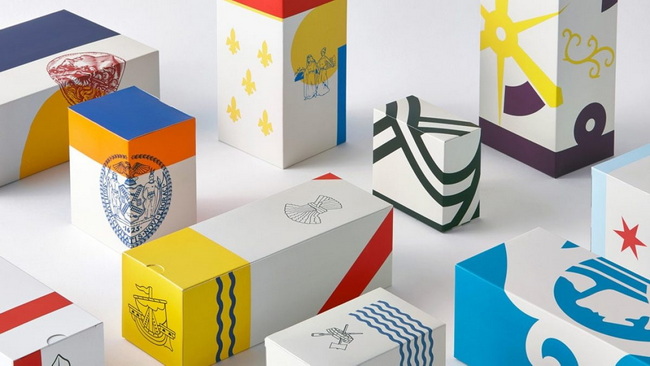
Rigid boxes are made from thick paperboard that is cut, scored, folded, and wrapped with printed paper to create a sturdy, non‑collapsible structure. Compared with folding cartons, they feel heavier, look more refined, and are ideal for high‑value or fragile products.
Key reasons brands choose rigid boxes
- Premium look and feel that elevates perceived product value.
- Excellent protection for delicate items during transport and handling.
- Strong storytelling canvas through printing, finishes, and structures.
- Ideal for influencer kits, gifting, and e‑commerce unboxing.
Traditional rigid boxes ship “set‑up,” which means they take up a lot of space and cost more to ship and store. This can quickly eat into margins, especially for large volumes or international logistics.
Collapsible rigid box design solves this by using clever engineering and thinner but strong materials so the box can be shipped flat and easily assembled.
Benefits of collapsible rigid boxes
- Lower warehouse and freight costs due to flat shipping.
- Easier export and fulfillment for global e‑commerce.
- Keeps a premium look while reducing the total packaging footprint.
Practical tip: When working with your packaging manufacturer, explicitly request “flat‑ship collapsible rigid boxes” and ask for a sample to test the unfolding and re‑assembly experience yourself.
A beautifully printed rigid box that allows products to rattle around inside will never feel truly premium. The internal structure is as important as the outside design.
Key considerations for sizing and structure
- Match internal dimensions to the product to minimize empty space.
- Use custom inserts (paperboard, foam, molded pulp, or EVA) to hold items in place.
- Avoid over‑engineering structures that make closing and opening confusing.
You can combine inserts with seals, stickers, or magnetic closures to make sure the box stays securely shut in transit. This is especially important for online orders that travel long distances.
Unboxing has become a powerful marketing moment, particularly with social media and user‑generated content. A well‑designed rigid box guides the customer through a smooth, intuitive sequence from outer packaging to product reveal.
Elements that shape an unboxing experience
- Opening mechanism: lift‑off lid, book‑style, drawer, or shoulder‑neck structure.
- Inside print: patterns, brand story, or a short thank‑you message.
- Inserts: products arranged neatly and symmetrically.
Consider how easily a customer can understand how to open the box, how the lid feels in their hands, and whether the products are displayed in a “wow” layout when first revealed.
Rigid boxes already look sophisticated thanks to their thicker board and wrapped construction, so they do not need overly complex graphics to stand out. Many luxury brands succeed with minimal layouts.
Best practices for graphic design on rigid boxes
- Use a restrained color palette with high contrast between background and logo.
- Keep front panels clean: logo, product name, one key message.
- Use white space strategically to enhance elegance.
If budget allows, invest in add‑ons such as embossing, debossing, foil stamping, or spot UV rather than busy illustrations. These tactile and visual accents signal quality more strongly than cluttered prints.
The luxury rigid box market continues to grow, driven by e‑commerce, gifting, and premiumization across cosmetics, food, and electronics. To keep your rigid box design competitive, align your packaging with the latest trends.
Key trends to consider
- Sustainable luxury: recycled boards, cotton wraps, and low‑impact inks.
- Textured minimalism: deep textures and soft‑touch coatings with simple graphics.
- Interactive tech: NFC tags or QR codes that unlock digital experiences.
Market reports show luxury rigid boxes are benefiting from rising demand for eco‑friendly yet high‑end packaging, particularly in personal care and gifting. Incorporating these trends can make your packaging feel fresh and future‑ready.
Customers now expect premium packaging to be both beautiful and responsible. Sustainable rigid box packaging is no longer a niche—it is becoming the default.
Ways to make rigid boxes more sustainable
- Choose FSC‑certified or recycled paperboard and wraps.
- Avoid unnecessary plastic windows and non‑recyclable laminations where possible.
- Use recyclable or biodegradable inserts like molded pulp instead of virgin foam.
You can still achieve a luxurious look by combining eco materials with foil accents, embossing, or minimalist design, rather than relying on heavy plastic components.
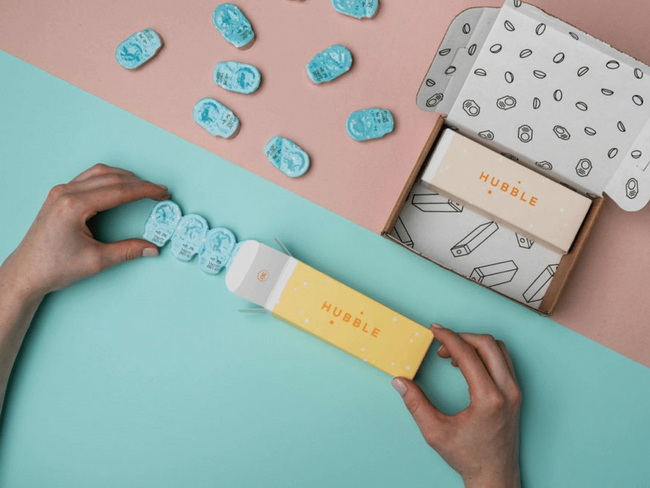
To go from idea to production‑ready rigid box design, follow a structured process that covers strategy, dielines, graphics, and sampling.
1. Define objectives
- Clarify product type, target audience, selling channels (retail vs e‑commerce), and budget.
- Decide if you need collapsible, magnetic, or classic lift‑off lid structures.
2. Choose box style and structure
- Popular options include base‑and‑lid, magnetic closure, drawer, and shoulder‑neck rigid boxes.
- Consider how the box will be stacked, shipped, and displayed.
3. Work with dielines
- Request dieline templates from your packaging supplier for your chosen rigid box style.
- Use software such as Adobe Illustrator to place your artwork correctly on each panel.
4. Design graphics on the dieline
- Follow the manufacturer's orientation guide so text and logos are not inverted when assembled.
- Add bleeds and safe zones as specified so no important content is trimmed off.
5. Select materials and finishes
- Decide on board thickness, wrap paper, laminations, and premium finishes based on your brand position and cost.
- Balance durability with sustainability and weight.
6. Request samples and test
- Always test a physical sample to experience opening, closing, and product fitting yourself.
- Adjust dimensions, inserts, or magnet strength before mass production.
This clear process reduces redesign cycles, shortens lead times, and ensures your final rigid box packaging performs in the real world.
Many brands make avoidable mistakes that increase costs or hurt customer experience. Address these early in your rigid box design project.
Common pitfalls and how to fix them
- Over‑complicated structures: Unusual openings and complex magnetic locks confuse users and raise production costs; keep mechanisms intuitive.
- Weak materials: Thin board or poor laminations can crush or warp; use appropriate gsm and reinforcement for your product weight.
- Ignoring shipping realities: Beautiful boxes that are too bulky or fragile can fail in transit; check drop tests and stacking behavior.
Work closely with your packaging partner's engineering or R&D team to optimize structure, materials, and cost before you finalize designs.
Great rigid box packaging delivers a coherent brand story across all senses. Customers should feel the quality as soon as they touch the box.
UX‑driven branding tactics for rigid boxes
- Use textures (linen, soft‑touch, sand‑feel) to create a distinctive hand‑feel.
- Align interior and exterior colors so the inside feels like a continuation of your brand world.
- Add a short, human message on the inside lid to form an emotional connection.
When everything—from weight to magnet “click”—is designed intentionally, your rigid box becomes part of the product, not just a container.
Rigid box style | Key features | Best for |
Lift-off lid box | Separate lid and base, classic structure. | Gifting, cosmetics, premium retail products. |
Magnetic rigid box | Hinged lid with hidden magnets for closure. | Electronics, luxury sets, e-commerce kits. |
Drawer (sliding) box | Tray slides out of sleeve like a drawer. | Jewelry, small accessories, tech gadgets. |
Shoulder-neck box | Inner “neck” visible between base and lid. | High-end perfume, spirits, and collector items. |
Collapsible rigid box | Engineered to fold flat for shipping. | Subscription boxes, global shipping, bulk orders. |
If you want rigid box packaging that looks luxurious, ships efficiently, and supports your brand story, it is crucial to work with a packaging partner who understands both engineering and design.
At HLun Pack, we can help you:
- Select the right rigid box style, board, and wrap for your product and market.
- Optimize structures for storage, shipping, and unboxing.
- Develop print‑ready dielines and artwork with premium finishes.
Ready to design your next high‑impact rigid box? Contact HLun Pack today to discuss your project, request structural ideas, or get a tailored quotation based on your product, quantity, and budget.
Contact us to get more information!
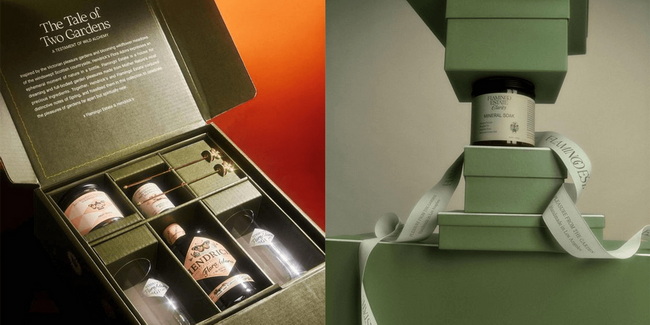
A rigid box uses thicker paperboard and stays set‑up, offering a heavier, more luxurious feel, while folding cartons use thinner board and are shipped flat for cost efficiency.
Yes, rigid boxes are ideal for high‑value products in e‑commerce, but they often need an outer corrugated mailer for extra protection during transport.
Choose recycled or certified paperboard, reduce plastics, and use recyclable inserts such as molded pulp while keeping graphics minimal and finishes carefully selected.
Popular options include matte or soft‑touch lamination, foil stamping, embossing or debossing, and spot UV, all of which enhance perceived value without overcrowding the design.
Define product dimensions, weight, shipping method, target customer, desired unboxing style, and budget so your packaging partner can recommend optimal materials and structures.
1. PackMojo, 4 Tips For Designing Rigid Boxes, https://packmojo.com/blog/4-tips-for-designing-rigid-boxes/
2. PackMojo, Rigid Box Dieline Design Tutorial, https://packmojo.com/help/rigid-box-dieline-design-guide/
3. PackMojo, How to Design on a Rigid Box Dieline – Video, https://www.youtube.com/watch?v=lqlOyTY_P-I
4. PackMojo, How to Design on a Shoulder & Neck Rigid Box Dieline – Video, https://www.youtube.com/watch?v=88dJmIHKNqI
5. Winpack Printing, How to Design Custom Rigid Boxes – Step‑by‑Step Tips, https://www.winpackprinting.com/article/how-to-design-custom-rigid-boxes.html
6. Holacustomboxes, Top 5 Trends in Custom Luxury Rigid Boxes for 2025, https://holacustomboxes.com/blogs/top-5-trends-in-custom-luxury-rigid-boxes-for-2025
7. Packnode, Luxury Rigid Box Market Outlook 2025 to 2034, https://www.packnode.org/en/latest/luxury-rigid-box-market-outlook-2025-to-2034
8. Khang Thanh, 7 Rigid Box Design Mistakes and Tips To Fix, https://khangthanh.com/en/Other-news/7-Rigi-box-design-mistakes-and-tips-to-fix-4292.html
9. Lynx Designers, Sustainable Rigid Boxes: The Future of Eco‑Friendly Packaging, https://lynxdesigners.com/blog/sustainable-rigid-boxes-the-future-of-eco-friendly-packaging/
10. Bonito Pack, What Are the Latest Trends in Custom Rigid Box Design 2025? https://bonitopack.com/trends-in-custom-rigid-box-design-2025/
11. CN Eco Pack, Sustainable Materials in Eco‑Friendly Rigid Box Packaging, https://www.cnecopack.com/eco-friendly-rigid-box-packaging-materials-design-and-sustainability/
12. Brilliant Packaging, Comprehensive Guide to Custom Rigid Box Packaging, https://brillpack.com/custom-rigid-box-packaging/


