


close
Choose Your Site
Global
Social Media
Views: 222 Author: Amanda Publish Time: 2026-02-03 Origin: Site


Content Menu
● Why Reusing Packaging Boxes Matters in 2025–26
● 1. Turn Old Boxes into Eye‑Catching Stationery
● 2. Compost Old Boxes in the Garden
● 3. Transform Boxes into Wall Art and Event Decor
● 4. Turn Cardboard Boxes into Cozy Dog Beds
● 5. Build Interactive Cat Toys from Old Boxes
● 6. Use Paper Boxes as Drawer Dividers and Organizers
● 7. Turn Cardboard Boxes into Lightweight Shelves
● 8. Create Branded Decorative Storage Bins
● 9. Build Cardboard Planters and Compost‑Friendly Seed Trays
● 10. Reuse Packaging Boxes for Business Shipping
● 11. Turn Boxes into Educational & Kids' Craft Projects
● Quick Comparison of Ways to Reuse Packaging Boxes
● How Brands Can Communicate Reuse to Customers
● UX Best Practices When Creating Reusable Packaging Boxes
>> Align with Sustainability Standards
● Action Steps: Start Reusing Your Packaging Boxes Today
>> 1. Audit Your Existing Boxes
>> 2. Match Boxes to Reuse Ideas
>> 3. Create a Simple Reuse System
● Take the Next Step with HLun Pack
>> 1. Why is it better to reuse packaging boxes instead of recycling them immediately?
>> 2. Are all cardboard boxes safe to use in the garden or compost?
>> 3. Can reused boxes still look professional for business shipping?
>> 4. How do reusable packaging trends influence box design in 2025?
>> 5. Are there regulations I should consider when reusing packaging for my brand?
Reusing packaging boxes is one of the simplest, most cost‑effective ways to reduce waste, cut costs, and showcase your brand's commitment to sustainability in 2025 and beyond.

Sustainable packaging is no longer a “nice to have” – new policies and consumer expectations are pushing brands to design packaging that can be reused, refilled, or easily recycled.
- Extended Producer Responsibility (EPR) laws in many regions are reshaping what can be called “recyclable,” with simple materials like paper and cardboard gaining favor.
- Reusing boxes extends their lifecycle, reduces the need for new materials, and supports a circular economy where packaging is designed for multiple lives, not a single use.
- Cardboard boxes are widely accepted in recycling systems, making them one of the safest bets for eco‑conscious brands.
Transforming old cartons into stationery is a simple way to give your packaging a stylish second life.
- Cut folding carton or corrugated cardboard into postcard or note‑card sizes and decorate with stamps, stickers, or brand motifs.
- Use the inside of boxes as scrap paper for brainstorming, office notes, and internal memos instead of buying new notepads.
- Cut narrow strips and turn them into handwritten labels for storage bins, shelves, or warehouse racks.
Cardboard is an excellent carbon‑rich material for composting and can significantly improve soil structure.
- Tear boxes into small pieces and layer them with kitchen scraps to balance carbon and nitrogen in your compost.
- Use flattened boxes as sheet mulch to smother weeds, retain moisture, and create a buffer for earthworms.
- Over time, the cardboard breaks down and enriches the compost, supporting healthier plants and reducing landfill waste.
Cardboard can be turned into surprisingly premium‑looking decor when paired with paint, sequins, or fabric.
- Cut letters, shapes, or logos from boxes and cover them with sequins or printed paper to create garlands and wall displays.
- Build lightweight backdrops for pop‑ups, trade fairs, or retail windows by stacking and painting panels from shipping boxes.
- Create seasonal decor, such as festive signs or product silhouettes, to keep event budgets low and waste minimal.
Corrugated cardboard can be sturdy enough to support small pets when designed correctly.
- Choose a low, stable box and reinforce the bottom and sides with extra layers of cardboard and strong tape.
- Add a cushion, old blanket, or fabric scraps to create a comfortable nest for small dogs.
- Personalize the outside with the pet's name or your brand artwork for social‑media‑ready content.
Cats naturally love boxes, making them ideal for DIY enrichment toys.
- Cut holes in the sides and top of a box to create a whack‑a‑mole‑style toy, inserting small toys or paper balls for cats to chase.
- Stack small boxes to build tunnels and hideouts that stimulate climbing and exploration.
- Use off‑cuts to make dangling cardboard shapes on string for hanging toys.
Cardboard dividers are a practical organizing solution in both homes and offices.
- Cut cardboard strips and slot them together in a grid to create custom drawer dividers for stationery, tools, or cosmetics.
- Repurpose smaller packaging boxes as standalone organizers for shelves, desks, or studio storage.
- Wrap the exterior with kraft paper, fabric, or branded labels to align with your interior or brand identity.
When designed for light items, cardboard shelves can be both decorative and functional.
- Use several boxes together to form modular cubes that can be stacked against a wall for books, plants, or decor pieces.
- Always test weight limits before loading, and keep heavy items on the floor or bottom row for safety.
- For retail spaces, these shelves can act as temporary displays during campaigns or pop‑ups.
Reusing packaging boxes as storage is one of the most practical long‑term applications for businesses and households.
- Reinforce shipping boxes with tape or glue, then cover them with fabric, adhesive paper, or branded sleeves.
- Use them as closet organizers, toy bins, or document storage in offices and warehouses.
- For brands, these storage bins can double as durable, on‑site packaging for samples or archive materials.
Cardboard boxes and inserts can become temporary planters that eventually break down in the soil.
- Line small boxes with a thin plastic sheet, fill with soil, and use them as seedling trays for herbs or flowers.
- When plants mature, remove the plastic and plant the cardboard with the soil so it decomposes naturally over time.
- This approach is especially useful for gardeners and eco‑conscious brands running green campaigns or giveaways.
Reusing boxes inside your own supply chain reduces material consumption and can enhance your brand's sustainability story.
- Re‑label structurally sound boxes for internal shipments, sample dispatches, or returns instead of using new cartons.
- Add a printed message explaining that the box is reused and encouraging the recipient to reuse or recycle it again.
- Many brands now track and communicate such initiatives as part of their ESG or sustainability reporting.
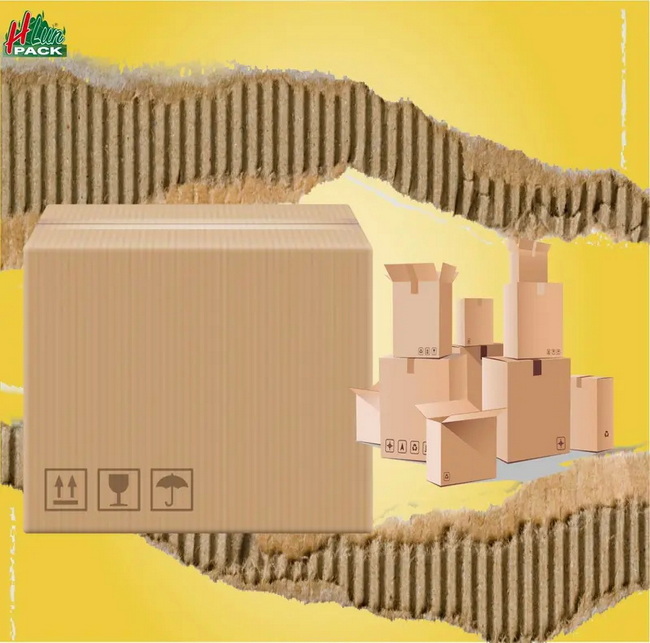
Reused packaging is ideal for low‑cost, high‑creativity learning activities.
- Use flattened cartons as canvases for drawing, painting, or large‑format coloring projects.
- Build simple models, such as houses or vehicles, in classrooms or workshops to teach children about recycling and circular design.
- Brands can offer downloadable templates that show customers how to convert their packaging into family craft projects.
Reuse idea | Best for | Effort level | Lifespan of reuse | Extra brand value |
Stationery and labels | Offices, home users | Low | Medium | Personal, handcrafted touch |
Compost and garden mulch | Gardeners, eco brands | Low | Short | Strong sustainability messaging |
Wall art and event decor | Events, retail, pop-ups | Medium | Short/medium | High visual impact |
Pet beds and toys | Pet owners, pet brands | Medium | Medium | Emotional connection, user-generated content |
Drawer dividers and storage bins | Homes, offices, warehouses | Low | Long | Practical organization |
Shelves and displays | Pop-ups, temporary setups | Medium | Medium | Flexible, low-cost fixtures |
Planters and seed trays | Garden brands, workshops | Low | Short | Green storytelling |
Reused shipping boxes | E-commerce, B2B, logistics | Low | Medium | Clear operational sustainability |
Kids' crafts and education projects | Schools, families, brands | Low | Short | Educational engagement |
Communicating reuse clearly can improve both user experience and brand perception.
- Add short on‑pack messages such as “Reuse this box as storage or a planter” with simple icons.
- Use QR codes that lead to tutorials, videos, or printable templates that demonstrate creative reuse ideas.
- Align messaging with current sustainable packaging trends, such as paper‑based solutions, refill systems, and reduced plastic use.
To design packaging boxes that are easy and enjoyable to reuse, consider these user‑centric principles.
- Avoid overly complex constructions that are hard to disassemble or reconfigure.
- Use mono‑material cardboard wherever possible to support both reuse and recyclability.
- Print minimal, clear reuse instructions and symbols directly on the box exterior.
- Offer multilingual or icon‑based instructions for global audiences.
- Make sure packaging is free of chemicals of concern and uses coatings compatible with paper recycling streams.
- Track how much packaging is reused or reduced to support future regulatory reporting.
If you are ready to put reuse packaging boxes into practice across your home or business, follow these steps.
- Separate boxes that are structurally sound, clean, and free from heavy contamination or hazardous residues.
- Thin folding cartons are best for stationery, labels, and small organizers.
- Sturdier corrugated boxes are ideal for storage bins, shelves, pet projects, and planters.
- In businesses, designate a dedicated area for reusable boxes, with basic guidelines and examples.
- Encourage team members or customers to take boxes home with suggested reuse instructions.
Instead of letting your packaging end its journey after a single shipment, you can transform every box into a long‑term asset that supports sustainability, creativity, and cost savings. If you are looking for packaging materials, packaging machinery, or integrated solutions that make reuse and recycling easier across your production line, our HLun Pack team is ready to help.
We specialize in designing and supplying packaging that is efficient on the line, protective in transit, and ready for a second life in your customers' hands. Contact HLun Pack today to discuss a custom packaging solution that fits your products, your processes, and your sustainability goals, and start turning every box into a powerful part of your circular packaging strategy.
Contact us to get more information!

Reusing boxes extends their lifecycle, reduces demand for new materials, and often conserves more energy than recycling alone, which still requires collection, processing, and transportation. It also provides extra functional value, such as storage, decor, and educational projects, before the box enters the recycling stream.
Not all cardboard is suitable for soil. Boxes without heavy inks, plastic coatings, or hazardous residues are generally best for composting and mulching. Avoid waxed, heavily laminated, or contaminated materials, and remove plastic tape or labels where possible to protect soil quality and compost performance.
Yes, reused boxes can look professional when you apply clear labels, branded sleeves, or stickers that unify the look. A simple message explaining that the box has been reused for sustainability reasons turns potential imperfections into a positive story and builds trust with eco‑conscious customers.
Reusable packaging trends favor fiber‑based materials, simpler structures, and clear end‑of‑life instructions. Designers increasingly prioritize mono‑material cardboard, minimal coatings, and on‑pack reuse ideas that make it easier for customers to give boxes a second or third life before recycling.
Yes, extended producer responsibility rules, recyclability labeling standards, and chemical safety regulations can all affect how you design and reuse packaging. It is important to select widely recyclable materials, avoid substances of concern, and ensure that any environmental claims about reuse and recyclability are accurate and compliant with local laws.
1. https://packmojo.com/blog/7-creative-ways-to-reuse-packaging-boxes/
2. https://sustainablepackaging.org/wp-content/uploads/2025/04/2025-Packaging-Innovations-Trends-Report_SPC_03_compressed.pdf
3. https://boxagency.co/blog/unique-ways-to-reuse-packaging-boxes/
4. https://www.recyclingtoday.org/blogs/news/creative-ways-to-reuse-and-recycle-packaging
5. https://packagingbee.com.au/blog/12-brilliant-ways-to-reuse-cardboard-boxes-in-2025-26/
6. https://www.arka.com/pages/reusing-packaging-materials
7. https://greenerideal.com/guides/green-living/10-creative-ways-to-reuse-packaging-materials/
8. https://directsourceprocurement.com/eco-packaging-trends-for-small-businesses-in-2025/
9. https://www.packnode.org/en/sustainability/6-unique-sustainable-packaging-ideas-for-brands-in-2025/
10. https://www.hualianpack.com
11. https://www.linpack.com


