


close
Choose Your Site
Global
Social Media
Views: 222 Author: Amanda Publish Time: 2026-01-25 Origin: Site


Content Menu
● Overview of Iran's Packaging Film Market
● Key Types of Packaging Films in Iran
>> BOPP Films
>> BOPET Films
>> Specialty and High‑Barrier Films
● Leading Packaging Film Suppliers and Manufacturers in Iran
>> Representative Local Film Producers
>> Technology, Capacity, and Quality Focus
● Export Orientation and Regional Role
● Sustainability Trends in Iranian Packaging Films
● How International Buyers Can Work with Iranian Suppliers
>> Certifications and Compliance
● Role of Integrated Solution Providers like HLun Pack
● Practical Tips for Choosing Packaging Film Suppliers and Manufacturers in Iran
● FAQ
>> 1. What are the main packaging film types produced in Iran?
>> 2. Are Iranian packaging films suitable for export markets?
>> 3. How important is sustainability in Iran's packaging film industry?
>> 4. What should buyers check before partnering with an Iranian film supplier?
>> 5. How does HLun Pack support comprehensive packaging projects?
Iran has become one of the most dynamic markets in the Middle East for flexible packaging and industrial film, with a fast‑growing base of Packaging Film Suppliers and Manufacturers serving food, pharma, FMCG, and industrial sectors. For global buyers and regional brand owners, understanding this ecosystem is essential to building resilient, cost‑effective packaging supply chains.
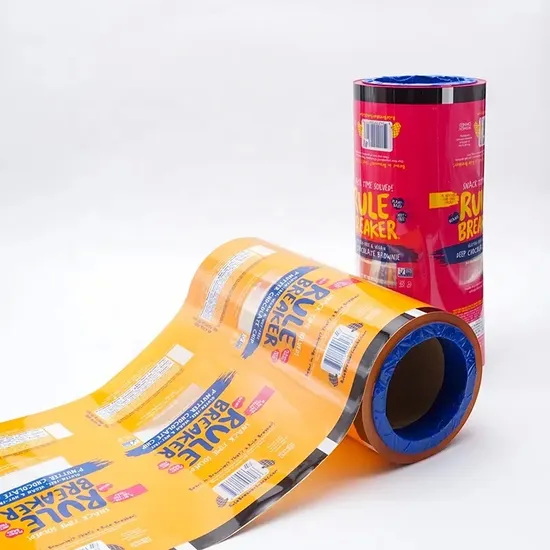
The polyethylene and flexible film market in Iran is expanding in parallel with rising demand for modern packaging in food, pharmaceutical, agriculture, and household products. Polyethylene, BOPP, and BOPET films dominate the landscape, driven by their barrier properties, printability, and versatility in pouches, laminates, and shrink or stretch formats.
Government policy and industrial development programs support polymer and film production through investment incentives and technology upgrades. This environment helps local packaging film suppliers and manufacturers enhance quality, improve efficiency, and comply with more demanding international standards. At the same time, there is growing pressure to introduce recyclable and bio‑based films to align with global sustainability trends and respond to consumer expectations.
Polyethylene films (LDPE, LLDPE, HDPE) are the backbone for many Iranian packaging film suppliers and manufacturers, especially for bags, agricultural films, and food wraps. LDPE and LLDPE films are widely used in food and household packaging because they offer excellent flexibility, good clarity, and strong heat‑sealability. These characteristics make them ideal for bread bags, frozen food pouches, and various everyday consumer packs.
HDPE films, by contrast, are favored for their higher strength and stiffness. They are commonly used in grocery bags, industrial liners, refuse sacks, and building or construction applications where puncture resistance and load‑bearing capacity are crucial. Many Iranian producers run multiple polyethylene lines to cover this broad spectrum of requirements and to provide customized blends matching end‑user specifications.
BOPP films represent a strategic segment in Iran, with several packaging film suppliers and manufacturers focusing on transparent, matte, and metallized grades. These films are particularly important for snack, bakery, confectionery, and label applications, where shelf appeal and brand visibility are critical.
High optical clarity, controlled thickness, and reliable slip and seal properties are key selling points for Iranian BOPP film producers. Local manufacturers supply films for single‑layer wraps as well as for duplex and triplex laminates, offering printable surfaces and effective moisture barriers. Metallized BOPP films are widely used where improved oxygen and light barrier is needed, particularly for chips, nuts, and similar high‑value foods.
Iran also hosts dedicated BOPET production, including high‑performance films for food, pharmaceutical, and industrial packaging. BOPET films are valued for their tensile strength, dimensional stability, and heat resistance, which makes them suitable for retort pouches, hot‑fill applications, and high‑speed packaging lines.
These films often act as the structural or outer layer in complex laminates, providing high gloss, excellent print quality, and resistance to stretching or deformation. Leading BOPET‑oriented packaging film suppliers and manufacturers additionally emphasize tight thickness control and advanced surface treatment to ensure compatibility with solvent‑based, water‑based, and UV inks as well as with a wide range of adhesives.
Beyond standard polyethylene, BOPP, and BOPET, some Iranian producers and their technology partners are exploring or supplying specialty and high‑barrier films. These include films with enhanced oxygen and moisture barrier, antifog properties for fresh produce, and improved puncture resistance for heavy or sharp products.
High‑barrier structures can incorporate metallized films, special EVOH or polyamide layers in laminates, or nano‑additive technologies to protect aroma‑sensitive or extended‑shelf‑life products. As international food safety and shelf‑life expectations grow, demand for such advanced films is expected to rise, creating new opportunities for innovative packaging film suppliers and manufacturers in Iran.
Iran's flexible packaging ecosystem includes a number of domestic companies that have established a strong position as reliable packaging film suppliers and manufacturers. These producers operate modern lines for polyethylene, BOPP, and BOPET, and increasingly compete on both quality and service rather than purely on price.
Several producers are recognized for their strong presence in BOPP and BOPET, with capacities suited to serve both domestic brand owners and export customers in the region. Many focus on snack, bakery, and general food packaging, while others are carving out niches in labels, technical films, or industrial wraps. For international buyers, these manufacturers provide an attractive combination of competitive pricing, access to regional markets, and growing technical sophistication.
To remain competitive, Iranian packaging film suppliers and manufacturers are investing heavily in modern extrusion, stretching, metallizing, and slitting assets. Newer lines offer better process control, higher line speeds, energy efficiency improvements, and more consistent film properties. In‑line thickness measurement, automatic gauge control, and advanced surface treatment enable producers to supply films suitable for high‑speed printing and lamination.
Quality management systems based on international standards are becoming the norm. Many producers implement ISO‑based frameworks, adopt good manufacturing practices for food contact materials, and perform routine tests on film mechanical properties, optical attributes, and sealing performance. This quality focus reduces waste for converters and brand owners, enhances print quality, and minimizes risk during large‑scale production.
Iran's polymer and plastics sector already contributes significantly to national industrial output and has strong export ambitions, and packaging films form part of that strategy. The country's sizeable petrochemical base, with access to raw materials such as polypropylene and polyethylene resins, gives local packaging film suppliers and manufacturers a cost advantage in regional markets.
Industry discussions and export‑oriented events emphasize the potential for Iran to expand its packaging films presence in neighboring countries in the Middle East, Central Asia, and parts of Europe. To achieve that potential, local producers and trading partners are focusing on more efficient logistics, better branding, and stronger compliance with international regulations and certifications. As these elements improve, Iranian films are increasingly seen as a competitive option for converters and brand owners across the wider region.
Sustainability has become a central theme across the global packaging industry, and Iran is no exception. Local packaging film suppliers and manufacturers are gradually integrating sustainability into material selection, process efficiency, and product design.
One major trend is the move toward recyclable mono‑material structures, particularly polyethylene or polypropylene‑based laminates that can be more easily recycled than mixed‑material laminates. Downgauging, or reducing film thickness while maintaining performance, also helps cut material usage and environmental impact.
In parallel, Iranian research and development efforts are exploring or introducing bio‑based and compostable films in areas such as agricultural mulch films, shopping bags, and certain food packaging applications. While cost and infrastructure challenges remain, the long‑term direction of travel is clear: sustainability will play a more prominent role in how packaging film suppliers and manufacturers design products and collaborate with brand owners.
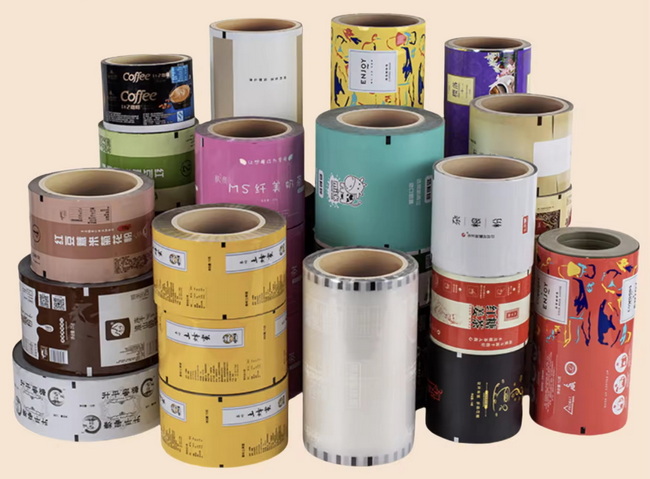
International converters, brand owners, and OEMs evaluating packaging film suppliers and manufacturers in Iran should follow a structured qualification process. A few practical steps include:
- Reviewing product portfolios to ensure the supplier offers the right combination of polyethylene, BOPP, BOPET, and specialty films for your application.
- Checking technical datasheets for key parameters such as thickness range, corona treatment level, coefficient of friction, seal initiation temperature, and barrier properties.
- Requesting trial rolls and running them on actual printing, laminating, and packing lines to verify compatibility and performance under real conditions.
Beyond purely technical criteria, assessing communication quality, response speed, and flexibility in order quantities and lead times can reveal how well a supplier will support long‑term cooperation.
Supply chain planning is a crucial aspect of sourcing from Iranian packaging film suppliers and manufacturers. Buyers need to account for transit times, export documentation, customs procedures, and the handling requirements for large master rolls or pallets of finished film.
Close coordination on production planning and shipment scheduling helps prevent stockouts and reduces the need for excessive safety inventory. Some buyers work with regional trading partners or maintain buffer stocks in nearby hubs to balance cost and responsiveness. Clear agreements on Incoterms, packaging specifications for transport, and insurance coverage protect both sides and keep the relationship predictable.
In food, pharma, and cosmetics packaging, regulatory and compliance requirements are particularly strict. When collaborating with Iranian packaging film suppliers and manufacturers, buyers should verify:
- Food‑contact compliance and migration test results for relevant markets.
- Certificates such as ISO 9001, ISO 14001, or industry‑specific certifications where applicable.
- Documented traceability procedures and lot tracking systems, which are essential in the case of complaints or product recalls.
Well‑organized suppliers will typically provide a comprehensive documentation package along with film shipments, including certificates of analysis, test reports, and detailed roll labels that make quality tracking easier.
HLun Pack represents a new generation of solution‑oriented partners that bridge the gap between materials, machinery, and packaging engineering. Instead of focusing only on one element of the value chain, HLun Pack combines packaging materials, structural design expertise, and packaging equipment to deliver comprehensive solutions.
As a professional packaging materials manufacturer and equipment provider, HLun Pack supports clients with customized packaging structures, optimized for both performance and cost. By integrating packaging machinery into the offering, the company helps customers design and run entire lines that use films, papers, and other substrates efficiently and reliably.
This integrated approach creates clear benefits for brand owners, manufacturers, and contract packers. Rather than separately coordinating with packaging film suppliers and manufacturers and then with machine builders, customers can work with a single partner that understands both sides. This leads to better overall line efficiency, fewer compatibility issues, smoother commissioning, and simpler ongoing technical support.
When selecting packaging film suppliers and manufacturers in Iran, decision‑makers can improve outcomes by focusing on several key aspects:
- Define application needs clearly: Start with your product's shelf‑life, barrier, appearance, and mechanical requirements, then work backward to identify whether BOPP, BOPET, polyethylene, or specialty films are most suitable.
- Compare technical capabilities: Evaluate potential suppliers on extrusion and orientation technology, metallizing and coating capabilities, slitting precision, and their ability to deliver consistent quality over long runs.
- Consider innovation and sustainability: Give preference to suppliers who are actively developing recyclable structures, downgauged films, and more sustainable material options, as these will help future‑proof your packaging portfolio.
- Assess service and support: Technical support, troubleshooting assistance, and willingness to co‑develop new structures or resolve line‑specific problems can be as important as price.
- Plan for growth and flexibility: Choose partners whose capacity and investment plans align with your expected growth so they can scale with you and adapt to new product launches or market expansions.
By systematically evaluating suppliers on these dimensions, companies can build strong partnerships with Iranian packaging film suppliers and manufacturers that deliver value well beyond basic material supply.
Iran's packaging sector, supported by strong petrochemical resources and a maturing flexible film industry, now offers a wide range of capable packaging film suppliers and manufacturers for both domestic and export markets. From BOPP and BOPET specialists to polyethylene film producers and integrated solution providers like HLun Pack, buyers can source high‑performance, cost‑competitive films while increasingly exploring sustainable structures.
As the industry continues to upgrade technology, expand export capabilities, and adopt more eco‑friendly solutions, collaboration between international buyers and Iranian packaging film suppliers and manufacturers is likely to deepen. Those who take the time to understand the market, qualify partners carefully, and focus on long‑term cooperation will be best positioned to capture the benefits of this dynamic and evolving packaging hub.
Contact us to get more information!
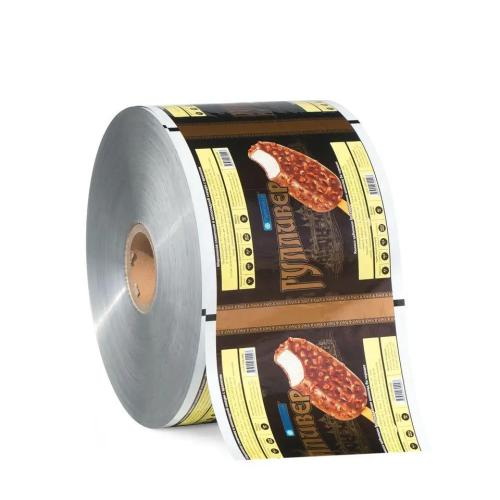
Most packaging film suppliers and manufacturers in Iran focus on polyethylene films (LDPE, LLDPE, HDPE), BOPP, and BOPET films. These materials cover core applications such as food pouches, bakery wraps, labels, shrink and stretch films, agricultural films, and various industrial liners.
Yes, many Iranian packaging film suppliers and manufacturers operate with international standards and modern production technology. They supply BOPP, BOPET, and polyethylene films that meet the requirements of regional and global buyers, particularly in neighboring Middle Eastern and Central Asian markets.
Sustainability is gaining importance as regulators, brand owners, and consumers demand greener solutions. Iranian packaging film suppliers and manufacturers are increasingly investing in recyclable mono‑material structures, downgauged films, and in some cases bio‑based and compostable materials, although conventional films still represent the majority of the market.
Buyers should carefully review film specifications, production technology, quality certifications, and compliance documentation. Running line trials with sample rolls is essential to verify performance, while clear agreements on logistics, service levels, and long‑term development plans help build stable partnerships with packaging film suppliers and manufacturers.
HLun Pack supports comprehensive projects by combining packaging materials, structural design expertise, and packaging machinery into integrated solutions. This approach allows customers to obtain films, papers, and equipment that are designed to work together, simplifying implementation and improving overall efficiency compared with dealing separately with material suppliers and machinery vendors.
1. https://www.kingchuanpackaging.com/supplier/bopp-film-manufacturers-in-iran/
2. https://www.6wresearch.com/industry-report/iran-polyethylene-film-market
3. https://exhibitionmakers.com/en/blogs/plastic-industry-in-iran/
4. https://www.cloudflexfilm.com/manufacturers/bopp-film-manufacturers-in-iran/
5. https://www.kingchuanpackaging.com/supplier/bopet-film-manufacturers-in-iran/
6. https://www.hlunpack.com
7. https://sainapack.com/key-insights-from-the-specialized-session-on-export-in-the-printing-and-packaging-industry/
8. https://ensun.io/search/stretch-film/iran


