


close
Choose Your Site
Global
Social Media
Views: 222 Author: Amanda Publish Time: 2026-01-28 Origin: Site


Content Menu
● Why 2026 Packaging Design Trends Matter for Your Brand
● Overview of 2026 Packaging Design Trends
● Ethereal Sunset Gradient Packaging
>> Practical Steps to Recreate This Trend
● Trippy Distorted Text Effects
>> Practical Steps to Recreate This Trend
>> Practical Steps to Recreate This Trend
● Lovable Retro Mascot Characters
>> Practical Steps to Recreate This Trend
● Artistic Gallery-Inspired Packaging
>> Practical Steps to Recreate This Trend
● New in 2026: Sustainability and Smart Packaging as Design Drivers
>> Sustainable Packaging Integration
>> Smart and Interactive Elements
● Step-by-Step: Turning Trends into Production-Ready Packaging
>> 1. Define Goals and Constraints
>> 2. Choose One or Two Leading Trends to Test
>> 4. Collaborate Closely with Your Packaging Supplier
● Real-World Use Cases: How Brands Can Apply 2026 Trends
● How HLun Pack Can Help You Implement 2026 Packaging Trends
● Take the Next Step with HLun Pack
● Frequently Asked Questions (FAQ)
>> 1. Which 2026 packaging design trend is best for my brand?
>> 2. Are these design trends compatible with sustainable packaging?
>> 3. Do I need a professional designer to use these trends?
>> 4. How can I test a new packaging trend without risking my whole product line?
>> 5. How does HLun Pack support both design and production needs?
In 2026, packaging design trends are louder, bolder, and more emotionally driven than ever, and brands that harness these trends can significantly boost shelf impact and customer loyalty. This guide breaks down the most important 2026 packaging design trends, shows you how to apply them step by step, and explains how to turn them into practical, production-ready solutions for your products.

In competitive markets, packaging is often the first physical touchpoint between your brand and your customer. Strong trend-driven design can increase perceived value, improve unboxing experiences, and drive word-of-mouth and social sharing.
Key reasons these trends matter in 2026:
- Higher attention on crowded shelves thanks to bold color, type, and illustration.
- Stronger emotional connection via nostalgia, art, and storytelling elements.
- Better fit with digital-first behavior, where photogenic packaging fuels user-generated content.
- Easier collaboration between designers, marketers, and manufacturers when trends are translated into clear visual systems and dielines.
Here is a quick snapshot of the top 2026 packaging design trends discussed in this guide.
Trend | Core Visual Elements | Best For | Difficulty to Recreate |
Ethereal sunset gradients | Soft multi-color blends, minimal branding | Beauty, wellness, lifestyle | Medium |
Trippy distorted text | Warped typography as hero element | Beverages, snacks, youth brands | Medium |
Groovy retro wavy lines | 90s-inspired waves, dopaminergic colors | FMCG, DTC brands, limited editions | Easy–Medium |
Retro mascot characters | Hand-drawn cartoons, nostalgic style | Snacks, drinks, kids & family brands | Medium |
Gallery-inspired packaging | Large-scale art or photos, minimal text | Premium, gifting, collaborations | Medium–High |
Soft, glowing gradients inspired by sunsets are a defining 2026 packaging design trend, especially in beauty, wellness, and lifestyle categories. These gradients often cover the entire packaging surface and are paired with simple, monochrome logos so the color takes center stage.
- Seamless transitions between 2–4 colors, such as peach, lavender, and soft blue.
- Minimalist logo and typography in white, black, or a single accent color.
- Smooth blends across panels on boxes, sleeves, and labels to create a continuous look.
In Adobe Illustrator, you can:
1. Use the Gradient tool to build linear or radial blends across your dieline.
2. Apply subtle noise or texture overlays to avoid a flat digital look.
3. Keep typography clean and high-contrast for legibility on shelf and on screen.
4. Test your gradient on different materials, such as coated versus uncoated boards, to check color vibrancy.
Trippy, distorted typography borrows from retro poster art to make text the main visual hero on packaging in 2026. By bending and warping words into waves or curves, your brand name or tagline becomes a graphic element that immediately draws attention.
- Warped or curving words that follow arcs, waves, or circular paths.
- High contrast between type and background to maintain readability.
- Often paired with solid backgrounds or subtle textures, so the type remains the focus.
To build this effect in Illustrator:
1. Use the Envelope Distort tool to warp vector text into waves, bulges, or custom shapes.
2. Convert the final warped type into outlines for clean printing and easy scaling.
3. Use distortion sparingly on key words, such as your brand name or hero message, and keep supporting information in regular type.
4. Run test prints at actual size to ensure legibility from typical shelf distance.
Retro wavy lines are one of the most eye-catching 2026 packaging design styles, blending 90s nostalgia with bold, dopamine-inducing color palettes. They work especially well as energetic backgrounds that support simple logos and minimal text.
- Distorted waves and ripple patterns that flow across panels.
- Saturated, playful color schemes that feel upbeat and youthful.
- Subtle layering of waves to create depth without overwhelming the logo or key claims.
In Illustrator:
1. Start with rectangles or stripes, then apply mesh distortion or warp tools to create organic waves.
2. Use two or three main colors with one neutral to avoid visual overload.
3. Reserve central areas for logos, claims, and regulatory information to maintain clarity.
4. Check how patterns align across folds and edges on your box dieline for a seamless effect.
Retro cartoon mascots are resurging as brands look for fun, character-driven storytelling on packs. These mascots add personality and warmth, especially on snack boxes, beverage cans, and family-oriented products.
- Line-drawn or simplified cartoon characters with expressive faces.
- Limited color palettes that echo vintage comics or early animation.
- Mascots interacting with product elements, such as holding the product or pointing at benefits.
Using AI tools and Illustrator:
1. Generate an initial character concept and refine poses, expressions, and accessories to align with your brand.
2. Use Illustrator's tracing tools to convert drawings into scalable vectors suitable for print.
3. Design a mascot system, such as three to five poses, that fits different packaging formats and marketing assets.
4. Ensure mascot usage is consistent with your brand voice and target audience expectations.
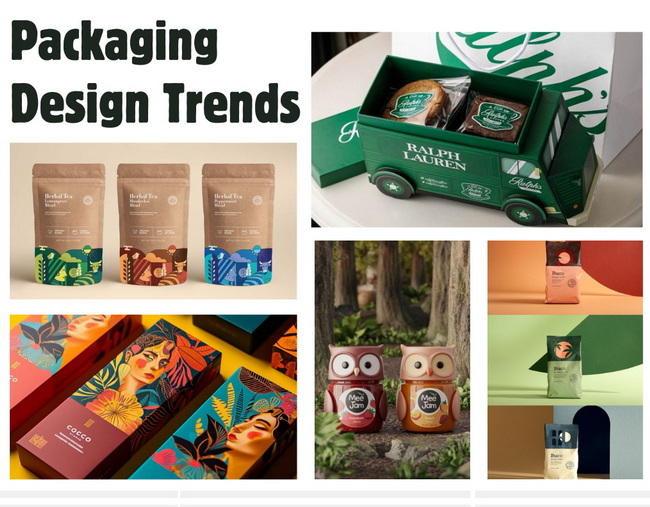
Gallery-style packaging lets artwork and photography take center stage, with minimal text and clean layouts. This trend works especially well for premium, gifting, and collaboration products that want to feel like collectible pieces.
- Full-panel illustrations or photography that dominate the pack front.
- Very limited copy, often just logo, product name, and essential information.
- Clean margins and framing that mirror art galleries or museum labels.
In Illustrator:
1. Use clipping masks to place artwork within specific areas on the dieline.
2. Keep type styles consistent and understated so the art remains the hero.
3. Coordinate the artwork with print finishes such as soft-touch lamination or spot UV to enhance depth and tactility.
4. Plan how different SKUs can feature a series of artworks for collectible appeal.
Beyond visuals, sustainable packaging design and smart packaging features are shaping how 2026 trends are applied in real projects. These aspects influence materials, structures, and how consumers interact with your packaging.
- Use trend-driven graphics on recyclable or compostable substrates instead of mixed materials where possible.
- Minimize ink coverage when you can, for example by using gradients and negative space, to reduce ink usage.
- Align retro, art-driven, or mascot themes with transparent messaging on sustainability claims on side or back panels.
- Integrate QR codes within artwork or gradients to link to tutorials, brand stories, or augmented reality experiences.
- Use near-field communication tags on premium or gallery-style packaging to authenticate products or unlock exclusive content.
- Make sure scannable elements remain readable when combined with distorted text or wavy backgrounds.
To move from inspiration to actual packaging, brands need a structured process that connects design, dielines, and manufacturing. A clear workflow helps you avoid costly redesigns and ensures your packaging prints correctly the first time.
- Clarify your target audience, primary sales channels such as retail or e-commerce, and budget range.
- Decide what you want your packaging to achieve, such as better shelf visibility, premium positioning, higher sustainability, or stronger social shareability.
- Pick one primary trend, such as ethereal gradients, and one secondary element, such as a retro mascot, instead of mixing too many styles.
- Create quick moodboards and low-fidelity mockups to align stakeholders before detailed design begins.
- Design directly on actual dielines for folding cartons, mailer boxes, or inserts to avoid layout issues later.
- Check how gradients, waves, or artwork flow across panel joins, folds, and closures.
- Make sure mandatory information such as ingredients, barcodes, and legal text remains clear and unaffected by distortion or complex patterns.
- Share your Illustrator files, dielines, and print expectations early in the process.
- Discuss color limitations, print methods such as offset or digital, and finishing options that can support your chosen trend.
- Request digital proofs or physical samples before full production to validate color, alignment, and overall impact.
- Run small test batches for new designs, especially when using bold trends like distorted type or heavy gradients.
- Collect feedback from existing customers, retail partners, and internal stakeholders before finalizing your packaging.
Below are example scenarios showing how different industries can leverage these trends effectively. These ideas can help you quickly identify which direction fits your brand and product range.
- Pair ethereal gradients with soft-touch lamination for a calming, high-end feel that matches skincare and wellness positioning.
- Add discreet QR codes that link to ingredient education, usage tutorials, or brand mission pages for deeper connection.
- Use retro mascots and wavy lines to enhance shelf appeal for snacks, ready-to-drink beverages, or confectionery products.
- Highlight flavor variants by adjusting color palettes or mascot poses across SKUs while keeping structure and layout consistent.
- Combine gallery-inspired art with bold interior printing or inserts for a memorable unboxing experience that encourages social sharing.
- Add seasonal or limited-edition art series to encourage repeat purchases and collectability over time.
As a professional packaging materials manufacturer and machinery solution provider, HLun Pack can translate these 2026 design trends into real-world packaging that meets your technical, branding, and cost requirements. You gain a partner that understands both creative concepts and industrial-scale execution.
- Custom packaging materials tailored to gradient-heavy or art-driven designs, including coated boards, specialty finishes, and eco-friendly options.
- Packaging machinery and integrated solutions that ensure your trend-led designs run efficiently and reliably on production lines.
- End-to-end packaging solutions, from structural design and dieline optimization to printing, finishing, and quality control for global shipments.
By combining creative design ideas with engineering and manufacturing expertise, you can launch packaging that is both visually on-trend and operationally robust.
If you are planning a packaging refresh or a new product launch in 2026, this is the ideal moment to align your brand with high-impact, on-trend packaging design that is ready for real production. Reach out to the HLun Pack team today to discuss your products, target markets, and technical requirements, and get a tailored packaging strategy and quotation that turns these 2026 packaging design trends into tangible, high-performing custom packaging solutions for your business.
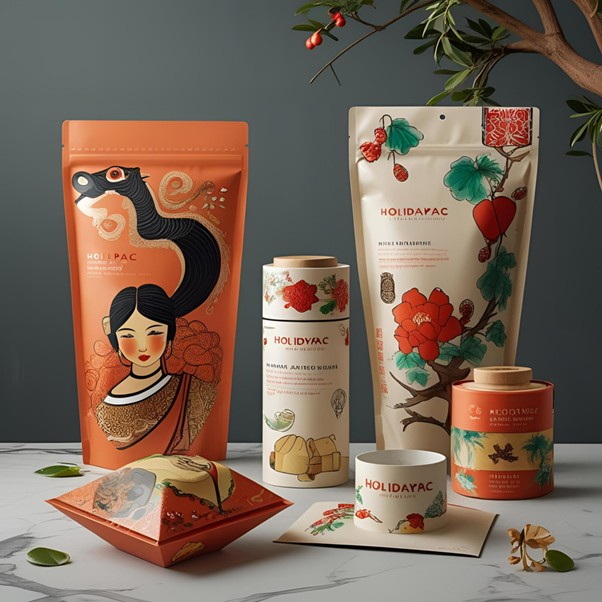
The best trend depends on your category, audience, and positioning. Gradients and art-driven designs often work well for premium and lifestyle products, while retro mascots and wavy lines are ideal for playful, youth-oriented brands. Consider your existing brand assets and customer expectations before choosing a direction.
Yes. You can apply gradients, mascots, and art styles to recyclable or compostable substrates, and you can reduce ink coverage or avoid metallic foils to maintain better recyclability. The key is to align visual decisions with material selection and transparent sustainability claims on pack.
A professional designer can accelerate the process and avoid technical pitfalls, but many small brands can start with templates, tutorials, and standardized dielines. You can develop initial concepts internally and then refine the artwork with expert support from design partners or your packaging supplier.
Start with limited editions, seasonal releases, or a single hero SKU. Run small print runs, monitor sales performance and customer feedback, and gather input from retail partners. Once the new design proves effective, gradually roll it out across your wider product portfolio.
HLun Pack offers material selection guidance, structural packaging design, and machinery solutions tailored to your packaging format and volume. By working with a single partner for both design implementation and production, you reduce risk, shorten project timelines, and achieve more consistent results across all SKUs.


