


close
Choose Your Site
Global
Social Media
Views: 222 Author: Amanda Publish Time: 2026-01-28 Origin: Site


Content Menu
● Why Coffee and Tea Packaging Design Matters for Modern Brands
● 1. Choose Materials, Inks, and Finishes That Match Your Product and Values
>> 1.1 Sustainable substrate options for coffee and tea
>> 1.2 Eco‑friendly inks and coatings
>> 1.3 Finishes that add perceived value
● 2. Compare Structural Options: Paper Tubes, Boxes, Pouches, and Bags
>> 2.1 Common coffee and tea packaging formats
>> 2.2 Using boxes, tubes, and bags together
>> 2.3 Structural design and machinery compatibility
● 3. Use Packaging Sleeves and Stickers to Refresh or Test Designs
>> 3.2 Smart use of stickers and labels
● 4. Get Creative: Stand Out Without Confusing Shoppers
>> 4.1 Color, illustration, and storytelling
>> 4.2 Design trends for coffee and tea packaging in 2025 and beyond
● 5. Design for Freshness, Functionality, and User Experience
>> 5.1 Functional features that customers notice
>> 5.2 Information architecture on pack
>> 5.3 Digital touchpoints and QR codes
● 6. Sustainability and Compliance: From Claims to Real Practice
>> 6.1 Communicating sustainability clearly
>> 6.2 Aligning packaging with food safety and labeling rules
● 7. Practical Design Workflow for Coffee and Tea Brands
>> 7.1 Step‑by‑step process from concept to production
>> 7.2 How an integrated partner like HLun Pack can help
● Turn Your Coffee and Tea Packaging Concepts into Ready‑to‑Run Solutions
● FAQs about Coffee and Tea Packaging Design
>> 1. What is the best packaging for keeping coffee beans fresh?
>> 2. Are paper‑based coffee and tea packages really sustainable?
>> 3. How can small brands test new designs without changing their whole packaging?
>> 4. What information should always appear on coffee and tea packaging?
>> 5. How do I choose between pouches, tubes, and boxes for my brand?
Strong tea and coffee packaging does much more than hold beans or leaves; it protects product freshness, tells your brand story, and determines how quickly shoppers notice you on a crowded shelf or online listing. When you combine smart structure choices with sustainable materials and eye‑catching design, your packaging becomes a powerful marketing tool that supports both sales and long‑term brand loyalty.

The coffee and tea market is highly saturated, so packaging is often the first and strongest signal of quality, origin, and price positioning that customers see. For many specialty brands, investing in custom packaging helps justify a higher price point, communicate ethical sourcing, and differentiate from commodity products on the same shelf.
Well‑designed packs also improve logistics and operations: the right materials and formats protect fragile beans, loose leaves, and RTD beverages through storage, shipping, and retail handling. Finally, more consumers now expect eco‑friendly solutions, which means your coffee or tea packaging must balance sustainability, convenience, and visual impact at the same time.
Material and print choices are the foundation of effective coffee and tea packaging design because they affect freshness, shelf life, recyclability, and perceived quality. Today, many brands are shifting from plain plastic to paper‑based, kraft, or hybrid structures that offer both protection and sustainability benefits.
Common sustainable substrates for coffee and tea packs include kraft paper, paperboard tubes, and laminated paper structures with barrier layers tailored to oxygen and moisture sensitivity. For applications like whole beans or loose tea, brands often choose multi‑layer pouches that combine kraft or rice paper with plant‑based or recyclable barrier films to maintain aroma while easing recyclability or composting.
Key considerations when selecting materials:
- Product type (whole beans, ground coffee, loose leaves, tea bags, RTD bottles or cans) and its sensitivity to light, oxygen, and moisture
- Shelf life and distribution (local café vs. e‑commerce shipping or export)
- Disposal route you want to encourage (recyclable, compostable, reusable)
- Brand positioning, from rustic kraft aesthetics to premium rigid boxes or tubes
Using soy‑based or water‑based inks supports easier recycling and reduces VOC emissions compared to conventional solvent inks. These inks work well on paper, kraft, and some film laminates and can still deliver rich color, gradients, and detailed illustrations for high‑end coffee and tea packaging design.
Traditional plastic lamination improves scuff resistance and barrier performance but makes packaging harder to recycle. As an alternative, many brands now specify aqueous varnishes, biodegradable laminations, or other water‑based coatings that provide a similar protective layer with a lower environmental impact.
Finishes such as matte or soft‑touch coatings, spot UV, foil stamping, and embossing can instantly elevate the perceived quality of your coffee and tea packs. Specialty coffee roasters and premium tea brands often use a combination of tactile finishes and metallic accents to highlight logos, origins, or limited‑edition releases without overwhelming the overall design.
To stay aligned with sustainability claims, consider:
- Using low‑VOC coatings and partial embellishments rather than fully laminated surfaces
- Concentrating foils or metallics on small areas (for example, logo seal or origin badge)
- Testing how finishes behave on recycled or kraft substrates before full rollout
Structural design has a direct impact on product protection, shelf visibility, and packing efficiency in your supply chain. Instead of relying on a single structure, modern coffee and tea brands often use a portfolio approach: one format for retail shelves, another for e‑commerce, and a third for gifting or limited editions.
Format | Best for | Main benefits | Key considerations |
Paper tubes | Whole beans, loose leaf tea, gift sets | High shelf impact, great for storytelling, strong perceived value | Need inner barrier or liner for freshness, higher unit cost |
Folding cartons / rigid boxes | Coffee pods, tea tins, multi-packs | Excellent protection, stacking strength, premium look | May require inserts or trays to secure products |
Stand-up pouches | Beans, ground coffee, loose leaf tea | Lightweight, good printable area, reclosable options | Need correct barrier specs and degassing valves for fresh coffee |
Paper bags | Beans or loose tea sold locally | Simple, cost-effective, familiar to many consumers | Often need secondary box for shipping protection |
Bottles / cans (RTD) | Cold brew, ready-to-drink tea or coffee | Strong protection, convenient, cold-chain compatible | Requires shrink sleeves or labels and robust transport packaging |
Many brands use a hybrid system to balance protection and presentation: beans in a stand‑up pouch or paper bag, then placed inside a printed box or paper tube for display or gifting. Corrugated mailer boxes or rigid boxes with custom inserts are especially useful for coffee pods, tea tins, or curated tasting sets sold online, where shipping damage would harm both product and brand perception.
When developing new structures, always consider how they will run on your filling and packing lines, including sealing jaws, cartoners, and case packers. Features like zipper placement, valve position, or tray dimensions should be defined alongside your machinery specs to avoid bottlenecks and manual rework. Working with a partner that understands both packaging materials and packaging machinery helps ensure each structure is truly production‑ready, not just visually appealing.
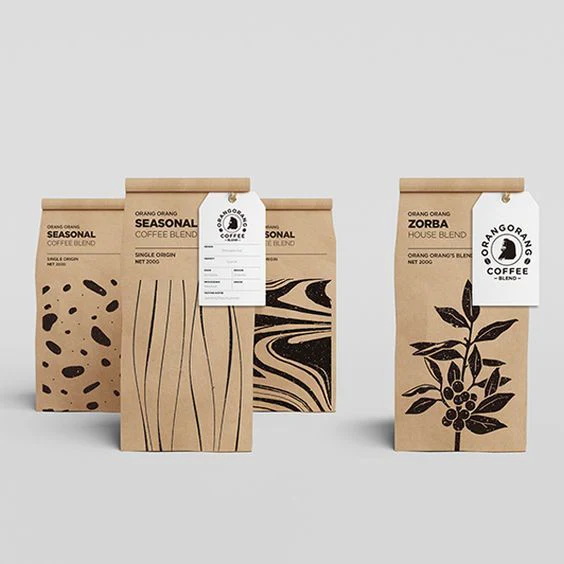
If you already have glass jars, tins, or generic pouches in use, packaging sleeves and stickers are a fast and economical way to upgrade design without changing your entire structure. They are ideal for short runs, seasonal flavors, or A/B testing new visual concepts across coffee and tea SKUs.
Sleeves work particularly well around:
- Coffee bean bags and stand‑up pouches
- Glass bottles for cold brew or RTD tea
- Rigid boxes or tubes that need added storytelling
Because sleeves offer a wide printable area, you can highlight tasting notes, origin stories, brewing instructions, or QR codes that link to videos and brewing guides without redesigning the primary container.
Stickers and labels are flexible tools for batch information, roast dates, and flavor variants. Some roasters create a modular system: a base bag or tube with consistent branding, then variant‑specific labels for origins, processing methods, or limited releases, which helps control inventory and simplify operations.
To improve the user experience, consider:
- Perforated labels that double as tamper‑evident seals yet are easy to tear open
- Clear front labels combined with transparent windows to showcase beans or leaves
- Back labels with concise brewing guides for espresso, filter, and cold brew
Creative coffee and tea packaging design is about distinctiveness with clarity: you want shoppers to notice your pack quickly and understand what you offer within seconds. Moving beyond generic brown or black bags with simple origin flags allows you to create a visual identity that customers remember and seek out later.
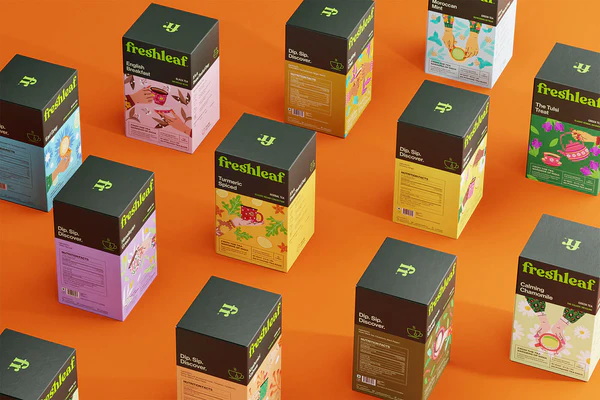
Many successful brands build their identity around origin‑inspired patterns, custom illustrations, or bold color blocking tied to flavor families. For example, some roasters use bright patterns reflecting growing regions on the main panel, while keeping product details on a side label so the artwork remains the hero.
Tea brands often leverage elegant typography, metallic accents, and cultural motifs to communicate calm, ritual, or heritage. Across both categories, the most effective designs combine clear product information with a distinctive aesthetic that is easy to recognize from a distance, both on‑shelf and in thumbnail images online.
Recent and emerging design trends for coffee packaging include earth‑tone palettes, minimalist typography, transparent windows, and reusable or refillable formats like tins and paper‑based cans. At the same time, there is growing demand for quirky maximalist designs that use dense illustration and bold characters, as long as they remain aligned with sustainable materials and thoughtful printing practices.
Tea packaging continues to experiment with intricate patterns, textures, and matte finishes that feel premium while staying compatible with recyclable substrates. Both coffee and tea brands are also integrating smart elements such as QR codes, AR triggers, and digital storytelling to bridge the gap between physical packaging and online experiences.
Beyond looks, the user experience of opening, using, and storing coffee or tea has a major impact on repeat purchases and online reviews. Good packaging design makes the product easy to open, reseal, dose, and dispose of, while protecting flavor and aroma from the roastery to the cup.
For coffee and tea packaging, consider integrating:
- Degassing valves for freshly roasted beans to release CO₂ while keeping oxygen out
- Resealable zippers or tin ties to maintain freshness after opening
- Clear and legible dosage icons (for example, scoops per cup) for new customers
- Structured inserts or dividers for fragile tea tins, glass bottles, or pods
These small touches can significantly enhance perceived quality and reduce complaints about stale coffee, leaking bags, or damaged products.
Organize your on‑pack information so shoppers can scan it in a logical order:
1. Brand name and product type (coffee beans, tea bags, cold brew, etc.)
2. Key benefit or positioning (single origin, organic, functional blend)
3. Flavor notes and roast level or tea type
4. Brewing instructions and storage guidance
5. Sustainability cues and certifications
This information hierarchy keeps the design clean and helps first‑time buyers quickly decide whether the product fits their taste and values.
Increasingly, roasters and tea brands use QR codes on packaging to link to brew guides, farm stories, traceability data, or subscription sign‑ups. When designed properly, these codes add depth to the experience without cluttering the main layout and can be updated digitally over time with new campaigns or content.
Sustainability claims are now scrutinized by both consumers and regulators, so it is important to align your coffee and tea packaging choices with clear, verifiable practices. Using paper‑based or recyclable structures is only part of the story; your on‑pack messaging must also set realistic expectations about disposal and environmental impact.
To avoid confusion or greenwashing concerns, aim for:
- Simple disposal instructions (for example, “Recycle in paper stream where facilities exist”)
- Clear icons that indicate recyclability, compostability, or refillability
- Transparent explanations on your website about material choices and trade‑offs
Specialty coffee and tea buyers often appreciate short origin stories and social impact notes that sit alongside environmental information on your pack.
Coffee and tea packaging must also comply with local food and beverage regulations, including ingredient statements, net weight, best‑before dates, and any required allergen or caffeine information. For export markets, you may need separate variants or labels adapted to regional languages and statutory requirements, which should be planned into your base design system from the start.
A structured workflow helps you move from idea to shelf‑ready coffee or tea packaging without unnecessary rework, delays, or cost overruns. It also improves collaboration between your marketing team, product developers, and packaging suppliers.
1. Define the brief: Clarify target consumer, channel (retail, online, foodservice), sustainability goals, and budget.
2. Select structure prototypes: Shortlist packs (pouches, tubes, boxes) that match your product and line equipment.
3. Develop visual concepts: Work on 2–3 creative routes that explore color, typography, and storytelling.
4. Validate with stakeholders: Gather feedback from internal teams and, if possible, a small customer group.
5. Test on shelf and online: Check how the design reads in person and as an e‑commerce thumbnail.
6. Run pre‑production samples: Confirm print quality, material performance, and machinability.
7. Launch and refine: Monitor customer feedback and iterate using sleeves, stickers, or minor artwork updates.
This approach keeps your coffee and tea packaging design grounded in real‑world constraints while still allowing room for creativity.
Because HLun Pack provides both packaging materials and packaging machinery solutions, you can align structure, print, and production from the beginning of each project. That means:
- Selecting substrates and barrier specs that match your roastery's filling and sealing conditions
- Optimizing pack dimensions for case packing and palletization
- Reducing downtime by ensuring designs are compatible with existing equipment
Working with a single end‑to‑end packaging partner also simplifies sourcing, quality control, and troubleshooting as your coffee and tea volumes grow.
If you are planning to upgrade your coffee and tea packaging design or launch a new product line, you do not need to manage materials, structures, and machinery on your own. HLun Pack can help you select suitable substrates, optimize structures for your filling lines, and develop custom artwork that reflects your brand story while meeting sustainability and regulatory requirements.
Contact HLun Pack today to share your current packaging samples, discuss your production setup, and explore a tailored solution for coffee beans, ground coffee, loose leaf tea, tea bags, and RTD beverages. Our team will work with you to turn creative ideas into efficient, scalable packaging systems that perform on the shelf and on the production line.
The best option for most roasters is a high‑barrier stand‑up pouch or bag with a one‑way degassing valve and a reliable resealing feature such as a zipper or tin tie. This combination allows CO₂ to escape after roasting while protecting beans from oxygen, moisture, and light, helping maintain flavor and aroma for longer.
Paper‑based packaging is often more recyclable and more positively perceived than conventional plastic, especially when combined with water‑based inks and coatings. However, true sustainability depends on factors like barrier layers, collection infrastructure, and your communication about disposal, so it is important to be transparent and specific in your claims.
Smaller coffee and tea brands can use packaging sleeves and labels over existing pouches, jars, or tins to trial new design directions and limited editions. Because sleeves and stickers are easy to print in short runs, they are ideal for seasonal flavors, collaborations, and A/B testing visual concepts before a full structural change.
At a minimum, you should include product name, net weight, origin or blend description, flavor notes, brewing instructions, and best‑before or roasting date, along with required legal statements. Many brands also add sustainability icons, certifications, and a short story or QR code that links to more detailed content online.
Your choice should reflect product type, target channels, budget, and brand positioning: pouches are cost‑effective and flexible, tubes and rigid boxes offer premium shelf presence, and folding cartons with inserts are ideal for pods or gift sets. A packaging partner that understands materials, printing, and machinery can help you model costs and performance so you can build a coherent range across different formats.
1. https://packmojo.com/blog/4-tips-for-designing-coffee-and-tea-packaging/
2. https://packmojo.com/blog/tags/custom-packaging/
3. https://www.zenpack.us/blog/coffee-packaging/
4. https://mtpak.coffee/2024/09/coffee-packaging-design-tips-boost-your-brand/
5. https://mtpak.coffee/2025/02/coffee-packaging-design-trends-for-2025/
6. https://www.designerpeople.com/blog/tea-packaging-design/
7. https://coffeepackaging31.home.blog/2025/07/28/best-coffee-packaging-design-ideas-for-modern-brands-in-2025/
8. https://perfectdailygrind.com/2025/11/how-roasters-use-packaging-to-sell-coffee-for-more/


