


close
Choose Your Site
Global
Social Media
Views: 222 Author: Amanda Publish Time: 2026-01-20 Origin: Site


Content Menu
● What Is Bakery Packaging Today?
● Why Creative Bakery Packaging Matters
● 10 Core Creative Bakery Packaging Ideas
>> 1. Transparent Window Bakery Boxes
>> 2. Eco‑Friendly Biodegradable Bakery Packaging
>> 3. Vintage‑Style Bakery Packaging
>> 4. Reusable Bakery Bags, Tins, and Boxes
>> 5. Hand‑Drawn Illustrations and an Artisanal Look
>> 6. Creative Labels and Collectible Stickers
>> 7. Mini Packaging and Portion‑Control Packs
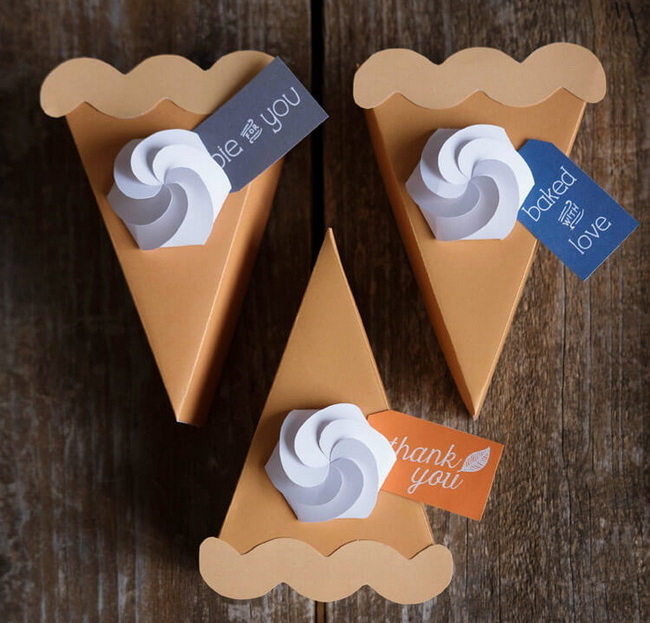
>> 8. Gift Box Packaging for Occasions
>> 9. Seasonal and Holiday‑Themed Packaging
>> 10. Personalized Bakery Packaging
● Key Bakery Packaging Trends for 2026
>> 1. Minimalist and Transparent Design
>> 2. Sustainability as a Core Narrative
>> 3. Social‑Media‑Ready Unboxing
● Practical Steps to Design Bakery Packaging
>> Step 1 – Define Your Brand Positioning
>> Step 2 – Select Packaging Structures
>> Step 3 – Choose Materials and Sustainability Level
>> Step 4 – Design the Visual System
>> Step 5 – Test with Real Customers
● UX Best Practices for Bakery Packaging Design
>> Make Opening and Closing Intuitive
>> Improve Information Clarity
>> Enhance On‑the‑Go Convenience
● Quick Reference Table: Bakery Packaging Ideas vs. Goals
● Take the Next Step with Your Bakery Packaging
>> 1. What packaging is best for bakery products?
>> 2. How can a small bakery afford custom packaging?
>> 3. Are eco‑friendly bakery packages more expensive?
>> 4. Which bakery packaging designs work best on social media?
>> 5. How do I choose between plastic and paper packaging for bakery items?
Bakery packaging is no longer just about protection – it is a powerful branding, storytelling, and sales tool that can turn every box, bag, and label into a miniature billboard for your bakery. In this enhanced guide, you will discover creative bakery packaging ideas plus practical strategies to improve sustainability, customer experience, and brand visibility for modern bakeries in 2026 and beyond.

Modern bakery packaging combines product protection, brand identity, sustainability, and an intentional unboxing experience in one coherent system. It must keep baked goods fresh, easy to transport, visually appealing, and aligned with rising eco‑conscious consumer expectations.
Customers now evaluate packaging alongside taste when choosing between bakeries. Clear design, eco‑friendly materials, and convenient formats strongly influence purchase decisions.
Effective bakery packaging delivers four core business benefits: higher sales, stronger brand loyalty, better social media visibility, and reduced waste. When used strategically, packaging becomes a direct revenue lever rather than a pure cost item.
Minimalist, transparent, and eco‑friendly designs help products stand out on crowded shelves and online marketplaces. Packaging that clearly expresses your brand story also makes it easier for customers to remember and recommend your bakery.
Adding a clear window on the top or side of cake boxes, cookie boxes, or bread bags lets customers see texture, toppings, and freshness at a glance. This visual proof builds trust and highlights the quality of your baked goods.
Use die‑cut shapes such as hearts, circles, or logo silhouettes to add personality while keeping structural strength. Place the window where the hero element (frosting, filling, toppings) is most visible, and consider anti‑fog coatings for refrigerated items.
Eco‑friendly bakery packaging using kraft paper, sugarcane fiber, bamboo, or plant‑based plastics has become a mainstream expectation. Many customers consciously look for compostable or recyclable options when buying food.
You can use kraft bread bags with green labels to signal organic or artisanal positioning. Clearly printing “Compostable”, “Recyclable”, or “Plastic‑Free” icons on your packaging helps customers understand how to dispose of it responsibly and reinforces your sustainability story.
Vintage bakery boxes with retro fonts, cream or pastel backgrounds, and heritage motifs evoke nostalgia and comfort. This style is ideal for traditional breads, pies, butter cookies, and regional specialties.
Adding a small story card about your bakery's history or an “old‑family recipe” anecdote can strengthen perceived authenticity. Keep the retro feel, but follow modern legibility standards with high‑contrast type, clear ingredient and allergen information, and scannable layouts.
Reusable packaging such as canvas bags, metal tins, and rigid keepsake boxes extends your brand presence into customers' homes for months or years. Attractive bakery tins are often reused for storage, turning them into long‑term advertisements.
Reusable bags also reduce single‑use waste and appeal to environmentally conscious shoppers. You can print simple baking tips or mini recipes on reusable totes to add functional value, and release seasonal collectible tins with limited illustrations to encourage repeat purchases.
Hand‑drawn illustrations of loaves, pastries, tools, or friendly bakers immediately communicate craftsmanship and small‑batch quality. Soft line art and sketch‑style icons work especially well on kraft boxes and paper sleeves.
Develop a coherent illustration system so that all your products share the same visual language. When customers see similar drawing styles and motifs across different SKUs, they can recognize your brand even from a distance.
Stickers and labels are a low‑cost way to refresh bakery packaging and add seasonal or campaign‑specific messaging. Peelable stickers that customers can collect or reuse increase engagement and word‑of‑mouth.
Labels such as “Freshly Baked Today”, “Limited Batch”, or “Vegan Friendly” help shoppers make quick decisions at the shelf. Color‑coded labels are especially effective: for example, one color for gluten‑free products, another for sugar‑free, and another for kids' treats.
Mini bakery packaging for single cookies, small cakes, or mini pastries supports on‑the‑go snacking and portion control. Flat pouches and small folded boxes are popular formats for these smaller servings.
Multi‑flavor sampler packs encourage trial and can increase overall basket size. You can offer office‑friendly mini packs with easy‑open tear notches and resealable closures, or use clear front pouches for premium macarons with minimal branding so the product remains the hero.
Premium gift boxes with ribbons, metallic seals, and custom sleeves transform everyday pastries into ready‑to‑gift products. Seasonal gift packaging for occasions such as Christmas, Lunar New Year, or Mother's Day can significantly boost average order value.
Limited‑edition colors and patterns create a sense of urgency and collectability. Inside the lid, you can include a dedicated message card area so customers can handwrite notes without needing extra stationery.
Seasonal bakery packaging that changes color, illustration, and copy throughout the year keeps your brand fresh and newsworthy. Hearts for Valentine's Day, pumpkins for Halloween, and red‑gold tones for year‑end holidays are classic examples.
These designs are highly shareable on social media and pair well with limited‑time flavors. To keep costs manageable, use the same core structure (the same box die‑line) with different sleeves or stickers, and add small seasonal charms or tags only on your premium SKUs.
Personalized bakery packaging allows customers to add names, dates, or messages to boxes for birthdays, weddings, and corporate events. This personal touch increases emotional value and justifies higher price points.
Digital printing and on‑demand production make short‑run personalization feasible even for small bakeries. You can offer an online “design your box” interface with pre‑made layouts where customers only edit names and dates, and add QR codes linking to photo galleries, thank‑you pages, or loyalty programs.
To go beyond basic ideas, it helps to align your bakery packaging with the macro design and sustainability trends that are reshaping the market. Below are three directions that are especially relevant in 2026.
Minimalist packaging uses simple layouts, limited color palettes, and strong typography, often combined with windows or translucent materials. Consumers increasingly associate minimalism with cleanliness, quality, and premium positioning.
Transparent or semi‑transparent panels also support the desire for honesty and “nothing to hide” food presentation. This combination of minimalism and visibility works particularly well for modern bakeries targeting younger, design‑sensitive audiences.
Sustainable bakery packaging is moving from a nice‑to‑have option to a core purchasing criterion. Many new bakery products highlight recyclable, compostable, or plant‑based materials as key selling points.
Bioplastics and post‑consumer recycled materials are becoming more accessible even for small and mid‑sized bakeries. By integrating sustainability into both structure and messaging, your packaging can support higher pricing while matching customer expectations.
Instagram‑worthy bakery boxes can generate user‑generated content without extra advertising spend. Bold accent colors, gradient panels, and artistic frames are especially effective for standing out on camera.
Surprise elements inside the box, such as patterned tissue, printed messages on inner flaps, or hidden illustrations, encourage customers to take photos and share their unboxing experience. A thoughtful interior design can be just as important as the exterior when it comes to social media impact.
This step‑by‑step framework helps bakeries move from idea to finished packaging more efficiently. It can be applied whether you are designing from scratch or updating existing boxes.
Decide whether your bakery is premium, family‑friendly, health‑focused, or eco‑artisanal. Choose two or three core brand adjectives (for example: warm, playful, minimalist) to guide all design decisions.
These adjectives should influence your colors, typography, illustration style, and even structural choices. A clear positioning helps your packaging look coherent across all products.
Match structure to product type: flat pouches for cookies, rigid boxes for cakes, gusseted bags for breads, and clamshell containers for delicate pastries. Think about how your items are stored and transported when selecting a structure.
Also consider whether products will be sold at room temperature, chilled, or frozen, because this affects barrier requirements and closure types. The right structure prevents damage and protects texture.
Decide on paperboard, corrugated board, compostable films, or mixed materials based on your budget and sustainability goals. For many bakeries, a combination of sturdy outer boxes and lightweight inner bags works best.
Prioritize materials that are certified for food contact and check local recycling and composting capabilities. It is helpful to choose materials that customers already understand, so disposal is easy and intuitive.
Plan a clear information hierarchy: logo, product name, flavor, key claims, and storytelling elements. Keep the most important information in the most prominent positions on each panel.
Apply consistent typography and color rules across all SKUs to create instant recognition. A strong visual system makes it easier to launch new products because every new item plugs into an existing design language.
Before committing to a large production run, test two or three variations of box designs or labels. This can be done in your store, on your website, or through simple online surveys.
Observe how people handle the packaging, whether they can easily find important information, and how they feel about the unboxing process. Use these insights to refine both structure and graphics.
Beyond aesthetics, user experience determines whether customers find your packaging pleasant or frustrating. Good UX helps your packaging feel intuitive, safe, and enjoyable to use.
Use clear opening cues such as arrows or short instructions like “Pull Here”. Make sure opening does not require excessive force or tools.
Where possible, add resealable features such as zippers or tuck‑in tabs to keep products fresh and reduce crumbs in bags. Customers appreciate packaging they can open and close comfortably.
Highlight allergens, storage instructions, and “best before” dates in obvious locations, not hidden in dense text. Use enough contrast and font size to keep ingredient lists and nutrition panels legible.
Organize information into short sections or bullet lists rather than long paragraphs. This helps customers quickly understand how to store and consume your products safely.
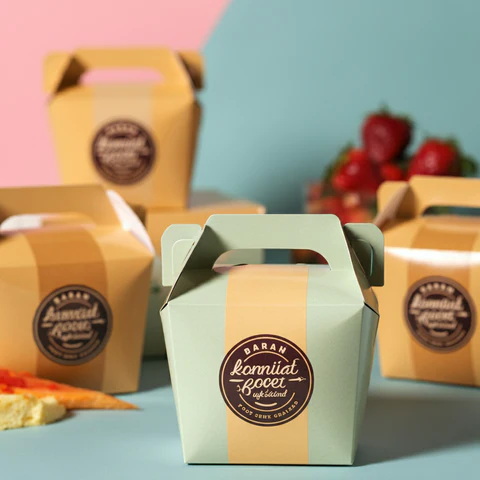
Add handles to cake boxes or multi‑pack pastry boxes to support carry‑out and delivery. Handles reduce the risk of dropping items and make the journey more comfortable.
Design structures that are stable during transport and easy to stack for delivery services. Consider how the box looks and behaves when placed in a delivery bag or on a crowded shelf.
Packaging Idea | Main Goal | Best For |
Transparent window boxes | Build trust and show freshness | Cakes, cookies, decorated cupcakes |
Eco-friendly biodegradable packaging | Appeal to environmentally focused shoppers | Bread, cookies, daily pastries |
Vintage-style packaging | Evoke nostalgia and tradition | Classic breads, pies, butter cookies |
Reusable bags and tins | Extend long-term brand visibility | Gift assortments, holiday specials |
Hand-drawn illustrations | Reinforce an artisanal, small-batch feel | Artisanal loaves, specialty desserts |
Creative labels and stickers | Enable fast updates and campaigns | Seasonal or limited flavors |
Mini and sampler packaging | Support trial and portion control | Cookies, macarons, snack cakes |
Gift box packaging | Increase perceived value and gifting appeal | Festive boxes, corporate gifts |
Seasonal and holiday themes | Drive repeat excitement and social shares | Seasonal flavors, holiday boxes |
Personalized packaging | Deepen emotional connection | Weddings, birthdays, events |
Creative bakery packaging can turn every product into a powerful marketing asset, but choosing the right structures, materials, and designs can be challenging. If you are ready to upgrade your bakery boxes with eco‑friendly materials, transparent windows, personalized printing, or premium gift solutions, now is the time to act.
Share your product list, brand goals, and budget with a professional packaging partner and request a practical, production‑ready proposal. With the right support, you can transform your packaging into a consistent, memorable experience that increases sales, strengthens your brand, and keeps customers coming back.
Contact us to get more information!
The best packaging balances freshness, protection, branding, and sustainability. In most cases, this means combining paperboard boxes, pouches, or bags with clear windows and carefully chosen barrier properties according to the product.
You should also think about how the packaging will be transported and stored. Strong corners, secure closures, and clear labeling are essential for both retail and delivery channels.
Small bakeries can start with standard box sizes and customize them through stickers, sleeves, stamps, and printed tape. These solutions avoid the cost of new cutting dies while still delivering a recognizable brand experience.
As your volume grows, you can gradually upgrade into fully custom boxes with unique structures and printing. Planning a long‑term roadmap helps you avoid waste while still improving your presentation step by step.
Some compostable or recycled substrates can cost more than conventional materials, especially at low volumes. However, they often increase customer loyalty and support slightly higher product pricing.
By communicating your sustainability story clearly on the packaging, you help customers understand the added value. Over time, this can improve margins and brand reputation.
Designs with bold accents, gradients, and strong unboxing moments tend to perform well on social media. Clear windows, striking colors, and unique interior patterns invite customers to take photos.
Packaging that includes friendly messages, playful illustrations, or surprise elements also encourages sharing. The more your box feels like part of the experience, the more likely customers are to post about it.
Paper and carton are generally preferred for their recyclability and warm brand perception, especially for dry or low‑moisture products. Plastic or bio‑films may still be necessary for items that need higher moisture barriers or longer shelf life.
You can also combine the two: for example, use a paperboard box with a small plastic or plant‑based window. This approach keeps most of the structure fiber‑based while still providing visibility.
[1]https://www.smashbrand.com/articles/baked-goods-packaging-designs/
[2] https://www.thecustomboxes.com/blog/innovative-bakery-boxes-trends/
[3] https://lacerta.com/blog/food-packaging-design-trends
[4] https://www.kimecopak.ca/blogs/news/color-design-trends-for-bakery-packaging-in-2026
[5] https://www.mrtakeoutbags.com/blog/tag/eco-friendly-bakery-packaging/
[6] https://packmojo.com/blog/bakery-branding/
[7] https://www.berlinpackaging.com/insights/perspectives/2026-baked-goods-trends
[8] https://www.packaginginsights.com/packaging-focus/bakery-packaging-innovation-817.html
[9] https://www.smashbrand.com/articles/baked-goods-packaging-designs/
[10] https://unpacked.lkpkg.com/resources/top-food-packaging-trends-to-watch-in-2026/
[11] https://fortissolutionsgroup.com/2024/08/09/the-future-of-sustainability-in-bakery-packaging-trends/
[12] https://blog.tubikstudio.com/case-study-vinnys-bakery-ui-design-for-e-commerce/
[13] https://www.packaginginsights.com/trend-analysis/trends-in-bakery-packaging.html
[14] https://packmojo.com/blog/bakery-branding/
[15] https://www.grandviewresearch.com/industry-analysis/eco-friendly-food-packaging-market-report


