


close
Choose Your Site
Global
Social Media
Views: 222 Author: Amanda Publish Time: 2026-01-29 Origin: Site


Content Menu
● Fact 1: Coca‑Cola – The Most Recognised Packaging in the World
● Fact 2: The Coffee Smell in Packaging Is Carefully Engineered
● Fact 3: Cardboard Boxes Are Over 100 Years Old – and Still Evolving
● Fact 4: Apple Has a Secret Packaging Room
● Fact 5: Microwave‑Adapted Packaging Lets You Heat Noodles in the Box
● Fact 6: Magic Seaweed Juice Boxes That Disappear with the Drink
● Fact 7: Expiration Dates on Bottled Water Are Often About the Bottle
● Fact 8: Nike Built a Shoebox from Recycled Trash
● Fact 9: Packaging Shapes Brand Perception in the First 7 Seconds
● Fact 10: We Use Enormous Amounts of Holiday Wrapping Paper
● Fact 11: The Global Packaging Market Is a Trillion‑Dollar Powerhouse
● Fact 12: Packaging Generates a Huge Share of Global Plastic Waste
● Fact 13: E‑Commerce Packaging Mismanagement Is Highly Concentrated
● Turning Fun Packaging Facts into Practical Design Decisions
>> Brand Impact: Facts 1, 4, and 9
>> Function and Safety: Facts 2, 5, and 7
>> Sustainability and Waste: Facts 6, 8, 10, 12, and 13
>> Business and Scale: Facts 3 and 11
● How HLun Pack Helps Brands Apply These Insights
● Clear Call to Action: Turn Packaging Facts into Competitive Advantage
● Frequently Asked Questions (FAQ)
>> 1. What is the most important packaging fact for small brands?
>> 2. How can I make my packaging more sustainable without huge cost increases?
>> 3. Are experimental materials like seaweed packaging realistic for mass production?
>> 4. How does global packaging market growth affect my business?
>> 5. What role does packaging play in plastic waste statistics?
>> 6. Why should I involve a packaging machinery partner early in design?
Packaging is one of the world's largest industries, shaping how we shop, perceive brands, and even manage global waste, yet most consumers barely notice it. This in‑depth guide turns crazy packaging facts into practical insights you can use to design smarter, more sustainable, and more profitable packaging for your products.

By the end of this article, you will understand:
- Why some packaging designs are recognised almost everywhere.
- How small structural or material tweaks can transform cost, user experience, and sustainability.
- How to turn fun packaging trivia into concrete actions for your next packaging project.
Throughout the article, examples and comments from HLun Pack's experience as a professional packaging materials and machinery provider will help connect each fact to real production and supply‑chain decisions.
Coca‑Cola is widely cited as one of the most recognised brands and packaging designs on the planet, thanks to its consistent red color, script logo, and contour bottle shape. This visual system is so strong that many people can identify a Coca‑Cola pack even without reading the logo.
From a practical branding perspective, this shows the power of:
- Consistent color codes across all formats, from cans and PET bottles to multipack cartons.
- A distinctive structural design, such as the contour bottle, that competitors cannot easily copy.
- Long‑term investment in the same core visual assets instead of frequent rebrands.
What this means for your brand:
- Choose one or two primary colors and use them across boxes, labels, tapes, and inserts.
- Use a repeatable layout for your logo, product name, and key claims on every SKU.
- When possible, develop a recognisable structure, such as a unique box opening style, that becomes your signature in stores and online.
One famous packaging fact is that the intense coffee aroma in some products is partly enhanced by packaging design. Coffee packs can be engineered to trap and release scent in a way that reinforces the perception of freshness when the customer opens the bag.
In practice, coffee and other aroma‑sensitive products often rely on:
- Degassing valves that release trapped gas and aroma from freshly roasted beans.
- Barrier films and coatings that help preserve volatile compounds over shelf life.
- Controlled headspace design so opening the pack creates a strong “first smell” moment.
What this means for your brand:
- If aroma is a key part of your product, such as coffee, tea, snacks, or spices, discuss valved bags, barrier films, and sealing quality with your packaging supplier.
- Conduct unboxing tests and ask users what they smell, see, and feel in the first 10 seconds.
- For non‑food brands, think about alternative sensory hooks such as texture, sound when opening, or a visual reveal instead of scent.
Cardboard boxes have been used for more than a century and remain the workhorse of global packaging, especially in logistics and e‑commerce. Their strength‑to‑weight ratio, printability, and recyclability keep them at the center of the packaging world.
Modern corrugated packaging has evolved through:
- Optimised flute profiles that balance compression strength and material use.
- High‑performance liners that support high‑definition branding and color consistency.
- Automation‑friendly designs that work at high speeds on forming, filling, and sealing lines.
What this means for your brand:
- Do not treat cardboard as generic; board grades, flutes, and liners dramatically affect performance and cost.
- Work with partners like HLun Pack to match board specifications to your product weight, stacking height, and shipping route.
- Use external surfaces for impactful branding while keeping internal structures optimised for protection and transport.
Apple is known for treating packaging as part of the product experience and maintains dedicated spaces and teams focused solely on box design and unboxing user experience. They test multiple opening sequences, insert fits, and material finishes to create a consistent, premium feeling.
This level of attention creates:
- A slow, deliberate unboxing ritual that builds anticipation.
- Precise fit between product and inserts, reducing rattling and perceived cheapness.
- Strong alignment between packaging, product design, and brand values.
What this means for your brand:
- Map your unboxing step by step and remove friction points such as stuck lids, confusing tear strips, or unclear instructions.
- Use inserts and folds to guide the user's hand, revealing the product and accessories in a logical order.
- Identify a single “wow moment” in the unboxing, such as a message printed inside the lid, a texture, or a surprise accessory.
A leading instant noodle brand in Korea developed microwave‑adapted cardboard packaging that can withstand high temperatures without melting or deforming. This innovation allows consumers to prepare the product directly inside the packaging, reducing the need for extra bowls or dishes.
Key technical aspects include:
- Heat‑resistant barrier layers or coatings on the inside of the box.
- Carefully selected board grades that maintain rigidity at elevated temperatures.
- Rigorous food safety and performance testing for repeated heating cycles.
What this means for your brand:
- Look for opportunities to reduce preparation steps using smarter packaging, such as microwave‑ready trays, oven‑safe board, or easy‑vent lids.
- When changing materials for heat applications, validate compatibility with existing filling and sealing lines as well as regulatory requirements.
- Clearly communicate safety and usage instructions on pack, including heating time, maximum temperature, and handling warnings.
A Swedish design studio created an edible, biodegradable “juice box” made from agar‑agar seaweed gel and water, designed to degrade at roughly the same rate as the beverage inside. This experimental approach challenges the way we think about short‑shelf‑life drinks and single‑use packaging.
Although still niche, these concepts demonstrate:
- Extreme forms of zero‑waste packaging, where pack and product disappear together.
- How biopolymers and natural gels can provide structure without traditional plastics.
- The storytelling power of radical sustainability prototypes, which attract media and social media attention.
What this means for your brand:
- Consider compostable films, paper‑based laminates, or bio‑based plastics for products with limited shelf life.
- Use pilot runs and limited campaigns to test consumer acceptance of unusual materials before scaling.
- Include clear end‑of‑life instructions so customers know whether to compost, recycle, or dispose in a particular way.
On many bottled water products, the expiration date refers primarily to the packaging material rather than the water itself. Over long periods, certain plastics and closures can degrade or leach compounds, so shelf life is defined by the performance of the packaging system.
Brands typically:
- Set conservative expiry dates to ensure safety and regulatory compliance.
- Use barrier materials and closures to protect taste and purity over time.
- Monitor storage conditions such as temperature and UV exposure as part of their quality systems.
What this means for your brand:
- When designing long‑shelf‑life products, treat packaging as a functional barrier system, not just a container.
- Align shelf‑life claims with material science, migration testing, and local regulations.
- Communicate clearly so customers understand safety guarantees and best‑before dates.
Nike has launched shoebox concepts made entirely from recycled waste materials, demonstrating how circular design can be applied to footwear packaging. These designs reduce virgin material use and turn the box into an extension of the brand's sustainability story.
Circular shoebox projects tend to aim for:
- High post‑consumer recycled content in board or molded pulp.
- Minimal inks and coatings that could contaminate recycling streams.
- Secondary uses for the box, such as storage, to extend its useful life.
What this means for your brand:
- Start by increasing recycled content in corrugated boxes, void fill, and labels.
- Prioritise mono‑material structures that are easy for recyclers to identify and process.
- Make sustainability a visible part of your packaging story without making unsubstantiated or vague claims.
Consumer studies often find that shoppers form an opinion about a product or brand in as little as seven seconds when they see it on shelf or in a digital thumbnail. In that short window, packaging must communicate value, quality, and relevance.
Key elements influencing those first seconds include:
- Strong color contrast and hierarchy on crowded shelves.
- Legible typography and clear product naming.
- Effective use of icons and claims, such as “100% recycled board” or “BPA‑free”.
What this means for your brand:
- Design for seven‑second clarity: if a new viewer cannot state what the product is and why it is better after a quick glance, simplify your front‑of‑pack.
- Test mobile thumbnails for e‑commerce and ensure that your packaging works at small screen sizes, not just in hand.
- Run quick user tests with staff or customers before finalising artwork and dielines.
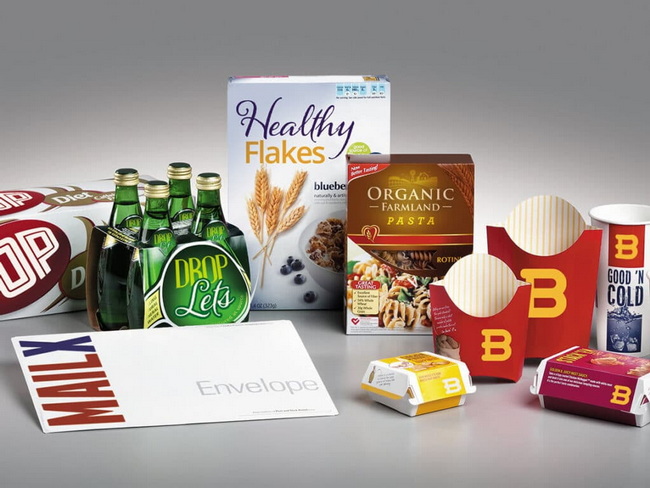
Every year, especially around the holiday season, consumers generate large volumes of wrapping paper and seasonal packaging waste. Much of this material is hard to recycle due to metallic foils, laminations, and glitter, even when the base is paper.
This raises questions about:
- Balancing festive design with recyclability and recovery.
- Reducing unnecessary layers, ribbons, and non‑recyclable embellishments.
- Educating consumers about how to dispose of seasonal packaging responsibly.
What this means for your brand:
- Use uncoated or lightly coated papers, water‑based inks, and minimal metallic foils for seasonal designs.
- Mark clearly whether wrapping or boxes are recyclable, compostable, or reusable.
- Explore reusable solutions such as branded gift boxes, fabric wraps, or modular packs that can be refilled and re‑gifted.
The global packaging market is already worth well over one trillion US dollars and is projected to keep growing steadily over the next decade. Asia‑Pacific leads in market share, driven by urbanisation, e‑commerce expansion, and rising middle‑class consumption.
This means that:
- Packaging is not a side topic; it is a core economic engine and a major field for innovation.
- Small improvements in packaging design can scale to massive environmental and financial impact at global volumes.
- Brands that optimise packaging early can gain cost, supply, and sustainability advantages.
What this means for your brand:
- Treat packaging as a strategic investment instead of a pure cost line.
- Use market data to support internal discussions and secure budgets for materials and machinery upgrades.
- Partner with suppliers like HLun Pack that track global trends and can translate them into feasible, line‑ready solutions.
Packaging accounts for a large share of global plastic waste, often estimated at around 40 percent of the total. Under current trajectories, overall plastic waste is expected to grow significantly over the coming decades if no strong interventions are implemented.
This reality underpins:
- Rising regulatory pressure on single‑use plastics and extended producer responsibility schemes.
- Rapid development of reusable, refillable, and fiber‑based packaging formats.
- The competitive advantage of brands that can show credible, measurable reductions in plastic use and waste.
What this means for your brand:
- Audit your portfolio to identify high‑volume plastic components that could shift to paper, board, or reusable formats.
- Design packs for disassembly and recyclability, avoiding complex multi‑material laminates where possible.
- Communicate specific goals such as percentage recycled content or plastic reduction targets by a given year.
Studies on mismanaged plastic waste show that a relatively small group of countries accounts for a large share of mismanaged packaging plastics, often due to rapid consumption growth and under‑developed waste‑management systems. This is particularly relevant for e‑commerce packaging and lightweight films.
This has important implications:
- International brands must align pack formats with local waste‑management and recycling infrastructure.
- Lightweighting alone is not enough if end‑of‑life systems cannot handle the material that remains.
- Collaborations between brands, logistics providers, and local recyclers are crucial in high‑risk regions.
What this means for your brand:
- When exporting, adapt packaging to the reality of each market, not just global standards or one‑size‑fits‑all structures.
- Work with regional partners to implement take‑back schemes, refill models, or closed‑loop systems where feasible.
- Use country‑level waste data to prioritise markets where more sustainable packaging formats can have the biggest impact.
To move from trivia to action, brands can translate each packaging fact into concrete design or procurement decisions. The following simple framework helps organise priorities.
- Define core colors, logo placement, and structural codes that make your pack instantly recognisable.
- Audit your unboxing experience from delivery to disposal to identify friction and delight moments.
- Ensure that packaging communicates product type and key benefit within a few seconds.
- Review barrier requirements, shelf life, and heating or usage conditions for each product.
- Align material choices with product chemistry, migration limits, and regulatory standards.
- Balance sensory impact, such as aroma release, with product protection and safety.
- Set realistic targets for recycled content, recyclability, and plastic reduction in key categories.
- Prioritise product lines that generate the most packaging waste or use complex materials.
- Consider regional infrastructure when choosing materials for global distribution.
- Evaluate how packaging changes affect logistics, machine speeds, and total landed cost.
- Use industry market data to justify investments in new machinery and automation.
- Consider scalability from the start when piloting innovative materials or formats.
As a professional packaging materials manufacturer and machinery solution provider, HLun Pack supports brands from early concept through to full‑scale production. The goal is always to align creative ideas with technical feasibility and operational efficiency.
Our team helps you:
- Select board grades, films, and structures that balance strength, cost, and sustainability for each product.
- Integrate new packaging designs into existing or upgraded packing lines without sacrificing speed or quality.
- Run pilot tests for innovative concepts such as microwave‑ready packs, higher recycled content, lightweight designs, or special unboxing experiences.
Whether you are inspired by global icons like Coca‑Cola, Apple‑style unboxing, or emerging seaweed‑based materials, HLun Pack can translate ideas into line‑ready, compliant solutions that work in real factories and real supply chains.
If these crazy packaging facts have sparked ideas for your next product launch, rebrand, or sustainability initiative, this is the right time to act. Packaging decisions you make today will influence your costs, environmental footprint, and brand perception for years to come.
Contact HLun Pack's packaging engineering team to review your current boxes, films, and machinery. Request a free initial consultation where we analyse your existing packaging costs and waste, identify two or three quick‑win improvements inspired by the facts in this guide, and outline a roadmap for sustainable, brand‑building packaging over the next 12 to 24 months. Reach out now and turn global packaging insights into measurable gains in cost, sustainability, and customer satisfaction for your business.
For small brands, the most important fact is that customers form an opinion in just a few seconds, so clear, consistent, and simple front‑of‑pack design has a huge impact on conversion. Focus on readability, strong hierarchy, and a single main benefit before investing in advanced gimmicks.
Start with recycled content in corrugated boxes, rationalise box sizes to reduce material waste, and eliminate unnecessary coatings, laminations, and plastic inserts. These steps often lower material and logistics costs while improving recyclability and compliance with retailer and regulatory expectations.
Seaweed‑based and other novel biodegradable packs are promising but currently remain niche and experimental, usually applied in limited runs or marketing campaigns. Most brands begin with more scalable measures, such as paper‑based flexibles, higher recycled content, and mono‑material structures that fit existing recycling streams.
As the packaging market grows beyond one trillion US dollars, competition for materials, logistics capacity, and consumer attention intensifies. Investing in better packaging now can secure supply, reduce long‑term costs, and differentiate your brand both on shelf and in online channels.
Packaging represents a large share of global plastic waste, which makes it a central focus for regulators, NGOs, and consumers. Moving toward recyclable mono‑materials, refill systems, and fiber‑based solutions can significantly reduce your environmental footprint and help you stay ahead of emerging regulations.
Involving machinery specialists early in design ensures that innovative structures remain compatible with real production speeds, tolerances, and automation. HLun Pack helps align creative concepts with industrial feasibility, avoiding costly redesigns and unexpected downtime later in the project.
1. https://packhelp.com/top-10-crazy-facts-about-packaging-worldwide/
2. https://packhelp.co.uk/top-10-crazy-facts-about-packaging-worldwide/
3. https://airpacksystems.com/article-title-ii-4/
4. https://dcp-uk.co.uk/9-crazy-facts-about-packaging/
5. https://www.towardspackaging.com/insights/packaging-market-sizing
6. https://www.statista.com/statistics/1535934/global-market-value-of-packaging/
7. https://www.voronoiapp.com/sustainability/40-of-global-plastic-waste-comes-from-packaging-3079
8. https://www.woola.io/blog/packaging-waste-statistics


