


close
Choose Your Site
Global
Social Media
Views: 222 Author: Amanda Publish Time: 2026-02-04 Origin: Site


Content Menu
● What Makes Cosmetic Packaging Truly Effective?
● Keep It Simple – Minimalism That Sells
● Master Color Psychology and Shelf Impact
● Use Laminated, Coated, or Scented Packaging for Sensory Appeal
● Add Luxurious Effects With Foil Stamping and Special Finishes
● Elevate Haptics: Embossing, Debossing, and Texture
● Tell a Strong Brand Story Through Artwork
● Make Your Logo the Focal Point
● Choose Environmentally Friendly Packaging Options
>> Popular sustainable structures
>> Material and process considerations
● Design an Unforgettable Unboxing Experience
>> Practical unboxing enhancements
● Align Structure and Function With Real Use
● Maintain Regulatory and Labeling Compliance
● Go Premium When Your Brand Position Demands It
● Data-Driven Cosmetic Packaging – Why It Matters Now
● Step-by-Step Process to Design Winning Cosmetic Packaging
>> Step 1: Define strategy and audience
>> Step 2: Choose structure and materials
>> Step 3: Develop artwork and hierarchy
>> Step 5: Finalize specs and pre-press
>> Step 6: Pilot run and scale
● Real-World Example – From Basic Box to Branded Experience
● Partner With a Packaging Specialist for Complete Solutions
● Take the Next Step: Turn Your Cosmetic Packaging Vision Into Reality
● Frequently Asked Questions About Cosmetic Packaging Design
>> 1. What is the most important element of cosmetic packaging design?
>> 2. How can I make my cosmetic packaging look more premium?
>> 3. What are the best sustainable options for cosmetic packaging?
>> 4. How do I balance aesthetics and functionality in cosmetic packaging?
>> 5. Why should I work with a packaging specialist instead of designing everything in-house?
In the crowded beauty market, cosmetic packaging design can decide whether customers reach for your product or your competitor's. This guide combines practical design strategies, sensory branding, and sustainable choices to help you create packaging that sells, protects, and elevates your brand.
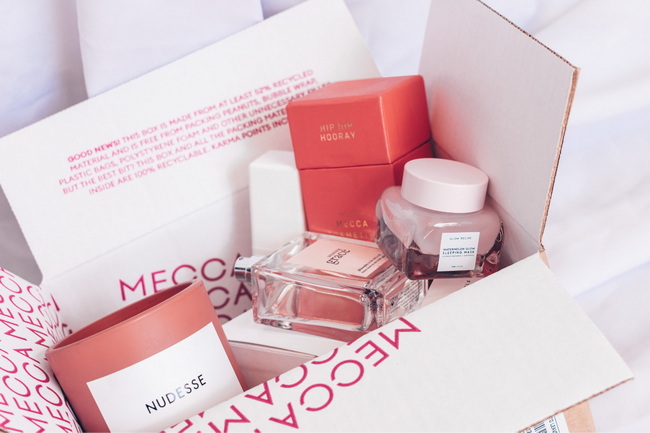
Effective cosmetic packaging is more than a pretty box; it must attract attention, communicate value, and perform flawlessly in real-life use. The most successful brands align structure, materials, artwork, and customer experience with a clear, consistent brand story.
Core goals of high-performing cosmetic packaging:
- Grab attention instantly on crowded shelves and online feeds.
- Communicate what the product is, who it is for, and why it is different in seconds.
- Protect formulas from light, air, and contamination while complying with regulations.
- Offer a smooth, intuitive unboxing and daily-use experience.
- Support sustainability expectations through materials and structural choices.
Simplicity remains one of the most powerful design principles in cosmetic packaging. Consumers first recall color, then shape, then symbols, and only last the words, which means clean visual hierarchy beats clutter every time.
Actionable tips for simple, high-impact layouts:
- Use one dominant color and one accent color instead of a complex palette.
- Limit front-of-pack text to product name, key benefit, and size.
- Use generous white space to frame your logo and hero claims.
- Avoid excessive icons, seals, or background patterns that distract from your core message.
Color is often the first element shoppers notice and plays a major role in perceived quality, category fit, and brand personality. In cosmetics, color cues also help differentiate product lines (hydration, anti-aging, organic, etc.) at a glance.
Strategic color ideas:
- Use soft neutrals and metallics to cue luxury and sophistication.
- Use greens, earthy tones, and kraft effects to express natural or organic positioning.
- Reserve strong, saturated colors for hero SKUs or limited editions to create focal points on shelf.
- Ensure contrast between background and text for accessibility and legibility.
Laminated and coated finishes can dramatically elevate perceived value while protecting artwork from scratches and moisture. Mixing finishes and introducing subtle scent turns your packaging into a multi-sensory experience that customers remember.
High-impact finish strategies:
- Combine matte and gloss laminates to highlight key elements such as logos or claims.
- Use soft-touch coatings to create a velvety, premium feel in hand.
- Add light, brand-aligned scents (for example, citrus for freshness, vanilla for warmth) to secondary packaging to enhance unboxing.
Foil stamping in gold, silver, or tinted metallics creates instant luxury cues at relatively low incremental cost. When used sparingly, foil directs attention and differentiates your products from mass-market competitors.
Premium finish ideas:
- Use foil only on logo, product name, or key visual elements to avoid visual overload.
- Combine foil with embossing for a tactile, jewelry-like effect.
- Explore holographic or colored foils for trend-driven collections, such as youth-focused ranges or limited editions.
The haptic (touch) experience of packaging strongly influences perceived quality and memorability. Embossing and texturing add a new dimension to your brand message and encourage customers to physically interact with your products.
Tactile enhancement ideas:
- Emboss the brand name or monogram for a distinct tactile signature.
- Apply spot textures, such as linen, leather, or sand effects, to specific panels or patterns.
- Use raised UV or textured varnishes to highlight illustrations or botanical motifs.
When combined with thoughtful structural design, texture helps customers recognize your brand even before they read the label.
Your brand story is what makes you distinct and relatable, especially in categories where formulas appear similar. Packaging artwork is one of the most powerful canvases for telling that story quickly and consistently.
Ways to integrate storytelling:
- Use graphics and copy that reflect your mission, such as inclusivity, clean beauty, or clinical effectiveness.
- Show visual cues of your origin, like landscapes, architecture, or cultural symbols, tastefully on side panels.
- Add concise micro-copy that explains your brand philosophy or formulation promise in one to two lines.
For example, a gender-neutral cosmetics range might use minimalist, spiritual artwork and inclusive language to signal that products are designed for all identities.
Your logo anchors brand recognition across SKUs, markets, and channels. Minimalist layouts that elevate a clear, consistent logo help customers recall and repurchase your products more easily.
Logo placement best practices:
- Place the logo in a consistent zone, such as top center, top left, or centered, across all product lines.
- Ensure sufficient clear space around it so it remains visually dominant.
- Avoid using multiple competing brand marks or sub-brand icons on the same panel.
Consumers increasingly reward brands that adopt sustainable packaging and penalize those that overuse plastics and complex materials. Eco-conscious packaging also aligns with retailer sustainability requirements and emerging regulations.
- Tuck-end kraft boxes without coatings or with water-based coatings.
- Pillow boxes and sleeves that minimize material usage.
- Refillable primary packaging, such as refill pods, cartridges, or pouches, supported by sturdy reusable outer boxes.
- Use post-consumer recycled paperboard or plastics where possible.
- Minimize mixed-material combinations that are hard to recycle, such as plastic–metal bonds.
- Clearly communicate recyclability instructions on the packaging to guide disposal behavior.
In the age of social media, unboxing is part of the product itself and a crucial driver of word-of-mouth and user-generated content. A thoughtfully designed unboxing flow increases perceived value and repeat purchase intent.
- Use inserts, cardboard or foam depending on sustainability goals, to organize and separate products.
- Add branded tissue paper, stickers, or ribbons to give a gift-like feel.
- Include a short, heartfelt thank-you note or care instructions card.
Beyond aesthetics, successful packaging must be functional, practical, and intuitive for daily use. Poor ergonomics or difficult closures can quickly erode even the strongest branding.
Functionality checkpoints:
- Ensure products are easy to open and close without excessive force or confusion.
- Consider storage realities, such as bathroom cabinets, makeup bags, and travel pouches.
- Match closure systems to formula type, for example pumps for serums, droppers for oils, and airless formats for sensitive actives.
- Test usability with different hand sizes and dexterity levels to avoid frustrating experiences.
Cosmetic packaging must comply with regional regulations on ingredient listing, claims, safety warnings, and language. Non-compliance can lead to recalls, fines, or forced relabeling that damage your brand.
Compliance essentials:
- List ingredients in the required order and format for each target market.
- Avoid unsubstantiated claims, especially medical-style promises that may trigger stricter regulation.
- Include manufacturer or distributor details, batch codes, and shelf-life indicators as needed.
A clear, compliant back panel can still look well-designed by using typographic hierarchy and structured layout.

If your brand positions itself as high-end or luxury, your packaging must deliver that promise visually and physically. Rigid boxes, magnetic closures, and high-caliber materials signal a premium experience and encourage customers to keep the packaging.
Premium packaging elements:
- Rigid setup boxes for hero products, gift sets, and seasonal launches.
- Custom inserts that hold each product securely and present them like jewelry.
- Magnetic closures and ribbon pulls to enhance unboxing drama.
These structures often serve as reusable storage or decor, extending your brand's presence in the customer's home.
The cosmetic market is highly saturated, and packaging is a key driver of purchase decisions, especially for new brands. As competition intensifies, decisions about color, structure, and materials should be informed by research, not guesswork.
How to use data in your packaging decisions:
- Conduct A/B tests with different front-panel messages, such as “fragrance-free” versus “dermatologist-tested”, to see which improves conversion.
- Analyze online reviews and unboxing content to identify pain points such as pumps malfunctioning or boxes being hard to open.
- Use sales data to see which packaging formats, such as tubes, jars, or airless pumps, perform best by channel and region.
Brands that iterate packaging designs based on measurable outcomes typically increase shelf pull-through and reduce returns.
To translate these ideas into action, follow a structured, repeatable process from concept to production. This reduces rework, avoids late-stage surprises, and keeps your brand consistent.
Clarify your target consumer, price point, key competitors, and brand positioning before any design work starts. This ensures that every design choice supports a clear market goal.
Select the box style, primary container, and material mix that match formula needs, budget, and sustainability targets. Engage with packaging engineers early if you plan complex structures or machinery integration.
Create your visual system, including logo, colors, type, imagery, and messaging priorities such as hero claims and certifications. Use mockups to test readability at shelf distance and on mobile screens.
Produce physical or high-fidelity digital prototypes to test structural integrity, print quality, and usability before mass production. Collect feedback from internal teams and real users.
Confirm dielines, print methods, color standards, coatings, and finishing details with your packaging partner. Lock in technical drawings and quality criteria to ensure consistent production.
Run a small initial batch to validate consistency, then scale up once quality and performance meet your benchmarks. Use pilot results to refine details such as insert fit and closure feel.
Consider a mid-range skincare brand relaunching its hero serum line to compete with emerging premium players. Initially, the brand used thin cartons with generic gradients and crowded text that failed to communicate differentiation.
Key improvements in the redesign:
- Switched to rigid paperboard sleeves with a soft-touch finish and subtle foil logo for a premium feel.
- Simplified front copy to emphasize one core benefit and a proof point, such as “clinically tested hydration for 72 hours”.
- Added an insert that holds the glass bottle securely and presents it upright when opened.
- Introduced a short brand story and clear recycling instructions on the inside flap.
After the relaunch, the brand achieved stronger shelf presence and more user-generated unboxing content showcasing the upgraded experience.
Translating these cosmetic packaging design strategies into real, manufacturable solutions is much easier with an experienced packaging partner. From selecting materials and machinery to engineering inserts and premium boxes, expert support helps you avoid costly trial and error.
If you are planning a new cosmetic line or upgrading existing packaging, partnering with a professional packaging materials and machinery provider allows you to develop a complete, efficient packaging solution from concept to production. A reliable specialist can help you optimize design, improve unboxing, integrate the right packaging equipment, and scale your packaging line smoothly as your brand grows.
Every principle in this guide is easier to execute when you have a trusted partner that understands both packaging materials and machinery. If you want your cosmetic packaging to stand out, protect your products, and scale with your business, now is the time to act.
Get in touch with a professional packaging solutions provider today to discuss your cosmetic line, explore structural and material options, and build a customized, end-to-end packaging system that turns your brand vision into a tangible, profitable reality.
Contact us to get more information!
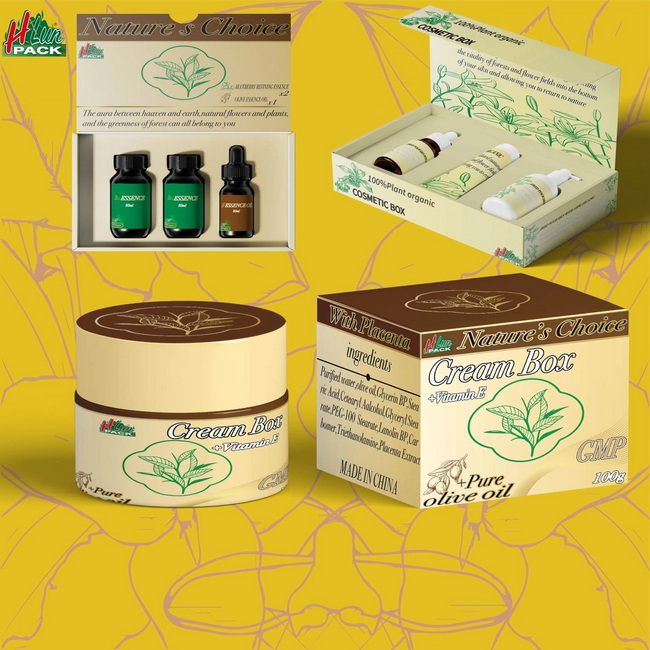
The most important element is a clear visual hierarchy that instantly communicates product type, key benefit, and brand identity without overwhelming the shopper. When these priorities are obvious at a glance, customers can decide quickly and confidently.
Focus on thicker or rigid materials, refined finishes, and simplicity. Use soft-touch coatings, foil stamping, and well-designed inserts while keeping the layout clean with a strong emphasis on your logo and hero claim.
Effective sustainable options include kraft paperboard boxes, post-consumer recycled materials, refill systems, and designs that avoid unnecessary plastic or complex mixed materials. Clear recycling instructions further support environmentally conscious customers.
Start with functional needs, such as protection, usability, and regulatory space, and then layer in visual design. Test prototypes with real users to confirm that opening, dispensing, and storing the product remain simple and intuitive.
A packaging specialist brings technical knowledge of materials, machinery, structural engineering, and regulations that typical in-house teams may not have. This expertise helps you create designs that are beautiful, compliant, cost-effective, and scalable in real production environments.
1. https://pakfactory.com/blog/design-tips-cosmetic-packaging/
2. https://pakfactory.com/blog/
3. https://www.zdpackagingbox.com/10-best-cosmetic-packaging-design-ideas/
4. https://www.cadcrowd.com/blog/effective-cosmetic-packaging-design-tips-for-new-cosmetic-products-companies-firms/
5. https://fortissolutionsgroup.com/2024/08/07/cosmetic-packaging-design-tips-how-to-make-your-product-stand-out-on-the-shelf/
6. https://print247.us/post/tips-to-keep-in-mind-when-choosing-cosmetic-packaging-design
7. https://pakfactory.com/blog/how-to-design-packaging-for-a-new-product/
8. https://oliverinc.com/blog/avoid-these-mistakes-when-designing-cosmetic-packaging/


