


close
Choose Your Site
Global
Social Media
Views: 222 Author: Amanda Publish Time: 2026-02-04 Origin: Site


Content Menu
● What Is a Box Structure and Why It Matters
● Primary Packaging Materials and When to Use Them
>> Paperboard (Folding Carton)
● Core Folding Carton Box Structures (Retail Packaging)
>> Straight Tuck End (STE) Boxes
>> Reverse Tuck End (RTE) Boxes
>> Tuck End Auto-Bottom (Auto-Lock Bottom) Boxes
● Corrugated Box Structures for Shipping and E-commerce
>> Common Shipping Carton Styles
>> Mailer and Subscription Box Styles
● Premium Rigid and Specialty Box Structures
>> Book-Style (Magnetic Closure) Boxes
>> Collapsible and One-Piece Rigid Boxes
● Matching Box Structure to Product and Use Case
>> 2. Sales Channel and Retail vs E-commerce
>> 3. Brand Positioning and Unboxing Experience
● Practical Box Structure Comparison
● Structural Design, Dielines, and Templates
● Transport, Shipping, and Storage Considerations
● How to Choose Your Box Structure Step by Step
● Expert Insights: Balancing Cost, Performance, and Brand
● Turn Your Box Structure Strategy into a Complete Packaging Solution
● Frequently Asked Questions (FAQ)
>> 1. What is the most cost-effective box structure for retail products?
>> 2. When should I choose an auto-bottom or auto-lock box?
>> 3. What is the difference between a dieline and a box template?
>> 4. Are corrugated mailer boxes suitable for retail shelves?
>> 5. How do I test whether my chosen box structure is strong enough?
Selecting the right box structure is one of the most important decisions in your packaging strategy. It affects product protection, branding, logistics efficiency, and overall customer experience.
This guide walks you through the major box structures, how to match them to your product and supply chain, and what to consider from both an engineering and marketing perspective, so you can brief structural designers or packaging suppliers with confidence.

A box structure is the structural design of your packaging: its shape, panels, closures, flaps, and locking mechanisms defined on a dieline or box template. It determines how the box is cut, folded, glued, and how it performs during handling, shipping, and unboxing.
Key reasons box structure matters:
- Product protection: Correct structures prevent breakage, leaking, or deformation.
- Brand perception: Premium structures, such as rigid drawer or book-style boxes, elevate perceived value.
- Assembly efficiency: Auto-lock structures and well-designed flaps reduce packing labor.
- Shipping cost: Optimized dimensions and strength reduce damage and dimensional weight.
- Sustainability: Smart structures can reduce material use and eliminate plastic void fill.
Paperboard, also called folding carton, is a lightweight, cost-effective option widely used for cosmetics, pharmaceuticals, food, and fast-moving consumer goods.
Key characteristics:
- Best for: Lightweight to medium-weight products, such as skincare, supplements, and small electronics accessories.
- Pros: Highly printable, flexible structures, compatible with high-speed automatic folding and gluing lines.
- Cons: Limited stacking strength and impact resistance compared to corrugated or rigid.
Corrugated boxes combine linerboards with a fluted medium, creating a strong structure for shipping and e-commerce.
- Best for: Shipping cartons, mailer boxes, subscription boxes, heavier or fragile items.
- Pros: Excellent stacking strength, impact resistance, good for direct-to-consumer shipments.
- Cons: Bulkier appearance than slim folding cartons; graphics can be less refined unless using high-quality printing.
Rigid boxes use thick cardboard, often called chipboard, wrapped with printed paper, and are widely used for luxury products.
- Best for: Premium cosmetics, electronics, gift sets, and luxury items.
- Pros: High perceived value, strong structure, ideal for premium unboxing experiences.
- Cons: Higher cost, higher storage volume, usually less flat-packed.
Straight tuck end boxes have both the top and bottom tuck flaps on the same side of the box.
- Ideal for: Products needing a front display window, such as cosmetics or small electronics.
- Pros: Clean front panel, easy to open and close, suitable for automatic or manual assembly.
- UX benefit: Large uninterrupted front panel for branding and windows supports high shelf impact.
Reverse tuck end boxes have the top and bottom flaps on opposite sides.
- Ideal for: Similar applications as STE but with slightly different opening behavior.
- Pros: Efficient material usage, easy to pack, simple to differentiate from competitors through subtle structural variation.
- Brand angle: Changing from STE to RTE can create a slightly different unboxing flow without a major cost increase.
Auto-bottom, or auto-lock bottom cartons, use a pre-glued bottom that locks instantly when you pop the box open.
- Ideal for: Heavier products like perfumes, bottles, and small devices that need a stronger base.
- Pros: Faster assembly, no extra tape or glue, stronger bottom support.
- Operational gain: Significant labor savings on packing lines with repetitive SKUs.
Corrugated styles are the backbone of protective and e-commerce packaging.
- Regular Slotted Container (RSC): All flaps have the same length, and outer flaps meet at the center. This is the most common and efficient style for many applications.
- Half Slotted Container (HSC): Similar to RSC but open on top; often used with a separate tray or lid.
- Full Overlap Slotted Container (FOL): Outer flaps fully overlap, adding extra cushioning and stacking strength.
These structures offer different levels of protection and material usage, making them easy to adapt to product weight and shipping abuse levels.
Modern brands often use corrugated mailer boxes, such as roll-end front tuck or front lock mailers, for direct-to-consumer shipments.
- Ideal for: E-commerce subscription boxes, influencer kits, and retail-to-doorstep experiences.
- Pros: Built-in locking system, no extra tape, printable inside and outside for storytelling.
- UX angle: The box itself becomes part of your unboxing marketing asset.
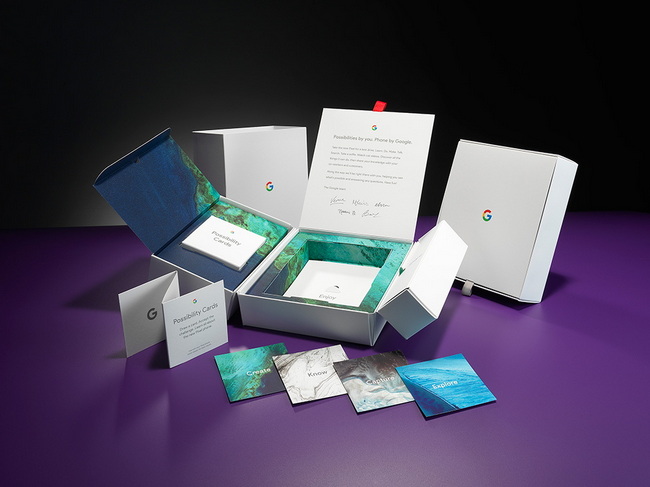
Book-style boxes open like a book, with a lid, spine, and tray zone.
- Best for: High-end electronics, cosmetic sets, and gift collections.
- Pros: Luxurious unboxing, large internal tray options, space for accessories or inserts.
- Engineering note: The spine width and hinge crease spacing must be calculated for smooth opening and to prevent board cracking.
Drawer boxes use an outer sleeve and inner tray that slides out like a drawer.
- Best for: Jewelry, gadgets, and premium small items.
- Pros: Strong structure, memorable sliding motion, excellent for inserts and layered presentations.
Some rigid structures are designed to collapse flat during shipping and be assembled at the destination, or to be made from one piece.
- Benefits: Lower shipping volume, fewer parts, strong structure, and cleaner assembly.
- Use case: Global brands shipping empty premium packaging to multiple fulfillment centers.

Use this section when briefing your structural designer or supplier. Think in three dimensions: product, logistics, and brand.
- Lightweight items, such as soaps, serums, and sachets, often work best with straight tuck end or reverse tuck end folding cartons.
- Medium weight products, such as candles and glass jars, are better suited to auto-bottom folding cartons or corrugated mailers.
- Heavy or fragile products, such as glassware and electronics, typically require rigid boxes, double-wall corrugated boxes, or mailers with inserts.
For example, many skincare brands use compact corrugated boxes with molded paper pulp partitions for glass jar products to keep everything protected while aligning with sustainability goals.
- Retail shelf focus: Straight tuck or reverse tuck folding cartons with windows for visibility.
- E-commerce only: Corrugated mailer boxes or RSC shipping cartons with internal protection.
- Omnichannel brands: Often use a combination, with one structure for the shelf and another for shipping.
- Mass market: Standardized structures, such as straight tuck end, reverse tuck end, and regular slotted containers, keep costs predictable and protect products.
- Premium: Rigid book-style, magnetic closure, or drawer boxes create memorable unboxing experiences.
- Sustainability-driven: Right-sized corrugated mailers and molded paper inserts help eliminate plastics and void fill.
Box structure type | Typical material | Best for | Key advantages |
Straight tuck end (STE) carton | Paperboard | Retail cosmetics, small electronics | Clean front panel, window options, easy automated assembly. |
Reverse tuck end (RTE) carton | Paperboard | Retail cartons with cost focus | Efficient board usage, simple structure, easy to pack. |
Auto-bottom / auto-lock carton | Paperboard | Heavier retail items | Stronger base, faster assembly, no tape for bottom. |
RSC shipping carton | Corrugated | General shipping and warehousing | Very common, cost-efficient, good stacking strength. |
FOL / heavy-duty corrugated box | Corrugated | Heavy or high-abuse shipments | Overlapping flaps add cushioning and strength. |
Corrugated mailer box | Corrugated | E-commerce, subscription boxes | No tape required, highly printable, gifting-friendly unboxing. |
Rigid book-style box | Rigid board | Luxury electronics, gift sets | Premium look and feel, strong structure, magnetic closure option. |
Rigid drawer (slide) box | Rigid board | Jewelry, premium gadgets | Memorable sliding motion, strong tray and sleeve. |
Behind every good box structure is an accurate dieline or box template.
A professional dieline defines:
- Cut lines, fold lines, and crease lines.
- Glue areas and locking mechanisms.
- Flaps, tuck panels, and bottom constructions.
- Safety margins and bleed for printing.
For folding cartons, expect four main body panels, top and bottom closure flaps, and a glue tab on the side. For rigid and book-style boxes, the template must precisely define the lid, spine, tray, and wrapping turn-ins.
- Misaligned cut lines can cause tearing and poor folding.
- Incorrect spine width on book-style boxes leads to cracking or difficulty closing.
- Poorly designed glue areas can weaken structural integrity.
Your box structure must perform across the whole supply chain, not just on the shelf.
Key factors:
- Durability: Thin, non-reinforced structures limit your transport options and increase the risk of product damage.
- Stacking strength: Shipping cartons, such as RSC and FOL, are engineered for pallet stacking.
- Assembly speed: Auto-lock bottoms and well-designed flaps reduce labor costs.
- Storage space: Folding cartons and corrugated mailers ship and store flat, while many rigid boxes occupy more volume.
- Budget and product value: Investing slightly more in structure can significantly reduce returns and breakage.
Use this practical checklist when working with HLun Pack or any packaging partner.
- Define your product requirements
Consider weight, fragility, dimensions, and required orientation in the box.
- Clarify your channels and logistics
Identify whether the primary channel is retail, e-commerce, B2B, or a mix, and consider palletization and shipping methods.
- Set your brand and unboxing goals
Decide on your positioning, such as mass-market or premium, and define the desired unboxing moments, such as reveals and layered inserts.
- Choose material category first
Use paperboard for lightweight retail products, corrugated for shipping or heavier items, and rigid for luxury applications.
- Select a base box structure
Choose from structures such as straight tuck end, reverse tuck end, auto-bottom, RSC, mailer, book-style, or drawer, based on the previous steps.
- Plan inserts and internal protection
Add paperboard dividers, corrugated inserts, molded pulp, or alternative protective materials as needed.
- Validate with prototypes and testing
Use physical samples, drop tests, stacking tests, and small pilot runs to confirm performance.
- Optimize for cost and sustainability
Adjust dimensions, reduce material layers where possible, and align the structure with your recyclability and sustainability targets.
Industry experience shows that standardized box structures paired with smart graphic design often outperform highly experimental shapes in cost, stability, and scalability.
Practical insights:
- Upgrading to a better-quality board and more efficient structure can save labor and reduce damage, even if unit cost is slightly higher.
- Adding a sleeve around a simpler base box can increase perceived value and branding surface without changing the core structure.
- Collapsible rigid or hybrid structures can deliver a premium feel while controlling shipping volume and cost.
- Align structure with your sustainability story, for example using corrugated mailers and paper-based inserts instead of plastic void fill.
Choosing the right box structure is only the first step. Optimizing it for materials, machinery, and your full packaging system is where real business value is created.
If you want expert support on structural design, packaging machinery integration, and end-to-end packaging optimization, contact HLun Pack to discuss your products, workflow, and goals. Our engineering and packaging specialists can help you select, test, and implement the ideal box structures for safe transport, efficient packing, and memorable customer experiences. Reach out today to start building a smarter, more profitable packaging solution.
Contact us to get more information!
For many lightweight retail products, straight tuck end or reverse tuck end folding cartons are the most cost-effective options because they use material efficiently and work on automatic packing lines.
Choose auto-bottom boxes for heavier items or when you need to speed up assembly, as the pre-glued base locks instantly and offers stronger support than standard tuck bottoms.
A dieline is the technical outline defining cut, fold, and glue areas for die-cutting and assembly, while a box template may also include artwork placement and print guidelines for designers.
Yes, many brands use printed corrugated mailers both as shipping containers and as shelf-ready or giftable packaging, especially for subscription and direct-to-consumer products.
Run practical tests such as drop tests, compression and stacking tests, and real-world shipping trials on prototypes before full rollout to confirm strength, durability, and product fit.
1. https://pakfactory.com/blog/choosing-your-box-structure/
2. https://pakfactory.com/blog/learn/choosing-the-right-packaging-materials/
3. https://www.packagingcorp.com/resource-hub/beyond-the-box/basic-box-styles/
4. https://www.designnbuy.com/blog/what-is-dieline-packaging/
5. https://gentlever.com/types-of-boxes-styles-structures/


