


close
Choose Your Site
Global
Social Media
Views: 222 Author: Amanda Publish Time: 2026-02-03 Origin: Site


Content Menu
● What Is Sustainable Packaging Today?
● Why Sustainable Packaging Matters in 2026
● 1. Mushroom Packaging (Mycelium): High-Performance Protection with Minimal Footprint
● 2. Seaweed-Based Packaging: From Plastic Film to Edible Pods
>> Key Benefits
● 3. Recycled Paper Pulp and Agro-Fiber: Scaling the Circular Economy
>> Key Benefits
● 4. Reusable Packaging Systems: From Pilot Projects to Scalable Loops
>> Benefits of Reusable Systems
>> How HLun Pack Can Support Reuse
● 5. Multipurpose and Transformable Packaging: Design for Multiple Lives
>> Benefits
● 6. Flat-Packed Rigid Boxes: Luxury Without the Logistics Burden
>> How Flat-Packed Rigid Boxes Work
>> Benefits
● 7. Carbon-Labelled Packaging: Making Emissions Visible
>> Why Carbon Labelling Matters
● 8. Certified Sustainable Packaging: From Claims to Verified Proof
● 9. 2026 Sustainable Packaging Trends Brands Cannot Ignore
● 10. Step-by-Step Roadmap to Implement Sustainable Packaging with HLun Pack
>> Step 1 – Audit Your Current Packaging Portfolio
>> Step 2 – Prioritize High-Impact Opportunities
>> Step 3 – Co-Develop New Structures and Materials
>> Step 4 – Integrate Data and Communication
>> Step 5 – Scale and Optimize
● 11. How a Packaging Machinery Partner Multiplies Sustainability ROI
● Take Action with HLun Pack Today
● FAQ: Sustainable Packaging and HLun Pack
>> Q1. What is the fastest way to make my packaging more sustainable?
>> Q2. Are mycelium and seaweed packaging scalable for mass production?
>> Q3. Do consumers really read carbon labels?
>> Q4. How can HLun Pack support my ESG and compliance goals?
>> Q5. Will sustainable packaging always cost more?
As brands race to meet stricter regulations and rising consumer expectations, sustainable packaging has shifted from a “nice-to-have” to a core business strategy that directly impacts cost, compliance, and customer loyalty. This guide updates and expands the classic “8 ways” framework with 2026 trends, practical steps, and implementation tips from a packaging manufacturer and machinery partner perspective (HLun Pack), so you can turn sustainability into a measurable competitive advantage.

Modern sustainable packaging is not just about using recyclable materials; it is about optimizing the full lifecycle of packaging from raw material sourcing to end-of-life recovery. In 2026, brands are expected to design packaging that is recyclable, reusable, or compostable, and to document its carbon footprint for regulators and consumers.
Key characteristics of high-impact sustainable packaging:
- Lower total carbon footprint across the lifecycle (materials, production, transport, end-of-life).
- Designed for recyclability, compostability, or reuse within existing infrastructure.
- Uses renewable, recycled, or bio-based feedstocks wherever feasible.
- Supported by clear communication such as carbon labels or third-party certifications.
For manufacturers and converters like HLun Pack, this shift also means aligning packaging machines, materials, and system design with global ESG targets, tighter 2026 regulations, and local compliance requirements.
Consumer expectations and regulations are tightening simultaneously, making sustainable packaging a strategic necessity rather than a marketing add-on. Brands that react slowly face higher compliance risk and shrinking shelf appeal, while early movers gain pricing power, loyalty, and easier market access.
Key 2026 dynamics you must plan for:
- Regulation pressure: New rules in key markets, including stricter extended producer responsibility schemes and upcoming bans on certain chemicals and single-use formats, reward recyclable and low-impact packaging.
- Consumer demand: Buyers care about sustainable packaging but still expect convenience and affordability, so designs must perform as well as they protect the planet.
- Retail and brand targets: Many global brands are under pressure to hit 2025–2030 packaging milestones, pushing more specific sustainability requirements upstream to packaging suppliers.
Mushroom (mycelium) packaging uses fungal root structures to bind agricultural waste into durable, foam-like shapes that can replace EPS and other foams. It is fully compostable, requires little energy to grow, and offers effective cushioning and insulation for fragile products.
- Agricultural residues such as corn husks, straw, or wood chips are cleaned and placed into a mold.
- Mycelium is introduced, grows through the substrate, and binds it into a solid form within several days.
- The piece is then dried or heat-treated to stop growth and stabilize the structure.
- 100% compostable and biodegradable with no persistent microplastics.
- Grown at low temperatures with minimal external energy, lowering embodied carbon.
- Custom-moldable, lightweight, and protective enough to replace traditional foams in many use cases.
- Start with high-value, fragile SKUs (electronics, cosmetics gift sets, specialty food and beverage) to justify higher unit costs.
- Validate drop, compression, and moisture performance on your current filling and case-packing lines.
- Collaborate with HLun Pack to design tailored mycelium inserts and integrate them with automated or semi-automated packing processes.
Seaweed-based materials turn kelp and brown algae into films, pods, and containers that can be edible, dissolvable, or fully biodegradable. These materials are particularly promising for foodservice, on-the-go beverages, sauces, and single-serve condiments.
- Seaweed is harvested, and alginate polymers are extracted and mixed with water and natural additives.
- The mixture is cast or molded into films, capsules, or rigid forms.
- The packaging is dried or cured to achieve the required mechanical strength and barrier performance.
- Uses an abundant, rapidly growing marine resource that does not need freshwater or farmland.
- Eliminates conventional plastics in specific use cases such as sachets and liners.
- Can be edible or water-soluble for certain applications, reducing post-consumer waste.
- Check compatibility with existing filling and sealing equipment.
- Conduct regulatory assessment for food-contact and labeling per market.
- Work with HLun Pack to test seal integrity, machinability, and throughput on seaweed films using modified form-fill-seal or flow-wrap systems.
Molded pulp from recycled paper and agricultural residues is moving from low-end trays to beautifully designed, premium-feeling packaging. Enhanced formulations with natural binders now deliver stronger, more water-resistant parts that can rival plastics in many protective applications.
- Post-consumer paper or agro-waste fibers are pulped with water and cleaned.
- The slurry is vacuum-formed into molds, pressed, and dried to create rigid shells, trays, and inserts.
- Diverts paper and agricultural waste from landfills and incineration, reinforcing a circular system.
- Fully recyclable and often home-compostable, depending on coatings and additives.
- Highly customizable forms that work well with both manual and automated packing lines.
For manufacturers, this category aligns well with high-speed machinery, as pulp parts can be robotically placed into cartons or integrated into automated packing cells.
Material type | End-of-life route | Typical use cases | Key advantage for brands |
Mycelium foam | Composting | Electronics, fragile goods | High protection, low energy to produce |
Seaweed film | Biodegradation or dissolution | Food pods, sachets, liners | Plastic-free and can be edible |
Molded pulp | Recycling or composting | Inserts, trays, luxury interiors | Circular fiber use with premium look and feel |
Reusable packaging is rapidly moving from niche experiments to mainstream programs in food, personal care, and e-commerce. In these systems, durable containers circulate through washing and refill cycles instead of becoming waste after a single use.
- Products are sold in robust containers (glass, metal, rigid plastic) designed for multiple reuse cycles.
- Consumers return empty containers via collection points, pickup services, or in-store return schemes.
- Containers are washed, inspected, and refilled before going back into circulation.
- Drastically reduce single-use packaging per use cycle.
- Build closer customer relationships and brand loyalty through subscription and deposit schemes.
- Help brands hit reuse targets embedded in tightening 2026 and upcoming regulations.
- Design return-ready containers that withstand mechanical washing and automated handling.
- Engineer filling and capping lines optimized for reusable formats, including de-labeling and quality inspection modules.
- Integrate tracking technologies or coding to connect containers with digital systems.
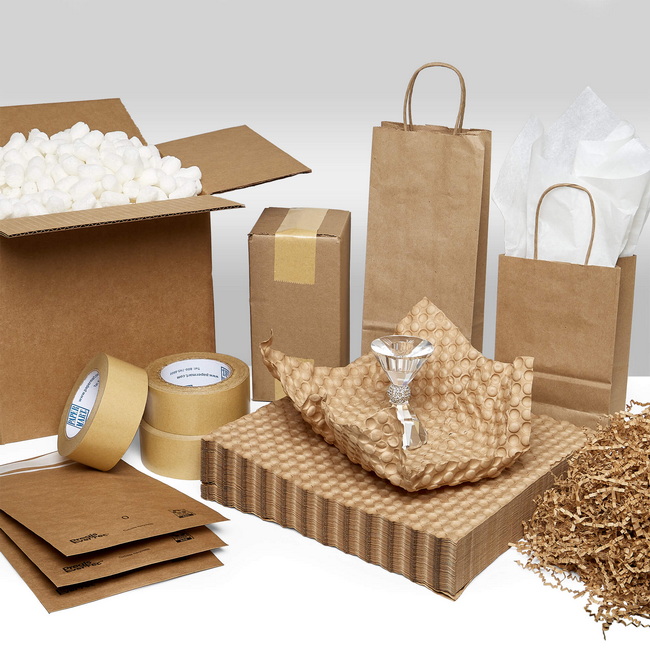
Multipurpose packaging extends the life and value of each unit by giving it a second function beyond protecting the product. A box might become a display, organizer, toy, or decor item, reducing the need for additional materials for consumers and retailers.
- Use durable substrates and smart die-cuts or creases to enable simple transformation.
- Make conversion intuitive with printed guides, QR tutorials, or icons.
- Align the secondary function with your brand story, such as storage, play, or education.
- Reduces disposable items and makes unboxing memorable, increasing shareability and user-generated content.
- Reduces the need for separate POS materials when boxes fold into displays.
- Encourages customers to keep your packaging in use rather than sending it to waste streams.
As a packaging solutions provider, HLun Pack can co-develop flat-pack structures that convert into retail displays, storage boxes, or simple furniture, then tune machinery for accurate creasing and gluing.
Rigid boxes are beloved for their premium feel but historically criticized for high volume in storage and shipping. Flat-packed rigid formats solve this by allowing boxes to be shipped and stored flat, then assembled at packing or retail sites.
- Rigid boards are engineered with special joints, hinges, and adhesive areas that allow flat shipment.
- At the packing line or in-store, boxes are “popped up” into shape using pre-applied magnets, tapes, or locking structures.
- Reduce shipping volume and related emissions while preserving a high-end look.
- Ease warehouse constraints, especially for seasonal and promotional campaigns.
- Remain compatible with semi-automated erecting and packing systems to maintain throughput.
HLun Pack can supply collapsible rigid designs optimized for your SKUs and adapt packaging machinery to handle flat-to-erect workflows efficiently.
Carbon labelling involves printing or displaying the verified climate footprint of a product or its packaging, typically measured as kilograms of CO2-equivalent per unit. This helps consumers compare products and pushes brands to continuously improve their environmental performance.
- A lifecycle assessment model calculates emissions from sourcing, production, transport, use, and end-of-life.
- Results are independently verified or generated from recognized tools and then translated into on-pack information.
- Labels can show absolute values, comparative scores, or traffic-light style ratings.
- Builds trust by providing transparent, standardized climate information.
- Encourages internal teams to prioritize lower-emission materials and formats.
- Helps brands align with evolving disclosure rules and retailer requirements in 2026 and beyond.
HLun Pack can support by standardizing data around material choices, pack weights, and design options to feed into your lifecycle assessments and by adjusting artwork and printing workflows for carbon labels.
Sustainability certifications turn broad claims into credible, third-party-backed commitments. Examples include FSC for responsibly managed forests and Cradle to Cradle for circular, safe products designed for perpetual cycles.
- FSC-certified board or paper: verifies that fiber materials come from responsibly managed forests.
- Cradle to Cradle certification: assesses material health, recyclability or reuse, renewable energy use, water stewardship, and social fairness.
- Provide a recognizable shorthand for buyers, retailers, and procurement teams.
- Encourage better design choices across substrates, coatings, inks, and adhesives.
- Position brands and suppliers ahead of regulatory curves and retailer scorecards.
HLun Pack can help you select certified substrates and inks and standardize documentation so your packaging lines consistently meet the requirements of FSC, Cradle to Cradle, or other schemes.
To go beyond the original eight strategies, it is essential to connect them to macro trends shaping packaging decisions in 2026. These trends influence both design decisions and machinery investments.
Top trends influencing design and operations in 2026:
- Mono-material design: simplifying packs to one primary material (such as mono-PE films or all-paper systems) to improve recycling rates and align with new design-for-recycling standards.
- Bio-based and recycled content: scaled adoption of bio-based polymers and high-recycled-content fibers to cut fossil dependency and meet recycled-content requirements.
- Standardization and reuse: shift towards standardized container formats and reusable pools to ease logistics, support deposit-return systems, and comply with reuse targets.
- Data and traceability: growing role of digital watermarks, QR codes, and data-backed labels to connect physical packs with digital product passports and regulatory reporting.
HLun Pack can align machinery, materials, and structural design with these trends so you do not have to choose between compliance, efficiency, and brand experience.
To turn ideas into action, brands need a clear, practical roadmap that links strategy with packaging lines, materials, and budgets. The following step-by-step approach can guide your transition.
- Map SKUs, materials, pack formats, and weights across your range.
- Identify high-volume items and “problem packs” that use mixed materials or are difficult to recycle.
- Target combinations of high volume, high waste, and high visibility.
- Choose a mix of quick wins (such as switching to certified board) and long-term projects (such as full reuse systems).
- Work with HLun Pack to prototype mycelium inserts, molded pulp interiors, or flat-pack rigid boxes.
- Validate performance on your existing or planned machinery, including forming, erecting, filling, sealing, and palletizing.
- Capture pack specifications, materials, and weights to feed into lifecycle assessments and sustainability reports.
- Plan carbon labels, certifications, and on-pack messaging to educate consumers and retail partners.
- Roll out the best-performing solutions across regions and SKUs with clear internal guidelines.
- Monitor costs, material usage, line efficiency, and customer feedback, then iterate designs regularly.
Sustainable design alone is not enough if it slows production lines or raises total system costs. The greatest value emerges when structural innovation, materials, and machinery are developed together.
Working with HLun Pack as an integrated packaging materials and machinery partner can help you:
- Optimize throughput by ensuring new materials run smoothly at target speeds on form-fill-seal, cartoning, and case-packing lines.
- Reduce waste in production by fine-tuning cutting, gluing, and forming processes to minimize offcuts and defects.
- Future-proof formats by designing modular lines that can handle both current and next-generation materials, such as mycelium inserts or mono-material films.
This integrated approach turns sustainability from a cost center into a driver of operational efficiency and brand growth.
As 2026 brings tougher regulations, rising material costs, and higher consumer expectations, the brands that win will be those that modernize their packaging systems early. Now is the ideal time to align materials, structural design, and machinery before new rules and market pressures limit your options.
With experience in both packaging materials and packaging equipment, HLun Pack can guide your team from concept to scaled production. Whether you want to explore mycelium or molded pulp inserts, test new bio-based films, roll out reusable systems, or implement carbon-labelled and certified packaging, our engineers and packaging experts can help you build solutions that are sustainable, scalable, and production-ready from day one.
Contact HLun Pack now to schedule a consultation, audit your current packaging portfolio, and design a 2026-ready sustainable packaging roadmap that reduces your environmental impact while strengthening your brand and your bottom line.
Contact us to get more information!
A1. The fastest way is to start by switching to certified, recyclable materials such as responsibly sourced paperboard or high-recycled-content substrates on your highest-volume SKUs, then optimize formats to remove unnecessary components and layers.
A2. Both categories are moving from pilot to scale, especially in protective packaging and food-service applications. They work best when carefully integrated with existing machinery and targeted to specific use cases where their properties add clear value.
A3. Many consumers, particularly younger and sustainability-conscious buyers, do pay attention to carbon labels and other environmental information. Transparent climate data can positively influence purchasing decisions and enhance perceived brand trustworthiness.
A4. HLun Pack can help you select compliant materials, redesign structures for recyclability or reuse, and configure packaging machinery to reduce waste and energy consumption on your lines, all of which directly support your ESG metrics and compliance requirements.
A5. Some advanced sustainable materials may carry a price premium, but smart design and machinery optimization can reduce total system costs. By lowering material use, cutting production waste, and consolidating SKUs and pack formats, brands can often offset or even exceed material cost increases.
1. https://sustainablepackaging.org/2025-sustainable-packaging-trends-report/
2. https://www.cdf1.com/midyear-review-the-state-of-sustainable-packaging-and-whats-gaining-momentum-in-2025/
3. https://www.ifco.com/top-6-sustainable-packaging-trends-for-2025/
4. https://www.mckinsey.com/industries/packaging-and-paper/our-insights/sustainability-in-packaging-2025-inside-the-minds-of-global-consumers
5. https://www.grown.bio/protective-packaging/
6. https://ion2.upm.edu.my/article/mushrooms_in_packaging_a_sustainable_symphony_from_myco_materials_to_food_packaging-77686
7. https://www.packnode.org/en/sustainability/mushroom-packaging-sustainable-alternative
8. https://www.innovamarketinsights.com/trends/top-packaging-trends-2025/
9. https://www.oatly.com/oatly-who/sustainability-plan/sustainability-report
10. https://www.theconsumergoodsforum.com/race-to-zero-hub-resources/quorn-unveils-carbon-footprint-labelling-on-product-packaging/
11. https://www.greenqueen.com.hk/oatly-calls-for-mandatory-carbon-labelling-offers-big-dairy-free-ad-space-to-publish-climate-footprint/
12. https://www.boxon.com/knowledge/the-boxon-blog/trends-in-packaging-2025/
13. https://www.dhl.com/discover/en-global/logistics-advice/sustainability-and-green-logistics/sustainable-packaging-trends
14. https://www.gwp.co.uk/guides/2026-packaging-trends/
15. https://www.packaging-gateway.com/features/packaging-trends-shaping-2026-and-beyond/
16. https://environment.ec.europa.eu/topics/waste-and-recycling/packaging-waste/packaging-packaging-waste-regulation_en
17. https://www.ecoenclose.com/blog/sustainable-packaging-trends-for-2026
18. https://logfret.com/packaging-rules-tighten-in-2026-as-sustainability-and-compliance-take-centre-stage/
19. https://www.amcor.com/insights/blogs/eu-regulatory-outlook-2026


