


close
Choose Your Site
Global
Social Media
Views: 222 Author: Amanda Publish Time: 2026-01-21 Origin: Site


Content Menu
● What Are Clothing Packaging Ideas?
● Eco-Friendly Clothing Packaging
● Multipurpose & Reusable Packaging
● Hand-Drawn Artwork & Illustrated Packaging
● Custom Stamps & Low-Cost Personalization
● Minimalist Clothing Packaging
● Limited-Edition & Seasonal Packaging
● Transparent Window Packaging
● Personalized Inserts & Thank-You Cards
● Unboxing Experience & Interior Details
● Smart & Interactive Packaging (QR, AR & Digital)
● Data-Driven Packaging Choices for Clothing Brands
● Clothing Packaging Idea Comparison Table
● How a Professional Packaging Partner Can Help
● Clear Call to Action: Upgrade Your Clothing Packaging Now
● FAQs About Clothing Packaging Ideas
>> 1. What is the best packaging for online clothing brands?
>> 2. How can a small clothing brand afford eco-friendly packaging?
>> 3. Does packaging really affect customer loyalty?
>> 4. What packaging is best for bulk or international shipments of clothing?
>> 5. How can smart packaging (QR or AR) help clothing brands?
Clothing packaging is no longer just about protection; smart, branded clothing packaging ideas now drive unboxing excitement, sustainability, and repeat sales for fashion brands of all sizes. By combining creative design with practical materials and production-friendly structures, clothing brands can upgrade packaging while controlling cost and improving logistics efficiency.
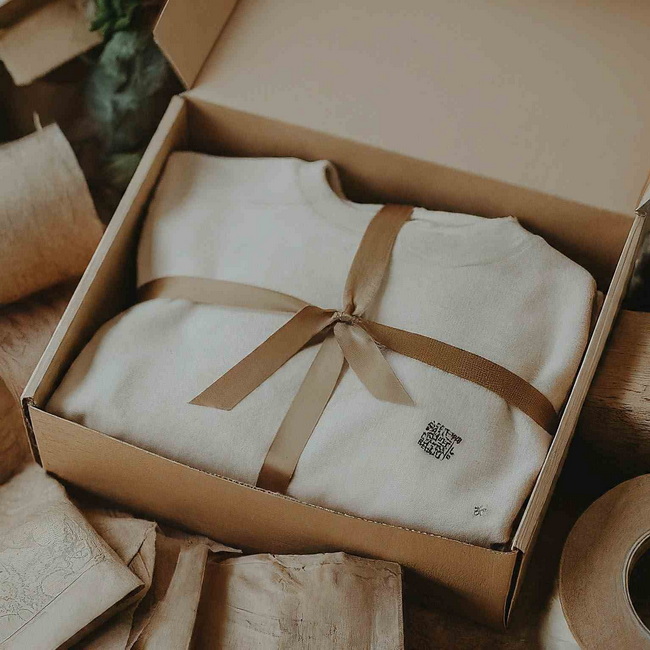
Clothing packaging ideas are strategic ways to design, structure, and decorate apparel packaging so it protects products, tells your brand story, and delights customers at every touchpoint. These ideas cover materials (paper, poly, textiles), printing, inserts, and even digital elements like QR codes that extend the experience online.
Good clothing packaging should:
- Protect garments from moisture, dirt, and damage during storage and shipping.
- Communicate your brand's positioning, such as luxury, eco-friendly, or streetwear.
- Deliver a memorable unboxing moment that customers want to share on social media.
Below are 11 powerful clothing packaging ideas, expanded and updated to reflect current trends and best practices.
Today's fashion consumers increasingly expect eco-friendly clothing packaging that reduces waste and uses responsible materials. Sustainable solutions also help brands differentiate, comply with new regulations, and improve lifecycle impact across the supply chain.
Practical options include:
- Recycled or FSC-certified cardboard boxes and hangers.
- Compostable or biodegradable garment bags and mailers made from plant-based films.
- Water-based or soy-based inks and minimal coating to improve recyclability.
For brands working with professional packaging factories and machinery suppliers, this is also an opportunity to highlight eco-material sourcing, clean printing lines, and waste-reduction engineering in packaging solutions.
Multipurpose packaging turns a simple protective shell into a useful item that customers keep using, extending brand exposure and reducing single-use waste. When a mailer becomes a storage box or a bag becomes a tote, the packaging itself becomes part of the product value.
Examples that work well:
- Reusable drawstring bags or cotton pouches that double as tote bags or shoe bags.
- Collapsible storage boxes used in wardrobes, under-bed storage, or travel organization.
- Garment boxes that fold into hangers or organizers, suitable for shirts and knitwear.
This approach aligns perfectly with sustainability strategies and can be efficiently produced using optimized die-cutting and folding machinery from professional packaging solution providers.
Hand-drawn artwork gives packaging a personal, artistic feel that suits boutique, vintage, and indie clothing brands. Unique illustration styles help small brands stand out against mass-market packaging, especially in e-commerce unboxing videos.
Consider:
- Custom illustrated patterns on tissue paper, sleeves, and interior box panels.
- Hand-sketched brand characters or story panels showing how to style outfits.
- Minimal line-art combined with kraft board for a crafted, sustainable aesthetic.
For scalable production, brands often convert original artwork into high-resolution vector files that can be printed via flexographic or digital presses, balancing cost and detail.
Custom rubber stamps offer a budget-friendly way to personalize clothing packaging at small and medium volumes. They are ideal for brands that want a handmade or DIY look without investing in fully custom-printed boxes at every size.
Useful applications:
- Stamping logos, slogans, or care icons on kraft mailer bags and cardboard boxes.
- Combining neutral base packaging with seasonal stamp designs to refresh visuals quickly.
- Applying stamps to hang tags, thank-you cards, and tissue paper to create a cohesive look.
This approach works especially well for brands that pack orders manually and want to keep MOQs and inventory complexity low while still offering customization.
Minimalist packaging emphasizes clean lines, simple typography, and limited color palettes, letting the garment and brand positioning speak for themselves. Many premium, direct-to-consumer labels use minimalist packaging to signal quality and reduce visual clutter.
Effective minimalist elements:
- Solid-color boxes or bags with a discreet logo and plenty of white space.
- Simple, uncoated paper stocks with one or two ink colors for better recyclability.
- Slim, readable typography that looks modern across boxes, mailers, and hang tags.
Minimalist designs usually use fewer materials, lowering both material cost and environmental impact, while aligning with the current “less but better” packaging trend.
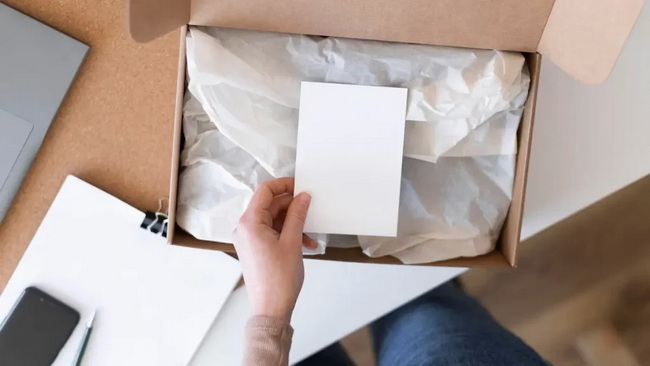
Limited-edition packaging taps into scarcity and collectability, driving excitement, urgency, and repeat orders around launches or festive seasons. It also creates content for social media campaigns that focus on special drops and collaborations.
Ways to use this idea:
- Seasonal box artwork for holidays, local festivals, or brand anniversaries.
- Collaborations with artists or influencers who design unique sleeves, stickers, or prints.
- Numbered or “limited” labels inside boxes and on certificates of authenticity.
With the right packaging machinery and dieline planning, brands can swap outer sleeves or labels while keeping inner structures standard, controlling cost while changing visuals.
Transparent windows give customers a sneak peek of the garment's color, texture, or pattern before opening, which builds trust and reduces returns. This is especially effective for shirts, socks, underwear, and kids' clothing that customers like to see immediately.
Consider:
- Cut-out windows covered with recyclable clear film or cellulose-based windows.
- Die-cut shapes that echo your logo or brand symbol, adding design interest.
- Structural designs that protect delicate fabrics while still showing key details.
Transparent packaging can be engineered to run smoothly on automatic carton forming and filling lines, balancing visibility with throughput for high-volume clothing brands.
Personalized cards and inserts make each parcel feel like a gift instead of a generic shipment, strengthening customer loyalty. Even a short message can create emotional connection and encourage reviews or repeat purchases.
Useful insert types:
- Handwritten or digitally printed thank-you notes with the customer's name where possible.
- Care instruction cards, styling tips, or QR codes linking to lookbooks and tutorials.
- Loyalty coupons or referral codes printed on recycled cardstock to drive the next order.
Inserts are easy to standardize for production and can be auto-inserted or manually added at packing stations, depending on automation level and order complexity.
Beyond the outside, interior packaging details help create a memorable unboxing moment that customers may photograph and share. Well-planned internal structure also protects garments from creasing or shifting in transit.
Elements to improve the unboxing experience:
- Custom tissue paper, branded stickers, and ribbons that secure folded garments neatly.
- Printed messages inside the lid (for example, “Welcome to the club”) for a delightful surprise.
- Layered presentation for sets, such as lingerie or outfit bundles, using compartments or trays.
For larger apparel operations, integrated machinery solutions can pre-fold, wrap, or auto-label garments, ensuring consistent presentation at scale.
As digital technology spreads into packaging, more brands are adding QR codes, NFC tags, or AR triggers to clothing packaging to extend the experience to mobile and web. This turns a static box or bag into an interactive channel for storytelling and data collection.
Smart packaging use cases:
- QR codes linking to size guides, care videos, or sustainability reports for the garment.
- AR filters that overlay styling ideas when customers scan the box with their phone.
- Unique codes for product registration, authenticity verification, or gamified rewards.
These features require precise printing, coding, and sometimes label application, which can be integrated into modern packaging lines and labeling equipment to maintain accuracy.
Leading clothing brands now rely on data and feedback to optimize packaging, balancing aesthetics, cost, and sustainability. By analyzing returns, breakage, shipping damage, and customer reviews, you can refine materials, dimensions, and structural designs.
Actionable steps:
1. Track damage and return reasons to see if packaging strength or sealing needs improvement.
2. Monitor review keywords and user-generated content to understand which packaging details customers mention or share.
3. Run A/B tests with different box sizes, unboxing flows, or inserts to see what lifts repeat purchase or satisfaction scores.
Packaging experts and integrated solution providers can use this data to re-engineer packaging, select better materials, and upgrade machinery settings, closing the loop between design and real-world performance.
Packaging idea | Best for | Key benefits | Typical materials |
Eco-friendly packaging | Sustainable & modern brands | Lower environmental impact, strong brand story, regulatory alignment. | Recycled board, kraft paper, compostable films, water-based ink. |
Multipurpose & reusable | Lifestyle & premium labels | Higher perceived value, long-term brand visibility, less waste. | Cotton bags, non-woven bags, sturdy boxes, fabric pouches. |
Hand-drawn artwork | Boutique & artisanal brands | Unique visuals, emotional connection, strong differentiation. | Custom-printed boxes, tissue, hang tags. |
Minimalist packaging | Luxury & DTC brands | Modern look, reduced material use, easy to scale globally. | Plain kraft or white boards, simple mono-color printing. |
Limited-edition & seasonal | Drops, collabs, holidays | Urgency, collectability, campaign storytelling. | Themed sleeves, stickers, printed wraps. |
Transparent window boxes | Retail & gifting | Product visibility, fewer returns, stronger on-shelf impact. | Folding cartons with clear films or cellulose windows. |
Personalized cards & inserts | Customer loyalty | Warmer experience, more reviews, higher repeat orders. | Recycled cardstock, printed notes, QR codes. |
Smart & interactive | Digital-native brands | Deeper engagement, data capture, anti-counterfeit features. | QR-printed boxes, NFC labels, AR markers. |
For fashion brands and apparel e-commerce sellers, working with a professional packaging materials factory and machinery solution provider unlocks better designs and more reliable supply. The right partner can co-develop packaging that fits your brand, then support you with materials, converting, and equipment to run it efficiently.
Typical support includes:
- Structural design and sampling of boxes, bags, and inserts optimized for your garments and logistics.
- Supply of eco-friendly boards, films, and printing solutions aligned with international standards.
- Turnkey packaging lines or stand-alone machines for carton forming, filling, sealing, coding, and labeling to support scalable growth.
This integrated approach helps clothing brands reduce packaging cost per unit, cut waste, and keep branding consistent across all channels and seasons.
If you want your clothing packaging to do more than just protect products, now is the time to upgrade to smart, sustainable, and memorable solutions. Partnering with an experienced packaging materials manufacturer and machinery provider enables you to turn creative ideas into robust, scalable reality for e-commerce and retail.
Contact our team today to discuss your clothing packaging project, from concept and material selection to structural design and automated packing solutions. Share your brand goals, product range, and volumes, and we will help you develop packaging that delights customers, protects every shipment, and supports your long-term growth.
Contact us to get more information!
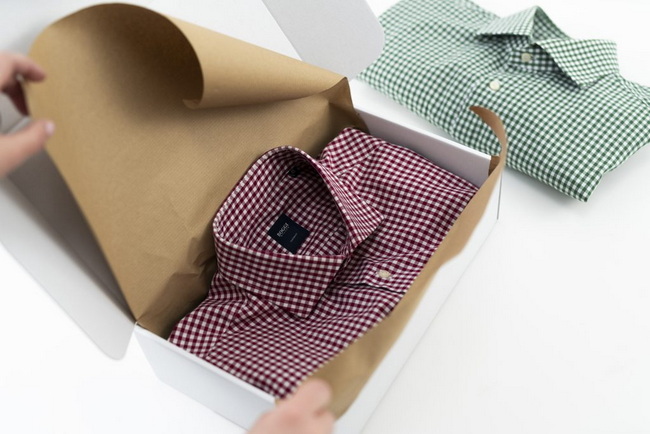
For most online apparel brands, mailer boxes or poly mailers with inner tissue and inserts balance protection, branding, and cost. Lightweight mailers reduce shipping cost, while branded unboxing elements still deliver a premium experience.
Small brands can start with kraft mailers, recycled stickers, and simple one-color printing instead of fully customized boxes. Adding low-cost touches like custom stamps and printed inserts creates a sustainable, branded feel without high MOQs.
Yes. Memorable, well-aligned packaging increases perceived value, review rates, and repeat purchases. When packaging reflects the brand's values, such as sustainability or luxury, customers are more likely to trust and recommend the brand.
For bulk or long-distance shipping, sturdy corrugated cartons with inner protective packaging such as poly liners or garment bags work best. Reinforced edges, double-wall construction, and clear labeling help garments arrive in perfect condition and minimize transit damage.
Smart packaging lets brands connect physical apparel to digital experiences such as care guides, loyalty programs, and brand stories. It also helps collect data, fight counterfeits, and create ongoing engagement beyond the first unboxing.
1. https://pakoro.com/blog/8-best-clothing-packaging-ideas/
2. https://packagingrevolution.net/clothing-packaging-ideas/
3. https://imhpackaging.com/packaging-ideas-for-clothing-business/
4. https://www.gukapackaging.com/blogs/packaging-ideas-for-clothes
5. https://packlane.com/blog/15-apparel-and-fashion-packaging-ideas-to-inspire-you/
6. https://weftapparel.com/sustainable-packaging-ideas/
7. https://www.pack.ly/de/blog/beitrag/lid-and-bottom-box-10-clothing-packaging-ideas-for-shirts
8. https://bestcolorfulsocks.com/blogs/news/sustainable-packaging-fashion-trends
9. https://www.elitecustomboxes.com/blog/clothing-packaging-ideas/
10. https://www.halfpricepackaging.com/blog/essential-boutique-clothing-packaging-ideas


