


close
Choose Your Site
Global
Social Media
Views: 222 Author: Amanda Publish Time: 2026-01-21 Origin: Site


Content Menu
● Step 1: Identify the Clothing You Are Shipping
>> Example Classification Table
● Step 2: Choose the Right Packaging Materials
>> Common Outer Packaging Options
>> Inner Protection and Presentation
● Step 3: Optimize Package Size and Weight
● Step 4: Prepare and Fold the Clothes Correctly
>> Recommended Folding Approaches
● Step 5: Add Extra Protection for High‑Risk Shipments
● Step 6: Select a Reliable Shipping Partner
● Pro Tip: Design Packaging That Builds Your Brand
● Pro Tip: Make Your Apparel Packaging More Sustainable
● Pro Tip: Build a Standard Operating Procedure for Your Team
● When to Upgrade From DIY to Professional Packaging Solutions
● Take the Next Step to Upgrade Your Clothing Packaging
>> 1. What is the best packaging for shipping clothes?
>> 2. How can I ship clothes without them getting wrinkled?
>> 3. Is it cheaper to ship clothes in a box or a bag?
>> 4. How do I make my clothing packaging more eco‑friendly?
>> 5. What should I include inside the package besides the clothes?
Shipping clothes looks simple, but without the right packaging strategy you quickly lose money on shipping, damage, and returns. This guide walks apparel brands, e‑commerce sellers, and resellers through a proven, 6‑step process plus expert add‑ons to keep garments protected, presentable, and profitable in transit.
By the end of this guide, you will know how to:
- Choose the right packaging for different clothing types.
- Reduce shipping costs with smarter sizing and weight control.
- Protect garments from moisture, dirt, and crushing during transit.
- Improve unboxing experience and brand perception.
- Build a repeatable process for your team or fulfillment partner.
Before thinking about boxes or mailers, always clarify what kind of clothes you are shipping. Different garments have different risk levels, value, and presentation requirements.
Consider these factors:
- Fabric type: delicate silk, wool, sequins, or structured garments need stronger protection than basic cotton T‑shirts.
- Item category: shirts, jeans, hoodies, lingerie, formalwear, or outerwear each have ideal folding and packaging methods.
- Order composition: single items vs. multi‑item bundles affect the choice between polymailers and boxes.
- Retail value: high‑value or luxury pieces justify sturdier boxes, branded tissue, and extra padding.
Clothing type | Risk level | Recommended primary packaging | Notes |
Basic T-shirt, leggings | Low | Poly mailer / envelope | Focus on compact size and low weight. |
Jeans, hoodies | Medium | Strong poly mailer or small box | Need good folding and wrinkle control. |
Dresses with details | High | Corrugated box + inner bag | Protect embellishments from crushing. |
Suits, coats, luxury items | Very high | Rigid box + tissue + padding | Strong visual presentation and impact protection. |
Bulk wholesale apparel | Medium–high | Cartons with inner poly bags | Optimized for palletizing and handling. |
This classification becomes the basis for your standard operating procedure so your team can package consistently and quickly.
Choosing the right packaging materials for apparel balances protection, customer experience, and shipping cost. The goal is to keep garments safe and on‑brand without adding unnecessary weight or bulk.
1- Poly mailers / shipping envelopes
- Best for: lightweight single items such as T‑shirts, leggings, and light hoodies.
- Benefits: very light, moisture‑resistant, and postage‑friendly.
2- Padded mailers
- Best for: delicate clothing with buttons, zippers, or embellishments.
- Benefits: built‑in cushioning against bumps and drops.
3- Corrugated shipping boxes
- Best for: bulk orders, formalwear, denim stacks, outerwear, and luxury clothing.
- Benefits: maximum structural protection and better presentation.
These materials protect fabrics and upgrade your unboxing experience:
- Clear garment bags or poly bags to keep each piece clean and dry inside the outer package.
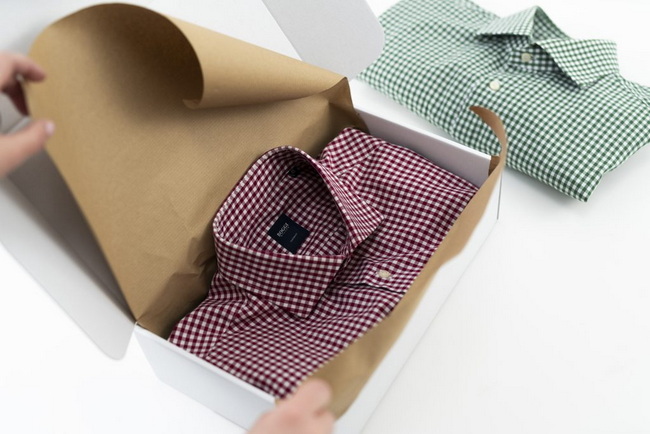
- Tissue paper to add a premium feel and prevent color transfer between layers.
- Kraft paper or air pillows to fill voids in boxes and avoid shifting or crushing.
- Thank‑you cards and care cards to build brand loyalty at very low cost.
For brands positioning as sustainable, switch to recycled or compostable mailers, paper‑based void fill, and low‑impact inks to support eco‑friendly clothing packaging.
Shipping carriers increasingly price parcels by dimensional weight, not just actual weight. Keeping packages as small and light as possible is critical for cost‑effective clothing shipping.
Key principles:
- Use the smallest box or bag that fits comfortably without over‑compressing clothes.
- Choose lightweight materials when protection requirements are low.
- Avoid double‑boxing unless shipping fragile accessories with garments.
- Fold efficiently along natural seams to reduce volume without creating heavy creasing.
- Consolidate multiple items in one shipment when possible instead of sending several small packages.
- Standardize package sizes for your most common order combinations to qualify for better rates and faster packing.
A small adjustment, such as switching from an oversized box to a fitted mailer, can significantly lower your per‑order shipping cost at scale.
Proper preparation helps garments arrive neat, wrinkle‑controlled, and ready to wear. Even when shipping budget apparel, a clean presentation reduces returns and improves reviews.
- Inspect each item for stains, loose threads, or defects before packing.
- Remove hangers unless shipping high‑end garments in garment boxes.
- Lint‑roll dark fabrics and use clean surfaces to avoid dust transfer.
1- Shirts, hoodies, and dresses
- Place the garment face down, fold sleeves backward, then fold in thirds along the length.
- Smooth fabric with your hands after each fold to minimize wrinkles.
2- Pants or jeans
- Lay legs together, fold from knees to pockets, then fold once more.
- Keep folds clean to reduce bulk and improve stacking.
3- Multiple items
- Stack the heaviest items at the bottom and lightest on top in boxes.
- Insert tissue paper between layers to prevent friction and color transfer.
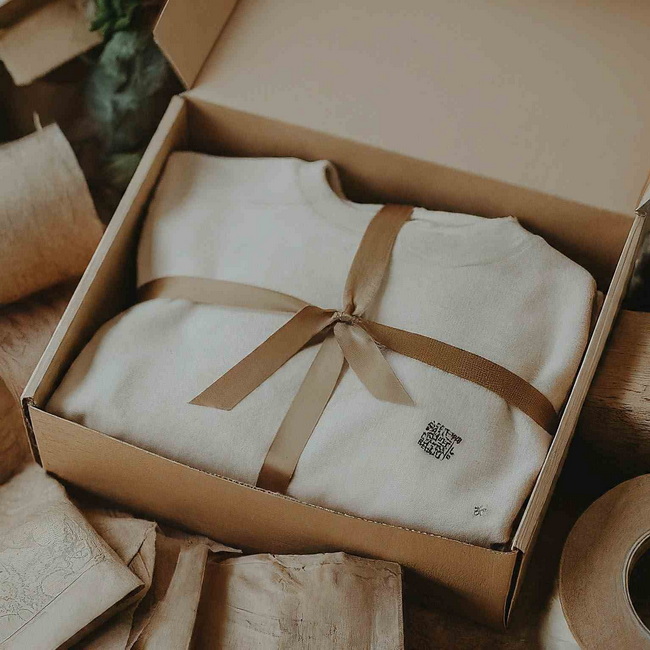
Insert neatly folded items into inner bags or tissue before placing them into the main mailer or box.
Not every shipment needs heavy protection, but some clearly do. For fragile, high‑value, or long‑distance shipments, extra layers are essential to avoid damage and costly returns.
Use added protection when:
- Shipping long distances or internationally, where handling and transit time increase.
- Sending formalwear, bridal wear, or pieces with delicate embellishments.
- Shipping during wet seasons or to humid climates, which increases moisture risk.
Recommended tactics:
- Use moisture‑resistant inner bags and seal them with tape or stickers.
- Add corner and edge protection for boxes with heavy or rigid garments.
- Fill any empty space with kraft paper to prevent garments from shifting or collapsing.
For wholesale textile shipments on pallets, use stretch wrap, pallet straps, and edge protectors to stabilize loads in transit.
The best packaging process will still fail if your carrier cannot deliver reliably. Choosing an appropriate shipping company and service level is crucial for both cost and customer satisfaction.
Evaluate carriers based on:
- Transit times and how they match your customers' expectations.
- Tracking capabilities to reduce customer support workload and disputes.
- Coverage and reliability in your key destination regions.
- Apparel or textile experience for smoother handling of fashion logistics.
For cross‑border e‑commerce, understand local customs requirements and documentation to avoid delays or returns to sender.
Your packaging is often the first physical touchpoint with the customer, especially for online clothing brands. Thoughtful design and branding can turn a simple parcel into a memorable experience.
Consider:
- Branded polymailers or boxes with your logo and color palette.
- Custom printed tissue, stickers, and tape to reinforce brand identity.
- QR codes on packaging leading to styling tips, care instructions, or loyalty programs.
- Clear sustainability messaging if using eco‑friendly materials.
Strong packaging design can increase repeat purchase behavior and word‑of‑mouth recommendations even when the product itself is unchanged.
Consumers increasingly care about sustainable clothing packaging and will notice your material choices. Small changes in design can cut waste and improve your environmental footprint.
Ways to make apparel shipping more eco‑friendly:
- Switch to recycled or compostable mailers and boxes where feasible.
- Replace plastic void fill with kraft paper or molded pulp.
- Print with low‑impact inks and avoid unnecessary coatings.
- Right‑size packaging to reduce both material use and shipping emissions.
Communicate these choices clearly on the packaging and your product pages to align with eco‑conscious buyers.
Once your process for packaging and shipping clothes is clear, document it as a standard operating procedure. This allows staff or fulfillment partners to pack consistently, even as order volume grows.
Your clothing shipping SOP should include:
- A simple decision tree that shows which packaging to use for each garment type and order size.
- Step‑by‑step folding and packing instructions with reference photos.
- Quality checks before sealing, including item count, size, color, and label verification.
- Labeling and documentation guidelines for domestic vs. international shipments.
Standardization reduces errors, damaged shipments, and packing time per order.
As apparel brands grow, manual packaging with mixed materials becomes inefficient and inconsistent. This is when partnering with a specialized packaging manufacturer and machinery provider makes sense.
Indicators that you should consider a comprehensive packaging solution:
- Daily order volume has grown and packing is a bottleneck.
- Damage or return rates due to poor packaging are increasing.
- You are launching into new regions and need standardized cartons and labeling.
- You want to upgrade to automated or semi‑automated packaging lines to save labor.
Professional partners can help design right‑sized, brand‑forward, and machine‑compatible packaging that scales with your growth.
If you are ready to improve how you package and ship clothes, now is the time to turn this guide into action. Review your current shipments against the six steps above, identify quick wins in materials, folding, and sizing, and then work with a dedicated packaging partner to design a more protective, cost‑efficient, and brand‑consistent system that fits your apparel business.
Contact us to get more information!
For everyday apparel like T‑shirts and leggings, poly mailers are usually the best balance of protection, weight, and cost. For heavier or delicate garments, switch to padded mailers or corrugated boxes with inner bags and tissue.
Fold along natural seams, smooth the fabric after each fold, and use tissue between layers to reduce friction. Avoid over‑stuffing packages and choose packaging slightly larger than the garment volume to prevent crushing.
Bags and polymailers are generally cheaper because they are lighter and more compact, which reduces both actual and dimensional weight. Boxes cost more but are better for bulk, fragile, or premium garments that need stronger protection.
Use recycled or compostable mailers, right‑size your packaging, and replace plastic void fill with paper‑based options. Clearly communicate these choices on your packaging and website so customers recognize your sustainability efforts.
At minimum, include an invoice or packing slip and any required customs documentation for international orders. To improve experience, add care instructions, a thank‑you card, and simple branding elements such as stickers or tissue.
1. https://pakoro.com/blog/6-essential-steps-for-packaging-and-shipping-clothes/
2. https://packmojo.com/blog/how-to-package-clothes-for-shipping/
3. https://noissue.co/blog/how-to-ship-clothes/
4. https://modepack.com/tips-tricks/how-to-ship-apparel-a-step-by-step-guide-to-shipping-clothing/
5. https://blog.papermart.com/small-business/how-to-package-ship-clothing/
6. https://www.fedex.com/en-us/shipping/how-to-ship-clothes.html
7. https://www.dhl.com/discover/en-ie/logistics-advice/essential-guides/how-to-ship-clothes
8. https://otfs.net/how-to-ship-textiles/
9. https://www.boxzooka.com/blog/apparel-packaging-for-shipping/
10. https://gamutpackaging.com/blogs/resources/the-ultimate-guide-to-shipping-clothes-tips-costs-and-packaging-techniques
11. https://pakoro.com/blog/custom-shipping-box-design-ideas-thatll-benefit-your-brand/


