


close
Choose Your Site
Global
Social Media
Views: 222 Author: Amanda Publish Time: 2026-02-10 Origin: Site


Content Menu
● What Are the Color Dots on Food Packaging?
● How Do Color Dots Work in the Printing Process?
● Do Color Dots Indicate Food Quality, Freshness, or Safety?
● When Do Colored Circles Represent Flavors or Allergen Codes?
● Color Dots vs Other Technical Marks on Packaging
>> Technical Marks and Icons at a Glance
● Printing and Packaging Considerations for Brand Owners
>> 1. Packaging Materials and Surfaces
>> 2. Ink Types and Regulatory Compliance
● How Color Consistency Supports Brand Equity
● Practical Tips for Using Color Dots and Color Codes in Your Packaging
>> 1. Define Your Brand Color Standards
>> 2. Plan Flavor and Variant Color Systems
>> 3. Discuss Color Quality Controls with Your Supplier
● How a Professional Packaging Partner Can Help
● Turn Color Control into a Competitive Advantage
● FAQs About Color Dots on Food Packaging
>> 1. Do color dots on food packaging show if the food is safe?
>> 2. Why do some food packages have no color dots at all?
>> 3. Are color dots always CMYK, or can they be other colors?
>> 4. How can brands make sure their colors stay consistent across different printers?
>> 5. Can color dots be removed from the final packaging design?
When you see color dots on food packaging, you are looking at technical printing marks that help control color accuracy and brand consistency, not secret codes about food safety or quality. For brand owners and packaging managers, understanding these colored circles means you can talk to printers more confidently and design packaging that looks professional, compliant, and ready for retail shelves.

On many snack bags, cartons, and wrappers, you will notice small colored circles on food packaging printed near an edge or in a trim area. These are typically called printer’s color blocks or process control patches, and they are part of the quality-control system used during printing.
Printers use these dots to:
- Check color accuracy against the brand’s approved artwork.
- Verify ink density and alignment of CMYK or spot colors on the press.
- Detect printing problems early, before thousands of packs are produced incorrectly.
In other words, these dots help ensure that every bag, box, or wrapper looks the way your brand intended, from the first print run to the ten-thousandth.
Commercial packaging printing often uses CMYK (cyan, magenta, yellow, black) inks and, in some cases, additional spot colors. Color dots are printed in solid patches of these inks in a non-visible or trimmed area of the packaging layout.
During production:
- Operators visually compare the colored patches to reference swatches or previous approved samples.
- Instruments such as densitometers or spectrophotometers may measure the patches to check whether ink density and color values fall within specified tolerances.
- If readings are off, technicians adjust ink, water balance, or press settings until the dots indicate proper color.
This process helps ensure that your logo red does not drift towards orange, your green does not look dull, and small details on labels remain sharp and readable.
Many consumers assume colored dots on chip bags must indicate freshness, expiry status, or even whether the product is vegetarian or non-vegetarian. In reality, the classic process control dots have no direct link to food safety, taste, or nutritional content.
Key points to clarify:
- Not food safety markers: Color dots do not tell you whether food is safe to eat or if it has passed a hygiene test.
- Not expiry indicators: Shelf life, expiry, or “best before” information is always shown in text, date codes, or dedicated symbols elsewhere on the package.
- Not universal nutrition labels: Nutrition labeling systems (such as front-of-pack color bars) are separate and standardized, while printer’s dots are purely technical marks.
The correct way to check safety and nutritional details is to read the Nutrition Facts panel, ingredient list, allergy statements, and date codes, not the print-control dots.
Beyond strict print-control marks, some brands creatively use flavor circles or colored icons that resemble dots. In these cases, the dots are part of the consumer-facing design rather than internal printer marks.
Typical examples:
- A red circle used on spicy, barbecue, or chili-flavored snacks.
- A green circle representing herb-based flavors, sour cream and onion, or sometimes “lighter” options.
- A yellow or orange circle used for cheese, classic salted, or citrus flavors.
- A purple symbol or colored icon highlighting the presence of specific allergens such as nuts in some product lines.
However, there is no global standard for these flavor or allergen circles; each brand builds its own system. That is why it is essential to rely on the printed allergen and ingredient declarations rather than assuming a color always means the same thing across different brands.
To fully understand what you see on a pack, it helps to distinguish color dots from other technical symbols used in printing and converting.
- Process control patches / color blocks: Solid circles, squares, or strips in different colors used to monitor ink performance.
- Registration marks: Crosshair-like symbols that help align multiple color plates or printing units so that text and graphics line up accurately.
- Cut and fold marks: Lines showing where the packaging will be trimmed or folded during die-cutting and converting.
All of these marks are designed for printers and converters, not consumers, and they are often placed in areas that will be trimmed away or hidden in final assembly.
| Element | Main Purpose | Seen by Consumers? | Relation to Color Dots |
|---|---|---|---|
| Color dots / color patches | Check print color, ink density, and consistency. | Sometimes, near edges or folds. | Core technical marks for print quality control. |
| Registration marks | Align different printing colors and plates. | Occasionally visible on outer edges. | Often used together with color dots on press. |
| Die-cut / fold marks | Guide cutting and folding during converting. | Rarely visible on finished packs. | Separate from color dots; related to structural accuracy. |
| Consumer icons (flavor, diet, certifications) | Communicate attributes like flavor, vegan, gluten-free, or certifications. | Intentionally visible and explained on pack. | May use circles or color coding but are design elements, not printer's patches. |
This distinction improves both consumer education and internal collaboration between your brand, printers, and packaging suppliers.
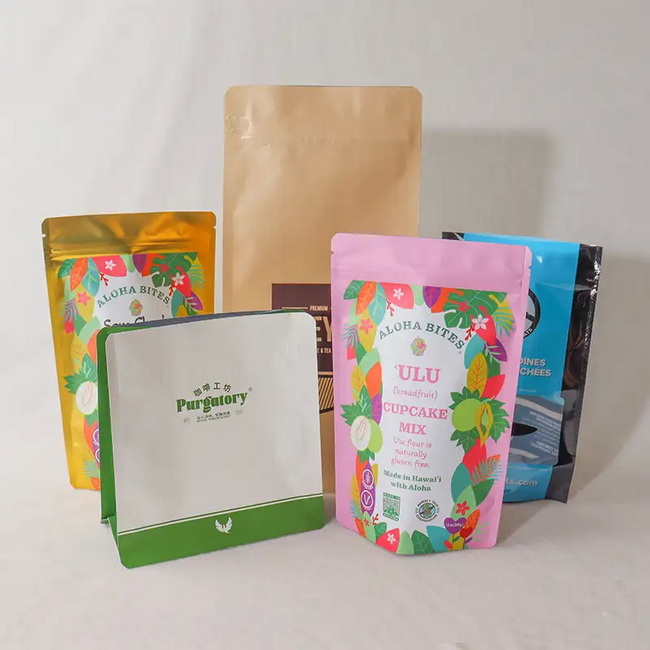
If you are responsible for designing or buying packaging, understanding how color dots on food packaging relate to printing will help you make better technical decisions.
Different substrates behave differently with ink:
- Plastic films and laminates can show color shifts due to stretch, heat, or lamination layers.
- Paperboard cartons may absorb ink more, affecting color density and sharpness.
- Metallic or foil materials often require special inks and control patches to maintain accurate colors.
Color control patches are especially helpful on challenging materials like metallized films or glossy laminates because they make it easier to keep brand colors consistent across large runs.
In food packaging, the inks used must comply with regional food-contact regulations and industry guidelines.
Common considerations include:
- Food-grade inks for direct or indirect food contact, depending on where the print is located.
- Heat-resistant inks for packs that undergo processes such as retorting, baking, or microwave heating.
- Low-migration and low-odor formulations to reduce the risk of ink components migrating into food products.
Using color dots together with proper ink specifications helps printers balance regulatory compliance and color performance.
From a marketing and user-experience perspective, color consistency is a critical driver of brand recognition and perceived quality. Consumers strongly associate specific colors with specific brands; even small deviations can affect recognition and trust.
Color dots contribute to this by:
- Locking in brand color standards across print runs and factories.
- Reducing off-brand packs that may look faded, washed out, or overly saturated.
- Supporting multi-SKU consistency, where families of products must share a coherent visual system.
For example, a global beverage brand will use process control patches and strict color targets so that its iconic brand color looks identical in every market, regardless of local printers or materials.
If you are developing or updating your packaging, you can use this knowledge to improve collaboration with printers and packaging partners.
- Work with your designer to specify Pantone (PMS), CMYK, or LAB values for each brand color.
- Provide approved physical or digital color references for your packaging supplier.
- Ask your printer how they will use process control patches to maintain those targets on different presses and substrates.
If you want to use flavor circles or color-coded icons for variants:
- Create a clear internal guideline mapping each color to a specific flavor or product type.
- Ensure that color choices remain distinguishable for consumers with color-vision deficiencies by using icons, text, or pattern cues alongside color.
- Keep technical color dots visually separate from consumer-facing flavor symbols so shoppers are not confused.
A professional packaging manufacturer can help you:
- Decide where to place process control patches and registration marks so they do not interfere with your design.
- Set measurable tolerances for color deviations, such as maximum acceptable color difference values.
- Implement routine press checks and approvals, especially before large or repeated orders.
This proactive collaboration reduces waste and reprints while ensuring consistent shelf impact.
For brands that do not have in-house packaging engineers, working with a specialist manufacturer is often the fastest way to achieve both design and production goals.
A professional partner can:
- Translate your brand guidelines into print-ready specifications and color standards.
- Optimize material selection, ink systems, and printing methods for your product category.
- Use advanced process control patches and quality-control protocols to keep color stable across runs and plants.
- Integrate flavor or allergen icons into the artwork in a way that is clear for consumers and technically feasible on your production lines.
This kind of end-to-end support is particularly valuable for food, beverage, and snack brands scaling from small batches to high-volume retail production.
Understanding color dots on food packaging is more than trivia; it is a practical tool for better branding, fewer print errors, and stronger consumer trust. By working closely with an experienced packaging materials and machinery supplier, you can turn technical color control into a visible advantage on shelf and online.
If you are planning a new snack launch, redesigning your existing wrappers, or trying to solve color inconsistency problems across factories, now is the time to act. Contact our team to review your current packaging, define robust color standards, and implement print-quality controls tailored to your products. Together, we can help you build packaging that looks right, runs smoothly on your lines, and supports your brand in every market you serve.
Contact us to get more information!
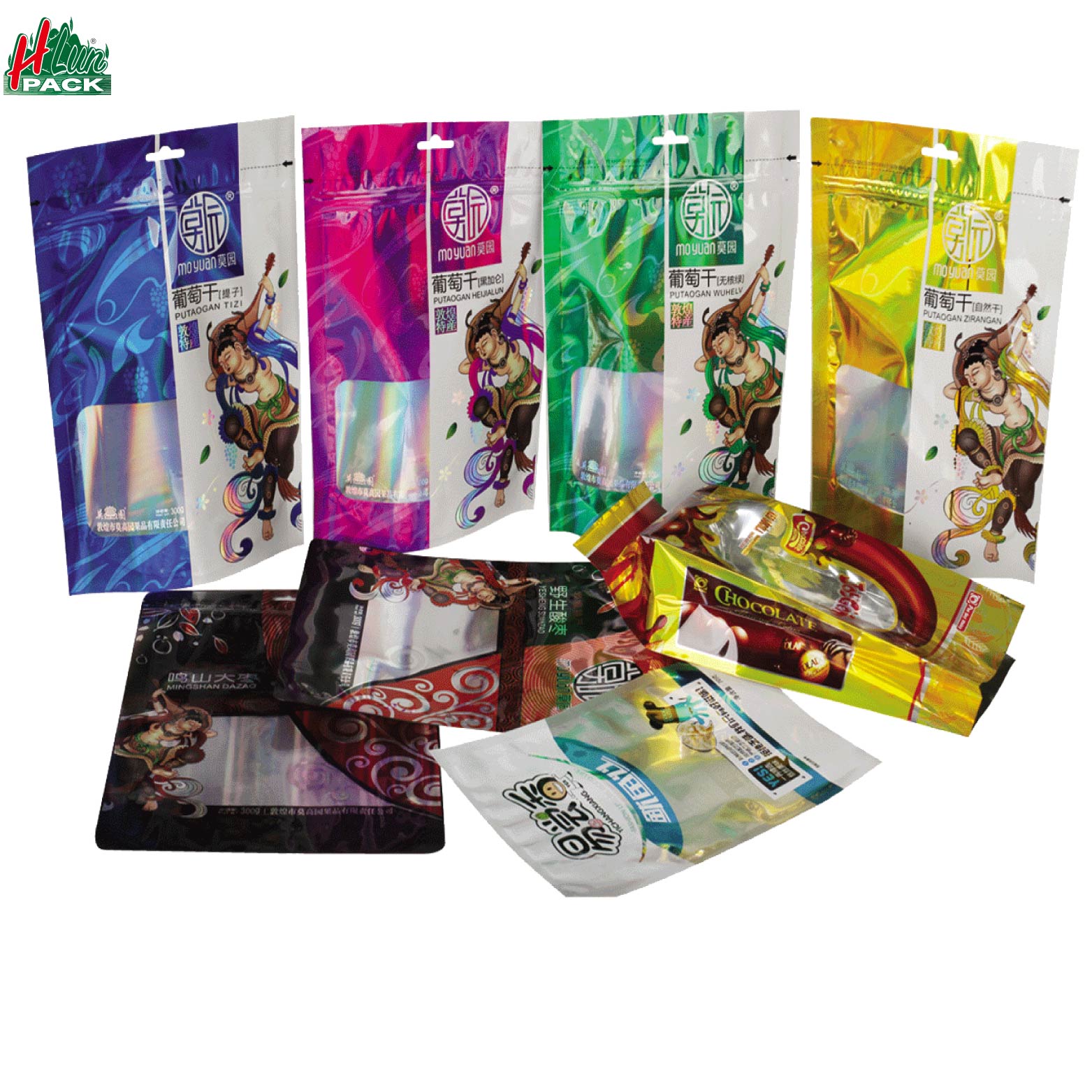
No. Color dots are printing quality control marks, not food safety indicators. Safety and shelf life information is communicated through date codes, storage instructions, and regulatory symbols on the main label.
Some brands use other quality-control methods, simplified designs, or cropping that removes control patches from the finished pack. The absence of dots does not affect food safety or packaging quality; it is just a different production approach.
Color dots often represent CMYK inks, but they can also include spot colors such as special brand reds, metallics, or custom hues. The exact patches depend on the inks and printing process used for that specific job.
Brands should provide clear color specifications and work with packaging partners who use standardized process control patches and measurement tools. Regular press approvals, print samples, and agreed tolerances help maintain consistency in different plants or countries.
In many cases, yes. Printers may place control patches in the trim area so they are cut away or hidden after finishing. Some packaging suppliers even promote their ability to deliver final boxes without visible dots, keeping only the necessary marks during internal checks.
1. https://pakoro.com/blog/color-dots-on-food-packaging/
2. https://www.packaging-gateway.com/features/the-story-behind-those-colourful-dots-on-your-food-packaging/
3. https://www.customboxmakers.com/colored-dots-on-food-packaging/
4. https://urgentboxes.com/blog/colored-dots-on-food-packaging
5. https://needcustompackaging.com/blog/color-dots-on-food-packaging/
6. https://oxopackaging.com/blog/what-are-the-colored-dots-on-packaging.html


