


close
Choose Your Site
Global
Social Media
Views: 222 Author: Amanda Publish Time: 2026-01-30 Origin: Site


Content Menu
● Why Wine Label Design Matters More Than Ever
● Core SEO Target: Wine Label Design
● Main Functions of a Wine Label
>> Visual design that wins attention
>> Information that builds trust and guides choice
>> Storytelling and brand positioning
● Four Classic Styles of Wine Label Design (with Modern Updates)
>> Traditional and heritage‑driven labels
>> Abstract and artistic wine labels
>> Modern, playful, and “funny” labels
● Design Elements That Make a Wine Label Work
>> Material, hot‑stamping, and embossing
● Regulatory Basics: What Must Be on a Wine Label?
● Latest Wine Label Design Trends for 2025–2026
● How Label Design and Packaging Work Together
● Practical Steps: How to Design a Wine Label That Actually Sells
>> Step 1: Define your audience and price tier
>> Step 2: Choose a coherent design style
>> Step 3: Build a clear information hierarchy
>> Step 4: Select materials and finishes that match your story
>> Step 5: Prototype, test, and refine
● Example Table: Label Styles vs Target Audiences
● Turning Design into Reality with Professional Packaging Solutions
● Take the Next Step: Upgrade Your Wine Labels and Packaging
● FAQs About Wine Label Design
>> 1. How much does custom wine label design cost?
>> 2. Which label style sells best: traditional, minimalist, or funny?
>> 3. Are sustainable wine labels more expensive?
>> 4. How can I make sure my wine label is legally compliant?
>> 5. Do augmented reality and QR codes really help sell more wine?
Choosing a bottle of wine is often an emotional, fast decision, and the label is the first (and sometimes only) touchpoint that tells your story, signals quality, and justifies your price. A strategic wine label design, combined with the right packaging materials and machinery, can transform your wine from “one of many” to “the obvious choice” on the shelf or online.

The global wine and wine packaging markets are growing steadily, driven by premiumisation, sustainability, and younger consumers who rely heavily on visual cues. This means your label has to work harder to grab attention, communicate quickly, and align perfectly with your brand and target audience.
Modern buyers often decide in a few seconds, and many shoppers make buying choices based on packaging alone. For wine, that “packaging” starts with the bottle and label, then extends to secondary packaging such as boxes, carriers, and shipping solutions.
Primary keyword: wine label design
Secondary and long‑tail keywords: custom wine labels, wine label design ideas, wine label trends 2025, how to design a wine label, wine label packaging, premium wine label, minimalist wine labels, funny wine labels, sustainable wine labels, wine label printing and finishing.
Use these naturally in titles, subheadings, and throughout the content whenever they fit the context and user intent.
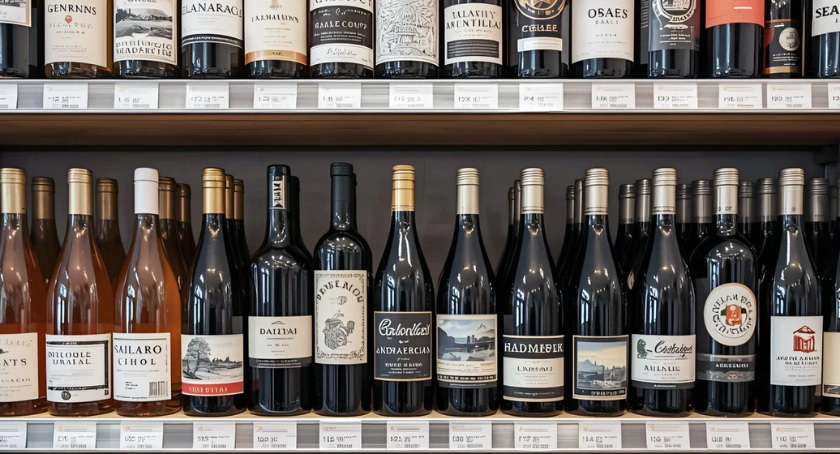
When it comes to wine bottles, people really do “judge a book by its cover”, and the cover is your wine label design. Most bottles share similar 750 ml forms, so labels become the primary differentiator on a crowded shelf or in ecommerce thumbnails.
Effective front labels should:
- Create instant shelf impact through color, contrast, and composition.
- Communicate positioning at a glance, such as traditional vs modern, or everyday vs premium.
- Match the expectations of the intended audience and price bracket.
Premium labels often use finishes such as foil, embossing, or textured stocks to signal higher quality and justify a higher price point.
The back label is where description and hard facts help more knowledgeable or cautious customers make a confident decision. This part of the wine label design is essential for converting attention into an actual purchase.
Key information typically includes:
- Grape variety and blend.
- Origin and appellation.
- Vintage year, alcohol content, and volume.
- Taste profile and suggested food pairings.
More elaborate, story‑driven descriptions can increase expectations and even liking, because they trigger more positive emotions before tasting. This is why many wineries tell a short story about the vineyard, winemaking process, or inspiration behind the wine.
The best wine label design does not just decorate the bottle; it tells a story that connects your wine to a place, a culture, or a lifestyle. Story elements can appear visually, through symbols, colors, and illustrations, and verbally, through a clear narrative on the back label.
A strong brand story on the label helps you:
- Differentiate in mature markets where many wines feel similar.
- Justify premium pricing by highlighting heritage or craft.
- Create a consistent brand world across labels, boxes, and digital assets.
Traditional wine label design focuses on history, origin, and craftsmanship. It is a natural fit for established wineries and premium ranges.
Key features often include:
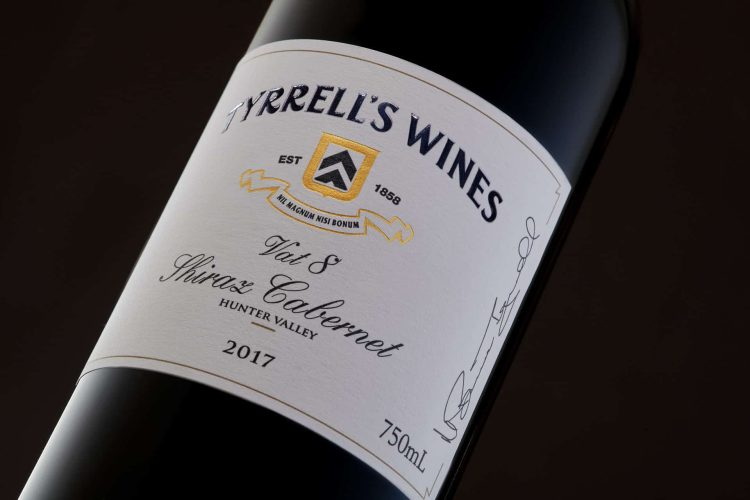
- Serif or script typography that mimics handwriting, suggesting heritage and authenticity.
- Detailed crests, châteaux illustrations, or vineyard etchings.
- Dense layouts with limited negative space and lots of information.
- Gold or metallic hot‑stamping to signal prestige and age.
Many premium wineries keep the same core label layout for decades, only updating small elements as needed. This consistency builds recognition and trust, especially in markets where origin and tradition are key purchase drivers.
Abstract wine label design uses modern art, asymmetry, and unexpected compositions to stand out among more traditional bottles. It is often chosen by innovative or experimental brands.
Common traits:
- Asymmetrical shapes or off‑centre graphics that break conventional grid layouts.
- Artistic illustrations that hint at flavor or mood rather than literal vineyards.
- Minimal text on the front, with details moved to the back label or a hang tag.
This style works especially well for limited editions, experimental batches, or brands targeting younger, design‑savvy consumers.
Minimalism is one of the strongest design trends in wine label design from 2024 to 2026. It creates a calm, confident look that can feel premium even with limited decoration.
Minimalist wine labels typically:
- Use plenty of negative space with a limited color palette.
- Reduce graphic elements to simple shapes, lines, or a single strong icon.
- Focus attention on the brand name and a few key details.
Minimalist design works particularly well for:
- Premium boutique wineries that want to project quiet confidence.
- Urban and natural wines targeting younger, design‑oriented drinkers.
Modern labels often try to be funny, provocative, or highly memorable to win the shopper's glance in seconds. This approach is especially relevant for gift wines and ecommerce‑focused brands.
They may feature:
- Illustrated characters or animals with different outfits for different varietals.
- Pun‑based names and cheeky one‑liners that invite sharing on social media.
- Concept labels, such as boarding passes, tickets, or postcards, that turn the bottle into an experience.
This style is powerful for entry‑level wines, gifting bottles, and brands that rely heavily on online and social media visibility.
Negative space is every area of the label that is not filled with graphics or text, and it is crucial for readability and perceived quality. Thoughtful use of empty space allows the important parts of the design to stand out clearly.
Typical choices include:
- Dark, rich colors such as deep red, navy, or black to signal luxury and complexity.
- Light backgrounds like white, cream, or pale pink for fresh, modern, or rosé wines.
- Earthy, natural tones such as kraft and muted greens when emphasizing sustainability.
Unusual colors like bright orange or neon accents can work as disruptive elements, but they should still align with the overall brand strategy.
Fonts are one of the most powerful tools in wine label design, influencing perceived heritage, quality, and even purchase intent. The wrong typeface can confuse shoppers about the style or price level of your wine.
General guidelines:
- Serif fonts convey tradition, reliability, and timelessness, ideal for heritage brands.
- Sans‑serif fonts feel modern, clean, and approachable for contemporary wines.
- Script fonts add elegance and personality, often used on premium or artisanal bottles.
It is important to test font options with your target audience to ensure that the typography feels appropriate for your wine style and price point.
Finishing techniques can instantly shift how premium your wine label feels in hand and on the shelf. They also create a memorable tactile experience when a shopper picks up the bottle.
Popular options include:
- Hot‑stamping, using metallic foil applied under heat and pressure to create shiny accents on logos, borders, or typography.
- Embossing and debossing, raising or pressing elements into the label surface for a tactile effect.
- Textured label stocks, such as cotton or linen papers, that communicate craftsmanship and justify higher prices.
Combined together, these techniques can dramatically increase perceived value without changing the actual liquid inside the bottle.
While design is key, compliance is non‑negotiable. Regulations vary by country, but many markets require similar core elements on wine labels.
Typical mandatory information includes:
- Brand name and class or type of wine.
- Alcohol by volume (ABV).
- Net contents.
- Country or region of origin and producer or bottler information.
- Allergen declarations where required.
Before finalizing your custom wine label design, always check current local regulations or consult a labeling specialist to avoid costly relabeling or product holds at customs.
Recent industry reports and design awards highlight several strong trends in wine label design and packaging that are shaping the market through 2025 and 2026.
Key directions include:
- Minimalist and clean layouts with strong typography and fewer decorative elements.
- Sustainability, including recycled papers, biodegradable labels, and low‑impact inks.
- Textural design, with more emphasis on tactile finishes, specialty varnishes, and multi‑sensory labels.
- Personalization and limited editions using digital printing and variable data for small batches or special events.
- Smart labels and AR, with QR codes and augmented reality layers that unlock videos, vineyard tours, or pairing tips.
These trends align closely with broader shifts in wine packaging, where premiumisation and eco‑friendly solutions are major growth drivers.
A strong wine brand treats the bottle, label, and outer packaging as one integrated system. When all elements are aligned, every touchpoint reinforces your core brand message.
Strategic combinations include:
- Branded wine boxes that extend the label's colors and graphics across the whole unboxing experience.
- Cardboard carriers or gift boxes that highlight the artwork of the label instead of hiding it.
- Eco‑friendly kraft boxes and paper bags that reinforce your sustainability story.
Secondary packaging is especially important for gifting occasions where presentation matters as much as the wine, and for ecommerce shipments where protection and unboxing experience must be balanced.
Before sketching anything, clarify who you are designing for and what you want them to feel when they see your bottle.
Ask yourself:
1. Is this wine aimed at casual drinkers, enthusiasts, or collectors?
2. Will they buy mainly in supermarkets, specialty shops, or online?
3. What price range and positioning, such as fun, premium, natural, or traditional, are you targeting?
Your answers will guide the right mix of traditional versus modern, minimal versus detailed, and playful versus serious styles for your wine label design.
Pick one dominant design direction—heritage, abstract, minimalist, or modern playful—and apply it consistently across your range. Consistency helps build recognition and trust.
For example:
- A heritage winery might use cream labels, serif typography, and gold foil for all reds and whites.
- A modern brand targeting younger consumers might opt for bold colors, sans‑serif fonts, and witty names with a consistent illustration style.
Organise label content so the eye knows where to go first. A clear visual hierarchy ensures that buyers can quickly understand what your wine offers.
Best practice:
- Front label: brand name, key differentiator such as variety, origin, or concept, and main visual.
- Back label: taste description, grape varieties, production notes, pairing suggestions, and mandatory legal information.
Use font size, weight, and spacing to make the most important details instantly readable at arm's length.
Balance aesthetics, budget, and production realities. Beautiful wine label design must also work in real bottling conditions.
Consider:
- Paper type, such as standard coated, textured premium, or eco‑recycled.
- Finishes, like hot‑stamping, embossing, and spot varnish, where they add real perceived value.
- Adhesive and durability requirements, especially for ice buckets, humidity, and transport conditions.
Working with professional packaging suppliers and machinery providers helps ensure that your chosen materials run smoothly on your filling and labeling lines.
Before committing to a full print run, validate both the design and the technical performance of your labels.
You can:
- Print small test batches using digital printing to verify colors and legibility.
- Conduct simple shelf tests by placing your bottle among competitors and asking people which labels draw their attention and why.
- Confirm that labels apply cleanly at production speed and stay intact throughout distribution.
Data from these tests makes it easier to justify design choices and optimize future label updates.
Wine label design style | Typical audience | Brand message focus | Common finishes |
Traditional / heritage | Classic wine drinkers, older demographics | History, terroir, craftsmanship | Gold foil, embossing, textured paper |
Abstract / artistic | Design lovers, urban consumers | Originality, creativity, experimentation | Matte papers, bold colors, irregular shapes |
Minimalist | Premium, boutique, natural wine shoppers | Purity, confidence, modern luxury | Subtle emboss, soft papers, restrained foil |
Modern / funny | Younger buyers, gifting, ecommerce | Fun, approachability, shareability | Bright inks, playful illustrations, special cuts |
Even the most creative wine label design must work at scale: on real materials, at real production speeds, and through real logistics and export journeys. Working with an experienced packaging materials manufacturer and packaging machinery partner makes it easier to move from concept to consistent, high‑quality production.
A professional partner can help you:
- Choose label stocks and adhesives that perform reliably in bottling, storage, and cold chain scenarios.
- Match labels with complementary cartons, gift boxes, carriers, and shipping packaging.
- Optimize for total cost, including materials, printing, machine time, and wastage, rather than focusing only on the label's visual impact.
For wineries expanding into new markets or upgrading their brand image, an integrated packaging approach is essential to maintain consistency and efficiency.
If you are planning a new wine launch, rebrand, or export expansion, now is the ideal moment to upgrade your wine label design and overall packaging system. Define your target audience and style, then work with a professional packaging partner to translate your ideas into durable, production‑ready labels, boxes, and machinery setups. By aligning design, materials, and technology from the start, you can create wine packaging that stands out on the shelf, runs smoothly on your lines, and supports long‑term growth in every market you serve.
Contact us to get more information!
Costs vary widely depending on whether you use a freelance designer, agency, or in‑house team, and on the complexity of artwork and finishes. You also need to factor in printing setup, materials, and special effects like foil or embossing. Planning your budget from the start and comparing a few suppliers is the best way to keep costs under control.
No single style wins in every market; performance depends on your audience, price range, and retail context. Traditional designs often work best for classic or premium segments, while minimalist and playful labels can outperform in modern, younger, or online‑driven channels. Testing different concepts on a small scale can reveal which style resonates with your buyers.
Sustainable options like recycled papers or plant‑based inks can cost more per unit, but they often support higher price points and stronger brand loyalty among eco‑conscious consumers. Some wineries offset the extra cost through lighter bottles, optimized packaging formats, and more efficient production lines. Over time, sustainable choices can become a competitive advantage rather than just an expense.
The safest approach is to check the latest regulations in each target market and turn them into a clear checklist before briefing your designer. Many wineries also consult labeling specialists or legal advisors to review artwork files prior to printing. Building compliance into your process early prevents costly rework and delays when exporting or entering new regions.
Interactive elements like AR and QR codes can deepen engagement, especially with younger, tech‑savvy drinkers. They allow you to share tasting notes, vineyard stories, pairing ideas, and promotions even when a staff member is not present. While they do not replace solid design and product quality, they can differentiate your brand and support direct‑to‑consumer marketing campaigns.
1. https://packhelp.com/wine-label-design/
2. https://www.environprint.com/post/custom-wine-label-design-tips-trends-2025.html
3. https://www.imarcgroup.com/wine-packaging-market
4. https://www.gminsights.com/industry-analysis/wine-packaging-market
5. https://www.marketresearchfuture.com/reports/wine-packaging-market-1327
6. https://www.liendesign.com/blog/2025/11/25/wine-label-design-guide-trends-challenges-amp-tips-for-2025-26
7. https://www.outshinery.com/articles/the-future-of-wine-label-design-predictions-for-2025
8. https://www.glbc.com/blog/label-design-trends-for-2025/
9. https://www.winbusiness.com/wbm/article/307042
10. https://label.averydennison.com (Wine handbook and technical resources)
11. https://www.winlabels.co.nz/the-psychology-of-wine-labels-how-design-influences-consumer-buying-decisions/
12. https://soar.wichita.edu (Typeface appropriateness and wine purchase intent)
13. https://pdxscholar.library.pdx.edu/cgi/viewcontent.cgi?article=1688&context=honorstheses
14. https://www.onlinelabels.com/articles/beginners-guide-to-wine-label-requirements
15. https://www.customizable.com/blogs/labels/latest-innovations-in-personalized-wine-labels-trends-shaping-2025
16. https://www.foodnhotelasia.com/blog/fnb/wine-packaging-market/
17. https://www.outshinery.com (AR and digital experiences in wine)


