


close
Choose Your Site
Global
Social Media
Views: 222 Author: Amanda Publish Time: 2026-01-26 Origin: Site


Content Menu
● Canvas vs Cotton Tote Bag: Key Differences at a Glance
● 1. Understanding the Core Materials
● 2. Thickness, Weight, and Real-World Performance
>> Canvas: Built for Heavy Duty
>> Cotton: Light, Flexible, and Portable
● 3. Usage Scenarios That Match Your Brand
● 4. Printability, Branding, and Design Freedom
>> Canvas: Bold, High-Impact Branding
>> Cotton: Detail-Rich, Design-Friendly
● 5. Sustainability and Life Cycle: Updated Insights
>> Reuse Threshold vs Plastic Bags
>> Canvas vs Cotton in Environmental Impact
● 6. Cost and ROI: Beyond Unit Price
>> Canvas: Higher Ticket, Lower Cost per Use
>> Cotton: Budget-Friendly and Scalable
● 7. Market Trends: Why Totes Are Growing Faster Than Ever
● 8. Alternative Tote Materials When Canvas or Cotton Is Not Ideal
● 9. Step-by-Step Framework to Choose the Right Tote (HLun Pack Method)
>> 9.1 Define the Primary Purpose
>> 9.2 Map Your Audience and Brand Positioning
>> 9.3 Match Printing Method and Artwork
>> 9.4 Run a Simple Life-Cycle and Cost Check
>> 9.5 Align With Logistics and Machinery
● 10. Practical Care and Maintenance Tips for Longer Brand Exposure
● 11. Case Example: Turning Totes into Repeat Brand Impressions
● Ready to Choose? Partner With HLun Pack
● FAQs About Canvas vs Cotton Tote Bags
>> Q1. Which lasts longer, canvas or cotton tote bags?
>> Q2. Are cotton tote bags really more eco-friendly than canvas?
>> Q3. What is the best printing method for each material?
>> Q4. How many times should a tote be reused to outperform plastic bags?
>> Q5. When should brands choose cotton instead of canvas?
Choosing between canvas tote bags and cotton tote bags is no longer just a style question—it affects your branding, sustainability story, and total marketing ROI.
In this in-depth guide, you will learn:
- The core differences between canvas and cotton tote bags in material, durability, and feel.
- How each material impacts branding, printing, and user experience.
- Updated sustainability and market insights you can use in client proposals.
- A practical step-by-step selection framework for marketers and buyers.
Before diving deep, here is a quick comparison you can share internally with your team.
Feature | Canvas Tote Bag | Cotton Tote Bag |
Material & Weave | Heavy, tightly woven fabric (plain or twill), often cotton or cotton-blend for higher strength. | Lighter, softer cotton with a looser weave and smoother hand feel. |
Durability | Designed for heavy loads and frequent reuse; ideal for groceries, laptops, books. | Best for light to medium loads such as cosmetics, documents, and light daily carry. |
Typical Fabric Weight | Often around 10–16 oz/yd⊃2; for sturdy bags. | Commonly around 5–8 oz/yd⊃2; for easy-carry totes. |
Print Behavior | Textured surface favors bold, high-impact logos and simple artwork. | Smooth surface supports crisp, detailed, and photo-quality prints. |
Eco Profile | High reusability and long life reduce replacement frequency. | Plant-based, biodegradable; often preferred when “natural fiber” is the core message. |
Cost Positioning | Higher unit price but strong cost per use over time. | Lower unit price; ideal for high-volume campaigns and giveaways. |
A canvas tote bag uses a dense, heavy fabric with a plain or twill weave, often made from cotton or a cotton–polyester blend to boost strength and light water resistance.
Because of this tighter structure, canvas resists abrasion, keeps its shape, and handles sharp book corners, laptops, or multiple grocery items without tearing.
Canvas works especially well when you need:
- Long-term daily reuse for commuting, shopping, or travel.
- A premium, structured look that holds its silhouette on shelf or at events.
A cotton tote bag uses lighter yarns and a looser weave, which makes it soft, foldable, and extremely comfortable to carry.
This softness and drape feel natural and premium in fashion or retail contexts, but the fabric is less resistant to heavy loads and rough handling.
Cotton works best when you need:
- Lightweight, easy-fold bags for promotions or retail packaging.
- A smooth surface for detailed printing or photographic artwork.

Fabric weight and thickness determine how a tote behaves in daily use, not just how it looks in a catalog.
- Typical weight range: about 10–16 oz/yd⊃2;, depending on construction.
- Stands upright more easily and offers better edge and corner protection, making it ideal for groceries, bottles, or textbooks.
For brands that promise durability and long-term value, this heavier construction supports the message very clearly.
- Typical weight range: about 5–8 oz/yd⊃2;, which makes bags very light and easy to carry or fold into a pocket.
- Works best when loads are moderate and customers value comfort and portability over maximum load capacity.
Cotton is an excellent choice when your customer is more likely to keep the tote in a handbag or backpack and use it spontaneously.
Aligning the bag material with the actual use scenario is critical for both user satisfaction and brand perception.
Scenario | Best Material | Why It Works |
Supermarket or farmers' market shoppers | Canvas | Carries heavy items and repeated weekly use without stretching or tearing. |
Fashion or lifestyle retail gift bags | Cotton | Softer drape and lightweight feel match fashion and beauty brand aesthetics. |
Campus bookstores and corporate training | Canvas | Handles laptops, books, and binders while keeping shape. |
Eco-themed events and conferences | Cotton (organic) | Strong natural fiber story and biodegradable end-of-life message. |
High-value onboarding or VIP kits | Canvas | Premium, substantial hand-feel supports high-value positioning. |
When defining your next campaign, map each usage scenario to an expected load, frequency of use, and brand message, then pick the material that supports that experience.
Your tote is not just a container; it is a moving billboard. How ink behaves on each surface directly affects logo recognition and campaign impact.
- The textured, heavier surface makes screen printing with plastisol or water-based ink stand out, especially for solid logos or large icons.
- Small registration issues are less visible because of the texture, which is helpful in large production runs.
Use canvas when:
- Your artwork is bold and simple, such as single-color logos, slogans, or strong geometric shapes.
- You want a rugged, outdoor, or utility-driven brand image.
- The smoother fabric face is ideal for digital direct-to-garment (DTG) printing and high-resolution multi-color artwork.
- Fine lines, gradients, and photographic designs stay crisp and sharp.
Use cotton when:
- Your design involves gradients, photos, or complex illustrations.
- You run limited-edition seasonal designs or artist collaborations that rely on detail.
Modern buyers expect data-based sustainability claims, not just generic eco-friendly labels.
Studies on reusable bags show that both cotton and canvas bags need to be reused many times to outperform a single-use plastic bag in terms of overall carbon footprint.
When a tote bag replaces multiple disposable bags each week and reaches high reuse counts, its environmental performance improves significantly.
- Canvas: Higher durability and longer life reduce replacement frequency, which can lower long-term resource use when bags are consistently reused.
- Cotton: Fully plant-based and biodegradable; however, conventional cotton can be water-intensive, so organic certification and responsible sourcing add real value.
For both materials, choosing organic or recycled fibers and encouraging real-world reuse is critical to achieving the environmental benefits your brand promises.
Focusing on unit price alone often leads to the wrong decision for both marketing and procurement teams.
- Unit price is typically higher than a comparable cotton bag because of thicker fabric and stronger construction.
- When users carry the same bag weekly or daily, the cost per impression drops sharply, making canvas excellent for premium campaigns and long-term branding.
Canvas is often the smarter choice when you want the tote to serve as a long-term brand asset instead of a one-off giveaway.
- Lower material cost makes cotton ideal for large-volume events, promotional campaigns, and giveaways.
- When reuse frequency is moderate, cotton still delivers strong value and a compelling natural-fiber story, especially when paired with strong artwork or QR-based engagement.
For data-driven teams, evaluate cost per impression by dividing total campaign cost by the estimated cumulative uses multiplied by average views per use.
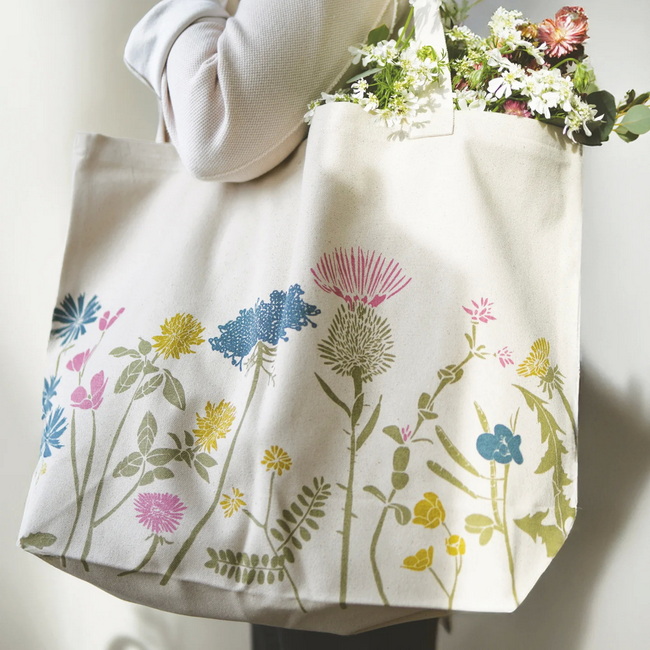
Staying updated with market trends strengthens your authority and supports more persuasive client conversations.
- The global canvas bags market is growing steadily as brands switch from plastic to reusable packaging solutions.
- Policy trends, such as plastic bag bans and retailer-led sustainability commitments, continue to push both canvas and cotton totes as default options for reusable shopping and packaging.
These trends mean a well-designed tote program can support both regulatory compliance and brand differentiation in one move.
In some projects, neither classic canvas nor plain cotton offers the best balance of performance, cost, and sustainability.
Common alternatives include:
- Jute – Rustic texture with strong farm-to-market appeal for grocery and organic brands.
- Non-woven polypropylene – Very low cost for mass events, semi-recyclable, but not biodegradable.
- Nylon and polyester – Lightweight and water-resistant; excellent for foldable shoppers and travel bags.
- Recycled PET (rPET) – Repurposes plastic bottles into bags that highlight circularity and up-cycling stories.
- Blended canvas – Combines cotton with recycled polyester for added strength and stability.
Evaluating these in parallel with canvas and cotton helps match the exact requirements of each project instead of forcing one material into every use case.
As a professional packaging material manufacturer and integrated packaging solution provider, HLun Pack can guide your team through a structured selection process.
- Heavy-duty, high-reuse scenarios such as groceries, laptops, or daily commuting point toward canvas.
- Lightweight promotion or fashion-led retail packaging often calls for cotton or cotton-blend designs.
Clarify whether the bag is mainly a long-term utility item or a branded gift-with-purchase.
- Eco-focused audiences respond strongly to certified natural fibers, clear impact data, and minimal packaging waste.
- Corporate, tech, or professional brands may prioritize durability, structure, and long service life to protect devices and documents.
Your ideal material should echo the values your brand already communicates in other channels.
- Screen print, bold logos, and simple color palettes pair perfectly with canvas.
- Digital DTG and illustration-heavy, gradient, or photographic designs perform better on cotton.
Aligning artwork and printing technology with the right fabric ensures consistent results across large print runs.
- Estimate expected uses per bag, using a high reuse threshold as a benchmark for environmental performance.
- Compare total budget against projected impressions and average lifetime, not just unit price or minimum order quantity.
This approach highlights which solution truly delivers value over the full life of the campaign.
- Confirm bag dimensions, handle length, and gusset design with your packaging machinery and packing line requirements so the bags work smoothly in automated or semi-automated systems.
- HLun Pack can fine-tune specifications such as thickness, handle construction, and reinforcement areas for both manual and machine-assisted packing workflows.
When the tote design is integrated with your machinery from day one, you avoid bottlenecks and hidden operational costs.
Proper care extends the life of both canvas and cotton totes, ensuring your logo stays visible longer.
- Wash in cold water and air dry to minimize shrinkage and protect prints.
- Spot-clean stains quickly to avoid deep pigment setting in natural fibers.
- For textured canvas, gently brush away surface dirt before washing to preserve fabric structure.
- Iron cotton on the reverse side if needed, avoiding direct heat on printed areas.
Including a small care icon set or printed care instructions inside the bag helps users get maximum life from each tote and maximizes the exposure of your brand.
Retailers that move from plastic to well-designed cotton or canvas totes often see higher on-street brand visibility and repeat website visits.
Brands that add QR codes, campaign URLs, or social handles to their tote designs frequently generate additional digital engagement as users carry the bag in public and scan when they have time.
When the bag material is aligned with real-world use—canvas for heavy daily use or cotton for fashionable light carry—the result is more consistent reuse and a higher cumulative impression count per bag.
If your team is planning a new tote bag program or upgrading an existing one, HLun Pack can turn these insights into measurable results.
With HLun Pack, you can:
- Co-develop custom canvas or cotton tote bag specifications tailored to your product, customer profile, and packing lines.
- Integrate bags with automated or semi-automated packaging machinery to improve efficiency and consistency.
- Balance branding, durability, sustainability, and cost through expert material selection and structural design.
Ready to turn your next tote into a long-life brand asset instead of a one-time giveaway?
Contact HLun Pack today to discuss a tailored canvas vs cotton tote bag solution that fits your packaging machinery, your budget, and your sustainability goals, and let our team help you design a tote program that delivers real ROI on every single use.
Canvas tote bags generally last longer because of their heavier, tightly woven fabric, which resists abrasion and stretching under heavy loads.
For high-frequency daily use, canvas is usually the more reliable long-term option.
Both materials are cotton-based, so their environmental impact depends heavily on reuse, farming methods, and production processes.
Organic or recycled cotton and consistent real-world reuse matter more than the label on the hangtag.
Canvas typically works best with bold screen prints and limited color palettes.
Cotton's smooth surface is ideal for digital direct-to-garment printing and designs with gradients, photos, and fine details.
Life-cycle analyses show that cotton-based totes need significant reuse to outperform single-use plastic bags in terms of carbon footprint.
The more frequently the bag is used per week and the longer it stays in use, the better its overall environmental performance.
Brands should choose cotton when weight must be minimal, budgets are tight, or the focus is on fashion-forward, soft, and natural aesthetics.
Cotton is also a strong choice when detailed artwork and high-resolution prints are central to the campaign.
1. https://pakoro.com/blog/canvas-vs-cotton-tote-bag/
2. https://tolitote.com/canvas-vs-cotton-tote-bag/
3. https://earthsafe.in/cotton-tote-bags-vs-canvas-tote-bags/
4. https://www.ecobagsupply.com/cotton-vs-canvas-bags-sustainable-tote-comparison/
5. https://packoi.com/blog/canvas-vs-cotton-tote-bag/
6. https://initibag.com/canvas-vs-cotton-tote-bag/
7. https://www.futuremarketinsights.com/reports/canvas-bags-market
8. https://qualitytotebag.com/blogs/news/canvas-vs-cotton-tote-bags
9. https://burgebag.com/canvas-bags-the-ultimate-guide-to-stylish-sustainable-totes-for-global-shoppers/
10. https://www.researchandmarkets.com/report/canvas-bags-market
11. https://www.gentlepk.com/what-is-the-difference-between-cotton-tote-bags-and-canvas-tote-bags/


