


close
Choose Your Site
Global
Social Media
Views: 222 Author: Amanda Publish Time: 2026-01-27 Origin: Site


Content Menu
● What Is a Subscription Box Business
● Why Subscription Boxes Are Booming in 2026
● 1. Build Predictable, Recurring Revenue
● 2. Lower Startup Capital and Smarter Inventory Planning
● 3. Tap Profitable Niche Markets
● 4. Create High-Value Customer Experiences
● 5. Leverage the Unboxing Experience as Marketing
● 6. Build Stronger Customer Relationships and Loyalty
● 7. Data-Driven Personalization and Smarter Marketing
● 8. Lower Marketing Costs Through Organic Reach
● 9. Align With Ecommerce and Mobile Shopping Trends
● Step-by-Step Blueprint to Start a Subscription Box
>> Step 1: Define Your Niche and Value Proposition
>> Step 2: Curate Products and Supplier Partnerships
>> Step 3: Design Your Packaging and Unboxing Flow
>> Step 4: Set Pricing and Subscription Options
>> Step 5: Launch, Measure, and Optimize
● How Packaging Design Directly Impacts Subscription Success
● Common Mistakes to Avoid When Starting a Subscription Box
● Take Your Subscription Box Idea From Concept to Reality
>> 1. Is a subscription box business still profitable in 2026
>> 2. How much does it cost to start a subscription box
>> 3. What are the most profitable subscription box niches
>> 4. Why is packaging so important for subscription boxes
>> 5. How can I reduce churn in my subscription box business
Starting a subscription box business in 2026 is one of the most efficient ways to build predictable revenue, deepen customer relationships, and turn great packaging into a powerful marketing channel. This long-form guide walks you step by step through why this model works, what numbers back it up, and how to launch a subscription box that stands out with professional packaging and an unforgettable unboxing experience.

A subscription box business sells curated products shipped on a recurring basis, such as weekly, monthly, or quarterly, in exchange for a repeat subscription fee. Instead of one-off sales, customers opt in to receive a themed box that matches their interests, such as beauty, snacks, books, pet supplies, or hobby items.
Unlike traditional ecommerce, this model focuses on recurring engagement: you collect customer preferences, curate new assortments over time, and deliver a branded unboxing experience that keeps subscribers excited for the next box. This is exactly where custom packaging and a carefully designed opening ritual become a competitive advantage.
The subscription box market has evolved from a niche trend into a fast-growing global industry.
- The global subscription box market has reached tens of billions of dollars in value and is projected to more than triple by the early 2030s, with strong double-digit compound annual growth rates.
- Market forecasts suggest subscription box revenues could exceed one hundred billion dollars worldwide within the next decade, driven by consumer demand for personalized and curated experiences.
- Mobile commerce and social media are major growth engines, with a large majority of consumers now purchasing via smartphones, which directly supports subscription models and recurring online orders.
For entrepreneurs and brands, these numbers mean there is still room for new, focused subscription offerings, especially if you combine smart positioning with professional packaging and clear value communication.
One of the strongest reasons to launch a subscription box business is financial predictability.
- With recurring subscriptions, you are not starting from zero every month; you can forecast revenue based on active subscribers and expected churn.
- Predictable demand makes it easier to plan investments in marketing, packaging inventory, and fulfillment capacity while avoiding sudden cash-flow shocks.
- Over time, recurring purchases significantly increase customer lifetime value because you earn from the same customer for months or even years.
A simple example: if your average subscription is 40 dollars per month and your typical subscriber stays for 10 months, that is 400 dollars in revenue from one acquisition. When you compare this to one-time sales, the long-term upside of a subscription model becomes clear.
Compared with many traditional retail businesses, a carefully planned subscription box can start with less upfront capital.
- Initial product inventory can be aligned with your first wave of preorders or early subscriber numbers, which minimizes the risk of overbuying and holding slow-moving stock.
- Subscription demand allows you to plan inventory in cycles, reducing storage costs and helping you negotiate better terms with suppliers based on predictable volumes.
- Because customers pay on a recurring basis, you can reinvest monthly cash flow into upgraded packaging, better products, and marketing instead of financing large one-time purchases.
To keep overhead low, many new operators test with small, well-defined batches and gradually scale their box quantity as retention stabilizes and marketing channels become more predictable.
Subscription boxes are particularly effective in niche categories where passion and curiosity are high.
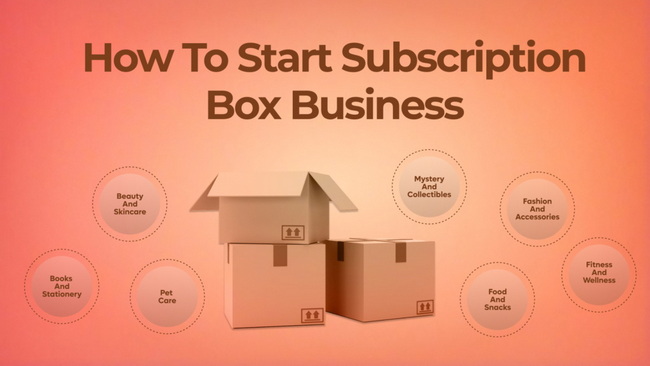
- Successful niches include beauty, specialty foods, coffee and tea, books, crafts, collectibles, fitness, pet products, and lifestyle gear.
- Customers in these segments are willing to pay for curation, discovery of new brands, and themed experiences that save them time while surprising them with relevant items.
- By focusing on a narrow audience, you can build clear messaging, recognizable branding, and tailored packaging that speaks directly to your ideal subscriber.
For example, a vegan snack subscription box can highlight values like sustainability and cruelty-free sourcing while using eco-friendly packaging and green visual cues to reinforce the brand promise. This tight positioning often leads to higher engagement and stronger word-of-mouth.
From the customer's perspective, a well-designed subscription box delivers strong perceived value each billing cycle.
- Curation means subscribers get a mix of full-size and sample products that often exceed the retail value of their subscription price, which feels like a smart deal.
- The box introduces them to new brands and product types they might not have discovered on their own, enhancing the sense of exploration and personalization.
- When it is easy to pause, skip, or upgrade a plan, customers view the service as flexible and low-risk, which can increase signups and retention.
In other words, your subscription box is not just a package of items; it is a service experience that combines product discovery, convenience, and ongoing communication with your brand.
The unboxing experience is no longer just an afterthought; it is a central part of why subscription boxes work so well.
- A memorable unboxing can significantly increase retention and customer lifetime value, because customers look forward to the ritual of opening their box each billing cycle.
- Social media platforms like Instagram, TikTok, and YouTube amplify this effect: subscribers frequently share their unboxing experiences, effectively turning into brand ambassadors.
- Packaging that is visually striking, well-printed, and consistent with your brand identity is more likely to be photographed and shared, generating organic reach and new subscriber interest.
Materials such as premium coated boards with sharp print quality help create “Instagram-worthy” boxes that stand out in feeds and stories. When you combine attractive exterior design with personalized interior elements, like messages, QR codes, or small thank-you cards, you can transform each box into a mini marketing campaign.
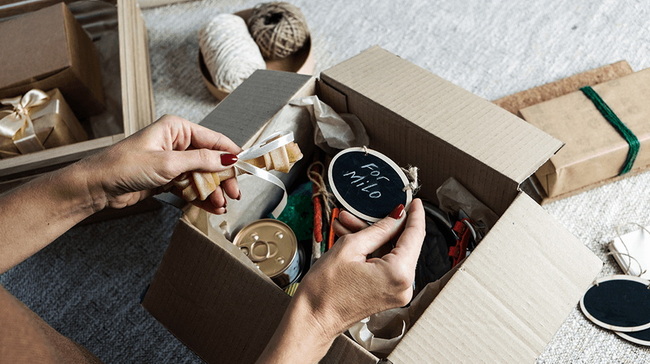
Subscription boxes give brands more frequent touchpoints with customers than most traditional retail channels.
- Regular deliveries keep your brand top of mind and create an ongoing dialogue through email updates, packaging inserts, and social content.
- Offering exclusive discounts, early access to new products, or members-only items within the box strengthens loyalty and retention.
- Over time, data from subscription behavior, such as skips, upgrades, and product feedback, helps you refine curation and packaging, delivering on what your audience genuinely values.
This ongoing relationship turns your subscribers into a community, rather than a collection of one-time purchasers. For many brands, this deeper connection is one of the most valuable long-term assets created by a subscription model.
Subscription box businesses are naturally data-rich, which makes optimization and personalization much easier.
- You can track which box themes perform best, which packaging designs lead to more social shares, and which insert messages drive the highest repeat engagement.
- Customer profiles and purchase histories allow you to segment your audience and run highly targeted campaigns, such as limited-edition boxes or anniversary rewards for long-term subscribers.
- With this insight, you can refine your packaging choices too, for instance by switching to more sustainable materials if your core audience values environmental impact.
Over time, this feedback loop lets you keep improving both the box content and the unboxing experience, making your brand more relevant with every shipment.
Because a well-executed subscription box is naturally shareable, it can help reduce your cost per acquisition.
- Eye-catching packaging and thoughtful unboxing experiences encourage subscribers to post photos and videos, which are then seen by their friends and followers.
- This form of authentic, user-generated content often feels more trustworthy to potential buyers than traditional ads and can drive signups at a lower cost.
- Brands that design their boxes intentionally for “camera moments”, such as unveiling the lid, revealing special interior printing, or adding a surprise element, often see much higher engagement rates.
If you pair these organic exposures with trackable offers or referral links printed inside the box, you can turn each shipment into a self-reinforcing growth engine.
The shift to ecommerce and mobile shopping has strongly favored the subscription model.
- Online shoppers increasingly prefer set-and-forget solutions that automate repeat purchases, especially for consumables like snacks, personal care, and pet supplies.
- With most consumers using smartphones to place orders, a frictionless signup process plus clear visuals of your packaging and box contents can significantly increase conversions.
- Subscription services also help brands stay relevant and visible in a competitive environment by generating regular touchpoints and recurring reasons to communicate.
Positioning your subscription box as a convenient, mobile-friendly experience from browsing to checkout to tracking deliveries will align your business with how customers already prefer to shop.
To convert interest into action, you need a clear, practical launch roadmap.
- Identify a specific audience with a clear interest or pain point, such as busy professionals needing quick healthy snacks or parents seeking creative activities for kids.
- Clarify the core promise of your box: discovery, convenience, savings, or a combination of these.
- Analyze competing boxes and decide how you will differentiate: product quality, price, packaging design, sustainability, or personalization.
- Shortlist potential suppliers that align with your niche values and quality expectations.
- Negotiate sample runs, wholesale terms, and co-marketing opportunities; vendors often welcome exposure through subscription boxes.
- Test assortments internally and with a small group of beta users to refine product mix and perceived value.
- Choose a box size and structure that fits your products snugly while leaving enough room for tissue, fillers, and inserts.
- Develop a clear brand identity across your exterior print, interior messages, and any included cards or brochures.
- Map the unboxing sequence step by step to ensure the most visually appealing or surprise elements appear at the right moment.
- Calculate total cost per box, including products, packaging, fulfillment, shipping, and marketing, and then add your desired margin.
- Consider offering monthly, quarterly, and prepaid plans to maximize cash flow and appeal to different customer segments.
- Make cancellation and pause policies transparent to reduce buyer hesitation and increase trust.
- Start with a soft launch to a limited audience, gather feedback, and adjust your product mix and packaging.
- Track key metrics like churn, average revenue per user, referral rates, and unboxing-related social media mentions.
- Continuously iterate on box contents, packaging details, and communication based on both data and qualitative feedback.
For subscription boxes, packaging is not just a cost; it is a revenue driver.
- Premium packaging materials and high-quality printing increase perceived product value and justify higher subscription prices, especially in beauty and lifestyle categories.
- Brands that invest in unique box structures, vibrant colors, and interior print often see better social media performance and more unboxing content generated by customers.
- Thoughtful structural design also protects products in transit, reducing damage-related refunds and improving customer satisfaction.
A well-designed subscription box typically includes:
- Sturdy, branded outer box
- Internal printing or a clear brand message
- Customized inserts, such as a thank-you note, product guide, or QR code
- Protective materials that match the visual theme
If you are working with a professional packaging partner, you can explore custom dielines, specialty finishes, or eco-friendly materials that align with your brand positioning and your audience's expectations.
Understanding what can go wrong will help your subscription business grow more smoothly.
- Underestimating packaging and shipping costs: Many first-time operators price their boxes without fully accounting for materials, printing, inserts, and delivery fees, which can quickly erode margins.
- Weak or generic positioning: Launching a “box for everyone” usually leads to unclear messaging and poor retention; specificity wins in this market.
- Ignoring unboxing details: Overlooking interior design, product arrangement, and messaging means missing out on powerful word-of-mouth and shareable moments.
- Not tracking churn: Focusing only on new signups without understanding why customers cancel will limit long-term growth and profitability.
By planning carefully and partnering with experienced packaging specialists, you can avoid these pitfalls and build a subscription box that is both visually compelling and financially sustainable.
If you are ready to turn your subscription concept into a tangible product, you need reliable packaging, consistent quality, and support from structural design to printing. Whether you are launching your first 100 boxes or scaling into the thousands, HLun Pack, your professional packaging materials manufacturer and integrated packaging solutions partner, can help you choose the right box style, materials, and print finishes, optimize structural design, and align packaging with your brand identity, sustainability goals, and budget.
Start designing your subscription box today — contact HLun Pack's packaging experts now to discuss your idea, request samples, or get a tailored quotation for your next subscription box launch.
Contact us to get more information!
Yes. Global subscription box revenues continue to grow at strong double-digit rates, and market projections show significant expansion through the next decade, especially in niche and mobile-driven segments.
Startup costs vary, but many entrepreneurs begin with small batches by aligning product procurement, packaging, and fulfillment volumes closely with preorders and early subscribers to reduce capital risk.
Popular and profitable niches include beauty, personal care, specialty food and beverages, pet products, hobbies, and lifestyle boxes that emphasize curated experiences and strong brand storytelling.
Packaging strongly influences perceived value, protects products, and can turn every shipment into a shareable unboxing moment that drives organic word-of-mouth and social media reach.
You can reduce churn by optimizing product-market fit, delivering consistent value, personalizing experiences using customer data, and continually improving packaging and unboxing based on feedback and engagement metrics.
1. https://www.imarcgroup.com/subscription-box-market
2. https://www.atomixlogistics.com/blog/ecommerce-subscription-model-benefits
3. https://blog.fetchingpack.com/why-your-subscription-box-needs-a-memorable-unboxing-experience
4. https://www.businessresearchinsights.com/market-reports/subscription-box-market-104636
5. https://stripe.com/resources/more/subscription-box-business-models-101-different-types-and-how-to-pick-one
6. https://blog.fantastapack.com/the-evolution-of-unboxing-and-the-impacts-of-social-media
7. https://market.us/report/subscription-box-market
8. https://dokan.co/blog/498841/ecommerce-subscription-model
9. https://www.packagingdive.com/news/unboxing-ecommerce-box-sustainability-tiktok-jbm-orora/690348
10. https://www.rootsanalysis.com/subscription-box-market


