


close
Choose Your Site
Global
Social Media
Views: 222 Author: Amanda Publish Time: 2026-01-20 Origin: Site


Content Menu
● Why Keychain Packaging Matters for Your Brand
● Core Keychain Packaging Types & Ideas
>> Minimalist Keychain Packaging
>> Custom Printed Keychain Boxes
>> Personalized & Gift‑Ready Packaging
>> Vintage & Retro‑Inspired Designs
>> Wooden Boxes & Rigid Premium Packaging
>> Transparent & Window Packaging (Bags, Films, Acrylic)
>> Plastic Clamshells & Blister Packs
>> Custom Pouches & Reusable Bags
>> DIY & Customizable Packaging Concepts
● E‑Commerce‑Ready Keychain Packaging Strategies
● Eco‑Friendly Keychain Packaging Trends
● How to Choose the Right Keychain Packaging (Step‑by‑Step)
● Packaging Idea Matrix by Brand Goal
● Key Advantages of Well‑Designed Keychain Packaging
● How HLun Pack Supports Your Keychain Packaging Projects
● Plan Your Next Keychain Packaging Line with HLun Pack
● FAQs About Keychain Packaging
>> 1. What packaging material is best for keychains?
>> 2. How can I make my keychain packaging more eco‑friendly?
>> 3. What is the most cost‑effective packaging for large keychain orders?
>> 4. How do I choose packaging for both online and retail sales?
>> 5. Can HLun Pack supply both packaging materials and machinery for keychain projects?
Keychain packaging is no longer just a simple wrapper; it is a miniature billboard that protects your product, communicates your brand story, and creates a memorable unboxing moment for customers. For brands, wholesalers, and e‑commerce sellers, choosing the right keychain packaging solution directly affects product safety, shipping efficiency, and perceived value on the shelf or online.
As a professional packaging materials and machinery manufacturer, HLun Pack helps brands turn creative keychain packaging ideas into scalable, cost‑effective packaging lines using high‑quality paper, flexible packaging, and integrated equipment solutions.

Keychain packaging refers to any protective and branded container used to hold, display, and ship keychains, from simple plastic bags to luxury gift boxes. It must balance protection, branding, cost, and sustainability while matching the product's positioning and target customer.
Common materials include paperboard boxes, kraft paper, plastic clamshells, reusable pouches, and transparent films, each chosen for specific markets such as retail stores, online shops, or corporate gifting.
High‑quality keychain packaging does much more than prevent scratches; it shapes first impressions and influences purchase decisions. Well‑designed packaging can make a small, low‑ticket item feel like a premium gift, boosting perceived value and repeat purchases.
For e‑commerce and wholesale, optimized packaging also reduces damage in transit, improves warehouse organization, and makes bulk packing faster and more consistent.
Minimalist packaging focuses on simple forms, clean lines, and limited color palettes, often in black, white, grey, or kraft tones with a bold logo. This style works well for modern brands, tech accessories, and lifestyle keychains that target design‑conscious consumers.
A typical minimalist setup uses small rigid or folding cartons with subtle embossing or foil, delivering a premium feel while keeping printing costs controlled.
Custom printed boxes are one of the most versatile keychain packaging options, allowing full‑surface branding, product information, and promotional messages. These boxes can be tailored to specific keychain sizes and shapes, reducing movement inside and improving protection during shipment.
Brands often choose recyclable cardboard or kraft paper, combining eco‑friendly materials with high‑quality offset printing to communicate sustainability and professionalism at the same time.
Personalized keychain packaging adds elements such as names, short messages, occasion tags, or custom cards, turning a simple item into a meaningful gift. This approach is popular for wedding favors, corporate giveaways, and holiday campaigns where emotional connection matters more than price.
Using small insert cards, printed sleeves, or inside‑box messages allows brands to run short, customized batches without redesigning the entire box structure.
Vintage keychain packaging uses retro fonts, kraft paper, aged textures, and classic color schemes to evoke nostalgia and story‑driven branding. This style suits handmade, artisanal, or heritage‑themed keychains that reference old maps, films, or retro logos.
Combining kraft paper boxes with stamped logos, string ties, or wax‑seal‑style stickers delivers a nostalgic unboxing experience while remaining cost‑effective and recyclable.
Wooden or rigid board boxes are ideal for collectible or high‑value keychains, such as limited editions, branded merchandise, or souvenir pieces. These structures offer outstanding protection, a heavy hand‑feel, and large printable surfaces for logos and graphics.
Laser engraving or spot UV details on wooden lids or rigid boxes can highlight brand marks without heavy ink coverage, emphasizing craftsmanship and premium positioning.
Transparent packaging lets customers see the keychain before buying, which is especially important for detailed designs or vibrant colors. Options include:
- Clear self‑sealing bags with printed header cards
- Windowed paperboard boxes with small transparent windows
- Clear acrylic cartons or clamshells for display‑rich retail environments
These formats are widely used in retail chains and online orders because they combine visibility with dust and scratch protection.
Plastic clamshell packaging uses hinged or sealed plastic shells that hold the keychain securely in a molded cavity. This design is strong, tamper‑resistant, and ideal for peg‑hook retail displays where the product must be visible from multiple angles.
To reduce environmental impact, many brands now switch from conventional plastics to recycled or mixed paper–plastic structures, improving recyclability while still delivering strong protection.
Custom fabric or synthetic pouches create a soft, gift‑like presentation and can be reused by customers beyond the original purchase. They are lightweight, space‑saving, and suitable for online orders, subscription boxes, and corporate gifting.
By printing or embroidering logos on the pouch, brands extend exposure every time the pouch is reused, effectively turning the packaging into a long‑term promotional item.
Luxury packaging combines premium materials such as rigid boxes, metal accents, glass, or magnetic closures with meticulous finishing. This level of packaging is usually reserved for high‑margin items, limited‑edition collaborations, or high‑end corporate gifts.
Common features include soft‑touch lamination, foam inserts, satin linings, and magnetic closure lids that provide a smooth, satisfying opening feel for customers.
DIY packaging concepts encourage customers to take part in the design process, for example by adding stickers, writing messages, or assembling simple sleeves or boxes. This is especially attractive for craft brands, marketplace sellers, and gift box companies that sell both keychains and packaging kits.
Brands can provide blank kraft boxes, pre‑printed templates, or sticker sheets that consumers can personalize at home, creating a more memorable gift‑giving experience.

For online sellers, keychain packaging must perform in three areas simultaneously: protection, branding, and shipping efficiency. Because parcels are often stacked or handled roughly during transit, a well‑fitted inner box or reinforced mailer is essential to prevent dents and scratches.
Smart e‑commerce strategies include:
- Using small, sturdy boxes that fit mailer dimensions to reduce volumetric weight
- Adding thin foam pads or card inserts to prevent internal movement
- Printing QR codes that link to product care pages, brand stories, or upsell offers
Sustainability is now a core decision factor for many buyers, especially in gift, lifestyle, and accessories categories. Brands are rapidly moving from mixed plastic packs to recyclable paperboard, biodegradable films, and reusable fabric pouches.
Popular eco‑friendly tactics include:
- Switching to kraft paper or certified boards for custom boxes
- Using recycled or bio‑based plastics for windows and clamshells
- Printing minimal ink coverage and avoiding unnecessary plastic coatings
Selecting the best keychain packaging involves aligning the product, channel, and budget. A simple low‑cost keychain for bulk promotion may not need rigid luxury boxes, while a collectible series sold in limited quantities benefits from premium packaging.
Step‑by‑step approach:
1. Define your target customer and price point
Decide if your keychain is a budget souvenir, mid‑range accessory, or premium collectible.
2. Map your sales channels
Retail shelves may need hang holes and strong plastic or rigid boxes; e‑commerce can favor compact cartons and protective mailers.
3. Set protection requirements
Consider metal edges, fragile charms, or multiple keychains per pack; choose inserts or foam if needed.
4. Decide on sustainability level
Select recyclable paperboard, recycled plastic, or reusable pouches based on your brand's environmental commitments.
5. Plan branding elements
Integrate logos, colors, fonts, and storytelling on boxes, sleeves, or cards for a consistent experience.
6. Run a small pilot
Test packaging with a limited batch to check assembly time, shipping damage rate, and customer feedback before scaling.
Brand goal | Recommended main packaging | Key features & notes |
Minimal cost, mass promo | Simple card + self-sealing bag | Flat, lightweight, easy to hang or ship; minimal printing and materials. |
Modern lifestyle branding | Minimalist printed paperboard box | Clean design, neutral colors, logo focus; good for retail and online. |
Eco-friendly positioning | Kraft box or paper sleeve + pouch | Recyclable, low-ink printing, optional reusable pouch insert. |
Premium collectible series | Rigid box or wooden case with insert | Foam or card insert, embossing, or foil; suitable for gifting and display. |
Gift & personalization | Custom printed box + message card | Inside message, custom name printing, ideal for events and corporate gifts. |
Thoughtfully engineered keychain packaging offers multiple business‑level benefits beyond aesthetics.
- Protection and security: Prevent scratches, dust, and bending during storage and transportation.
- Brand visibility: Printed logos, colors, and messages increase recognition in stores and unboxing content.
- Operational efficiency: Standardized sizes and structures speed up packing, improve pallet utilization, and cut logistics costs.
- Customer experience: A satisfying unboxing moment supports positive reviews, social sharing, and repeat purchases.
HLun Pack operates a professional packaging materials factory and a dedicated packaging machinery factory, allowing brands to develop and scale keychain packaging from concept to mass production under one roof. With experience in paper packaging, flexible packaging, and integrated equipment, the team can match structural design, printing, and packing automation to your product and budget.
Services include custom box development, flexible pouch and film solutions, and in‑house machinery to help you build efficient, stable, and cost‑effective packaging lines for keychains and other small accessories.
If you are planning a new keychain collection or upgrading existing packaging, now is the best time to align your design, materials, and machinery with long‑term growth goals. HLun Pack can work with your team to optimize structures, choose sustainable substrates, and configure equipment that balances protection, branding impact, and cost efficiency.
To discuss your next project, request samples, or explore a complete packaging solution for keychains and other accessories, contact HLun Pack's packaging specialists today and start building a high‑performing packaging line tailored to your brand.
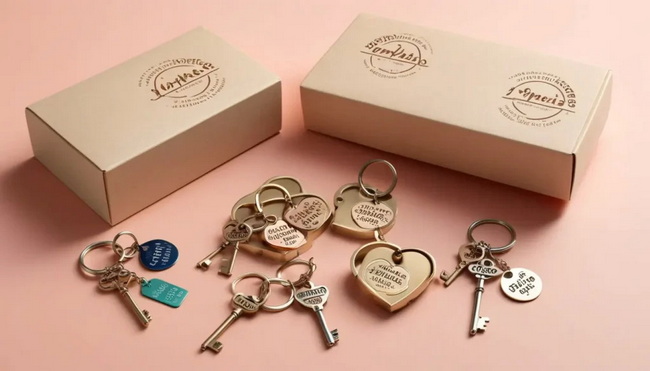
For most brands, paperboard boxes or kraft cartons offer the best balance of protection, printability, and sustainability. High‑value or collectible keychains may require rigid or wooden boxes with inserts, while mass‑market promotions often use simple cards and self‑sealing bags.
You can switch to recyclable paperboard, reduce plastic windows, and use recycled or bio‑based plastics where transparency is needed. Reusable fabric pouches and low‑ink kraft printing are also effective ways to lower environmental impact while maintaining brand appeal.
For large volumes, flat card backing with self‑sealing bags or simple folding cartons is usually the most economical solution. Standardizing sizes and using efficient die‑cuts can further reduce material waste and printing costs at scale.
Hybrid solutions, such as small cardboard boxes with hang tabs or windowed cartons, work well for brands that sell online and in stores. These designs protect keychains in shipping cartons while still offering visibility and peg‑display options at retail.
HLun Pack can provide custom paper and flexible packaging plus integrated packaging machinery to support on‑site production. This enables brands and factories to streamline procurement, improve packing efficiency, and maintain consistent quality across keychain and other small‑item packaging lines.
1. https://www.thestudio.com/blog/keychain-packaging-ideas/
2. https://pakoro.com/blog/10-keychain-packaging-ideas-combination-of-function-and-fashion/
3. https://packhit.com/packaging/ideas/keychain/
4. https://www.thecustomboxes.com/keychain-boxes/
5. https://www.arka.com/pages/keychain-packaging-ideas
6. https://oxopackaging.com/keychain-packaging.html
7. https://customboxeslane.com/keychain-packaging
8. https://www.expertcustomboxes.com/retail-boxes/keychain-packaging
9. https://www.etsy.com/market/packaging_keychain
10. https://www.reddit.com/r/Etsy/
11. https://www.hlunpack.com
12. https://www.thestudio.com/blog/keychain-packaging-ideas/


