


close
Choose Your Site
Global
Social Media
Views: 222 Author: Amanda Publish Time: 2026-01-19 Origin: Site


Content Menu
● Europe's Packaging Film Market Landscape
● Key Film Types Offered in Europe
>> Emerging Structures and Mono-Material Concepts
● Regulatory Drivers: PPWR and Circular Economy
● Leading Packaging Film Suppliers and Manufacturers in Europe
>> Mondi
>> Amcor
>> Other Notable European Players
● How Buyers Select Film Partners in Europe
>> Technical and Product Capabilities
>> Sustainability and Compliance
>> Service, Scale, and Risk Management
● The Role of Distributors and Converters
● Sustainability Strategies Among European Film Suppliers
● Integration of Films with Packaging Machinery
● Opportunities for HLun Pack and Similar Solution Providers
● FAQ
>> 1. What defines leading Packaging Film Suppliers and Manufacturers in Europe?
>> 2. Which sectors rely most on European packaging films?
>> 3. How are European Packaging Film Suppliers and Manufacturers addressing sustainability?
>> 4. What should buyers consider when choosing a European film partner?
>> 5. How does regulation influence Packaging Film Suppliers and Manufacturers in Europe?
Europe is home to some of the world's most advanced Packaging Film Suppliers and Manufacturers, serving leading food, pharmaceutical, industrial, and e‑commerce brands with high‑performance flexible packaging films. The region combines a strong regulatory framework with deep technical expertise, which pushes Packaging Film Suppliers and Manufacturers to innovate rapidly in sustainability, circularity, and high‑barrier performance.
This article explores the European market landscape for packaging films, profiles major Packaging Film Suppliers and Manufacturers, and explains how buyers can select partners that align with their performance and sustainability goals. It is designed for brand owners, converters, machinery users, and integrated solution providers such as HLun Pack who want to better understand the opportunities in this dynamic sector.

Across Europe, demand for flexible packaging films continues to rise as brand owners pursue lightweighting, convenience features, and cost‑effective protection across the entire value chain. Flexible films allow producers to reduce material usage, cut transport emissions, and improve shelf presentation without sacrificing product safety or shelf life.
Industry analysts highlight that Europe's packaging film market is characterized by a mix of multinational Packaging Film Suppliers and Manufacturers and strong regional specialists. Together they serve a wide range of applications, including food, snacks, beverages, medical devices, pharma, personal care, household products, and industrial logistics. Market concentration remains relatively fragmented, which gives buyers ample choice while still allowing leaders to set standards in recyclability, post‑consumer recycled (PCR) content, and downgauging.
Flexible Packaging Europe, the main industry association for flexible packaging manufacturers, notes that its member companies alone account for nearly 90% of European flexible packaging sales. More than half of all food products sold at European retail are packed using flexible packaging solutions. This underscores how central Packaging Film Suppliers and Manufacturers have become to modern retail and food distribution in Europe.
European Packaging Film Suppliers and Manufacturers supply a broad spectrum of films to match different mechanical, optical, and barrier requirements. Each film family brings its own balance of sealability, stiffness, clarity, and recyclability, and converters often combine several types in laminations to achieve precise performance targets.
- Polyethylene (PE) films
PE is widely used for stretch wrap, shrink bundling, heavy‑duty sacks, carrier bags, and many sealant webs. Both low‑density (LDPE) and linear low‑density (LLDPE) structures are commonplace, with specialty blends tailored for toughness, puncture resistance, and downgauging.
- Polypropylene (PP) and oriented polypropylene (BOPP, CPP)
BOPP films are the backbone of many snack, confectionery, and biscuit packages, as well as labels and overwraps. Cast PP (CPP) supports high‑seal applications and retortable structures. European Packaging Film Suppliers and Manufacturers with strong BOPP portfolios are key partners for big retail brands that rely on premium print quality and excellent machinability.
- Polyester (PET) films
PET films provide stiffness, heat resistance, and good gas barrier. They are widely used in laminates for coffee, dry foods, pet foods, and industrial pouches. In medical and pharma applications, PET films also serve as high‑performance webs in sterilizable structures and lidding.
- Polyamide (PA) and EVOH-containing barrier films
PA and EVOH layers are used in multilayer structures to deliver oxygen and aroma barrier for vacuum packs, modified atmosphere packaging (MAP), and long‑shelf‑life foods. European Packaging Film Suppliers and Manufacturers are optimizing these structures to reduce overall material thickness while retaining barrier performance.
A defining trend in Europe is the shift from complex, non‑recyclable multilayer laminates toward mono‑material designs. Mono‑PE and mono‑PP film families are being engineered to replace laminates that historically combined PET, aluminum, PA, and PE. These next‑generation films are designed to flow through established polyolefin recycling streams while still delivering shelf life, print quality, and line speeds comparable to traditional laminates.
Specialty mono-material films may integrate advanced coatings, metallization, or nano‑layers to enhance barrier without compromising recyclability criteria. As PPWR rules tighten, Packaging Film Suppliers and Manufacturers who master mono-material structures are rapidly becoming preferred partners for European retailers and FMCG groups.
The EU's Packaging and Packaging Waste Regulation (PPWR) is radically reshaping how packaging films are designed, produced, and used. The regulation aims to reduce packaging waste, harmonize rules across member states, and accelerate the transition to a circular economy.
Key PPWR expectations include:
- All packaging placed on the EU market must be designed for recycling by 2030, with effective large‑scale recycling by 2035.
- Minimum PCR content thresholds for plastic packaging, covering PET and other materials, will apply progressively from 2030 onward.
- Reuse targets and waste‑reduction measures will affect transport packaging, including shrink films and pallet wraps.
- Stricter rules on harmful substances, clear labeling for sorting, and full technical documentation and declarations of conformity for packaging placed on the market.
For Packaging Film Suppliers and Manufacturers, PPWR means that recyclability, recycled content, and transparent compliance documentation are no longer optional differentiators—they are mandatory requirements for long‑term viability. Suppliers must be able to demonstrate design‑for‑recycling credentials, LCA impacts, and robust QA systems that ensure PCR materials meet strict food‑contact and performance standards.
Europe hosts a diverse mix of global leaders and regional champions. Below is an overview of selected Packaging Film Suppliers and Manufacturers that significantly shape the European market.
Mondi is a major global packaging and paper group with extensive operations throughout Europe. The company produces flexible packaging films, laminates, and paper‑based solutions, combining plastics and fiber innovations. Its portfolio covers PE and PP films, high‑barrier laminates, and a growing range of recyclable and compostable structures.
Mondi invests heavily in recycling infrastructure and in the development of mono‑material solutions for pouches, flowpacks, and form‑fill‑seal (FFS) structures. For buyers seeking Packaging Film Suppliers and Manufacturers that can support both sustainability and high‑speed packaging performance, Mondi is frequently a first choice.
Amcor is one of the largest flexible packaging companies in the world, with a strong European footprint. The company's flexible division offers high‑barrier films, laminates, medical films, and specialty formats such as retort pouches and lidding.
Amcor focuses on designing packaging that meets demanding brand‑owner scorecards for recyclability and CO₂ reduction. Its R&D centers work closely with customers and machinery OEMs to validate mono-material structures, advanced coatings, and high‑clarity films for food, beverage, healthcare, and personal care applications.
Jindal Films Europe is a key producer of BOPP and other oriented films, supplying converters and brand owners across the continent. Its product line includes transparent, white cavitated, metallized, and barrier BOPP grades, which are widely used in snacks, confectionery, and labels.
As one of the prominent Packaging Film Suppliers and Manufacturers, Jindal Films Europe emphasizes downgauging, improved stiffness, and enhanced barrier, enabling customers to reduce material usage while maintaining shelf appeal and machinability.
Innovia Films, part of CCL Industries, is known for high‑performance BOPP and specialty films for labels, tobacco packaging, and technical applications. The company also offers cellulose‑based films for high‑end and sustainable packaging concepts.
Innovia's expertise lies in engineered surfaces, including matte, clear, and white films optimized for outstanding printability and durability. For converters and brand owners that require distinctive visual effects and functional features, Innovia is a strategic supplier.
Taghleef Industries (Ti) operates film plants across Europe and globally. Its portfolio includes BOPP and specialty films for food packaging, labels, industrial applications, and technical laminates.
Ti is active in the development of recyclable structures and has been advancing new barrier technologies capable of replacing aluminum‑based laminates. For customers seeking Packaging Film Suppliers and Manufacturers with both scale and flexibility, Taghleef is frequently included in sourcing panels.
Alongside these global leaders, multiple regional Packaging Film Suppliers and Manufacturers form an essential part of Europe's supply network:
- Klöckner Pentaplast focuses on rigid and flexible PVC, PET, and specialty films for food and pharma packaging, blisters, and trays.
- SÜDPACK specializes in multilayer high‑barrier films for cheese, meat, and protein applications, offering advanced thermoforming and top‑web solutions.
- Vibac is recognized for BOPP films used in self‑adhesive tapes and packaging films for logistics and general purpose.
- Trioworld is a strong player in stretch film and recycled-content pallet wrap solutions, supporting logistics, agriculture, and industrial markets.
- Multiplastics and Uniflex provide a variety of flexible packaging films, pre‑converted laminates, and printed structures for food, retail, and label applications.
Together, these Packaging Film Suppliers and Manufacturers give European buyers a broad selection of capabilities, from commoditized film grades to highly engineered, application‑specific solutions.

Choosing the right Packaging Film Suppliers and Manufacturers in Europe involves balancing technical performance, cost, sustainability, and service. Buyers typically evaluate suppliers against several key criteria.
- Portfolio breadth
Buyers look for suppliers offering PE, PP, BOPP, PET, PA, and specialty barrier films under one roof, or through coordinated partnerships. This simplifies sourcing and allows harmonized film platforms across multiple products.
- Machinability
Films must run smoothly on existing packaging machinery—form‑fill‑seal lines, horizontal and vertical flow wrappers, thermoformers, and pouch lines—without excessive adjustments or downtime. Suppliers that can support tests, provide detailed film data, and advise on sealing parameters are highly valued.
- Application know‑how
Leading Packaging Film Suppliers and Manufacturers maintain deep expertise in segments like coffee, dairy, pet food, medical devices, and personal care. This allows them to recommend proven film structures that shorten development cycles and reduce risk.
- Recyclability and mono-material design
Under PPWR, packaging films must be designed for recycling. Buyers therefore prioritize suppliers with certified recyclable film families and clear design‑for‑recycling guidance.
- PCR content and sourcing
Access to high‑quality PCR resins is a strategic asset. Suppliers with internal recycling plants or strong PCR sourcing agreements can help customers reach minimum recycled content targets while maintaining quality.
- Documentation and regulatory support
As regulations tighten, buyers expect Packaging Film Suppliers and Manufacturers to provide declarations of conformity, migration test data, and complete technical documentation for each film. This is critical for audits and for selling into food, pharma, and medical markets.
- Multi‑site production and contingency
Buyers often prefer suppliers with multiple European plants to reduce supply risk and ensure redundancy.
- Lead times and flexibility
Shorter lead times and the ability to handle order variability are important, especially for seasonal FMCG categories.
- Technical collaboration
Co‑development projects, on‑site trials, and joint optimization of packaging lines are key differentiators. Packaging Film Suppliers and Manufacturers that combine film expertise with machinery knowledge are particularly attractive to integrated solution providers like HLun Pack.
While large brand owners may buy directly from major Packaging Film Suppliers and Manufacturers, a significant share of European demand is served through distributors and converters. These intermediaries:
- Aggregate volumes from multiple downstream customers, allowing smaller brands to access advanced films and laminates without meeting high minimum order quantities.
- Provide value‑added services such as printing, lamination, slitting, and pouch‑making, often operating as an extension of the film producer.
- Offer localized stockholding and rapid delivery, which is crucial for converters and packers with tight lead‑time expectations.
For HLun Pack and similar integrated solution providers, close partnerships with both primary film producers and regional converters make it possible to offer comprehensive packaging solutions that combine the right film with the right packaging machinery and line layout.
Sustainability is now a strategic priority for virtually all major Packaging Film Suppliers and Manufacturers in Europe. Key levers include:
- Lightweighting and downgauging
By using resin blends, orientation technologies, and advanced formulations, suppliers reduce film thickness while preserving or improving barrier and mechanical performance. This helps lower material usage and carbon footprint per pack.
- PCR integration
Increasing amounts of PCR PE and PCR PP are being incorporated into both industrial and, progressively, food‑contact films. Suppliers invest in decontamination technologies, filtration, and quality control to ensure that PCR‑rich films meet demanding standards.
- Design for recycling
Film structures are being simplified—fewer incompatible polymer layers, reduced use of aluminum, and careful choice of inks, coatings, and adhesives. Clear design rules help ensure that packs can be sorted and recycled at scale.
- Bio-based and specialty solutions
Some Packaging Film Suppliers and Manufacturers are introducing bio-based polymers or certified compostable films for specific applications where recycling is difficult, such as certain foodservice items or packs contaminated with organic residues. These solutions are typically targeted at defined niches and must still comply with PPWR conditions.
A crucial differentiator for advanced Packaging Film Suppliers and Manufacturers is their understanding of how films behave on high‑speed packaging lines.
Machines such as vertical form‑fill‑seal, horizontal flow wrappers, thermoformers, and cartoners all impose specific requirements on stiffness, slip, seal initiation temperature, hot‑tack, and coefficient of friction. When films are modified—for example, to include more PCR, to reduce thickness, or to switch from multilayer to mono-material—these parameters can change significantly.
Successful suppliers therefore:
- Work closely with machinery OEMs to validate new film structures at industrial speeds.
- Offer technical teams who visit customer sites, tune sealing jaws and temperature profiles, and troubleshoot issues related to sealing, wrinkling, or registration.
- Provide detailed technical data sheets and processing guidelines, reducing trial‑and‑error time on new packaging projects.
Integrated solution providers like HLun Pack can leverage these capabilities by combining film choice, machine configuration, and line optimization in a single project scope. This holistic approach reduces time‑to‑market and minimizes the risk of performance issues in commercial production.
For a professional packaging material manufacturer and packaging machinery solution provider such as HLun Pack, Europe presents several strategic opportunities:
- Partnering with leading Packaging Film Suppliers and Manufacturers to co‑develop film and machine combinations optimized for specific end markets, such as snacks, frozen foods, fresh proteins, or medical devices.
- Offering turnkey packaging solutions that integrate films, machines, and line engineering, providing customers with a single point of responsibility.
- Supporting customers with feasibility studies when switching from rigid to flexible formats, or from traditional laminates to mono-material solutions compliant with PPWR.
- Using European best practices in recyclability and circular design as benchmarks for projects in other regions, thereby giving customers a consistent global approach to sustainable packaging.
By aligning with Europe's leading Packaging Film Suppliers and Manufacturers, HLun Pack can enhance its value proposition as a comprehensive partner for brands looking to modernize and future‑proof their packaging operations.
Europe has developed a sophisticated ecosystem of Packaging Film Suppliers and Manufacturers, encompassing global players like Mondi, Amcor, Jindal Films Europe, Innovia Films, and Taghleef Industries, as well as highly specialized regional producers. These companies supply the films that underpin modern food, pharma, personal care, and industrial packaging across the continent.
Regulations such as PPWR, combined with retailer and consumer expectations, are accelerating the transition to recyclable, downgauged, and PCR‑rich film structures. In this environment, the most successful Packaging Film Suppliers and Manufacturers are those that combine strong R&D, regulatory expertise, and deep collaboration with packaging machinery partners.
For converters, brand owners, and integrated solution providers like HLun Pack, building long‑term partnerships with innovative European film manufacturers offers a path to more efficient, sustainable, and future‑ready packaging. By carefully evaluating technical capabilities, sustainability roadmaps, and service models, buyers can select the right Packaging Film Suppliers and Manufacturers to support their growth in Europe's dynamic packaging landscape.
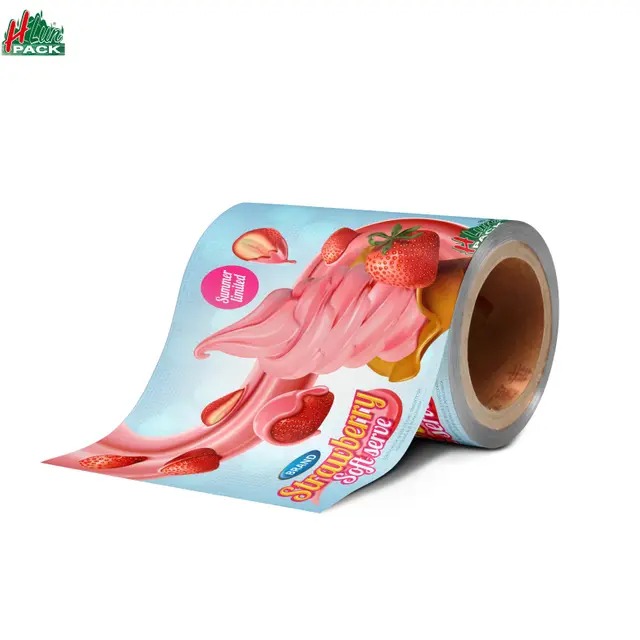
Leading Packaging Film Suppliers and Manufacturers in Europe typically combine a wide product portfolio, strong technical support, proven performance with major brands, and robust sustainability programs. They invest heavily in mono-material designs, PCR integration, downgauging, and documented compliance with EU regulations, enabling customers to meet both functional and environmental targets.
The main sectors using films from European Packaging Film Suppliers and Manufacturers are food and beverages, dairy, snacks, pet food, pharmaceuticals, medical devices, personal care, and household products. In addition, e‑commerce, industrial goods, and logistics rely on stretch, shrink, and protective films for palletizing, bundling, and protective wrapping throughout complex supply chains.
European Packaging Film Suppliers and Manufacturers focus on designing films for recyclability, incorporating higher levels of PCR, and reducing film thickness without sacrificing performance. Many also participate in industry consortia and closed‑loop initiatives, collaborate with recyclers, and publish life‑cycle data to demonstrate the environmental benefits of their new film structures.
Buyers should assess film range, barrier and sealing performance, machinability on existing and future equipment, and the supplier's innovation pipeline. Equally important are recyclability credentials, ability to supply PCR‑based films, quality of technical documentation, responsiveness of service teams, and the presence of multiple production sites to ensure continuity of supply.
EU regulations such as PPWR require that packaging be recyclable, incorporate minimum levels of recycled content, and meet strict documentation and conformity requirements. As a result, Packaging Film Suppliers and Manufacturers must redesign film structures, validate new materials, and provide comprehensive regulatory support, making compliance and sustainability central pillars of their business strategies.
1. Europe Plastic Packaging Films Market – Mordor Intelligence
https://www.mordorintelligence.com/industry-reports/europe-plastic-packaging-film-market
2. Europe Plastic Packaging Films Companies – Mordor Intelligence
https://www.mordorintelligence.com/industry-reports/europe-plastic-packaging-film-market/companies
3. Top 5 Companies in BOPP Films Market – Spherical Insights
https://www.sphericalinsights.com/blogs/top-5-companies-in-bopp-films-market
4. Mono-material Packaging Film Market Overview – HTF MI
https://www.htfmarketintelligence.com/report/global-mono-material-packaging-film-market
5. Amcor and Mondi as Leading Flexible Packaging Players – MarketsandMarkets Insight
https://www.marketsandmarkets.com/ResearchInsight/flexible-plastic-bags-packaging-companies.asp
6. PPWR: The New European Packaging Regulation – ULMA Packaging
https://www.ulmapackaging.com/en/news/ppwr-the-new-european-packaging-regulation-transforming-the-food-industry
7. Flexible Packaging Europe (FPE) – Who We Are
https://www.flexpack-europe.org/who-we-are
8. Packaging Film Market Size and Leading Companies – Future Market Report
https://www.futuremarketreport.com/industry-report/packaging-film-market
9. Key Companies in Food Packaging Films Market – Research and Markets
https://www.researchandmarkets.com/articles/key-companies-in-food-packaging-films-market
10. PPWR at a Glance – New EU Packaging Waste Regulation – FKuR
https://fkur.com/en/knowledgebase/ppwr-eu-packaging-waste-regulation/
11. The New EU Packaging and Packaging Waste Regulation – Keller and Heckman
https://www.khlaw.com/insights/new-eu-packaging-and-packaging-waste-regulation-highlights-and-challenges-ahead
12. Packaging Films Market Companies – Packaging Webwire
https://www.packagingwebwire.com/packaging-films-market-companies/


