


close
Choose Your Site
Global
Social Media
Views: 222 Author: Amanda Publish Time: 2026-01-24 Origin: Site


Content Menu
● Market Outlook for Packaging Film in America
● Leading Packaging Film Suppliers and Manufacturers in America
>> Global and North American Leaders
>> Specialty Film Producers (BOPET, BOPP, High‑Barrier)
>> Stretch Film and Industrial Film Manufacturers
● Types of Films Provided by Packaging Film Suppliers and Manufacturers
>> BOPP Films
>> BOPET Films
>> High‑Barrier and Specialty Films
● Sustainability and Innovation in Packaging Film
>> Recyclable and Mono‑Material Structures
>> Recycled Content and Bio‑Based Materials
>> Downgauging and Performance Enhancement
● How to Choose the Right Packaging Film Suppliers and Manufacturers
>> Application Fit and Technical Capability
>> Quality, Compliance, and Certification
>> Sustainability and ESG Alignment
>> Supply Chain Resilience and Service
● Role of Integrated Solution Providers like HLun Pack
● Opportunities and Challenges in the American Packaging Film Market
>> Challenges
● FAQ
>> 1. What are the main types of packaging film used in America?
>> 2. Which industries rely most on packaging film suppliers and manufacturers?
>> 3. How are packaging film suppliers and manufacturers addressing sustainability?
>> 4. What should buyers look for when auditing packaging film suppliers and manufacturers?
>> 5. How can HLun Pack cooperate with American packaging film suppliers and manufacturers?
America is home to a diverse and highly advanced ecosystem of packaging film suppliers and manufacturers that serve food, beverage, pharmaceutical, household, and industrial brands across the globe. These companies provide the flexible, durable, and sustainable materials that keep products safe, extend shelf life, and support efficient logistics. For any business that relies on flexible packaging, understanding who these Packaging Film Suppliers and Manufacturers are, how they operate, and how to choose the right partner is critical to long‑term success.
Packaging film suppliers and manufacturers in America are not only producing basic commodity films but are also developing high‑performance, specialty, and sustainable structures. They help brand owners meet regulatory requirements, strengthen their visual identity, and respond to consumer expectations around convenience and environmental responsibility. For a professional packaging materials factory like HLun Pack, which also offers packaging machinery and integrated packaging solutions, building close cooperation with these American leaders can create powerful synergies for global customers.

Packaging film is a thin, flexible material – typically based on polymers – that is used to wrap, protect, and display products. In many cases, it replaces traditional rigid packaging such as glass, metal, or thick plastic containers. Packaging film suppliers and manufacturers produce films in rolls or pre‑made formats that can be used on automated lines or manual packing stations.
Common categories of packaging film include:
- Polyethylene stretch film for pallet wrapping and load stabilization
- Shrink film used for bundling and tamper‑evident packaging
- BOPP (biaxially oriented polypropylene) film for snacks, biscuits, and labels
- BOPET (biaxially oriented polyester) film for high‑clarity, high‑barrier structures
- Cast polypropylene and multilayer laminates for pouches and lidding
These films protect products from oxygen, moisture, aroma loss, light, and physical damage, while also providing a printable surface for branding and regulatory information. Advanced packaging film suppliers and manufacturers offer multi‑layer films with specialized barrier properties, peelable seals, easy‑open features, and tailored mechanical strength.
The flexible packaging film segment has grown rapidly as brand owners shift away from heavy, rigid formats toward lightweight and efficient solutions. In the broader packaging market, flexible materials now account for a significant share of value, and films are at the center of this transformation.
Several important trends shape the current and future outlook:
- Rising food and beverage demand, including ready‑to‑eat meals, frozen foods, and on‑the‑go snacks
- Growth in e‑commerce, requiring protective films for secondary and tertiary packaging
- Strong focus on sustainability and recyclability, driving innovation in mono‑material films and recycled content
- Continued investments in high‑barrier films that reduce food waste and extend shelf life
Packaging film suppliers and manufacturers in America are investing in new extrusion lines, coating technologies, digital printing, and quality control systems. Many plants operate with high levels of automation and data‑driven process control, ensuring consistent quality and performance. For international customers, this means reliable supply, robust technical support, and access to advanced film structures that match complex application requirements.
While the U.S. packaging film landscape is highly fragmented, a group of key companies stand out for scale, technology, and innovation. These leaders serve as benchmarks and important potential partners for global buyers and integrated solution providers like HLun Pack.
Several large corporations dominate flexible packaging films and engineered materials in North America. They operate multiple sites, serve global brand owners, and cover a broad range of applications from snack packaging to industrial stretch film. These packaging film suppliers and manufacturers typically offer:
- Wide portfolios of polyethylene, polypropylene, and polyester films
- Extensive converting capabilities such as printing, laminating, and coating
- Strong R&D pipelines focused on downgauging, barrier improvement, and recyclability
- Technical service teams that support customers with line trials and troubleshooting
Their size and resources allow them to lead in areas like circularity, material science, and regulatory compliance. For importers, distributors, and packaging solution providers, cooperation with such companies ensures steady access to high‑volume, standardized film grades and premium specialty products.
Alongside the global giants are specialized packaging film suppliers and manufacturers that focus on particular film types or target markets. Typical examples include:
- Polyester film producers supplying high‑clarity, heat‑resistant BOPET films for lidding, laminates, and technical uses
- BOPP manufacturers supplying film for snacks, biscuits, labels, and tobacco packaging
- High‑barrier film specialists producing multilayer structures with excellent oxygen and moisture protection
- Companies focusing on bio‑based or compostable films for niche applications
These companies often work closely with converters and brand owners to design customized structures. Their strength lies in deep technical expertise, flexible production, and readiness to co‑develop new materials in response to market needs.
Stretch film remains one of the most visible applications of packaging film, particularly in logistics and warehousing. American stretch film manufacturers specialize in:
- Machine and hand stretch films with optimized cling, puncture resistance, and load retention
- High‑performance, downgauged films that reduce material use while maintaining pallet stability
- Specialty films for cold storage, dusty environments, and irregular loads
These packaging film suppliers and manufacturers are essential partners for logistics companies, 3PLs, and factories that want to reduce damage, improve safety, and optimize wrapping costs. They often provide field audits and propose film and equipment combinations that minimize total cost of ownership.
To choose the right partner, it is helpful to understand the main categories of films and where they are typically used. Packaging film suppliers and manufacturers generally classify their offerings by material, orientation, and function.
Polyethylene (PE) films are widely used due to their versatility, cost‑effectiveness, and sealability. Typical uses include:
- Pallet stretch wrap and industrial bundling
- Shrink films for beverage multipacks and retail bundles
- Heavy‑duty bags and liners
- Simple mono‑layer food bags
PE remains the workhorse of packaging films and is central to many recyclability strategies, particularly when used in mono‑material structures.
BOPP films are stiffer and more transparent than many PE films and are widely used in food packaging. Packaging film suppliers and manufacturers use BOPP for:
- Snack and confectionery packs
- Bakery products
- Labels and overwraps
- Laminates with metalized or coated layers
BOPP films offer good moisture barrier and excellent print quality, making them a favorite for visually demanding consumer packaging.
BOPET films provide high tensile strength, excellent dimensional stability, and good barrier properties, especially when coated or combined with other layers. Typical applications include:
- Lidding films for trays
- High‑barrier laminates for coffee, pet food, and retort pouches
- Technical uses such as electronics, insulation, and labels
Packaging film suppliers and manufacturers often position BOPET as a critical layer in demanding structures that must withstand harsh processing or extended shelf life.
To protect sensitive products and extend shelf life, many suppliers offer multi‑layer, high‑barrier films that incorporate materials or coatings such as EVOH, PVDC alternatives, or aluminum oxide. These films are used for:
- Vacuum and modified atmosphere packaging
- Retort pouches and sterilizable packs
- Aroma‑sensitive products such as coffee and spices
Packaging film suppliers and manufacturers continuously refine these films to enhance performance while aligning with recyclability targets.
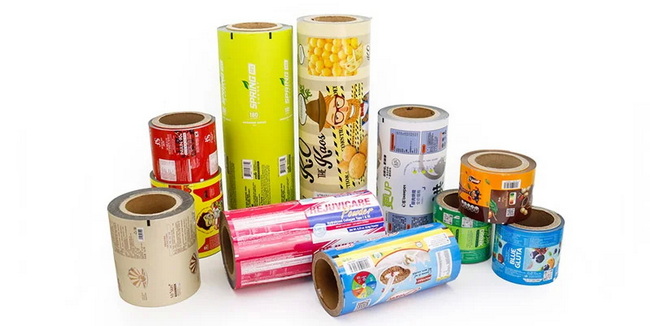
Sustainability is one of the strongest forces driving innovation among packaging film suppliers and manufacturers in America. Brand owners and retailers increasingly set targets for recyclable packaging, reduced carbon footprint, and lower material usage. This leads to several key directions in film development.
Many companies are redesigning laminates to use a single dominant polymer, such as all‑PE or all‑PP structures, making them more compatible with existing recycling streams. This involves:
- Replacing non‑recyclable layers with recyclable alternatives
- Using special sealing and barrier layers that remain within the same polymer family
- Designing for easy separation from labels, closures, or non‑film components
Packaging film suppliers and manufacturers that can provide such solutions gain a strong competitive edge and help customers hit sustainability targets.
Another innovation area is the use of recycled or renewable feedstocks:
- Mechanical and chemical recycling provide resins that can be reintroduced into film structures
- Bio‑based polymers, such as certain grades of bio‑PE or PLA, offer renewable content for niche uses
- Certified mass‑balance approaches allow partial replacement of fossil‑based feedstock
Packaging film suppliers and manufacturers who master these technologies can offer lower‑carbon options without compromising performance.
Downgauging – reducing film thickness while maintaining or improving performance – remains an ongoing priority. It combines cost savings with material reduction and lower transport emissions. This is achieved by:
- Advanced resin blends and additives
- Improved orientation and extrusion control
- Better understanding of mechanical requirements across the supply chain
Customers who work with innovative packaging film suppliers and manufacturers often achieve substantial material reductions over the life of a project.
Selecting the right packaging film suppliers and manufacturers is a strategic decision that affects product quality, brand reputation, sustainability performance, and total cost. A structured evaluation approach helps ensure a long‑term, mutually beneficial partnership.
Start by clarifying the exact packaging application. Important questions include:
- Is the product food, beverage, pharmaceutical, household, or industrial?
- What is the required shelf life and storage condition (ambient, chilled, frozen)?
- Does the pack require high clarity, matte finishes, or special tactile effects?
Packaging film suppliers and manufacturers should be able to recommend appropriate structures, provide technical data sheets, and support line trials. Look for partners that understand your machinery, sealing requirements, and downstream logistics.
For many industries, especially food and healthcare, regulatory and quality standards are non‑negotiable. When evaluating packaging film suppliers and manufacturers, check:
- Compliance with relevant food contact regulations and guidelines
- Certifications such as ISO series, HACCP, or equivalent schemes
- Comprehensive traceability from raw material to finished roll
- Robust quality control systems and documentation
Suppliers who regularly audit their own processes and welcome customer audits are usually better prepared to handle demanding projects.
Sustainability is now a core criterion rather than an optional extra. Ideal packaging film suppliers and manufacturers can:
- Offer standardized or custom recyclable film solutions
- Demonstrate clear plans for reducing emissions and energy use
- Provide transparency on recycled content and sourcing of raw materials
- Support lifecycle assessments or comparative footprint studies
Aligning your supply base with your ESG goals strengthens brand reputation and helps future‑proof your packaging portfolio.
Beyond technical performance, consider practical issues:
- Geographic proximity and distribution network
- Lead times, safety stocks, and contingency plans
- Financial stability and long‑term investment in capacity
- After‑sales service, technical visits, and responsiveness
Strong packaging film suppliers and manufacturers behave as long‑term partners, not just transactional vendors. They work closely with customers to resolve issues, optimize film usage, and introduce new solutions over time.
For many brand owners, the ideal scenario is not only to source film but to obtain a complete, integrated packaging solution. HLun Pack, as a professional packaging materials factory that also supplies packaging machinery and comprehensive packaging solutions, fits precisely into this model.
By working with leading American packaging film suppliers and manufacturers, HLun Pack can:
- Combine high‑performance films with compatible, high‑speed packaging equipment
- Optimize pack design, film specifications, and machine settings together
- Shorten project timelines from concept to industrial production
- Provide a single point of contact for troubleshooting across materials and equipment
This integration is especially valuable for new product launches, line upgrades, and transitions from rigid to flexible packaging. Instead of managing separate relationships for film, machinery, and automation, customers can rely on a coordinated approach that minimizes risk and improves overall efficiency.
For international customers seeking to enter or expand in the American market, cooperation between HLun Pack and established American packaging film suppliers and manufacturers offers the best of both worlds: local film expertise and global system integration.
The American market offers significant opportunities but also presents challenges that packaging film suppliers and manufacturers must navigate.
- Growing demand for convenient, single‑serve, and on‑the‑go formats
- Expansion of private‑label products in retail chains
- Rising interest in premium packaging with enhanced graphics and special effects
- Continued development of e‑commerce and direct‑to‑consumer channels
These trends create space for differentiated films, customized structures, and value‑added services such as design support, testing, and inventory management.
- Volatile raw material prices and energy costs
- Evolving regulations on plastics, recyclability, and extended producer responsibility
- Public scrutiny of plastic waste and environmental impact
- Competitive pressure from low‑cost regions and alternative materials
Packaging film suppliers and manufacturers who invest in innovation, sustainability, and digitalization will be better positioned to handle these challenges. Partnerships with integrators like HLun Pack can also help them offer comprehensive solutions rather than just raw materials.
Packaging film suppliers and manufacturers in America form a sophisticated and innovative ecosystem that underpins modern food, beverage, pharmaceutical, household, and industrial supply chains. They provide the films that protect products, support branding, and enable efficient, high‑speed packaging operations. As sustainability requirements intensify, these companies are leading the shift toward recyclable structures, recycled content, and downgauged materials, ensuring that flexible packaging remains a future‑ready solution.
For brand owners around the world, the key is to choose packaging film suppliers and manufacturers that align with their technical needs, quality standards, and ESG goals. By evaluating application fit, compliance, sustainability, and supply chain resilience, they can build strong, long‑term partnerships. When these relationships are combined with integrated system providers like HLun Pack, which offers both packaging materials and machinery, customers gain a powerful advantage: a complete, optimized packaging solution that connects film performance, line efficiency, and total cost of ownership.
Contact us to get more information!
The main types of packaging film used in America include polyethylene stretch and shrink films, BOPP for snacks and labels, BOPET for high‑barrier structures, cast polypropylene for pouches, and multi‑layer high‑barrier laminates. Each type offers a different balance of stiffness, clarity, sealability, and barrier, allowing packaging film suppliers and manufacturers to tailor solutions to specific applications and shelf‑life targets.
The largest users of packaging film in America are food and beverage brands, including snacks, bakery, frozen foods, dairy, and ready‑to‑eat meals. Beyond that, pharmaceuticals, medical devices, personal care, pet food, household products, and industrial goods all rely on packaging film suppliers and manufacturers to provide compliant, durable, and visually appealing packaging solutions that protect contents throughout distribution.
Packaging film suppliers and manufacturers are addressing sustainability through several key strategies: designing mono‑material films that are easier to recycle, incorporating recycled and bio‑based content where feasible, and reducing film thickness while maintaining performance. They are also investing in energy‑efficient production, collaborating with recycling initiatives, and helping brand owners redesign packaging to meet retailer and regulatory targets for recyclability and reduced environmental impact.
When auditing packaging film suppliers and manufacturers, buyers should evaluate quality management systems, certifications, and regulatory compliance relevant to their industry. They should examine traceability, testing protocols, and documentation for each film grade, and review the supplier's track record on on‑time delivery and issue resolution. Buyers should also assess technical support capabilities, including the ability to conduct line trials, propose film optimization, and collaborate on new packaging structures.
HLun Pack can cooperate with American packaging film suppliers and manufacturers by combining their advanced film technologies with HLun Pack's expertise in packaging materials, machinery, and integrated solutions. This cooperation allows customers to receive films that are specifically matched to their equipment, pack formats, and performance requirements. By working together on design, testing, and implementation, HLun Pack and its partners can deliver complete packaging systems that improve efficiency, reduce waste, and support the transition to more sustainable flexible packaging.
1. https://stretchwrappingfilm.com/top-10-stretch-film-manufacturers-in-the-usa/
2. https://www.mordorintelligence.com/industry-reports/north-america-plastic-packaging-film-market/companies
3. https://www.precedenceresearch.com/flexible-packaging-market
4. https://www.cloudflexfilm.com/manufacturers/bopet-film-manufacturers-in-the-usa/
5. https://www.verifiedmarketresearch.com/blog/top-high-barrier-packaging-film-manufacturers/
6. https://www.strategicpackaginginsights.com/report/flexible-packaging-films-market
7. https://www.jsjhpackaging.com/top-12-stretch-film-manufacturers-in-usa.html
8. https://www.greycon.com/industry/plastic-film/top-10-plastic-film-manufacturers/
9. https://www.packworld.com/flexibles/article/22954266/2025-outlook-for-the-us-flexible-packaging-industry
10. https://www.cloudflexfilm.com/manufacturers/bopp-film-manufacturers-in-the-usa/


