


close
Choose Your Site
Global
Social Media
Views: 222 Author: Amanda Publish Time: 2026-02-14 Origin: Site


Content Menu
● Why Your First Customized Packaging Matters More Than You Think
● Step 1: Identify Your Custom Packaging Needs
>> Clarify Your Product and Use Case
>> Define Packaging Style and Protection Level
>> Consider Regulatory and Sustainability Requirements
>> Set Budget and Volume Targets
● Step 2: Consider Your Custom Packaging Design Options
>> Branding and Messaging Essentials
>> Color Scheme and Visual Hierarchy
>> Graphics and Images That Sell
>> Typography for Readability and Brand Feel
● Step 3: Work with the Right Custom Packaging Supplier
>> What to Look for in a Supplier
>> Communicating Your Specifications Clearly
>> Understanding Quotes and Cost Drivers
● Step 4: Finalize Your Design and Pre-Production
>> Approving the Final Custom Packaging Design
>> Preparing Print-Ready Artwork Files
>> Reviewing Proofs and Prototypes
● Step 5: Manage Production, Shipping, and Quality
>> Coordinating Production Timelines
>> Quality Checks and Consistency
>> Optimizing for Reorders and SKU Expansion
● Practical Timeline and Checklist for Your First Customized Packaging Project
● Common Mistakes First-Time Buyers Make (and How to Avoid Them)
● Market Trends to Consider for 2026 Customized Packaging
● Action Steps: Start Your First Customized Packaging Project
● Take the Next Step: Turn Your Customized Packaging Vision into Reality
● FAQs About Preparing Your First Customized Packaging
>> 1. How much does customized packaging typically cost for a first project?
>> 2. How long does it take to develop and produce my first custom box?
>> 3. Do I really need a prototype before mass production?
>> 4. What is the minimum order quantity (MOQ) for custom packaging?
>> 5. How can I make my custom packaging more sustainable without raising costs too much?
A well-designed custom packaging solution is now one of the most powerful levers you have to protect products, impress customers, and strengthen your brand across online and offline channels.
In this guide, you will learn how to define your packaging requirements, brief and select a supplier, control cost, and finalize production with confidence for your very first customized packaging project.
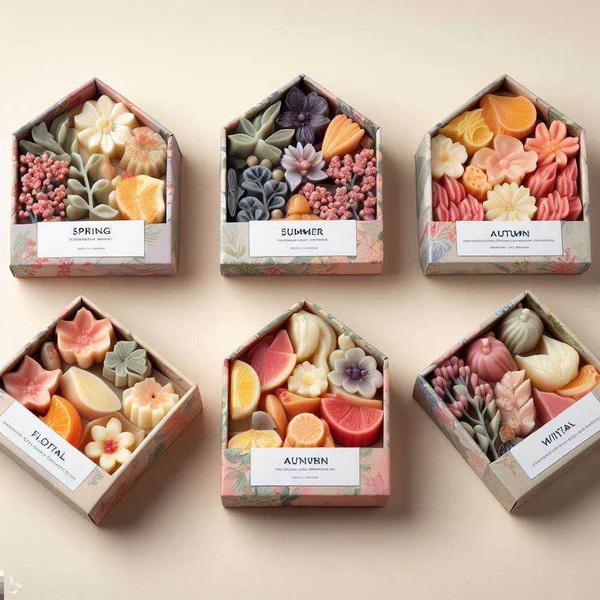
Custom packaging is no longer just a box; it is your product's first real-world touchpoint with customers, especially for e-commerce and social media–driven brands.
A poor first experience can make customers unlikely to purchase again, which means your initial packaging strategy directly affects repeat sales and word-of-mouth.
Custom packaging also helps you differentiate in a crowded market, support sustainability goals, and align your product with the growing global custom packaging market.
Before you think about artwork, you must define what you need to package and under which conditions it will be handled, shipped, and stored.
A clear requirements list saves time, prevents redesigns, and allows your supplier to recommend the most efficient structure and material.
Ask yourself:
- What product am I packaging (food, cosmetics, electronics, clothing, fragile items, liquids, powders)?
- How heavy is it and how fragile is it?
- Will it be sold online, in retail stores, or both?
- Will customers keep the packaging (gift box, rigid box) or immediately discard it (shipper, mailer)?
Your answers will influence:
- The structural style (folding carton, mailer box, rigid box, pouch, clamshell, etc.)
- Board thickness and type
- The level of protection required, including inserts or dividers
Use this simple table to align style with protection and cost expectations:
Packaging style | Protection level | Typical cost per unit | Best for |
Folding carton box | Medium | Low to medium | FMCG, cosmetics, light products |
Corrugated mailer box | High | Medium | E-commerce, subscription boxes |
Rigid (setup) box | Very high | Medium to high | Luxury, gifting, electronics |
Flexible pouch/bag | Low to medium | Low | Snacks, refills, lightweight goods |
Next, ask:
- Does my product require an insert (foam, molded pulp, corrugated, plastic tray) to lock it in place?
- Are there impact, drop, or compression risks during transit?
If your product is fragile, heavier than average, or premium, plan for an insert or internal support from the start.
For certain categories, packaging must comply with regulations such as food-contact safety, child-resistant features, or pharmaceutical labeling.
At the same time, many consumers expect eco-conscious packaging, and growth in customized packaging is increasingly driven by sustainable and recyclable materials.
Clarify:
- Do I need food-safe, pharmaceutical, or cosmetic-compliant materials or inks?
- Do I require recyclable, compostable, or certified paper-based packaging?
- Are there destination-country rules that affect labeling or materials?
Customized packaging is highly scalable, but costs vary based on:
- Structure complexity
- Board type and thickness
- Printing method (digital vs. offset) and color usage
- Added finishes (foil, embossing, coatings)
Decide early:
- How much am I willing to pay per unit at my target volume (for example 500, 3,000, 10,000)?
- What is my total project budget (including design, sampling, freight, and contingency)?
A clear budget helps your supplier propose design and material options that balance appearance and cost.
Once you know what you need to package and your constraints, you can focus on designing packaging that sells.
Your custom box must simultaneously protect the product, communicate your brand, and deliver a memorable unboxing experience.
Every customized packaging project should start from a clear brand story.
Make sure your packaging reflects:
- Logo and brandmark placement
- Brand colors, typography, and imagery style
- Core message or tagline
- Key benefits, certifications, and guarantees
Ask:
- What is the one message I want a new customer to remember after unboxing?
- Does my packaging clearly show who we are and why we are different?
Consider including:
- Sustainability statements or certifications
- Origin or “made in” information
- Social handles, QR codes, or URLs for continued engagement
Color significantly influences perceived quality and emotional response.
Some general directions:
- Blue often communicates trust and reliability, popular in tech and healthcare.
- Green suggests nature and sustainability, ideal for eco brands.
- Red signals energy and urgency, effective for promotions or youth-focused brands.
Use color to build a visual hierarchy:
- One dominant brand color
- One accent color for calls-to-action or key claims
- Neutrals to keep the design clean and legible
Ensure that your colors work both:
- On physical substrates (coated vs. uncoated stock)
- On screens (for product photography and e-commerce listings)
High-quality graphics and images can instantly communicate product value and use.
Best practices:
- Use high-resolution images (usually 300 dpi or higher for print) to avoid pixelation.
- Choose visuals that accurately represent the product (color, size, texture).
- Align imagery style (photography vs. illustration) with brand personality.
For complex products, consider:
- Simple exploded diagrams or icons that show what is included
- Usage illustrations such as step-by-step icons
Typography determines how easily customers can understand key information at a glance.
Focus on:
- Readable font choices (avoid extremely thin or over-decorative fonts)
- Sufficient type size for ingredients, warnings, and instructions
- Clear hierarchy between product name, benefits, and details
For example:
- Largest: product name
- Medium: main benefits and differentiators
- Smaller: ingredients, usage instructions, regulatory statements
Match fonts to your brand:
- Minimalist sans-serif for modern tech and lifestyle products
- Elegant serif for luxury or heritage brands
- Playful rounded typefaces for kids or fun categories
Your first customized packaging project is much easier when you partner with an experienced custom packaging supplier that understands your industry and scale.
When evaluating suppliers, consider:
- Proven track record with similar products or sectors (for example food, cosmetics, electronics)
- Ability to offer multiple structures and materials, not just one box type
- In-house or partnered design support to translate your concept into production-ready packaging
- Clear communication, responsiveness, and technical guidance
Check whether they:
- Provide structural engineering (dielines, board recommendations)
- Offer prototyping (white samples, printed samples, 3D mockups)
- Understand regulatory and sustainability requirements for your target markets
A strong brief drastically improves final results. Include:
- Product dimensions and weight (ideally with tolerance)
- Desired box style(s) and approximate dimensions
- Expected order quantity and potential reorder volumes
- Branding assets (logo files, color codes, typography guidelines)
- Any regulatory or sustainability requirements
- Budget range and timeline (including launch date)
The more clearly you communicate your needs and constraints, the easier it is for your supplier to propose suitable options and alternatives.
After you share your specifications, your supplier will issue a quotation based on materials, printing, finishes, and volume.
Main cost drivers include:
- Substrate type (for example SBS board vs. kraft vs. specialty paper)
- Printing (1–2 colors vs. full color, digital vs. offset)
- Special finishes (foil, embossing, spot UV, soft touch)
- Inserts and secondary components
- Freight, duties, and handling
If a quote exceeds your budget, a reliable manufacturer can recommend optimizations, such as adjusting board grade, simplifying finishes, or consolidating SKUs, while still achieving your main objectives.
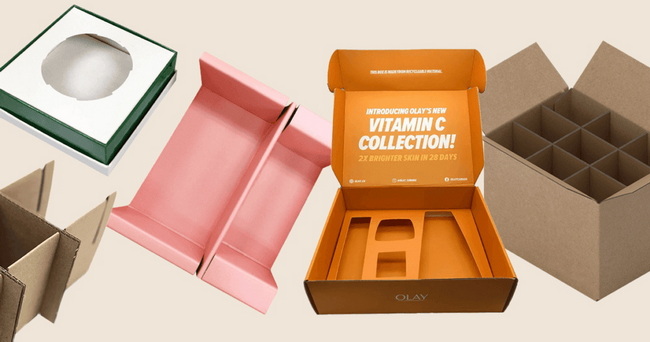
Once you have aligned on structure, cost, and high-level design, you move into final design and pre-production.
This stage ensures that your customized packaging is technically sound and ready for mass manufacturing.
At this point you should have:
- Confirmed the structural dieline (size, flaps, closures, inserts)
- Agreed on materials and finishes
- Completed the artwork layout on the dieline
Review:
- Logo placement and clear space
- Legibility of all text (including small print)
- Consistency of branding elements across panels
- Position of barcodes, regulatory icons, and QR codes
A thorough approval avoids expensive reprints and delays later.
Your supplier or prepress team will help ensure your files are:
- In the correct format (commonly PDF with outlined fonts)
- Using the right color mode (CMYK or Pantone as required)
- Including bleed, cut lines, and safety margins
- Free from low-resolution imagery or color profile issues
Ask for an artwork checklist so your design team can deliver files that are ready for printing without multiple revisions.
Before full production, always review either:
- Digital proofs for color and layout
- Physical prototypes such as white samples or color-accurate printed samples
Check:
- Structural fit: does the product fit securely?
- Print accuracy: are colors, alignment, and text all correct?
- Ease of use: can customers open, reclose, and handle the box easily?
This is your final chance to make changes before committing to volume production.
With design and proofs approved, your packaging project enters the production and logistics phase.
Good project management here ensures your launch is on time and consistent with your expectations.
Ask your supplier to clearly outline:
- Production lead time from approval to completion
- Slotting availability during peak seasons
- Shipping time and delivery window to your warehouse or co-packer
Share your launch date and any dependencies such as product filling schedule so production can be aligned.
Agree on quality standards, such as:
- Color tolerances
- Board and print defects thresholds
- Acceptance sampling plans
Consider performing incoming quality checks on the first shipment, especially for your first customized packaging run.
Once your first custom box performs well, you can:
- Reorder with minimal extra setup
- Extend the same structure to new SKUs using color or artwork changes
- Optimize palletization and shipping efficiency based on real data
Discuss with your supplier how to build a scalable packaging platform that supports future growth.
Many brands underestimate how long custom packaging takes. Use this high-level timeline as a guide.
- Week 1–2: Define requirements, collect product data, set budget and timeline.
- Week 2–4: Engage suppliers, request quotes, compare options, and select a partner.
- Week 4–6: Finalize structure, design concepts, and artwork; prepare print-ready files.
- Week 6–8: Approve digital proofs and physical prototypes.
- Week 8–12: Mass production, shipping, and inbound quality checks.
Your exact timing will depend on complexity, finishes, and shipping mode, but building in buffer time is critical for a smooth launch.
Learning from other brands' mistakes can save you money and stress on your first project.
Typical pitfalls include:
- Underestimating lead times and rushing decisions, which increases error risk.
- Ignoring shipping and storage conditions, leading to damaged goods or warped boxes.
- Overcomplicating structures or finishes that are hard to scale or too costly for the price point.
- Providing incomplete specifications, leading to misalignment between expectations and delivered packaging.
To avoid these issues:
- Start early and treat custom packaging as a core part of product development.
- Share real shipping and handling scenarios with your supplier.
- Confirm that your design is compatible with your filling, sealing, and packing processes.
Your first custom packaging project is also an opportunity to future-proof your brand.
Current trends shaping customized packaging include:
- Growing demand for recyclable and biodegradable materials as sustainability becomes a key differentiator.
- Increasing importance of brand differentiation through unique structures, finishes, and storytelling as the market expands.
- Short-run and digital printing enabling more personalization, seasonal editions, and targeted campaigns for small and mid-size brands.
Align your design choices with these trends so your packaging feels current for several years rather than quickly outdated.
If you are preparing your first customized packaging, take these concrete steps:
1. List your product specs (dimensions, weight, fragility, regulatory needs).
2. Decide on packaging style, target budget, and order quantity range.
3. Sketch your desired brand look, colors, and key messages.
4. Prepare a clear brief and send it to a professional custom packaging supplier.
5. Request structural options, cost breakdowns, and a prototype before committing to volume.
With a structured process, your first custom box can become a scalable platform for future SKUs and campaigns.
Your first customized packaging project is a strategic opportunity to elevate your brand, protect your products, and create an unboxing experience that customers remember and share.
Gather your product specifications, budget, and design ideas today, then contact a professional customized packaging partner to review your brief, suggest structures and materials, and provide prototypes before mass production.
By taking action now and working with an experienced supplier, you can launch packaging that looks professional, runs smoothly on your production line, and supports your long-term growth in 2026 and beyond.
Contact us to get more information!
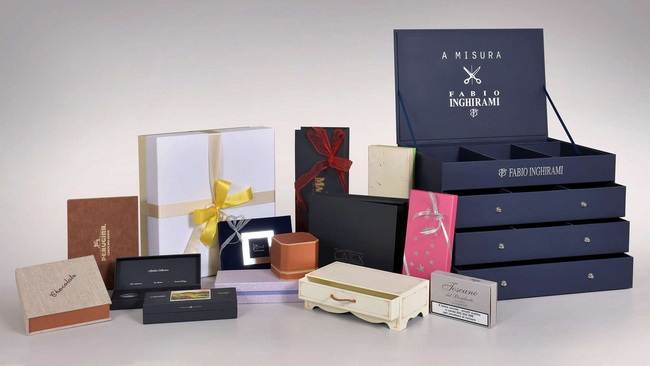
Costs vary widely depending on structure, materials, printing, and volume, but first-time projects often focus on simple folding cartons or mailer boxes to control cost before adding premium finishes later.
Higher volumes usually reduce unit cost significantly, while complex inserts, rigid boxes, and specialty finishes increase price.
Many first-time custom packaging projects take 8–12 weeks from initial brief to delivered packaging, assuming no major design changes.
Complex structures, multiple SKUs, or international shipping can extend timelines, so it is wise to start early and build in buffer time.
A physical prototype or high-fidelity sample is highly recommended for your first customized packaging, especially for large orders.
Prototypes allow you to check structural fit, print quality, and user experience before committing to full-scale production.
Minimum order quantities depend on printing technology, materials, and the supplier's setup.
Some digital solutions allow low MOQs for startups, while offset printing and specialty materials typically require higher volumes to be cost-effective.
Using recyclable paper-based substrates, optimizing box size to reduce material and shipping volume, and avoiding unnecessary plastic components can improve sustainability while controlling costs.
Discuss eco-friendly board options and simplified finishes with your supplier to balance environmental impact and budget.
1. https://pakfactory.com/blog/how-to-prepare-your-first-customized-packaging/
2. https://pakfactory.com/blog/essential-guide-to-product-packaging/
3. https://packlane.com/blog/how-to-create-custom-packaging/
4. https://pakfactory.com/guide-to-preparing-files-for-print/
5. https://www.nextdayflyers.com/the-complete-guide-to-packaging
6. https://www.fortunebusinessinsights.com/custom-packaging-market-107677


