


close
Choose Your Site
Global
Social Media
Views: 222 Author: Amanda Publish Time: 2026-02-05 Origin: Site


Content Menu
● What You Will Learn in This Shoe Shipping Guide
● Why Proper Shoe Packaging and Shipping Matters
● Step-by-Step Guide: How to Package Shoes for Shipping
>> Step 1 – Choose the Right Shoe Shipping Box
>> Step 2 – Prepare the Shoes and Inner Packaging
>> Step 3 – Use Inserts and Dividers for Protection
>> Step 4 – Fill Remaining Void with Protective Material
>> Step 5 – Seal and Label the Box for Transit
● How to Ship Shoes Without a Box
>> When to Consider Shipping Shoes Without a Box
>> Poly Mailers, Bubble Mailers, and Reusable Bags
>> Protecting Shoes Inside Mailers
● Best Practices for Shipping Different Types of Shoes
>> Shipping Sneakers (Including Collectible and High-End Releases)
>> Shipping Dress Shoes and Leather Footwear
>> Shipping Boots and Heavy Footwear
>> Shipping Sandals, Slides, and Lightweight Shoes
>> Shipping Multiple Pairs in One Shipment
● How Much Does It Cost to Ship Shoes?
● Sustainability and Eco-Friendly Shoe Packaging
● Turning Shoe Packaging into a Brand Experience
● Integrating Packaging Materials with Machinery for Growing Brands
● Practical Packing Checklist for Shipping Shoes
● Common Mistakes When Shipping Shoes (and How to Avoid Them)
● FAQs About Packaging and Shipping Shoes
>> FAQ 1: What is the best way to package shoes for shipping?
>> FAQ 2: Can I ship shoes in just the original retail box?
>> FAQ 3: How can I reduce the cost of shipping shoes without compromising protection?
>> FAQ 4: What is the most eco-friendly way to package shoes?
>> FAQ 5: How should I package expensive or collectible sneakers?
Shipping shoes safely and cost-effectively is not just a logistics task; it is a profit and brand-perception issue for every footwear business, from DTC brands to global e-commerce sellers. This enhanced guide shows you exactly how to package and ship shoes like a pro while leveraging HLun Pack's packaging materials, machinery, and integrated solutions to reduce damage, save costs, and upgrade your unboxing experience.

By the end of this article, you will know how to:
- Choose the right shoe packaging (corrugated boxes, rigid boxes, mailers, bags) for different shoe types and shipping scenarios.
- Build a step-by-step packing process that minimizes damage and returns.
- Ship shoes with or without a box while protecting your margins and sustainability goals.
- Estimate and reduce shoe shipping costs using packaging strategy, not just cheaper carriers.
- Implement best practices by shoe category (sneakers, dress shoes, boots, sandals, kids' shoes).
- Integrate packaging materials with automated or semi-automatic machinery to scale operations.
- Turn your shoe packaging into a powerful branding and customer-experience asset.
Packaging and shipping shoes correctly directly impacts product protection, customer satisfaction, and your brand reputation. Shoes are vulnerable to creases, scuffs, moisture damage, and deformation during transit, especially high-end sneakers and leather dress shoes.
Poor packaging leads to:
- Higher return rates due to visible damage or crushed boxes.
- Negative reviews about “cheap packaging” that undermine even premium products.
- Increased replacement and reshipping costs that silently erode margins.
On the other hand, well-designed shoe packaging is also a branding touchpoint. Custom-printed boxes, branded tissue, and thoughtful inserts can showcase your brand's identity and turn unboxing into a memorable experience customers love to share.
The following process can be adapted whether you are shipping from a small studio or a fully automated warehouse.
The box is your first line of defense against transit damage. The ideal shoe shipping box fits snugly around the product and internal packaging while leaving just enough room for protective cushioning.
Common options include:
- Corrugated boxes – Lightweight yet sturdy, ideal for most shoe types and e-commerce shipping.
- Rigid boxes – Premium, heavy-duty boxes often used for luxury footwear and high-end sneakers.
- Reusable bags – Suitable for lightweight shoes like sandals or flats when combined with inner protection.
Important principles:
- Avoid oversized boxes that require unnecessary filler and increase dimensional weight charges.
- Match board grade and flute type to shoe weight and shipping distance.
- For collectible or high-value shoes, consider double-boxing (retail box inside a protective shipping carton).
Recommended visual: an image comparing a perfectly fitted shoe shipping box versus an oversized box filled with excess void fill.
Before placing shoes in the box, prepare them to minimize movement and surface damage.
Best practices:
- Stuff the toe box with tissue or lightweight paper to prevent collapsing and creasing.
- Wrap each shoe individually with tissue, foam sheet, or bubble wrap to avoid scuffs.
- For leather or high-gloss materials, use softer wraps to prevent abrasion.
If you are packing shoes in their branded retail box, ensure that:
- The shoes are secured with tissue or a simple divider.
- Any accessories (extra laces, care cards) are placed in small pouches or envelopes.
Recommended visual: close-up image of a pair of shoes individually wrapped and cushioned inside a retail box.
Inserts are essential when shipping delicate shoes such as high heels, suede styles, or shoes with protruding details.
Common insert solutions:
- Pre-cut foam inserts that cradle each shoe and fill empty space.
- Custom-cut cardboard dividers to separate shoes or pairs in multi-pack shipments.
- Molded pulp or thermoformed trays for standardized shoe lines.
These solutions keep shoes from colliding inside the box and provide a clean, organized presentation that reinforces perceived value.
Once the shoes are in the box, fill any remaining voids to prevent shifting during shipping.
Effective void-fill materials:
- Crumpled kraft paper or tissue paper.
- Bubble wrap around gaps or around the retail shoe box.
- Air cushions or inflatable pillows for larger cartons.
- Biodegradable packing peanuts or molded inserts for eco-focused brands.
Void fill should be firm enough to hold the shoes in place, but not so compressed that it deforms the product or the retail box.
Recommended visual: a photo or diagram showing a shipping carton with void fill correctly placed around a shoebox.
A well-packed box can still fail if it is not sealed correctly.
- Use high-quality packing tape at least 48–72 mm wide.
- Apply the “H-taping” method across center seams and edges.
- Reinforce heavier boxes with extra tape on corners and flaps.
For labeling:
- Place the shipping label on the top surface in a flat, unobstructed area.
- Use waterproof labels or cover the label with clear tape to protect from moisture.
- Ensure both the recipient and return addresses are correct and legible.
Sometimes businesses choose to ship shoes without the original retail box, especially for low-cost shoes, clearance items, or ultra-lightweight sandals.
Shipping shoes without a rigid box can reduce materials and weight, but increases the risk of visual damage. It works best for:
- Flip-flops and simple sandals.
- Canvas sneakers with low deformation risk.
- Budget shoes where packaging is less critical than shipping savings.
For shoes shipped without a box, protective mailers become the primary packaging.
Suitable options:
- Poly mailers – Lightweight, water-resistant, and cost-effective for less delicate shoes.
- Bubble mailers – Added cushioning for small, light shoes.
- Reusable cloth bags – Eco-friendly and brandable, but should be combined with inner padding.
Whichever you choose, ensure the mailer is durable enough to withstand friction, tears, and moisture in transit.
Even without a box, you should still cushion and wrap the shoes.
- Wrap each shoe in bubble wrap or foam before placing it in the mailer.
- Secure wraps with tape or branded stickers.
- For white or light-colored shoes, use an additional layer of tissue to prevent surface marks.
Eco-friendly brands can switch to recycled paper wraps or compostable bubble alternatives to align with sustainability messaging.
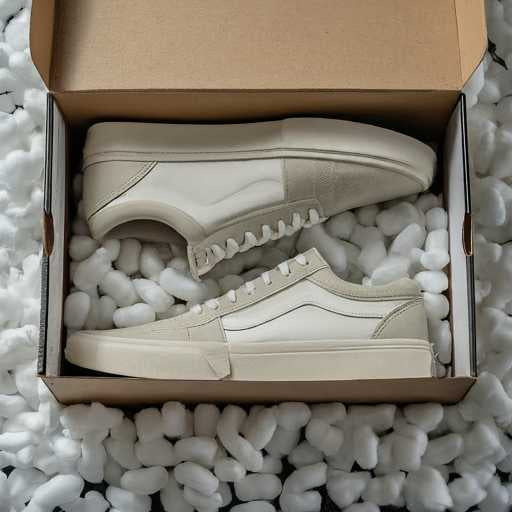
Different shoe categories demand different packaging strategies.
Sneakers, especially collectible or limited-edition releases, often travel long distances and are frequently resold, making the box condition almost as important as the shoes.
Best practices:
- Use a snug corrugated shipping carton sized to the original shoe box.
- Add cushioning (tissue, foam, air pillows) around the retail box.
- Double-box high-value pairs: retail box inside a shipping box.
- Consider tamper-evident seals or branded security tape.
Dress shoes and leather-upper footwear are prone to scratches, creases, and shape distortion.
Recommendations:
- Use rigid or high-grade corrugated boxes for premium protection.
- Wrap each shoe individually and use toe inserts or shoe trees where necessary.
- Integrate foam padding or dividers to stop shoes from rubbing against each other.
Boots are heavier, bulkier, and more likely to burst through weak packaging.
Key tips:
- Use larger, reinforced corrugated boxes rated for higher load.
- Ensure the base has enough cushioning to absorb impact from drops.
- Reinforce handles or lifting points for warehouse operations.
Lightweight shoes can be more flexible in packaging but still deserve a good customer experience.
- Poly mailers or small corrugated boxes can work well.
- For brands focused on sustainability, reusable cloth bags plus a slim protective mailer are a strong choice.
- Maintain a consistent branded unboxing even for low-price SKUs.
For wholesale, B2B, or bundle orders, multi-pair shipments are common.
- Use dividers or partitioned cartons so pairs do not crush one another.
- Place heavier boots or sneakers at the bottom, lighter shoes at the top.
- Label internal layers or include a packing slip for easy receiving.
Shoe shipping costs depend on weight, box size, destination, and service level. Many small to medium businesses see an average range of around 7–10 USD per domestic shipment, while international shipments cost more, especially with express services.
Key cost drivers:
- Weight – Heavy boots and multi-pair orders increase carrier charges.
- Dimensions – Oversized boxes trigger dimensional weight pricing, making packaging optimization critical.
- Service type – Standard ground is usually most economical; express and international options cost significantly more.
Packaging Choices and Cost Impact | |||
Shoe type | Recommended outer packaging | Typical protection level | Cost impact notes |
Casual sneakers | Corrugated shipping box + tissue/foam | High | Moderate weight; good box fit reduces dimensional weight. |
Collectible sneakers | Double-boxed corrugated carton | Very high | Slightly higher weight, but protects high-value items. |
Dress shoes | Rigid or premium corrugated box | Very high | Higher material cost; fewer damage-related returns. |
Boots | Reinforced corrugated box | High | Larger dimensions; optimized sizing helps control cost. |
Sandals/flats | Mailer or small box + wrap | Medium–high | Lowest weight; ideal for budget-focused shipping. |
Optimizing packaging size and structural design is often the most effective way to reduce shipping costs without compromising product protection.
More customers expect footwear brands to use eco-friendly packaging and shipping methods. Sustainable strategies can reduce waste and differentiate your brand while still protecting product quality.
Options include:
- Recycled cardboard boxes and recycled kraft paper void fill.
- Biodegradable packing peanuts and compostable mailers.
- Reusable bags for sandals or lifestyle shoes.
Clear messaging on or inside the packaging (for example, “This box is made from recycled materials”) reassures customers and aligns your brand with responsible practices.
Customers often experience your brand physically for the first time when they open their shoe delivery. Thoughtful packaging transforms a routine shipment into a memorable moment.
Ideas to elevate the unboxing experience:
- Custom-printed boxes with logo, colors, and tagline.
- Branded tissue paper, stickers, or thank-you cards.
- QR codes linking to styling tips, care guides, or loyalty programs.
- Consistent design language from website visuals to packaging.
These touches not only differentiate your brand but also encourage user-generated content on social media.
As order volumes grow, manual packing becomes slow, inconsistent, and costly. Aligning your packaging materials with the right machinery ensures speed, accuracy, and safety.
Areas where packaging machinery adds value:
- Box forming and sealing machines that work with standardized carton sizes.
- Void-fill systems (paper or air cushions) that integrate at packing stations.
- Automated label application and scanning to reduce errors.
By designing your shoe packaging (box styles, dimensions, material grades) to work seamlessly with packaging equipment, you can increase throughput and reduce labor costs while maintaining a polished brand presentation.
To ensure your team follows best practices consistently, use a simple checklist at each packing station.
Pre-pack checklist:
1. Confirm the correct shoe size, style, and color.
2. Inspect shoes for defects or marks before packing.
3. Choose the correct box or mailer size for the order.
Packing checklist:
1. Stuff and wrap each shoe individually.
2. Insert protection (foam, dividers, or tissue) as needed.
3. Fill remaining voids with appropriate cushioning.
4. Close the box and perform a gentle shake test to confirm nothing moves.
Post-pack checklist:
1. Seal carton using the H-taping method.
2. Apply and protect the shipping label.
3. Place parcel in the appropriate carrier bin or staging area.
This operational structure improves consistency, reduces returns, and simplifies training for new staff.
Avoid these frequent errors that drive up costs and damage rates:
- Using boxes that are too large, leading to crushed cartons and higher dimensional weight costs.
- Skipping individual wrapping, which results in scuffed uppers and unhappy customers.
- Under-taping heavy cartons, causing burst boxes in transit.
- Ignoring moisture protection for certain lanes or seasons.
By correcting these mistakes and standardizing best practices, brands can protect both products and profit margins.
Contact us to get more information!
The best way to package shoes for shipping is to wrap each shoe individually, secure them in a fitted shoe box, add protective inserts, and place the box in a snug outer carton with void fill before sealing and labeling. This combination protects the shoes from impact, friction, and moisture while keeping the unboxing experience clean and professional.
You can ship in the original retail box, but it is not recommended for most carriers because retail boxes are often thinner and can crush or tear. Using a protective outer shipping box significantly reduces damage, maintains a better visual impression, and helps prevent lost or opened boxes during transit.
To reduce cost without sacrificing protection, optimize box sizes to avoid oversized charges, choose lighter but strong materials, and standardize a limited range of carton sizes. Match service levels to customer expectations instead of defaulting to express shipping, and use efficient void fill to prevent damage with minimal additional weight.
The most eco-friendly approach is to use recycled cardboard boxes, paper-based void fill, recyclable mailers or cartons, and minimal plastic. Combine this with reusable bags where appropriate and clearly communicate your sustainability efforts on or inside the packaging so customers understand and appreciate your choices.
For high-value or collectible sneakers, double-box them: carefully prepare the shoes in their retail box, add internal protection, then place that box inside a well-sized corrugated shipping box with protective cushioning on all sides. Adding tamper-evident tape or seals provides extra security and reassures both first-time buyers and resellers.
1. https://pakfactory.com/blog/how-to-package-ship-shoes/
2. https://www.shopify.com/hk-en/blog/how-to-ship-shoes
3. https://www.dhl.com/discover/en-sg/ship-with-dhl/essential-guides/how-to-pack-shoes-for-shipping
4. https://noissue.co/blog/how-to-package-and-ship-shoes/
5. https://www.easyship.com/blog/how-to-ship-shoes


