


close
Choose Your Site
Global
Social Media
Views: 222 Author: Amanda Publish Time: 2026-01-29 Origin: Site


Content Menu
● Why the Supplement Business Is Still a Big Opportunity
● What Counts as a Dietary Supplement
● Core Pillars of a Trustworthy Supplement Brand
● Step 1: Understand and Comply with Key Regulations
>> 1.1 Your Legal Responsibilities as a Food Business
>> 1.2 Regulatory Focus Areas for New Brands
● Step 2: Choose Trusted Manufacturers and Safe Ingredients
>> 2.1 Evaluating Supplement Manufacturers
>> 2.2 Avoiding Banned or Problematic Substances
● Step 3: Design Labels That Are Both Compliant and Clear
>> 3.1 Mandatory Information on Supplement Labels
>> 3.2 UX-Driven Label Design Principles
● Step 4: Build a Consistent, High-Impact Packaging System
>> 4.1 Why Packaging Matters More in Supplements
>> 4.2 Aligning Packaging with Brand Positioning
● Step 5: Build a Conversion-Focused Website for Your Supplement Brand
>> 5.1 Essential Website UX Elements
>> 5.2 Content That Demonstrates Expertise
● Step 6: Smart Messaging and Brand Voice
>> 6.1 Crafting the Right Tone for Your Audience
>> 6.2 Compliant and Persuasive Messaging Examples
● Step 7: Trust Signals That Turn Visitors into Buyers
● Latest Trends and Niches in the Supplement Market
>> 7.1 Rise of Protein and Plant-Based Supplements
>> 7.2 Condition-Specific and Life-Stage Formulas
● Practical 8-Step Launch Checklist for Your Supplement Brand
● How Professional Packaging Partners Can Help You Scale
● Turn Your Supplement Vision into Shelf-Ready Products
● Frequently Asked Questions (FAQ)
>> 1. Are dietary supplements regulated like medicines?
>> 2. Can my supplement claim to cure or prevent a disease?
>> 3. What is legally required on a supplement label?
>> 4. Why are protein supplements considered a high-potential category?
>> 5. How can I show that my supplement brand is trustworthy?
Launching a supplement brand in 2026 means entering a booming but heavily scrutinized market where trust is your most important asset. The brands that win combine compliant formulations, transparent communication, and professional packaging that signals safety from the first glance.

The global dietary supplement market continues to grow steadily as consumers look for convenient ways to support health, immunity, and performance. At the same time, competition and regulatory oversight are increasing, so only brands that invest in quality, science, and user experience will stand out.
- The global dietary supplements market is estimated at around 150–200+ billion USD in 2024, and is forecast to keep growing through the coming decade.
- Vitamins remain one of the largest segments by revenue, accounting for roughly 27–30% of the market.
- Protein supplements are among the fastest-growing categories, with expected CAGRs often above 8–10% in the coming years.
For new brands, this means there is room for well-positioned products that deliver real value, especially in niches like plant-based protein, women's health, or condition-specific formulations.
Before you design a label or a logo, you must understand what you are actually selling under the law. In most markets, dietary supplements are regulated as foods, not medicines, but they have their own specific rules.
- Supplements are concentrated sources of nutrients or other substances, such as vitamins, minerals, amino acids, or botanicals, intended to supplement the normal diet.
- They are usually sold in dose form: capsules, tablets, gummies, powders with measured servings, or liquid drops with dosing instructions.
- Because they are foods, they must comply with general food law and specific food supplement regulations in each country.
A high-quality brand is built on clear positioning: your products support normal health, they do not treat disease. That clarity drives both compliance and customer trust.
In most jurisdictions, supplement brands cannot claim that a product will treat, cure, or prevent a disease. Those are considered medicinal claims and are reserved for licensed medicines.
You should avoid statements such as:
- “Cures diabetes, arthritis, or depression.”
- “Prevents heart disease.”
- “Replaces your prescription medication.”
Instead, focus on compliant, evidence-based messaging such as:
- “Contributes to normal immune function.”
- “Supports energy metabolism.”
- “Helps reduce tiredness and fatigue.”
Staying on the right side of this line protects your business from fines and product removals and reinforces your credibility with informed consumers.
A supplement brand people trust usually does four things exceptionally well:
1. Meets or exceeds regulations in every market it sells into.
2. Delivers visible quality through ingredients, manufacturing, and packaging.
3. Communicates transparently via labels, website, and customer service.
4. Shows social and professional proof with independent certifications and reviews.
Supplements are consumed regularly, sometimes daily, so customers are looking for reassurance at every touchpoint, from the bottle in their hand to the checkout page online.
Even though the details differ by country, most major markets follow similar principles for food supplements. Building compliance into your business plan from day one is non-negotiable.
In many regions, the manufacturer, importer, or retailer is responsible for ensuring that products comply with all relevant food law.
- You must ensure products are safe, correctly formulated, and properly labelled.
- You must follow general food safety requirements, hazard analysis, and good manufacturing practices.
- You may also need to notify or register with local authorities depending on the product type and market.
Even when registration is not required, authorities can check your labels, inspect your facilities, and enforce the law.
When planning your product line, you should pay special attention to:
- Permitted ingredients and maximum levels for vitamins, minerals, and other substances.
- Authorised health claims and any restrictions on wording.
- Age-specific rules, especially for products targeting children, pregnant women, or medical conditions.
- Advertising and digital marketing standards, including social media and influencer campaigns.
Working early with regulatory consultants and experienced contract manufacturers can dramatically reduce launch risk.
Your choice of manufacturer and ingredient suppliers will decide whether you build a premium, compliant brand or a risky one.
Look for manufacturing partners that can evidence strong quality systems and certifications.
Key indicators include:
- GMP certification, whether for food or pharmaceutical standards as applicable.
- Robust quality control processes, including raw material testing and finished product testing.
- Ability to provide Certificates of Analysis for each batch.
- Experience with your product type and your target markets.
Also evaluate communication: a reliable partner will explain lead times, minimum order quantities, stability testing, and packaging compatibility in detail.
Using banned or restricted substances is one of the fastest ways to lose your business and damage consumers.
- Check national and international lists of prohibited ingredients, especially for weight loss, sexual enhancement, or sports performance products.
- Be cautious with novel ingredients, high stimulants, and grey-area botanicals.
- Require your suppliers to confirm that ingredients are free of undeclared pharmaceuticals and contaminants.
Sticking to well-characterised, legally permitted ingredients makes it easier to support your brand with science and regulatory approvals.
A supplement label has to satisfy regulators and customers at the same time. It should be concise, accurate, and visually aligned with your brand.
In many markets, food supplements must meet general food labelling rules plus specific requirements for supplements. Typically, your label must include:
- Product name and brand, clearly describing what the product is and who makes it.
- List of ingredients, including common allergens, in descending order by weight.
- Active ingredients with amounts, usually shown per serving and often as a percentage of reference intake.
- Recommended daily dosage and a warning not to exceed it.
- Storage instructions, including keeping out of reach of young children.
- Best before or use by date and batch or lot number.
- Name and address of the responsible business, such as the manufacturer, packer, or seller.
- Origin, if omitting it might mislead consumers due to the product name or branding.
Clear labelling reduces customer support issues and makes your brand look professional and transparent.
Within this legal framework, a good label should still be visually appealing and easy to scan.
Best practices:
- Use strong hierarchy so product name, key benefit, and dosage stand out at first glance.
- Keep text short and readable; use bullet lists for directions and cautions.
- Ensure enough contrast between text and background for legibility.
- Leave white space and avoid clutter that overwhelms the user.
Your label is a micro-version of your brand identity, so its typography, color palette, and tone should align with your website and packaging.
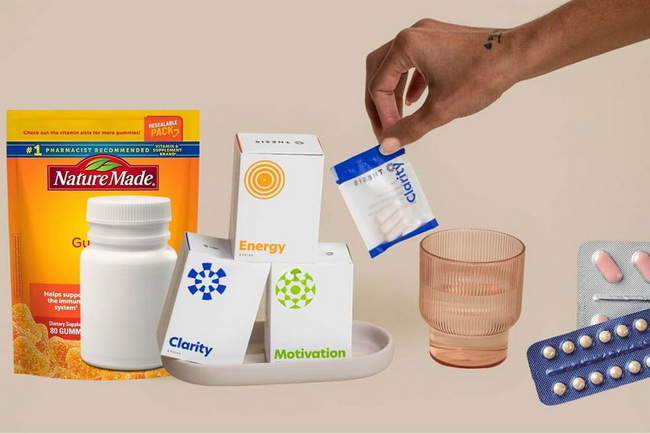
For supplements, packaging is not just a container; it is a safety signal and a brand statement. A well-designed jar, bottle, pouch, or box can communicate quality long before the customer reads the label.
Customers use supplement packaging daily; they see the bottle in their kitchen or bathroom for months. That means:
- The material must be sturdy, non-toxic, and user-friendly.
- Closures should be reliable, with child-resistant caps where appropriate.
- The design should remain clear and attractive even with repeated handling.
A pleasant unboxing and daily use experience increases perceived value and retention, especially if customers subscribe or reorder regularly.
Decide early what kind of supplement company you want to be: luxury, clinical, natural, sporty, or lifestyle-fun. Then make packaging decisions that reinforce that positioning.
- A premium hair vitamin might use soft-touch boxes and frosted jars to signal luxury.
- A fitness-oriented protein line might favour stand-up pouches and shakers with bold graphics.
- A natural, eco-focused brand may choose recyclable or bio-based packaging with earthy colour palettes.
The key is consistency: primary containers, secondary boxes, and shipping materials should feel like parts of the same story rather than random components.
Your website is often the first place where customers research your formulas, read labels, and compare you with competitors. It must be fast, mobile-friendly, and reassuring.
To support both users and search engines, your site should be:
- Intuitive, with clear navigation to product categories, FAQs, and science or ingredient pages.
- Responsive, fully functional on mobile where many supplement purchases now start.
- Fast, with optimised images and code for quick loading to prevent abandonment.
- Trust-rich, with visible certifications, contact details, and policies.
Design choices such as colour, images, and typography should reflect your brand's positioning and speak directly to your ideal buyer persona.
To enhance search performance and perceived authority, your content should:
- Show real-world experience, for example insights from formulators, nutritionists, or pharmacists.
- Reference credible sources and regulatory guidance where appropriate.
- Include detailed product pages with ingredients, usage instructions, and quality controls.
- Feature educational blog content such as guides on ingredients, safety, lifestyle tips, and how to choose supplements.
This type of content not only improves SEO but helps customers feel safe buying from you.
Every sentence you publish, from labels to social posts, shapes how customers perceive your brand. A strong supplement brand voice is clear, honest, and empathetic.
Start with a simple buyer persona:
- Age and life stage, such as young athletes, busy professionals, new mothers, or older adults.
- Primary goals, such as energy, beauty, digestion, joint support, or brain health.
- Pain points, including confusion about ingredients, distrust of marketing, or fear of side effects.
Then build a voice that is:
- Straightforward, avoiding jargon where possible and explaining it when necessary.
- Respectful, never shaming and never overpromising.
- Supportive, positioning your product as one part of a healthy lifestyle, not a miracle cure.
A good rule is that every message should either educate, reassure, or guide the reader to a helpful next step.
Instead of saying:
- “This supplement reverses aging.”
Try:
- “This formula combines antioxidants and vitamins that support normal cellular protection and overall vitality, as part of a balanced lifestyle.”
This phrasing is more realistic, easier to defend, and still compelling for customers.
Trust signals are elements on your packaging and website that prove you are serious about quality and customer protection.
Effective trust signals include:
- Accreditation badges such as GMP, ISO, or recognised third-party testing marks.
- Independent reviews, including verified customer ratings and testimonials.
- Professional endorsements, where permitted, from qualified experts.
- Secure checkout indicators, such as SSL certificates and trusted payment providers.
- Clear policies for refunds, shipping, and contact information.
The goal is to reduce friction and give buyers enough confidence to try your products for the first time.
To outcompete generic brands, you should look at how consumer behaviour is evolving across categories.
Protein remains a standout category, driven by sports nutrition, weight management, and healthy aging.
- Global protein supplement sales are already in the tens of billions of dollars and are projected to grow steadily over the next decade.
- Plant-based protein supplements are gaining share as consumers seek vegan, lactose-free, and environmentally conscious options.
Brands that can combine clean labels, good taste, and sustainable packaging have a strong advantage in this space.
Consumers increasingly prefer targeted solutions over generic multivitamins.
Examples include:
- Prenatal and postnatal supplements for mothers.
- Brain health and focus formulas for students and knowledge workers.
- Joint and bone support for aging populations.
- Sleep and stress support using well-researched botanicals and nutrients.
These niches let you develop deeper expertise and communicate more specific, relevant benefits.
To turn these principles into action, you can follow a simple, structured process:
1. Define your niche and audience: choose category and ideal customer profile.
2. Map regulations: identify all applicable food and supplement rules in your target markets and list any ingredient restrictions.
3. Select your manufacturer: shortlist GMP-compliant partners, request documentation, and check lead times.
4. Develop formulations: work with experts to balance efficacy, safety, taste, and cost.
5. Design labels and packaging: integrate mandatory information with strong branding and user-friendly layouts.
6. Build a trust-rich website: include detailed product pages, FAQs, certifications, and secure checkout.
7. Plan your marketing funnel: content marketing, email sequences, and social proof to drive and convert traffic.
8. Monitor feedback and compliance: track reviews, adverse event reports, and regulatory updates to refine products and messaging.
Treat this checklist as a living document that evolves with your brand.
As your brand grows, packaging complexity increases, with more SKUs, new formats, and changing regulations. Working with a specialised packaging partner can help you unify design, improve user experience, and maintain compliance at scale.
A professional packaging factory and solutions provider can support you with:
- Material selection, choosing safe, food-grade plastics, glass, or sustainable alternatives suitable for tablets, capsules, powders, or liquids.
- Format engineering, designing bottles, jars, pouches, or cartons that protect product stability and are easy to fill on your lines.
- Custom branding, printing high-quality logos and colours consistently across primary and secondary packaging.
- Regulatory-ready layouts, ensuring there is sufficient space for all required label information while keeping the design clean and readable.
By aligning your supplement strategy with robust packaging and machinery solutions, you create a more scalable and professional operation that can expand into new markets with confidence.
If you are planning to launch or upgrade a supplement brand, investing early in compliant, high-performing packaging will make every other part of your business, from marketing to logistics, more effective. Partner with a packaging expert that understands supplements, food safety, and automated machinery to design containers, labels, and boxes that protect your formulas and strengthen your brand. Review your current or planned supplement range today, identify where packaging, labelling, or trust signals need improvement, and work with a specialist team to turn your concept into a production-ready, market-ready solution that customers can trust and reorder with confidence.
Contact us to get more information!
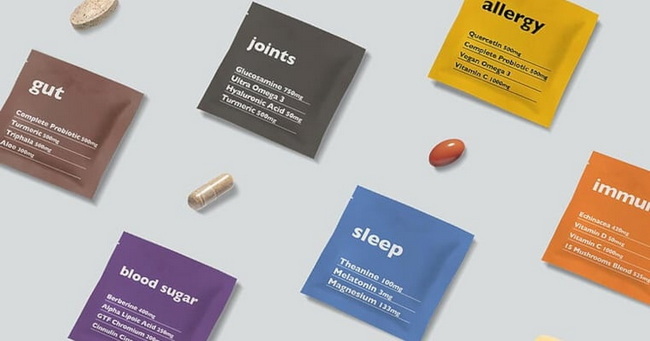
In most jurisdictions, dietary supplements are regulated as foods rather than medicines, but they must still comply with specific supplement regulations and general food law. This includes requirements on ingredients, labelling, safety monitoring, and marketing claims.
No, supplement products generally cannot claim to treat, cure, or prevent diseases, because such statements are considered medicinal claims reserved for authorised medicines. You should instead use permitted nutrition or health claims that describe support for normal body functions.
A typical supplement label must include the product name, ingredients list with allergens, active ingredient amounts, recommended daily dosage, storage conditions, best-before or use-by date, and the name and address of the responsible business. In some cases, the indication of origin is also required to avoid misleading consumers.
Protein supplements benefit from rising interest in sports nutrition, healthy aging, and active lifestyles, and many market reports project strong growth over the coming decade. There is additional momentum in plant-based and convenient, on-the-go formats that align with modern consumer preferences.
You can build trust by using GMP-certified manufacturers, providing clear and compliant labels, publishing third-party test results, and showing independent certifications on your packaging and website. A modern, secure website with transparent policies and responsive customer support further strengthens your brand's credibility.
1. https://www.gov.uk/government/publications/nutrition-legislation-information-sources/nutrition-legislation-information-sheet--2
2. https://packhelp.com/how-to-build-a-supplement-brand/
3. https://www.food.gov.uk/business-guidance/food-supplements
4. https://www.grandviewresearch.com/industry-analysis/dietary-supplements-market-report
5. https://www.researchandmarkets.com/reports/5899600/dietary-supplements-market-size-share-and-trends
6. https://www.precedenceresearch.com/protein-supplements-market
7. https://www.imarcgroup.com/protein-supplements-market
8. https://www.factmr.com/report/plant-based-protein-supplement-market
9. https://www.nutraceuticalbusinessreview.com


