


close
Choose Your Site
Global
Social Media
Views: 222 Author: Amanda Publish Time: 2026-02-06 Origin: Site


Content Menu
● Can You Recycle Stickers at Home?
● What Happens If Stickers Enter the Recycling Stream?
● Understanding Sticker Construction
>> 1. Facestock
● Are Any Stickers Recyclable?
● Are Compostable Stickers the Perfect Solution?
● Greener Sticker Options for Brands
● Practical Steps to Reduce Sticker Waste Today
>> Step 1: Audit Your Current Labels
>> Step 2: Reduce Excess Labels
>> Step 3: Switch to Better Materials
● How to Dispose of Stickers Responsibly
● When Stickers and Labels Are Acceptable in Recycling
● How HLun Pack Supports Sustainable Labeling
● Take the Next Step with HLun Pack
● FAQs About Sticker Recycling
>> 1. Are stickers themselves ever accepted in curbside recycling?
>> 2. Can I recycle packaging that still has labels on it?
>> 3. Are vinyl stickers recyclable or biodegradable?
>> 4. What should businesses do with large volumes of sticker backing paper?
>> 5. How can brands make their labels more eco‑friendly without losing performance?
Most everyday stickers and their backing liners are not curbside recyclable, but there are smart ways to reduce sticker waste, choose greener materials, and keep your recycling stream clean. This guide explains how sticker recycling really works, what options you have, and how brands like HLun Pack can design more sustainable packaging and labeling systems.

For most households and small businesses, standard stickers and their backing liners belong in the trash, not the recycling bin. This is mainly due to the complex mix of facestock, adhesive, coatings, and silicone‑treated liner, which are difficult to separate in conventional recycling systems.
- Paper stickers with silicone liners: The silicone coating that makes the liner easy‑release usually prevents it from being recycled with normal paper.
- Vinyl and plastic stickers: These are almost never accepted in curbside recycling and can contribute to microplastics when they fragment in the environment.
- Adhesives: Most industrial glues are not recyclable or compostable and can contaminate paper pulp or plastic reprocessing if present in large quantities.
If you are unsure, treat loose stickers and backing paper as general waste and focus your recycling efforts on the main packaging (boxes, bottles, films) instead.
Recycling plants are designed to handle some contamination, but stickers still create challenges, especially in paper recycling.
- In paper mills, label adhesives and coatings tend to form a sticky residue called “stickies,” which can reduce paper quality and damage equipment.
- In plastic recycling, small amounts of labels are often burned off or filtered out during melting, but heavy label coverage or full shrink sleeves can interfere with sorting and quality.
- For metals and glass, labels are usually incinerated or separated during high‑temperature processing, so small labels are less critical but still better minimized.
Many recycling guides recommend removing plastic labels or films from cans and bottles where possible, placing the label in the trash and only the clean container in the recycling bin.
Understanding how stickers are built helps explain why recycling is so limited. A typical pressure‑sensitive label has four key components.
The facestock is the visible surface (paper, polypropylene, PET, foil, vinyl). It carries your brand colors, finishes, and key information. Some papers are technically recyclable, but coatings and inks often complicate things and may limit recovery.
The adhesive layer can be hot‑melt, acrylic, or rubber‑based, and it determines tack, removability, and temperature resistance. Most current formulas are petroleum‑based and neither recyclable nor compostable at scale.
The release coating (often silicone) is applied to the liner so stickers peel off easily. This coating is a major reason backing paper is not accepted in normal paper recycling, because it behaves very differently from paper fibers in the pulping process.
The backing liner is the paper or film substrate carrying the release coating. Once discarded in bulk, this liner is typically landfilled or used for energy recovery, not material recycling.
Because each layer has different recycling and processing requirements, it is rarely economical for facilities to separate and recover them from mixed municipal waste streams.
Technically, some sticker and label systems can be compatible with recycling, but there is no universal “recyclable sticker” for all situations. What matters is the combination of facestock, adhesive, liner, and the material of the item they are applied to.
- Recycling‑compatible adhesives: These special adhesives are engineered to detach or disperse cleanly during paper recycling, reducing stickies and improving fiber recovery.
- Recycling‑friendly label papers: Certain paper label materials are designed to be pulped and screened without major impact on mill operations.
- Container recycling guidance: For many metal and glass containers, labels can be left on because high‑temperature processes remove them; for some plastic systems, labels must be minimized or removed.
Even when stickers are designed to be more recycling‑compatible, the loose sticker waste and backing liners are still usually not accepted in curbside programs and must be managed separately.
There is growing interest in compostable stickers, especially for food packaging and fresh produce, but current solutions have limitations.
- Compostable facestock: Some labels use compostable papers or bioplastics, which can break down under industrial composting conditions.
- Adhesive challenge: Even a small amount of non‑compostable adhesive can leave plastic residues and contaminate compost, so certifiable systems require carefully engineered, certified compostable glues.
- Composting infrastructure: Many regions lack access to industrial composting, and home compost systems often do not reach the temperatures needed to break down complex label structures.
In practice, compostable stickers are promising but not yet a “magic bullet,” and brands still need a broader waste‑reduction strategy around labeling, not just a single material swap.
If you are designing packaging and labels for your products, there are realistic ways to reduce the environmental footprint of stickers today.
- Use recycled‑content facestock (for example, high‑recycled‑fiber label papers) to lower demand for virgin raw materials.
- Choose recycled backing liners where available; some specialized producers convert post‑consumer paper into new release liners to keep fiber in circulation longer.
- Prioritize paper over vinyl when performance allows, since paper labels generally have a lower microplastic risk and can sometimes be processed more easily.
- Match label and packaging materials (for example, paper label on a paper box, clear PP label on a PP bottle) to simplify recycling compatibility.
HLun Pack, as a professional packaging materials and machinery manufacturer, can support brands in specifying sustainable facestocks, liners, and label formats that work with automated labeling equipment without sacrificing print quality or performance.
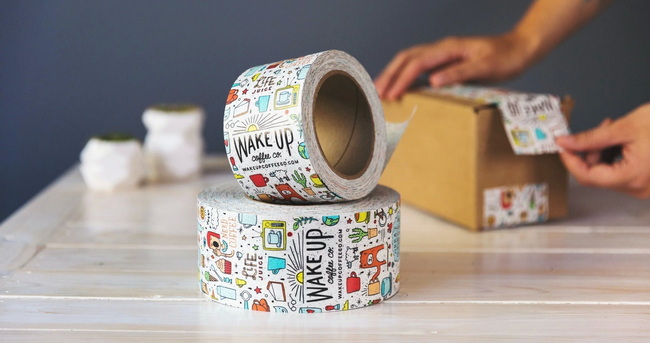
Even if your local system cannot recycle stickers, you can still minimize waste and prevent contamination in your recycling streams.
Start by mapping what you already use:
- Facestock types and thicknesses (paper, films, foils).
- Adhesive families (permanent, removable, freezer‑grade, hot‑melt, acrylic).
- Liner materials (glassine paper, PET film, kraft liners).
- Annual volumes and where labels are applied in the process.
This audit reveals high‑volume waste points and where a targeted material upgrade will have the biggest impact.
Simplifying your packaging design often yields quick wins.
- Combine multiple stickers into one well‑designed label when possible.
- Print regulatory and branding information directly on flexible packaging or boxes using integrated printing systems rather than additional stickers.
- Eliminate purely decorative stickers that add cost and waste without functional value.
When you are ready to improve your label system, prioritize high‑impact material changes.
1. Switch to recycled liner SKUs first, as this change typically has minimal impact on operations and cost but significantly reduces virgin paper demand.
2. Move from vinyl stickers to paper or PP labels that match your packaging and avoid microplastic issues where feasible.
3. Ask suppliers about recycling‑compatible adhesives if your products end up in high‑volume paper recycling streams.
As a packaging integrator, HLun Pack can pair these upgraded materials with proper labeling machinery to maintain speed, accuracy, and long‑term reliability on your production line.
For both consumers and brands, the end‑of‑life stage is crucial.
- Reuse before disposal: Use leftover stickers in crafts, scrapbooking, or internal labeling to extend their life.
- Donate surplus stickers: Schools, community centers, and art programs often welcome extra sticker sheets for activities.
- Correct disposal: When reuse is not possible, stickers and backing sheets should go into general waste, not recycling or compost, unless a specific take‑back or recycling scheme is provided.
- Leave labels on or remove: For most glass and metal containers, you can leave labels on; for some plastic bottles or shrink‑wrapped cans, best practice is to remove plastic sleeves or large sticker films, trash them, and only recycle the clean container.
Clear disposal instructions printed near your labels can help your customers handle packaging correctly after use.
There are situations where you do not need to obsess over every small sticker, especially in household recycling.
- Many municipal facilities are designed to tolerate small quantities of labels on packaging, removing them mechanically or thermally.
- For paper packaging, a few labels usually end up as sludge during pulping and are screened out, though large label coverage is still problematic.
- Some recycling programs explicitly state that you do not have to peel off every label from jars and bottles, as long as you follow their core preparation rules.
The key is to follow local guidelines and avoid sending entire bags of backing liners or empty sticker sheets into curbside recycling, where they will almost certainly be rejected or cause contamination.
As HLun Pack, you operate both a professional packaging materials factory and a packaging machinery factory, enabling you to provide integrated solutions that align branding, sustainability, and production efficiency.
You can help customers:
- Select paper and flexible packaging structures that balance product protection, shelf impact, and recyclability.
- Specify label materials that are compatible with the chosen packaging and local recovery systems, avoiding obvious recycling conflicts.
- Design and supply labeling machinery—from label dispensers to fully automatic lines—that applies sustainable labels accurately at production speed.
- Develop customized packaging and labeling solutions that reduce total material usage while maintaining brand visibility and legal compliance.
By acting as a packaging partner rather than just a materials supplier, HLun Pack delivers real‑world experience, deep technical expertise, and trustworthy guidance for brands that want to upgrade their sticker and label systems.
If you want your packaging to be both sustainable and production‑ready, your sticker and label choices matter as much as your boxes and films. HLun Pack can help you audit your current labels, redesign structures for better recyclability, and match them with the right labeling machinery for your line.
Contact HLun Pack today to discuss a tailored sticker and labeling solution for your products, reduce waste across your packaging system, and build a more sustainable brand image from the label up.
Contact us to get more information!
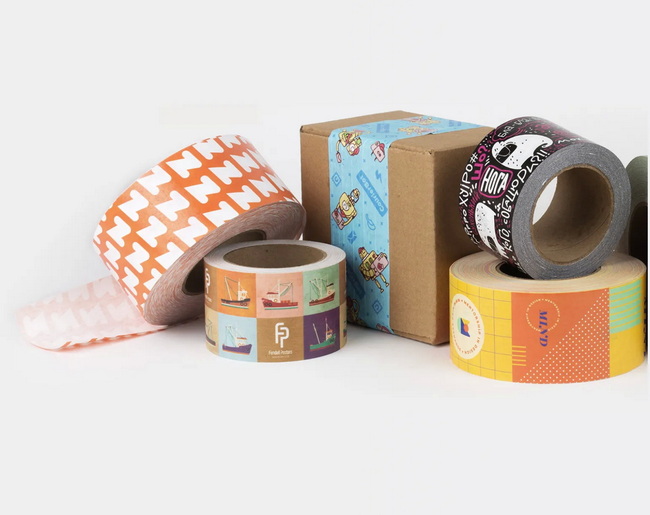
In most regions, loose stickers and backing sheets are not accepted in curbside recycling because of their complex mix of adhesives, coatings, and liners. You should dispose of them in general waste unless your local program offers a specific solution.
Usually yes, especially for glass, metal, and many plastic containers, because labels are removed or incinerated during processing. Always follow local guidance; when in doubt, remove large plastic sleeves and place only the clean container in the recycling bin.
Vinyl stickers are not recyclable in standard household systems and are not biodegradable. When they break down, they generate microplastics that can pollute waterways and ecosystems, so paper and other alternatives are usually better.
Most municipal recyclers will not accept silicone‑coated backing paper, so it typically goes to landfill or energy recovery. Some specialized programs and suppliers offer take‑back or recycling solutions for bulk liner waste, so businesses should consult their label and packaging partners.
Brands can switch to recycled‑content facestocks, recycled liners, and recycling‑compatible adhesives where appropriate, while keeping print quality and durability high. Working with an integrated partner like HLun Pack makes it easier to align material choices with labeling machinery and production requirements.
1. https://pakoro.com/blog/can-you-recycle-stickers/
2. https://www.stickerit.co/blog/can-you-recycle-stickers
3. https://labelsplus.co.uk/can-you-recycle-sticky-labels
4. https://circular.eco/article/how-to-properly-dispose-of-stickers
5. https://www.yitopack.com/news/are-stickers-recyclable-and-do-they-biodegrade
6. https://stickerprintingchina.com/recycle-stickers-guide
7. https://www.avery.co.uk/blog/eco-friendly-labels-and-stickers-top-10-questions-and-answers
8. https://www.averyproducts.com.au/disposal-of-labels-packaging
9. https://www.hlunpack.com
10. https://www.hlpackmachinery.com


