


close
Choose Your Site
Global
Social Media
Views: 222 Author: Amanda Publish Time: 2026-01-23 Origin: Site


Content Menu
● What Are Butcher Paper and Parchment Paper?
● Key Differences: Butcher Paper vs Parchment Paper
>> Core Performance Comparison
>> Best Uses for Butcher Paper
>> Types of Butcher Paper You Should Know
>> Best Uses for Parchment Paper
>> Parchment Paper in a Commercial Setting
● Safety, Heat Limits, and What Not to Do
>> Heat and Equipment Considerations
>> Health and Material Choices
● Environmental Impact and Branding Potential
>> Sustainability Considerations
>> Branding and Customer Experience
● Practical Decision Framework: How to Choose the Right Paper
>> Step 1: Identify Your Primary Application
>> Step 2: Consider Texture and Moisture
>> Step 3: Factor in Branding and Operations
● Real-World Scenarios for Home Cooks and Food Businesses
>> Scenario 1: Smoking a Brisket for 10+ Hours
>> Scenario 2: Running a Neighborhood Bakery
>> Scenario 3: Fast-Casual Burger Shop or Smokehouse
● Expert Tips and Common Mistakes to Avoid
>> Expert Tips
● Action-Oriented Conclusion and CTA
● FAQs About Butcher Paper vs Parchment Paper
>> 1. Can I use parchment paper instead of butcher paper for smoking meat?
>> 2. Is butcher paper safe to use in the oven?
>> 3. Which paper is better for cookies: butcher paper or parchment paper?
>> 4. Are butcher paper and parchment paper eco-friendly?
>> 5. Can both papers be custom printed with my logo?
When comparing butcher paper vs parchment paper, the best choice depends on your cooking method, heat level, and whether you are smoking meat, baking pastries, or packaging food for customers. This enhanced guide dives deep into performance, safety, branding, and real-world applications so you can pick the right paper every time.

Butcher paper is a thick, breathable kraft paper designed to wrap meat, especially for smoking, storage, and rustic food presentation. It is usually uncoated or lightly treated for moisture resistance, making it strong yet still porous enough to let steam and smoke escape.
Parchment paper is a thinner, smooth paper coated with a non-stick, usually silicone-based layer that excels at high-heat baking and roasting. It resists sticking, handles higher oven temperatures, and is a staple for cookies, bread, pastries, and roasting vegetables or fish.
Use this quick comparison table to understand the most important distinctions before choosing your paper.
Feature | Butcher Paper | Parchment Paper |
Heat resistance | Typically safe in smokers and low ovens at moderate temperatures, but not ideal for intense direct heat. | Commonly rated for higher oven temperatures, ideal for baking and roasting. |
Breathability | Highly breathable; allows moisture and smoke to escape, helping form a bark on smoked meats. | Lower breathability; traps more steam and moisture, leading to softer textures. |
Surface | Fibrous, slightly rough, and more absorbent, good for heavier cuts and rustic presentation. | Smooth, non-stick surface that prevents food from sticking and simplifies release. |
Thickness & strength | Thicker and sturdier; resists tearing when wrapping large or bone-in meats. | Thinner and more flexible; better for lining pans and trays. |
Smoke performance | Excellent for smoking; lets smoke penetrate while protecting the meat surface. | Poor for smoking; coating and low breathability limit smoke penetration. |
Best use cases | Smoking brisket, ribs, pulled pork; wrapping large cuts; rustic food service and packaging. | Baking cookies, cakes, bread; roasting vegetables and fish; non-stick pan lining. |
Butcher paper shines in low-and-slow cooking, meat handling, and rustic or branded food service.
- Smoking meats (brisket, ribs, pork shoulder)
Butcher paper lets smoke in and some moisture out, helping develop a flavorful bark while preventing the meat from drying out. It also avoids the “pot roast” texture that can occur when meat is tightly wrapped in foil.
- Wrapping and resting cooked meats
After cooking, wrapped meat stays warm and juicy while excess steam can gently escape, protecting texture and crust. This is particularly useful in BBQ restaurants and catering operations.
- Food service, takeout, and sandwich wraps
Sturdy butcher paper supports burgers, sandwiches, and combo meals without collapsing or leaking. It offers a natural, craft-like look that aligns well with smokehouse, deli, and “farm-to-table” branding.
- Peach or pink butcher paper
Often used in BBQ, this lightly treated paper resists moisture and grease while remaining breathable. It is a go-to choice for wrapping brisket in professional smokehouses.
- White butcher paper
Similar performance but a cleaner, brighter look, ideal for delis, seafood counters, and branded printing.
- Custom-printed butcher paper
Heavier grades can be printed with food-safe inks to display logos, patterns, or brand narratives on wraps, tray liners, and table covers.
Parchment paper is built for high-heat, non-stick performance in ovens and bakeries.
- Baking cookies, pastries, and cakes
The non-stick coating prevents baked goods from adhering to trays or pans, ensuring clean edges and easier removal. It also reduces the need for oil or spray, which helps maintain consistent product quality.
- Roasting vegetables, fish, and poultry
Parchment paper provides a clean, non-stick surface that keeps delicate foods from tearing and simplifies cleanup. It also helps distribute heat more evenly under foods.
- Cooking “en papillote”
Cooking fish or chicken in a sealed parchment pouch locks in moisture and aroma while keeping the plate spotless. This technique is popular in both professional kitchens and high-end home cooking.
For bakeries, cafés, and restaurants, parchment paper improves workflow and consistency:
- Trays can be re-used multiple times with quick paper changes.
- Products release predictably, reducing product loss and visual defects.
- Pre-cut parchment sheets speed up prep and portioning.
Choosing between butcher paper and parchment paper is not just about performance, because safety matters as well.
1- Butcher paper
- Best for indirect heat in smokers and low-temperature ovens.
- Avoid placing directly over open flame or on extremely hot grill grates, where the paper can scorch or burn.
- Not designed for very high-heat baking or broiling applications.
2- Parchment paper
- Typically safe in ovens up to the high baking temperatures specified by the manufacturer.
- Not recommended for smoking meat or intense direct flame contact because the coating and lower breathability affect texture and flavor.
- Choose unbleached parchment if you want to minimize chemical treatments.
- Avoid heavily dyed or wax-coated butcher paper for direct cooking, because those types are better reserved for packaging and crafts.
- Look for food-contact safe and compliant papers when using them for wrapping hot foods.
Modern food businesses care about sustainability, branding, and customer perception as much as pure performance.
- Both butcher and parchment papers are generally produced from wood pulp or cellulose, which are renewable materials.
- Uncoated butcher paper and unbleached parchment are usually easier to recycle or compost where local regulations allow.
- Heavily waxed, foil-lined, or plastic-coated papers are more difficult to process and may need to be treated as general waste.
- Butcher paper offers a highly visible, printable surface for logos, brand colors, and storytelling graphics on wraps, tray liners, and table covers.
- Parchment paper can also be custom printed, but in some cases printed coatings may affect aroma or baking performance, so testing is recommended.
- For businesses, carefully choosing paper color, texture, and print can reinforce a premium, eco-conscious, or artisanal brand position.
To help both home cooks and businesses, use this step-by-step framework every time you decide between butcher paper and parchment paper.
1. Smoking or low-and-slow BBQ
Choose butcher paper for brisket, ribs, pork shoulder, and large cuts.
2. High-heat baking or roasting
Choose parchment paper for cookies, bread, pastries, pizzas, and roasted vegetables.
3. Food packaging and presentation
- Choose butcher paper for burgers, sandwiches, butcher counters, and rustic plating.
- Choose parchment paper for lining pastry boxes or under sticky baked goods.
- If you want a crisp bark and smoky crust on meat, use butcher paper so excess moisture can escape.
- If you want soft, tender baked goods that stay moist, use parchment paper to trap steam around cookies and breads.
- For branded wraps, tray liners, or table rolls in restaurants or butcher shops, custom-printed butcher paper provides maximum visual impact and durability.
- For high-volume bakeries, pre-cut parchment sheets speed up production and ensure consistent product release from pans.
Bringing the differences to life with concrete scenarios helps clarify what to use in each situation.
- Use peach or pink butcher paper once the bark is set to protect the meat while maintaining smoke flow and moisture balance.
- Parchment paper is more likely to trap steam and soften the bark, reducing the BBQ-style texture many pitmasters expect.
- Line all cookie, macaron, and pastry trays with parchment paper to guarantee non-stick release and smooth bottoms.
- For rustic loaves or artisan sandwiches, wrap finished goods in printed butcher paper to increase perceived value and brand recall.
- Use butcher paper for wrapping burgers, sandwiches, and smoked meats, and for lining baskets or trays.
- Reserve parchment paper for baking buns, desserts, and sides like cookies or brownies.
A few expert-level tips can significantly improve your cooking and packaging results.
- Always leave room for airflow in smokers, and do not overwrap meat so tightly that butcher paper blocks circulation.
- For sticky or sugary bakes, choose high-quality parchment rated for your target oven temperature to prevent edge darkening.
- If you run a food business, test ink stability and odor on printed papers under real cooking and holding conditions before large-scale rollout.
- Do not use wax paper instead of parchment or butcher paper in the oven, because wax can melt or smoke at cooking temperatures.
- Avoid using parchment paper on extreme direct heat or open flame, where it can char or ignite.
- Do not assume all colored butcher papers are food-safe; always verify food-contact ratings with your supplier.
Choosing the right paper can transform both your cooking results and your brand image. Whether you need high-performance butcher paper for serious BBQ or food-safe parchment paper for reliable baking, working with a specialist ensures consistent quality, compliance, and a better experience for your customers.
If you run a restaurant, smokehouse, bakery, or food brand and want custom-sized, branded butcher or parchment solutions, contact HLun Pack today. Our team can help you design a tailored packaging and paper program that matches your menu, your equipment, and your budget, so you achieve reliable performance in the kitchen and a memorable presentation in every serving.
Contact us to get more information!
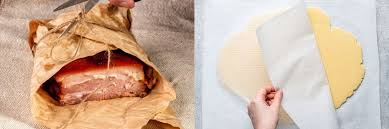
Parchment paper is not ideal for smoking because its coating and lower breathability trap moisture and restrict smoke penetration, often softening the bark on smoked meats. For authentic BBQ texture, butcher paper is the recommended choice, especially for brisket and other large cuts.
Butcher paper can be used in ovens at moderate temperatures, particularly for low-and-slow cooking or finishing smoked meats. However, it is not designed for very high-heat baking or broiling in the way parchment paper is, so always follow the manufacturer's temperature guidelines.
For cookies and most baked goods, parchment paper is superior because it is non-stick and handles higher oven temperatures with ease. Butcher paper is more suitable for meat and rustic wrapping than for delicate cookies or pastries that require precise shapes and smooth release.
Both papers are generally produced from wood pulp and can be relatively eco-friendly, especially in uncoated or unbleached forms. Local recycling or composting rules vary, so it is important to check regulations and product labeling to understand how each paper should be disposed of in your area.
Yes, butcher paper and parchment paper can be custom printed, but butcher paper is typically more robust and better suited for heavy branding, tray liners, and wraps. For parchment, careful testing is important to ensure that inks do not affect food aroma, product quality, or baking performance.
1. https://pakoro.com/blog/butcher-paper-vs-parchment-paper/
2. https://www.restaurantware.com/blogs/bakery-resources/butcher-paper-vs-parchment-paper
3. https://noissue.co/blog/butcher-paper-vs-parchment-paper-which-one-do-i-use-for-my-business/
4. https://oxopackaging.com/blog/parchment-vs-butcher-paper.html
5. https://www.masterclass.com/articles/butcher-paper-vs-parchment-paper
6. https://www.reynoldsbrands.com/tips-and-how-tos/butcher-paper-101
7. https://broilkingbbq.com/technique-butcher-paper-parchment-or-foil/
8. https://www.morganchaney.com/blog/butcher-paper-vs-parchment-paper-vs-deli-paper-which-is-right-for-your-food-business/
9. https://butcherbbq.com/blogs/news/butcher-paper-foil-or-something-else-mastering-the-art-of-wrapping-your-bbq


