


close
Choose Your Site
Global
Social Media
Views: 222 Author: Amanda Publish Time: 2026-01-22 Origin: Site


Content Menu
● What Makes a Jewelry Box Recyclable?
● Quick Reference: Can You Recycle Common Jewelry Box Components?
● How to Identify Jewelry Box Materials in Seconds
>> Wood, Metal, Fabric, and Foam
● Step‑by‑Step: How to Recycle Jewelry Boxes Correctly
>> 1. Separate Components Immediately
● Eco‑Friendly Jewelry Packaging Options You Can Use Today
>> Recyclable and Recycled Paperboard Boxes
>> Molded Pulp and Paper Inserts
● Why Sustainable Jewelry Boxes Matter for Your Brand
● Design Principles for High‑Performance Recyclable Jewelry Boxes
>> 1. Use Mono‑Materials Whenever Possible
>> 2. Minimize Permanent Attachments
>> 3. Limit Magnets and Metal Parts
>> 4. Design for Easy Disassembly
● How HLun Pack Can Support Your Packaging Transition
● Practical Re‑Use Ideas for Jewelry Boxes
● Donation and Take‑Back Channels
● Implementation Checklist for Jewelry Brands
● Take the Next Step with HLun Pack
● FAQs: Recyclable Jewelry Boxes
>> 1. Are all jewelry boxes recyclable?
>> 2. Can I recycle a jewelry box with foam inside?
>> 3. Are magnetic‑closure jewelry boxes bad for recycling?
>> 4. What is the most eco‑friendly jewelry box material?
>> 5. How can my brand switch to recyclable jewelry boxes without disrupting production?
For jewelry brands, packaging is no longer “just a box” — it is a statement about your sustainability standards and your brand story. When those jewelry boxes end up in landfill instead of a recycling stream, you lose both environmental credibility and long‑term customer trust.

The recyclability of a jewelry box depends on materials, coatings, and how easily the components can be separated. Mono‑material designs, such as pure cardboard or metal, are usually the easiest to recycle, while mixed materials often require manual separation before any part can enter recycling.
Local recycling rules also determine what actually gets accepted at curbside, drop‑off centers, or special facilities. The simpler and cleaner the structure, the higher the chance your jewelry box will be successfully recycled — not just theoretically recyclable.
Component type | Recyclable? | What to do before recycling | Notes |
Cardboard / paperboard box | Usually yes | Remove foam, fabric, magnets, and plastic film | Avoid laminated or glitter finishes when possible. |
Rigid PET / HDPE plastic insert | Often yes | Check resin code; rinse and dry | PET (#1) and HDPE (#2) are widely accepted. |
Mixed plastics or PVC | Often no | Look for specialty recycling programs | Many curbside programs reject mixed plastics. |
Metal hinges / clasps | Yes | Separate metal from box body | Steel and aluminum are endlessly recyclable. |
Wood box (unfinished) | Sometimes | Ask local facility; avoid paint or heavy varnish | Many centers treat finished wood as non-recyclable. |
Fabric & foam inserts | Rarely | Prioritize re use or donation | EVA foam and velvet are typically landfill-bound. |
Designing your packaging so customers can easily disassemble these parts dramatically improves real‑world recycling rates.
Helping your team and your customers identify what is what is one of the easiest sustainability wins.
Most branded jewelry boxes use paperboard or rigid cardboard. A quick tear‑test reveals a lot: a clean, fibrous edge usually means the material is recyclable paper, while a shiny, plastic‑like film that stretches instead of tearing often indicates a laminate that can block recycling.
Choosing certified and high‑recycled‑content paperboard supports both recyclability and environmental reporting. This type of substrate can balance strength, print quality, and end‑of‑life performance.
Look for the resin identification code — the small triangle with a number inside. PET (#1) or HDPE (#2) inserts are widely recyclable when clean, while styrene, PVC, and unlabeled mixed plastics are much harder to reprocess in standard facilities.
Clear, rigid trays that are mono‑material and clearly labeled with a code are your best plastic option if you cannot switch to molded pulp. Whenever possible, use designs that allow the insert to be removed easily without tearing the box.
Wood jewelry boxes are durable and ideal for long‑term reuse, but many finishes such as lacquer or heavy paint complicate recycling. Unfinished wood may be accepted in certain bulk‑waste or specialized recycling streams.
Steel and aluminum hinges and clasps hold high recycling value and can be recovered indefinitely without quality loss. In contrast, foam, velvet, and synthetic fabrics are rarely accepted in curbside streams and should be designed for reuse rather than single‑use disposal.
A clear micro‑process helps your warehouse, stores, and customers recycle consistently and avoid contamination.
1. Open the box fully and check all compartments.
2. Remove foam or fabric inserts and any plastic trays.
3. Detach metal hinges or clasps where practical.
4. Keep paper with paper, metals with metals, and plastics sorted by type.
Doing this as soon as boxes are unpacked prevents forgotten inserts and reduces the risk of contamination in paper streams.
Remove dust, glue blobs, or product residue that may cause a load to be rejected. For cardboard boxes, flatten them to save space in recycling bins and trucks, which also helps reduce transport emissions.
Recycling rules differ between cities and countries. Check your municipality's recycling guide and train your team using simple visual aids, such as posters or quick‑reference cards.
For multi‑site brands, create a concise matrix showing what each location can recycle and where specialty take‑back partners are available. This keeps operations aligned with local regulations and avoids penalties.
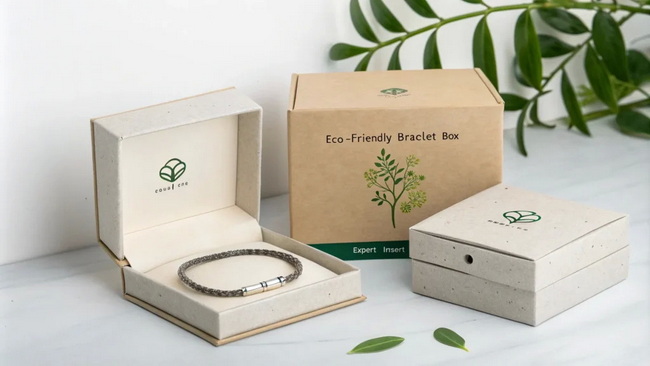
Switching to eco friendly jewelry packaging does not mean compromising on luxury or unboxing impact. Modern materials and structures can deliver both premium aesthetics and responsible end‑of‑life outcomes.
High‑quality rigid paperboard boxes with minimal coatings are now standard for sustainable jewelry brands. Using recycled cardboard, often with a high percentage of post‑consumer fiber, reduces the use of virgin resources.
Selecting aqueous or water‑based coatings instead of plastic laminates helps keep the box recyclable, while minimal ink coverage and the selective use of finishing effects maintain a refined look. This construction supports a premium feel and works with most curbside systems.
Instead of plastic trays, molded pulp or die‑cut paper inserts provide structure and protection. These components are typically made from recycled fibers and can enter the paper stream after use.
Thoughtful cavity design can secure rings, earrings, and necklaces without plastic. For brands, this approach reduces plastic consumption and showcases a clear commitment to responsible packaging.
Lightweight cotton or hemp pouches can dramatically extend packaging life. Customers often reuse these pouches as travel organizers, gifting bags, or small‑item storage.
When combined with simple drawstring closures, organic or responsibly sourced textiles deliver a tactile, branded experience. Using a pouch inside a recyclable outer box creates a layered unboxing moment while keeping the total environmental footprint lower than heavy multi‑material constructions.
Choosing recyclable jewelry boxes is not only about compliance; it is also a strategic brand decision. Eco‑conscious shoppers increasingly pay attention to packaging claims and reward brands that use recyclable, low‑waste materials.
Retailers, marketplaces, and distribution partners are tightening packaging requirements and favoring suppliers with transparent sustainability documentation. Investors and corporate stakeholders also look for measurable progress in waste reduction and recycled content usage, making packaging an important part of broader ESG narratives.
Brands that lead in sustainable jewelry packaging often follow a few core design rules from the concept stage onward.
A typical example is a paperboard box with paper inserts and a paper label. Fewer material types mean fewer steps before recycling and reduce the risk of contamination.
Whenever possible, avoid unnecessary plastic windows, mixed laminates, and non‑removable decorations. Simplicity in material choice is one of the most powerful tools for recyclability.
Avoid gluing foam to the base or laminating plastic film permanently to paper. Consider snap‑in or folded paper structures instead of glued plastic trays, and use mechanical features in the board to secure products.
By minimizing permanent attachments, you make it easier for both customers and recycling facilities to keep each material stream clean.
Hidden magnets and complex fixtures complicate recycling and can be difficult for customers to remove. If you need a closure, consider mechanical locks created from folded board or removable accessories that do not interfere with recycling.
When metal parts are required, ensure they can be detached quickly and clearly communicate this step in any on‑pack recycling guidance.
Ensure inserts slide out without tools, and avoid constructions where fabric or foam is permanently bonded. If you use a ribbon or sleeve, let it be removable and mono‑material as well.
By designing for disassembly from the beginning, you help ensure that more packaging actually reaches the appropriate recycling stream rather than going to landfill.
As a professional packaging materials manufacturer focused on integrated packaging solutions, HLun Pack can help brands move from concept to implementation in recyclable jewelry packaging.
The team can provide material consulting to compare paperboard grades, recycled content levels, and coating options that meet both recyclability and performance needs. Structural engineering support helps redesign existing jewelry boxes into mono‑material or easy‑separation formats without losing your visual identity.
In addition, HLun Pack understands the relationship between box design and packaging machinery. This allows new sustainable designs to be aligned with your current packaging lines, helping you transition without disrupting production efficiency.
Even the best recycling system benefits from re‑use first. Jewelry boxes that are still in good condition can enjoy a much longer life beyond their initial purpose.
Common re‑use ideas include gift card or gift voucher boxes for seasonal promotions, drawer organizers for beads, screws, and small components, and branded “thank‑you kits” for influencers or VIP customers. Smaller boxes are also ideal as travel cases for fragile demonstration products at trade shows.
Encouraging customers to share their own re‑use ideas on social media with a branded hashtag can extend your visibility and keep packaging in circulation longer.
When in‑house re‑use is not feasible, redirect boxes into communities that value them. Local schools and libraries often welcome small boxes for craft projects and STEAM activities.
Community free‑sharing groups, such as “Buy Nothing” style networks, are another option, as makers and hobbyists frequently seek attractive packaging. Larger jewelry brands may also consider setting up take‑back programs that collect boxes for reuse, creative upcycling, or material recovery through dedicated partners.
Working with a packaging specialist to design a branded box‑return program can become a distinctive part of your sustainability story.
Use this simple checklist to boost your jewelry box recycling rate and align operations with your sustainability goals.
1. Audit every packaging SKU.
Identify laminates, magnets, plastic trays, and mixed materials, and flag SKUs that cannot be recycled easily.
2. Redesign with recyclability in mind.
Choose paper‑only or easily separated constructions, and replace plastic inserts with molded pulp or folded board where possible.
3. Document local recycling rules.
Build a quick reference map for each warehouse and major market to reflect what can and cannot be recycled.
4. Train internal teams.
Develop short standard operating procedures with photos that clearly show which components go into recycling and which go to general waste.
5. Communicate clearly to customers.
Print simple icons or a concise message such as “Box: Recycle as paper. Insert: Reuse or dispose.” on your packaging to guide end‑users.
Turning this checklist into a practical implementation roadmap allows you to track progress, identify quick wins, and scale successful practices across product lines and regions.
If you are ready to transform your jewelry packaging into a truly recyclable, brand‑enhancing asset, now is the ideal time to act. Thoughtful changes in materials, structure, and communication can dramatically reduce waste while strengthening your sustainability story.
Contact the HLun Pack team today to review your current jewelry boxes, identify quick wins, and prototype a fully recyclable solution tailored to your products and machinery. Turn every unboxing into proof of your commitment to responsible packaging and long‑term brand value.
Contact us to get more information!
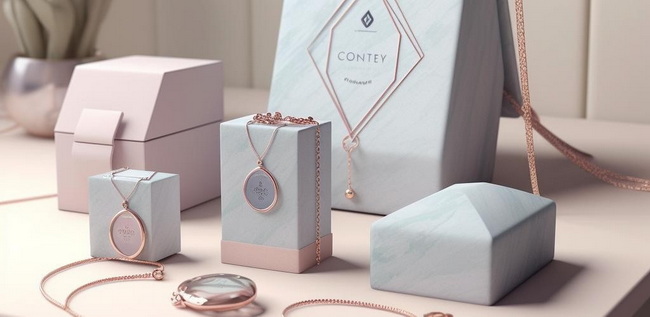
Not all jewelry boxes are recyclable. Mixed materials, heavy laminates, and glued foam often prevent them from being accepted in standard curbside programs. Choosing mono‑material designs and removable inserts greatly improves recyclability and makes it easier for recycling facilities to handle your packaging.
In many cases, the cardboard shell of the jewelry box is recyclable, but the foam insert is not. The two parts should be separated before recycling so that the paper stream remains clean. If the foam cannot be reused or donated, it typically belongs in general waste or a specialized collection program.
Magnetic‑closure jewelry boxes are not inherently bad, but hidden magnets and complex fixtures make recycling harder because they are difficult to remove. For packages designed with recycling in mind, magnets should be minimized or made easy to detach. Mechanical board closures are often a more recycling‑friendly solution.
Recycled paperboard or kraft cardboard with water‑based coatings is widely regarded as one of the most eco‑friendly options for jewelry boxes. These materials combine renewable fiber content with strong recycling infrastructure in many regions. Pairing them with paper inserts instead of plastic maximizes the overall sustainability of your packaging.
The most effective approach is to work with an integrated supplier that understands both packaging materials and machinery. By redesigning boxes to be recyclable while keeping them compatible with your existing lines, you can run sample tests, phase in new designs, and monitor performance. This staged transition helps maintain output while steadily upgrading your packaging portfolio.
1. https://www.yingmeipackaging.com/a-are-jewelry-boxes-recyclable.html
2. https://www.loveourreallife.com/are-jewelry-boxes-recyclable/
3. https://packfancy.com/blogs/are-jewelry-boxes-recyclable
4. https://www.allurepack.com/collections/eco-friendly-jewelry-packaging
5. https://www.gemnote.com/blog/eco-friendly-jewelry-packaging
6. https://noblepack.com/blogs/the-daily-noble-blog/eco-friendly-jewelry-packaging
7. https://www.ecoenclose.com/shop/jewelry-boxes/
8. https://www.ecoenclose.com/shop/shop-solutions-by-category/jewelry-packaging
9. https://www.ecopackables.com/pages/guide-to-jewelry-packaging
10. https://www.doveggs-seattle.com/pages/doveggs-box-recycling-plan
11. https://www.kitsap.gov/pw/Pages/recycleright.aspx


