


close
Choose Your Site
Global
Social Media
Views: 222 Author: Amanda Publish Time: 2026-01-21 Origin: Site


Content Menu
● What Is the “Best” Cup for Hot Chocolate?
● Quick Comparison of Hot Chocolate Cup Types
● Material Matters: Choosing the Right Cup for Hot Chocolate
>> Ceramic Cups – Classic Comfort for Hot Chocolate
>> Double‑Wall Glass Cups – Premium, “Insta‑Ready” Hot Chocolate
>> Stainless‑Steel Cups and Tumblers – For Travel and Outdoor Use
>> Insulated Paper Cups – Takeaway Hot Chocolate at Scale
>> PET and Standard Plastic Cups – Special Cases for Hot Chocolate
>> Silicone Cups – Foldable, Reusable, and On‑The‑Go
● Size and Shape: How They Change the Hot Chocolate Experience
>> Optimal Cup Sizes for Hot Chocolate
>> Cup Shape, Aroma, and Heat Retention
● Ergonomics, Handles, Lids, and Sleeves
● Safety, Heat Resistance, and Regulatory Considerations
● Sustainability and Eco‑Friendly Hot Chocolate Cups
● Practical Buying Guide for Cafés, Kiosks, and Food‑Service Operators
>> Step 1: Define Your Main Serving Scenarios
>> Step 2: Set Priorities – Heat, Budget, or Sustainability
>> Step 3: Match Cup Types to Customer Segments
>> Step 4: Test Samples Before Large Orders
● Expert Tips to Enhance Hot Chocolate Presentation
● How HLun Pack Can Support Your Hot Chocolate Cup Strategy
● Frequently Asked Questions (FAQ)
>> 1. What is the best cup to drink hot chocolate at home?
>> 2. Which cups are safest for serving hot chocolate to children?
>> 3. What is the best cup for hot chocolate to go?
>> 4. Are plastic cups suitable for hot chocolate?
>> 5. Which cup material keeps hot chocolate warm the longest?
The best cup to drink hot chocolate balances heat retention, comfort in the hand, and how, where, and by whom the drink will be enjoyed. For cafés and kiosks that serve hot chocolate at scale, choosing the right cup material, size, and design is also a strategic decision that affects cost, sustainability, and brand perception, you can cooperate with custom packaging manufacturerslike HLun Pack.

The “best” cup for hot chocolate is not a single product, but the best match between cup type and usage scenario: cozy indoor sipping, takeaway service, or outdoor, on‑the‑go drinking. A well‑chosen cup should keep hot chocolate warm long enough to enjoy, feel safe and comfortable to hold, and support your brand or business goals.
For cafés and food‑service operators, three dimensions matter most:
- Material performance (heat retention, safety, sustainability)
- Ergonomics and user comfort (handle, grip, sleeve, lid)
- Operational fit (cost, printing, storage, compatibility with existing equipment)
The table below gives a fast overview of the most common cup materials used for hot chocolate in both home and food‑service settings.
Cup type | Ideal scenario | Heat retention | Durability | Sustainability | Brandability |
Ceramic mug | Home or café dine-in, cozy sipping | High | Medium (can break) | Reusable | Printed logos, colors, shapes |
Double-wall glass | Premium café, social media photos | High | Medium | Recyclable | Show layers, latte art, branding on surface |
Stainless-steel tumbler | Outdoor, travel, delivery add-on | Very high | Very high | Reusable | Laser engraving, color coating |
Insulated paper cup | Takeaway, kiosks, events | Medium–high | Single-use | Compostable/recyclable options | Full-surface printing |
PET plastic cup | Iced chocolate, layered drinks | Low (for hot) | High | Recyclable | Crystal-clear branding and visibility |
Standard plastic (PP/PS) | Budget events, short-stay service | Low–medium | High | Varies by resin and recycling stream | Basic printing, sleeves |
Silicone cup | Foldable travel cup, reusable promo | Medium | Very high | Reusable | Strong color branding; printed or embossed logo |
Selecting the right material is the most important decision when choosing the best cup to drink hot chocolate, because it directly affects taste, safety, heat retention, and sustainability. Below is a practical breakdown for both home users and businesses.
Ceramic mugs are the iconic choice for hot chocolate because they retain heat well, feel substantial in the hand, and do not alter flavor. They are ideal for cafés, hotels, and households that want a cozy, slow‑sipping experience.
Key advantages:
- Excellent heat retention for leisurely drinking sessions
- Neutral taste with no metallic or plastic after‑notes
- Endless possibilities for color, shape, and printed designs that reinforce your brand
When sourcing ceramic cups through HLun Pack or other suppliers, prioritize thicker walls, comfortable handles, and glaze quality to reduce cracking in commercial dishwashers.
Double‑wall borosilicate glass creates a high‑end presentation where layers of hot chocolate, cream, and toppings are clearly visible. The trapped air between walls improves insulation so the drink stays hot while the outside remains comfortable to hold.
Benefits for cafés and dessert bars:
- Strong visual impact that encourages social media sharing and free word‑of‑mouth marketing
- High heat resistance and good aroma release from thoughtfully designed shapes
However, glass requires careful handling and is better suited to dine‑in rather than takeaway service.
For travel, outdoor seating, or delivery bundles, stainless‑steel cups and tumblers are hard to beat. Vacuum‑insulated designs keep hot chocolate warm for hours and are nearly unbreakable.
Why stainless steel works so well:
- Superior heat retention compared with most single‑wall materials
- Exceptional durability for hiking tours, food trucks, and winter events
- Reusable and compatible with premium branding options such as laser engraving or powder‑coated colors
Some sensitive consumers may detect a slight metallic note, so pairing stainless‑steel cups with high‑quality cocoa recipes can help maintain a rich flavor profile.
For cafés and kiosks that serve takeaway hot chocolate, double‑wall or ripple‑wall paper cups are the practical standard. They provide a balance of insulation, cost control, and branding opportunities.
Core benefits:
- Safer handling thanks to better insulation between hot liquid and fingers
- Plenty of surface area for printed logos, seasonal designs, or QR codes leading to loyalty programs
- Eco‑focused choices like compostable linings or recyclable paperboard support CSR goals and meet customer expectations
For HLun Pack customers, pairing insulated paper cups with well‑fitting lids and branded sleeves can further improve comfort and prevent spills during commuting.
Standard plastic (PP/PS) and PET cups are more common for cold drinks, but in some operations they are used for short‑stay hot beverages when cost and breakage resistance are top priorities. PET offers excellent clarity for layered drinks, while PP has better heat resistance than many other plastics.
When using plastic cups for hot chocolate:
- Limit use to moderate temperatures and short drinking windows
- Always check local safety regulations and material specifications for hot‑fill applications
- Consider pairing with insulating sleeves to protect hands and improve perceived quality
Silicone cups are gaining popularity among consumers who want foldable, lightweight, and reusable drinkware. They handle hot drinks adequately, are microwave and dishwasher safe, and never shatter if dropped.
Benefits:
- Ideal as a reusable upsell or as part of a subscription or loyalty program
- Available in vibrant colors that make your brand stand out on shelves or in social media content
Silicone is not as insulating as vacuum stainless steel, but for many everyday scenarios its combination of safety and portability works well.
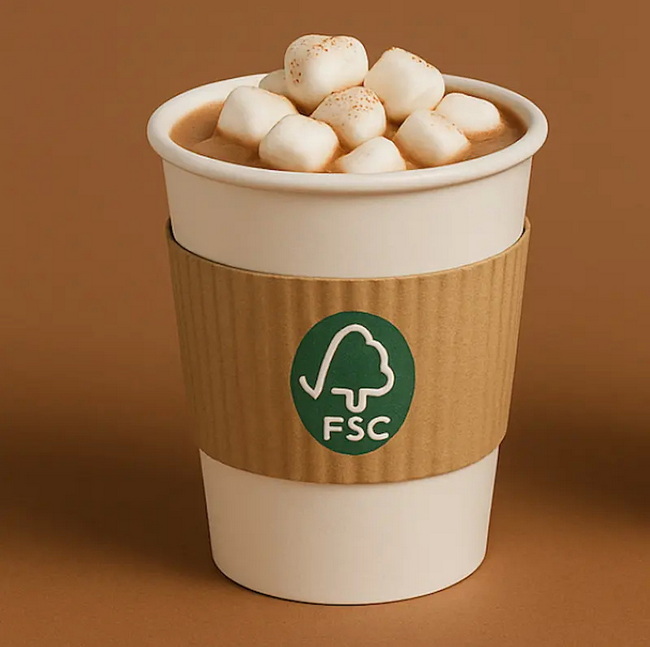
Even with the right material, the size and shape of the cup strongly influence how hot chocolate tastes, smells, and feels. For operators and brands, capacity also affects cost per serving and product positioning.
Common serving sizes include:
- 6–8 oz (180–240 ml): tasting portions, kid‑friendly servings, add‑on desserts
- 10–12 oz (300–360 ml): the “standard” hot chocolate mug size for most cafés and homes
- 14–16 oz (420–480 ml): indulgent portions with lots of whipped cream and toppings, often marketed as seasonal specials
For takeaway service, 10–12 oz insulated paper cups with compatible lids offer the best balance between indulgence, cost, and portability.
The geometry of the cup alters aroma release and how quickly the drink cools. Two shapes are especially relevant:
1- Wide‑mouth cups:
- Enhance aroma and make it easier to hold marshmallows, cream, and toppings
- Allow hot chocolate to cool faster, which is ideal for quick‑serve cafés or customers who dislike very hot drinks
2- Tall, narrower cups:
- Reduce surface area and slow down heat loss, perfect for slow drinkers or reading sessions
- Concentrate aroma closer to the nose, enhancing the sensory experience
For HLun Pack's clients, combining shape design with custom sleeves or handles can create a signature hot chocolate experience that customers remember.
User comfort is a crucial part of choosing the best cup to drink hot chocolate, especially for children, office workers, or commuters.
Key ergonomic considerations:
- Handle size and shape: Too small handles cause finger strain; too large handles feel unstable
- Weight balance: A heavy mug filled to the rim is hard to control, especially for kids
- Surface texture: Slightly textured finishes or sleeves reduce slipping and improve grip
For takeaway cups:
- Lids prevent spills and improve heat retention, which is essential for commuting and delivery
- Sleeves add insulation and provide a prime location for logo placement or seasonal messaging
Safety is non‑negotiable when serving hot beverages like hot chocolate, especially in high‑traffic commercial environments.
Important safety points:
- Use food‑grade materials that meet relevant standards for hot liquids, such as approved glass, ceramic glazes, plastics, and metals
- Verify temperature ratings of cups and lids, particularly for plastics used in hot‑fill or microwave applications
- Avoid materials that may leach chemicals at high temperatures or degrade with repeated heating and washing
Eco‑conscious consumers increasingly expect cups to be not only safe but also sustainably sourced and disposed of, so aligning material choices with CSR policies can be a competitive advantage.
Sustainability is now a major factor in choosing the best cups for hot drinks, especially for chain cafés, hotels, and corporate campuses.
More sustainable options include:
- Reusable ceramic, glass, stainless‑steel, and silicone cups, which reduce waste when properly managed and washed
- Insulated paper cups made with compostable or recyclable linings instead of traditional plastic coatings
- Clear labeling and communication that guide customers to recycle or return used cups responsibly
Brands that transition from standard plastic to higher‑performing, eco‑friendly options often see stronger loyalty and better engagement in environmentally aware markets.
For operators who need a concrete, step‑by‑step method to choose the best cups for hot chocolate, the process can be broken down into simple stages.
Clarify where and how your hot chocolate is consumed:
1. Dine‑in only: Focus on ceramic or double‑wall glass for a premium experience.
2. Takeaway and delivery: Prioritize insulated paper cups with lids, possibly supplemented by branded reusable tumblers.
3. Outdoor events and food trucks: Choose stainless‑steel, sturdy insulated paper, or robust plastic options depending on budget and risk tolerance.
Rank your priorities:
- If heat retention is most important, double‑wall glass, vacuum stainless‑steel, and well‑designed ceramic are best.
- If budget is tight, standardized paper or PP cups with sleeves may be more realistic.
- If sustainability is critical, focus on reusable drinkware plus certified compostable or recyclable paper cups.
Different customers value different features in their hot chocolate cups:
- Families and kids: smaller capacities, stable bases, easy‑grip handles or sleeves
- Commuters: secure lids, slender profiles that fit car cup holders
- Social‑media‑active customers: visually attractive shapes, transparent glass, or bold colors
Mapping segments to cup types helps optimize your SKU mix and reduce inventory complexity.
Before committing to large production runs with suppliers such as HLun Pack, test a small batch of candidate cups under real conditions.
- Check heat retention over time at actual drink temperatures
- Observe customer feedback on comfort, flavor perception, and appearance
- Confirm that lids, sleeves, and accessories are compatible and leak‑resistant
This data‑driven approach reduces the risk of costly misalignment between product design and customer expectations.
Beyond choosing the best cup to drink hot chocolate, small design details strongly influence how customers perceive your drink.
Suggested enhancements:
- Use contrasting colors: white or light‑colored cups make dark chocolate tones stand out
- Select shapes that frame toppings such as whipped cream, marshmallows, or drizzled syrups
- For clear glass or PET cups, layer chocolate, cream, and sauces to create a visually striking gradient
These design choices can turn a simple beverage into a photogenic signature item that supports higher price points and stronger brand differentiation.
As a dedicated packaging material and machinery provider, HLun Pack can help food‑service brands and beverage businesses translate these guidelines into real products and packaging solutions.
HLun Pack can:
- Help you choose and customize ceramic, glass, stainless‑steel, paper, plastic, or silicone cups matched to your serving scenarios
- Provide insulated paper cups, sleeves, and lids optimized for hot chocolate, with high‑quality printing for logos and seasonal campaigns
- Offer integrated packaging machinery and systems that streamline cup storage, dispensing, and takeaway packaging for busy operations
By partnering with HLun Pack, cafés, dessert shops, and beverage brands can move beyond generic drinkware and build a coherent, brand‑aligned hot chocolate experience from the first sip to the last.
If your business is ready to upgrade from basic drinkware to purpose‑designed hot chocolate cups that enhance taste, safety, and brand impact, HLun Pack can help. Share your serving scenarios, preferred materials, and sustainability targets, and a tailored cup solution can be developed to fit your menu and budget. Contact HLun Pack today to explore material options, printing capabilities, and integrated packaging systems that turn every cup of hot chocolate into a powerful brand touchpoint.
Contact us to get more information!
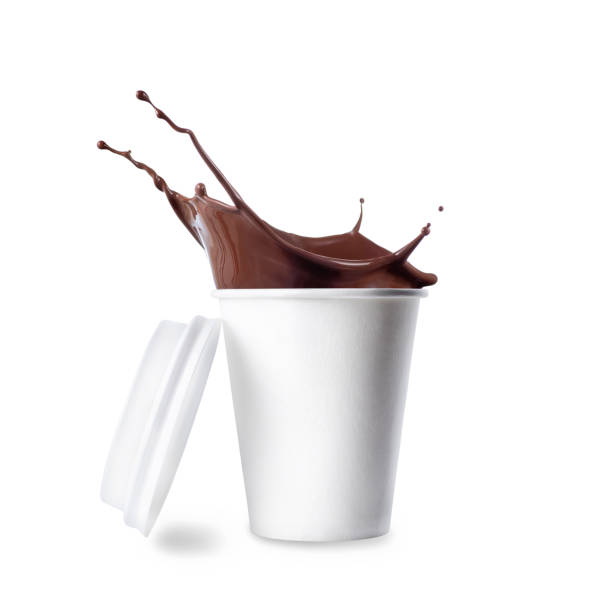
For home use, a thick ceramic mug is usually best because it retains heat well, feels comfortable to hold, and does not affect the flavor of the hot chocolate. Double‑wall glass mugs are another premium option if you want a visually impressive presentation.
For children, prioritize smaller capacities (6–8 oz), stable bases, and easy‑grip handles or sleeves. Insulated paper cups with secure lids also work well for short outings, provided the drink is not served at scalding temperatures.
For takeaway hot chocolate, insulated paper cups with tight‑fitting lids and comfortable sleeves provide the best mix of safety, portability, and branding capability. Stainless‑steel travel tumblers are ideal as reusable upgrades or merchandise items.
Standard plastic cups are generally better for cold drinks, but certain heat‑resistant plastics like PP can be used for hot chocolate in short‑stay situations. Always verify the material's temperature rating and local regulations before using plastic cups for hot beverages.
Vacuum‑insulated stainless‑steel tumblers typically offer the best long‑term heat retention for hot chocolate. Among traditional cups, thick ceramic and double‑wall glass also perform very well for typical drinking times.
1. https://pakoro.com/blog/a-guide-to-find-the-best-cup-to-drink-hot-chocolate/
2. https://customcupfactory.com/blogs/news/a-guide-to-find-the-best-cup-to-drink-hot-chocolate
3. https://www.kimecopak.ca/blogs/news/cups-for-hot-chocolate
4. https://epackagesupply.com/blogs/packaging-guide/best-cups-for-hot-drinks
5. https://www.mbpak.com/blog/best-disposable-cups-for-hot-chocolate-to-go


