


close
Choose Your Site
Global
Social Media
Views: 222 Author: Amanda Publish Time: 2026-02-05 Origin: Site


Content Menu
● What Does “Effective Game Box Packaging” Mean?
● Match Game Packaging to Game Type (Board vs Card vs Collectible)
>> Board games with multiple components
>> Premium and collector editions
● Get the Game Box Structure Right (Size, Shape, Depth)
>> Box depth and stacking stability
>> Lid fit and opening experience
● Choose Materials That Protect and Sell
>> Common materials for game boxes
>> Surface finishes and coatings
>> Sustainability and eco‑friendly options
● Design Essentials: Turn Your Game Box into a Mini Billboard
>> Side panels and shelf visibility
● Internal Organization: Inserts, Trays, and Component Protection
>> Inserts for organization and protection
>> Component bagging and labeling
● How to Package Board Games for Shipping (Step‑by‑Step)
>> Step 2: Choose the right outer shipping box
>> Step 3: Add protective cushioning
● Best‑Practice Overview for Game Box Packaging and Shipping
● Advanced Strategies: Designing for E‑commerce, Retail, and Crowdfunding
● Common Mistakes to Avoid in Game Box Packaging
● When to Partner With a Professional Game Packaging Manufacturer
● Take the Next Step With Professional Game Box Packaging
● Frequently Asked Questions (FAQ)
>> 1. What is the best material for board game boxes?
>> 2. How deep should a board game box be?
>> 3. Do I really need inserts inside my game box?
>> 4. How can I prevent damage when shipping board games?
>> 5. What information must appear on the game box?
Packaging a board game box effectively means combining smart structural design, eye‑catching branding, and reliable shipping protection to ensure your game arrives in perfect condition and stands out on the shelf. This guide covers every step, from choosing the right box style and inserts to shipping board and card games safely worldwide.

An effective game box package protects all components, communicates your game clearly, and delivers a memorable unboxing experience while staying cost‑efficient for production and shipping. For modern board games and card games, that means aligning structure, materials, graphics, and logistics from the very first design brief.
Core goals of effective game box packaging:
- Protect all components during storage and transit.
- Communicate theme, gameplay, and key specs at a glance.
- Optimize size and structure for retail shelves and shipping.
- Enhance the unboxing and replay experience with smart internal organization.
Different game types require different game box packaging strategies to balance protection, cost, and shelf impact.
For board games with boards, tokens, dice, and miniatures, you need a more robust structure and compartmentalized interior.
- Use rigid chipboard or heavy paperboard for the main box to withstand stacking and repeated use.
- Add custom inserts or trays to separate cards, miniatures, dice, and boards.
- Ensure enough depth to stack components without crushing or warping.
Card games and small fillers can use more compact, cost‑efficient packaging without sacrificing perceived value.
- Choose standard tuck boxes or small rigid boxes for durability and easy retail display.
- Add internal dividers or card wells to prevent decks from shifting and corner damage.
- Consider slipcases or sleeves for special editions to increase shelf appeal.
Collector's editions or large “big box” games demand packaging that justifies higher price points.
- Use premium rigid boxes with higher board caliper and reinforced corners.
- Include molded plastic or foam trays for miniatures and fragile components.
- Integrate specialty finishes such as foil, embossing, or spot coatings to create a high‑end look and feel.
A well‑designed game box structure balances shelf presence, storage practicality, and shipping efficiency.
Oversized boxes increase freight costs and retailer resistance, while boxes that are too small can cause component damage.
- Keep the box as compact as possible while fitting all components comfortably.
- Consider standard board game footprints for easier shelf planning.
- Avoid unusual shapes unless they strongly support the brand and you have tested stacking and packing.
Depth influences how well your games stack and how stable they remain on shelves.
- Avoid boxes that are too shallow, which can bow or pop open under weight.
- Avoid boxes that are unnecessarily deep, which create void space and packing inefficiencies.
- Test stacked loads to ensure boxes do not collapse during warehousing and shipping.
A secure but user‑friendly lid is essential for repeat play.
- Design a snug lid that will not slide off easily during transport and storage.
- Consider thumb cuts or slightly lower base height for easier opening without damaging corners.
- If using magnetic closures or sleeves, ensure they survive repeated use without fraying or tearing.
The material specification of your board game packaging determines durability, print quality, and overall brand perception.
- Rigid chipboard: Ideal for premium board games and collector editions, providing superior strength and a luxurious feel.
- Folding carton and paperboard: A cost‑efficient option for lighter card games and small accessories.
- Corrugated board: Excellent for outer cartons, big box sets, and shipping‑intensive projects.
Finishes influence both visual impact and durability against scuffing and moisture.
- Matte lamination: Reduces glare, provides a soft touch, and hides fingerprints better.
- Gloss lamination: Enhances color saturation and provides a shiny, retail‑ready look.
- Spot coatings: Highlight key graphics such as logo, title, or hero artwork with glossy contrast.
- Foil stamping: Adds metallic accents that convey premium quality, especially for fantasy or sci‑fi themes.
Modern players increasingly care about sustainability in game packaging.
- Use recyclable paper‑based materials with responsibly sourced fibers where possible.
- Replace plastic inserts with die‑cut cardboard or molded pulp alternatives.
- Communicate eco credentials on the box with recycling icons and certifications without overwhelming the design.
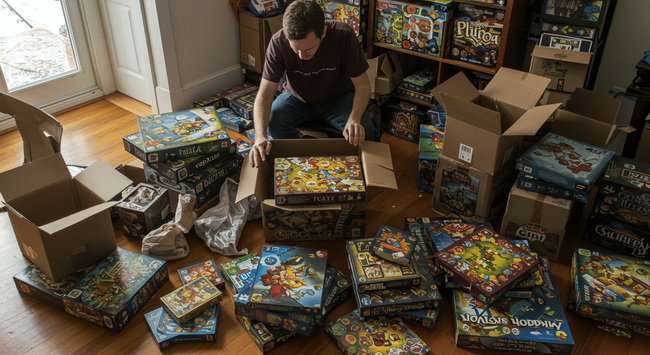
Your game box design must grab attention, communicate gameplay, and be instantly recognizable on crowded shelves.
The front panel should function as a mini billboard for your game.
- Game title and logo with clear hierarchy and readable typography from a distance.
- Core artwork that reflects the theme, tone, and audience such as family, hobby, or party.
- Optional banner with a brief tagline or unique selling point.
Games are often shelved vertically, so side panels are critical for visibility.
- Include the game name, logo, and a small artwork strip on all sides.
- Add player count, age range, and playtime in a compact and consistent style.
- Ensure orientation works whether the box is stored horizontally or vertically.
The back panel helps convert browsing customers into buyers.
- Short, engaging game description highlighting theme and core mechanics.
- List of contents to reassure buyers about value.
- One to three small photos or renders of components, setup, and in‑game action.
- Clear icons for player count, age, and playtime.
Proper inside box design is what separates amateur packaging from professional board game experiences.
Inserts stop components from colliding and speed up setup.
- Use cardboard, plastic, or foam inserts to create dedicated compartments for different pieces.
- Design wells to fit sleeved cards if your audience is likely to use sleeves.
- Allow space for expansions when that is part of the long‑term product plan.
Bagging and labeling makes unboxing and storage smoother for players.
- Supply resealable poly bags or paper pouches for tokens, dice, and small components.
- Label complex sets to reduce rulebook friction and speed up setup.
- Use color coding or iconography consistent with the rulebook and game board.
Once the box and inserts are finalized, you must package board games for shipping so they survive e‑commerce and fulfillment.
- Ensure each game box is fully closed and any loose components are bagged or secured inside.
- Shrink wrap the game box or place it in a snug plastic bag to prevent scuffing and moisture damage.
- Use a corrugated shipping carton that leaves around two to three centimeters of space around the game box.
- Avoid oversized cartons that allow the game to bounce around during transit.
- Surround the game box with bubble wrap, air pillows, kraft paper, or foam inserts to absorb shocks.
- Place extra padding at corners and along edges, which are most vulnerable to crushing.
- Seal the carton securely with high‑quality packing tape, reinforcing all seams.
- Add “Fragile” and “This Side Up” labels to reduce rough handling during shipping.
- For international shipments, include clear addressing and any required customs or regulatory labels.
Aspect | Best Practice | Why It Matters |
Box type | Rigid chipboard for board games, sturdy carton for card games | Improves durability and perceived value |
Box size and depth | Compact, appropriate depth, easy to stack | Reduces shipping cost and shelf issues |
Inserts and trays | Custom compartments for all components | Prevents damage and speeds up setup |
Surface finish | Matte or gloss lamination with selective highlights | Enhances graphics and scratch resistance |
Front panel design | Strong title, theme art, clear hierarchy | Boosts shelf impact and recognition |
Back panel information | Description, contents list, and one to three images | Supports purchase decisions |
Shipping protection | Shrink wrap, void fill, sturdy outer carton | Prevents transit damage and returns |
Modern board game publishers often sell through multiple channels such as online stores, brick‑and‑mortar retail, and crowdfunding platforms. Aligning your packaging with each channel improves sales, fulfillment efficiency, and customer satisfaction.
- Design barcodes and SKU labels to be easily scannable on any side of the box.
- Use shrink wrap or tamper‑evident seals to reduce open‑box returns.
- Optimize box dimensions to fit common courier carton sizes and pallet patterns.
- Ensure artwork and logos remain visible when the box is stacked flat or shelved vertically.
- Keep key information such as age, players, and playtime highly legible under store lighting.
- Consider localized language versions or icon‑based rules summaries for global markets.
- Use 3D renders and box mockups to show backers exactly what they will receive.
- Plan early for stretch‑goal components so the box and inserts can accommodate upgrades.
- Communicate packaging and shipping quality clearly in campaign pages to build trust.
Avoiding a few critical mistakes can save you from expensive reprints and damaged shipments.
- Using boxes that are too large, resulting in wasted space and crushed corners during shipping.
- Ignoring internal organization, which leads to broken miniatures and messy unboxing experiences.
- Overloading the front cover with text, logos, and awards that distract from core artwork.
- Neglecting side panel information, making games hard to find on shelves.
- Skimping on shrink wrap or moisture barriers for overseas or humid‑climate shipments.
As your volumes and markets grow, working with a professional game packaging manufacturer unlocks better quality control, material options, and integrated packing solutions. This partnership also reduces trial‑and‑error costs and accelerates time to market.
You should consider partnering with a specialist when:
- You need consistent color and print matching across reprints and expansions.
- You require custom inserts, specialty finishes, or unique box structures.
- You ship globally and must comply with varying logistics, labeling, and sustainability requirements.
A specialized partner can provide structural design support, pre‑production samples, and packaging engineering that align with your budget, brand, and long‑term roadmap.
If you are planning a new board game, a reprint, or a special collector edition, this is the ideal time to upgrade your game box packaging and shipping strategy. Contact our professional packaging team to design and manufacture custom game boxes, inserts, and protective shipping solutions tailored to your components, brand, and distribution channels, so every game reaches players in perfect condition and delivers a memorable unboxing experience.
Contact us to get more information!
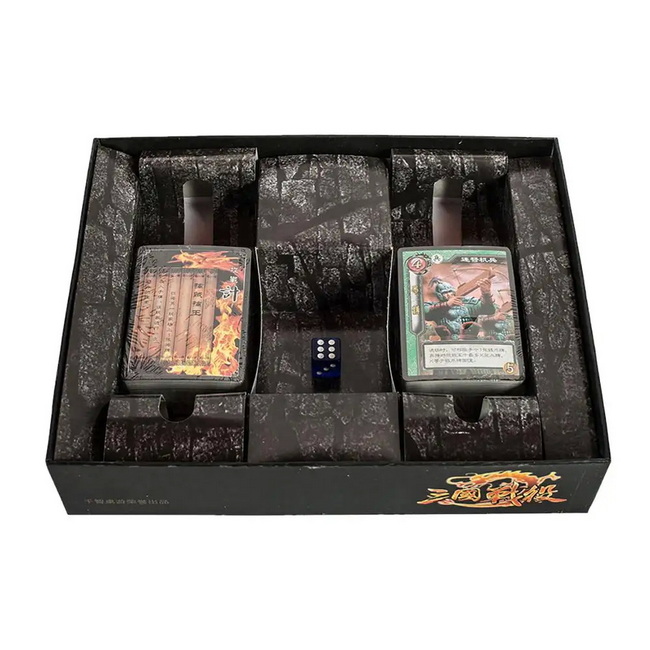
For most modern board games, rigid chipboard with a laminated printed wrap offers the best balance of durability, print quality, and perceived value. This material also pairs well with custom inserts and premium finishes.
The box should be deep enough to hold all components and inserts without compression but not so deep that it creates unnecessary void space or stacking problems for retailers. A compact depth that matches your insert design is usually ideal.
While not strictly required, inserts significantly reduce component damage, speed up setup, and improve overall user experience. They also make the game feel more organized and premium, which supports repeat play.
Use shrink wrap or plastic bags around the game box, a correctly sized corrugated shipping carton, and ample cushioning such as bubble wrap, air pillows, or kraft paper. Then clearly label the package as fragile and seal all seams securely.
At a minimum, include the game title, theme artwork, player count, age range, playtime, a short description, and a contents list. You should also add any required legal or safety markings and your branding elements.
1. https://pakfactory.com/blog/effectively-package-game-box/
2. https://pakoro.com/blog/tips-to-effectively-package-and-ship-your-board-games/
3. https://asiapack.com/board-game-packaging-tips/
4. https://www.efulfillmentservice.com/2025/05/packaging-kitting-tips-for-board-game-fulfillment/
5. https://ascdirect.co.uk/news/a-guide-to-video-game-packaging/
6. https://midatlanticpackaging.com/blog/how-to-package-and-ship-your-game-box/
7. https://packhelp.com/board-game-packaging/
8. https://thecityofkings.com/news/designing-the-perfect-box-part-1-the-cover/
9. https://myinternationalmovers.com/how-to-pack-board-games-for-moving/
10. https://www.halfpricepackaging.com/blog/guide-to-game-packaging-design-and-how-it-affects-your-games-marketing-sales


