


close
Choose Your Site
Global
Social Media
Views: 222 Author: Amanda Publish Time: 2026-02-08 Origin: Site


Content Menu
● What Is Clamshell Packaging?
● Key Benefits of Clamshell Packaging
● Main Types of Clamshell Packaging (At‑a‑Glance Overview)
● Thermoform Clamshell Packaging: Customizable Retail Protection
>> When Thermoform Clamshells Work Best
>> Key Advantages of Thermoform Clamshells
● Plastic Clamshell Packaging for Food and Fresh Produce
>> Typical Uses for Plastic Clamshells
● Paperboard Clamshell Packaging: Natural Look with Heat Insulation
>> Best Applications for Paperboard Clamshells
>> Pros of Paperboard Clamshell Packaging
● Plant Fiber Clamshell Packaging: Industrial Compostable Solutions
>> Ideal Use Cases for Plant Fiber Clamshells
>> Why Brands Choose Plant Fiber Clamshells
● Sugarcane (Bagasse) Clamshell Packaging: Foam Look, Plant‑Based Core
>> Application Examples for Sugarcane Clamshells
>> Key Features of Sugarcane Clamshell Packaging
● Styrofoam Clamshell Packaging: Low Cost, High Environmental Concern
>> Advantages of Styrofoam Clamshells
>> Drawbacks of Styrofoam Packaging
● How to Choose the Right Clamshell Packaging: A Practical Framework
>> Step 1: Define Product Requirements
>> Step 2: Clarify Brand and Sustainability Goals
>> Step 3: Check Local Recycling and Composting Regulations
>> Step 4: Evaluate Operational Fit
>> Step 5: Run Pilot Tests with Real Users
● Industry Use Cases: Food vs Retail Clamshell Strategies
>> Clamshell Packaging in Food and Foodservice
>> Clamshell Packaging in Retail and Non‑Food
● Practical Design Tips for Better Clamshell Packaging UX
● Partner with HLun Pack for End‑to‑End Clamshell Packaging Solutions
● Take the Next Step with HLun Pack
● Frequently Asked Questions About Clamshell Packaging
>> 1. Is clamshell packaging recyclable?
>> 2. What is the most eco‑friendly type of clamshell packaging?
>> 3. When should I choose thermoform clamshell packaging instead of a simple tray?
>> 4. Are clamshell packages safe for hot foods?
>> 5. How can I reduce wrap rage with clamshell packaging?
As a professional packaging manufacturer, choosing the right clamshell packaging is critical for product protection, shelf impact, and sustainability, and it directly affects your costs and customer satisfaction. This guide walks you through the main types of clamshell packaging, when to use each, and how to select the best option for food and retail applications.
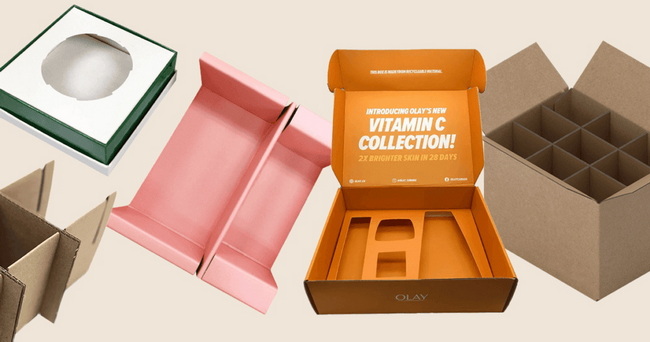
Clamshell packaging is a rigid container made of two halves joined by a hinge, allowing it to open and close like a shell while fully enclosing the product. It is widely used in food, electronics, hardware, and consumer goods because it combines visibility, protection, and branding space in one solution.
- Typically thermoformed from plastic sheets or molded from fiber or paperboard.
- Can be reclosable for reuse or permanently sealed for tamper evidence.
- Available in stock sizes and fully custom designs to match your product and production line.
Clamshell packaging has become a go‑to choice for brand owners and retailers thanks to its performance and flexibility.
- Strong product protection during transport, storage, and on‑shelf display.
- High visibility for better merchandising and consumer confidence.
- Tamper resistance and theft deterrence for high‑value or safety‑critical items.
- User‑friendly opening and reclosing for fresh foods and grab‑and‑go products.
- Versatility across categories such as salads, sandwiches, bakery, hardware, electronics, and cosmetics.
The table below summarizes the main clamshell packaging types, their materials, common uses, and disposal notes.
Clamshell type | Main material | Typical applications | Disposal / end-of-life |
Thermoform clamshell packaging | PVC, RPET, PETG | Retail hardware, tools, consumer goods, some food | Recyclable in suitable streams; can be sealed for tamper evidence. |
Plastic clamshell packaging | PET plastic | Salads, sandwiches, desserts, fresh produce | Recyclable if thoroughly cleaned to remove food residue. |
Paperboard clamshell packaging | Paperboard, sometimes waxed | Hot food, egg cartons, takeout | Compostable or recyclable when not heavily soiled with grease or sauce. |
Plant fiber clamshell packaging | Wheat straw, other plant fibers | Hot and cold foodservice, eco takeout | Designed for industrial composting in compliant facilities. |
Sugarcane clamshell packaging | Bagasse (sugarcane waste) | Hot and cold food, QSR and delivery | Home or industrial compostable where accepted by local systems. |
Styrofoam clamshell packaging | Polystyrene foam | Low cost hot or cold takeout | Mostly non recyclable; increasingly restricted for environmental reasons. |
You can position this table near the top of your article as an at‑a‑glance buying guide for users comparing clamshell options.
Thermoform clamshell packaging is a highly customizable solution formed from heated plastic sheets that are shaped around a mold. It is ideal when you need precise fit, strong branding, and robust tamper resistance for retail products.
- Electronics accessories, tools, hardware, toys, and personal care products.
- Products that require theft deterrence and visible security seals on shelf.
- Custom cavities and die cuts to hold multiple components in place.
- Clear visibility from all angles for better product presentation.
- Multiple closure options such as self‑locking, friction fit, or heat‑sealed edges.
Plastic clamshell packaging, typically made from PET, is widely used for fresh foods because it combines clarity, light weight, and resealability. Consumers can instantly check freshness and quality without opening the package.
- Fresh produce such as berries, cherry tomatoes, and salad greens.
- Grab‑and‑go bakery items, desserts, sandwiches, and cut fruit.
- Crystal‑clear visibility builds trust and helps showcase color and freshness.
- Resealable designs support portion control and extended use after opening.
- Stackable shapes optimize shelf space and logistics.
- PET clamshells are often recyclable, but only when rinsed and free of food residue to avoid contamination.
- Local recycling rules differ, so brands should clearly mark correct disposal instructions on the label.
Paperboard clamshell packaging offers a warm, eco‑friendly look that consumers associate with sustainability. It is especially common in foodservice for hot items and eggs.
- Burgers, fries, breakfast items, and hot snacks.
- Egg cartons and selected bakery products.
- Lightweight and often made from recycled content.
- Provides natural insulation for hot food and reduces condensation compared with plastic.
- Easy to print with branding, instructions, or sustainability messages.
- Heavy grease and sauces can reduce recyclability or compostability.
- Less suitable for long‑term moisture exposure without special coatings.
Plant fiber clamshells use agricultural residues like wheat straw and other plant fibers to create sturdy, soak‑resistant containers. They are designed for food brands that prioritize sustainability but still require performance similar to plastic.
- Cafés, canteens, and catering services targeting eco‑aware customers.
- Takeout for hot curries, rice dishes, noodle bowls, and mixed plates.
- Soak‑proof structure handles sauces, oils, and dressings without collapsing.
- Compatible with hot and cold foods, from fried items to chilled salads.
- Often certified for industrial composting, supporting zero‑waste targets.
- Use clear icons showing “industrial compost only” to avoid confusion with home composting.
- Add guidance to remove food scraps and follow local composting rules.
Sugarcane clamshell packaging is made from bagasse, a byproduct of sugarcane processing, giving it a foam‑like feel with a lower environmental footprint. It is popular in restaurants switching away from Styrofoam while keeping similar handling characteristics.
- Takeout meals, combo boxes, and portioned meal kits.
- Quick service restaurants and delivery platforms needing sturdy but compostable packaging.
- Withstands hot and cold dishes, including microwave reheating in many designs.
- Maintains a clean, professional appearance similar to white foam.
- Can be home or industrially composted where local systems accept bagasse.
Styrofoam (expanded polystyrene) clamshells have long been used for low‑cost takeout but are increasingly restricted. They offer good insulation but pose major environmental challenges.
- Very low unit cost for large volumes.
- Excellent heat retention for hot meals and drinks.
- Difficult or impossible to recycle in many regions.
- Persistent in the environment and often targeted by local bans or restrictions.
Many brands with sustainability goals are transitioning from Styrofoam to sugarcane, plant fiber, or paperboard alternatives.
A clear selection framework helps you match clamshell packaging to your product, budget, and environmental targets.
- Weight and fragility, for example light snacks versus heavy hardware.
- Temperature and moisture, such as hot oily food versus dry retail goods.
- Decide whether you want a premium retail look or aggressive cost efficiency.
- Choose between recyclable, industrially compostable, or home compostable options.
- Confirm availability of PET clamshell recycling streams.
- Verify acceptance of bagasse or fiber containers in commercial compost facilities.
- Ensure compatibility with existing sealing, labeling, and filling equipment.
- Consider storage, stacking, and transport efficiency in your distribution network.
- Test ease of opening, leak resistance, and reclosure in real conditions.
- Collect feedback on appearance, perceived sustainability, and on‑the‑go usability.
Different industries use clamshell packaging in different ways to balance cost, protection, and branding.
- Fresh produce and bakery: clear PET clamshells show freshness and reduce handling.
- Takeout and delivery: plant fiber and sugarcane clamshells prevent leaks and align with eco expectations.
- Ready‑to‑eat meals: compartmented clamshells keep ingredients separate and attractive.
- Hardware and tools: thermoform clamshells deter theft while displaying the product and accessories.
- Electronics: custom‑fit clamshells protect sensitive components and support hanging or standing displays.
- Beauty and personal care: clear clamshells combined with branded insert cards enhance on‑shelf impact.
Beyond material choice, good user experience design is crucial for clamshell packaging success.
- Prioritize easy, safe opening, and avoid excessive sealing that frustrates users.
- Use clear labeling for recycling or composting, including simple icons and short instructions.
- Design for stackability and storage to improve shelf presence and transport efficiency.
- Integrate branding with insert cards, printed lids, or embossing to maximize shelf recognition.
Adding a short, illustrated “How to recycle or dispose” panel directly on the pack can significantly improve correct end‑of‑life handling.
As a professional packaging materials manufacturer and an integrated packaging machinery and solutions provider, HLun Pack can help you move from concept to large‑scale production. We support clamshell packaging projects covering material selection, structural design, automation, and sustainability alignment.
- Custom thermoform, plastic, and fiber‑based clamshells tailored to your product line.
- Packaging machinery integration to improve speed, sealing quality, and consistency.
- Technical support on recyclability, compostability, and regulatory compliance in your target markets.
If you are planning a new clamshell packaging project or upgrading from your existing solution, now is the right time to optimize both performance and sustainability. Contact HLun Pack today to discuss a tailored clamshell packaging and machinery solution that fits your products, production line, and environmental goals, and let our expert team help you bring a better package to market faster.
Contact us to get more information!
Many PET plastic clamshells are recyclable if they are thoroughly cleaned and accepted by local recycling programs, while fiber‑based clamshells may be compostable instead. Always check regional guidelines and clearly label your packaging to guide end users.
Plant fiber and sugarcane clamshells are often considered more sustainable because they use renewable resources and are designed for composting in appropriate facilities. However, the overall impact still depends on transport, energy use, and local waste infrastructure.
Thermoform clamshells are preferable when you need full enclosure, tamper evidence, and strong protection for multi‑component products such as tools, electronics, or kits. Trays are better for applications where products are already protected or used with secondary packaging.
Many sugarcane, plant fiber, and some plastic clamshells are designed to handle hot foods, but temperature resistance varies by material and design. Always confirm heat performance, microwave suitability, and any coatings with your supplier before large‑scale rollout.
You can reduce user frustration by incorporating easy‑open features such as tear notches, perforated seals, or reclosable tabs and by avoiding unnecessarily thick seals. Clear opening instructions and icons on the pack also make the experience smoother for consumers.
1. https://pakoro.com/blog/clamshell-packaging/
2. https://lacerta.com/blog/what-is-clamshell-packaging
3. https://www.plasticingenuity.com/blog/advantages-clamshell-packaging/
4. https://eaglepack.in/clamshell-packaging/
5. https://www.elsepack.com/clamshell-packaging/
6. https://www.bioleaderpack.com/comprehensive-guide-to-clamshell-packaging-in-sustainable-food-packaging/
7. https://e-blister.com/blogs/news/what-is-clamshell-packaging
8. https://www.arka.com/pages/what-is-clamshell-packaging
9. https://pacfood.com.au/clamshell-packaging-15-ways-to-use-eko-paks-clamshells/
10. https://www.packleaderusa.com/blog/top-5-benefits-of-using-a-clamshell-package-for-fresh-foods


